
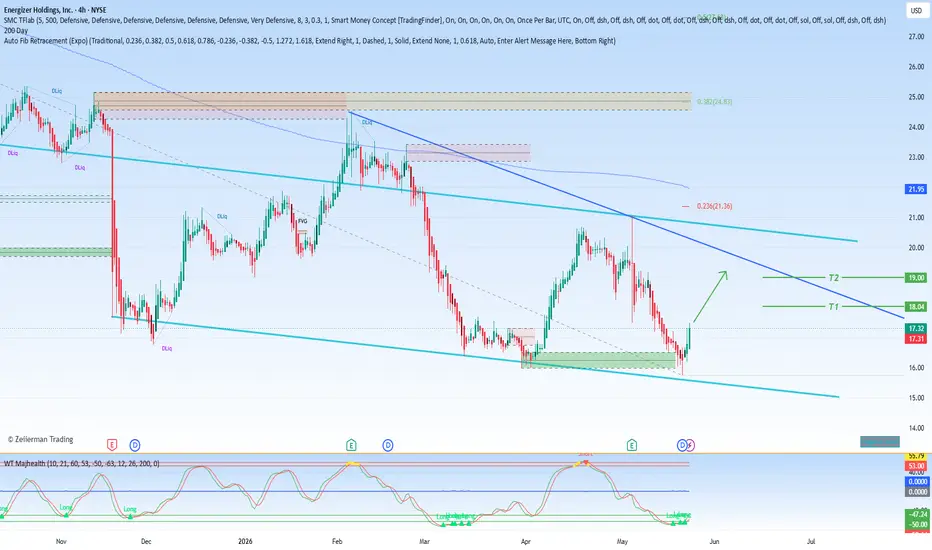
Energizer Holdings (NYSE: ENR), the company behind the iconic and widely recognized Energizer Bunny mascot, stands as one of the largest battery manufacturers in the world. The brand has enjoyed decades of consumer trust and marketing success, largely driven by that memorable, drum-pounding pink rabbit. However, despite its strong brand recognition and market presence, a closer look at the company's financial health reveals several reasons why the stock may fall short of investor expectations.
Why Energizer Is Struggling to Gain Traction
First and foremost, the company has demonstrated an absence of organic revenue growth over the past two years. Rather than generating consistent, built-in expansion from its existing operations, Energizer appears to be relying increasingly on acquisitions to drive its growth strategy. This reliance on external deal-making rather than internal momentum raises questions about the underlying health of its core battery business and its ability to compete effectively in a mature market.
Second, looking ahead, analysts anticipate sales growth of just 1.9% for the coming year. Such tepid projected growth implies that consumer demand for Energizer's products may remain shaky at best. In an industry facing pressure from both declining demand for disposable batteries—due to the rise of rechargeable devices and built-in power sources—and intense competition from rivals like Duracell and private-label brands, a growth rate below 2% is unlikely to excite many investors.
Third and perhaps most concerning is the company's elevated debt burden. Energizer currently carries a net-debt-to-EBITDA ratio of approximately 5×. That level of leverage is considered high by most industry standards, and it makes lenders less willing to extend additional capital to the company. Should Energizer need to raise funds for operations, acquisitions, or refinancing, it may be forced to turn to equity markets. Any such move would likely come in the form of dilutive equity offerings, which could reduce the value of existing shareholders' stakes and put further downward pressure on the stock price.
Taken together, these three factors—lack of organic growth, weak projected sales, and a heavy debt load—suggest that Energizer faces significant headwinds. Unless the company can demonstrate a clear path to revitalizing demand and managing its leverage more effectively, investors may be wise to approach the stock with caution.

Disclaimer
The information and publications are not meant to be, and do not constitute, financial, investment, trading, or other types of advice or recommendations supplied or endorsed by TradingView. Read more in the Terms of Use.
Disclaimer
The information and publications are not meant to be, and do not constitute, financial, investment, trading, or other types of advice or recommendations supplied or endorsed by TradingView. Read more in the Terms of Use.