
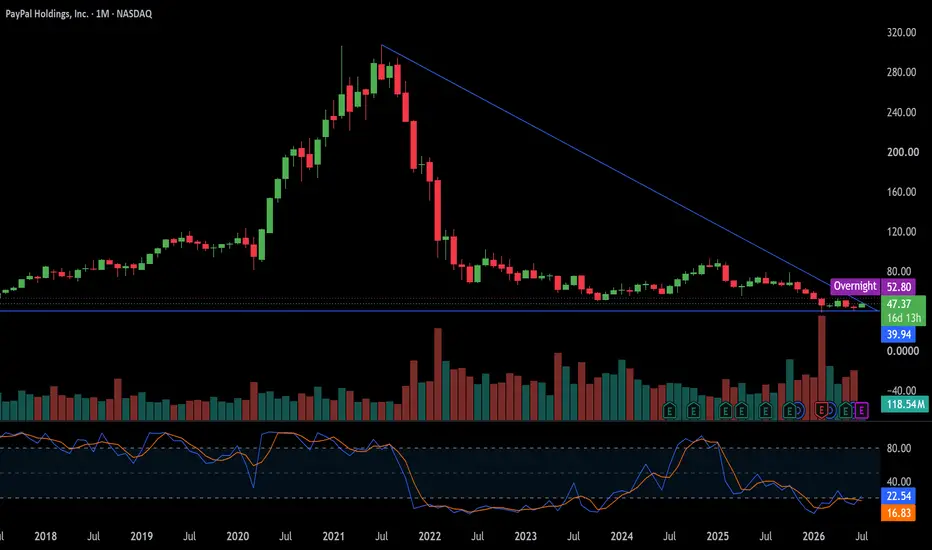
Stripe and Advent International just disrupted the financial world. They offered over $53 billion to acquire PayPal. This bold proposal values PayPal at $60.50 per share. It represents a massive 28% premium over recent market closures. Macroeconomic indicators frame this historic bid. High inflation and shifting interest rates squeeze legacy payment processors. Despite the premium, Goldman Sachs maintains a cautious outlook. They recently raised their price target for PayPal to $48. However, Goldman keeps a "Sell" rating. Markets demand profitability and resilience. This proposed mega-merger highlights rapid consolidation in global economics. Private equity and agile fintechs now dictate market momentum.
Geopolitics and Geostrategy
Global financial infrastructure is a prime geopolitical battleground. A Stripe-PayPal merger would create an undisputed Western payments titan. This geostrategic move counters the dominance of Asian networks like Alipay. Regulators across multiple continents will scrutinize this $53 billion transaction. Anti-monopoly laws will test international alliances. Cross-border capital flows determine national security parameters. Controlling this vast transaction network grants immense geopolitical leverage. Governments rely on digital payment arteries to enforce economic sanctions. Thus, this buyout carries severe strategic implications for global financial sovereignty.
Industry Trends and Business Models
The digital payments sector faces rapid evolution. Industry trends heavily favor embedded finance and unified commerce platforms. PayPal struggles against younger, more agile competitors. The proposed business model involves Stripe and Advent sharing equal ownership. This 50/50 split blends private equity capital with aggressive fintech innovation. It transforms traditional transaction fee models. The new entity would dominate both online checkout and backend merchant acquiring. Diversified revenue streams now mandate cryptocurrency integration and dynamic checkout experiences. Stagnant business models will perish in this hyper-competitive ecosystem.
Management, Leadership, and Company Culture
PayPal’s management faces a defining leadership crisis. New executives must navigate a fierce turnaround strategy. They must evaluate this $53 billion lifeline objectively. Rejecting the offer requires flawless execution of internal cost-saving plans. Accepting it demands a massive cultural shift. Company culture at PayPal must pivot toward rapid innovation. Stripe’s aggressive, builder-centric ethos contrasts sharply with PayPal’s legacy corporate structure. True leadership requires making ruthless decisions under immense Wall Street pressure. The boardroom must prioritize long-term survival over short-term pride.
Technology, High-Tech, and Cybersecurity
A combined Stripe-PayPal entity would control immense technological power. High-tech integration demands flawless execution. The companies must merge distinct cloud infrastructures and API architectures. Cybersecurity remains the paramount concern. Processing trillions of dollars attracts sophisticated state-sponsored hackers. The unified network must deploy zero-trust security frameworks. Advanced artificial intelligence will detect fraud anomalies instantly. Machine learning algorithms optimize transaction approval rates. Superior technology dictates market share in modern finance. This merger would set a new global benchmark for financial cybersecurity.
Science, Patent Analysis, and Pharmaceutical Industry
Digital finance increasingly intersects with hard science. Patent analysis reveals intense competition over cryptographic tokenization. These distinct patents build the foundation for future commerce. The pharmaceutical industry directly benefits from these payment innovations. Secure, instant cross-border transactions streamline global drug supply chains. Pharmaceutical companies manage complex intellectual property purchases utilizing encrypted payment rails. Furthermore, advanced data analytics trace sensitive medical transactions securely. This synergy between high-tech finance and life sciences accelerates global healthcare delivery.

Stock N Roll!
Disclaimer
The information and publications are not meant to be, and do not constitute, financial, investment, trading, or other types of advice or recommendations supplied or endorsed by TradingView. Read more in the Terms of Use.
Stock N Roll!
Disclaimer
The information and publications are not meant to be, and do not constitute, financial, investment, trading, or other types of advice or recommendations supplied or endorsed by TradingView. Read more in the Terms of Use.