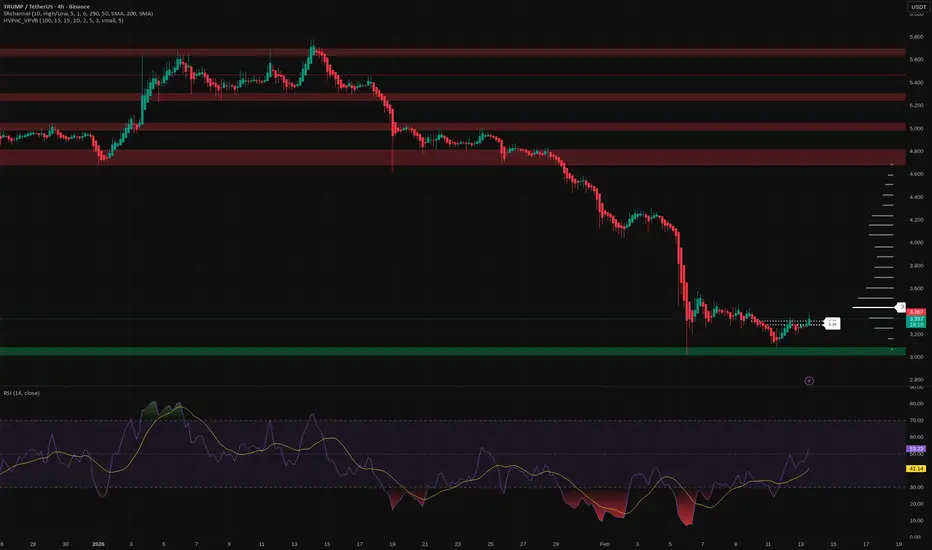
"The Liquidity Trap 90% of Traders Completely Miss"🔥 EVERY TRADER GETS TRAPPED HERE… EXCEPT THE ELITE
You watch the highs and lows, the support and resistance, the obvious levels…
And you think you’re safe.
You’re not.
The real move comes from liquidity inside the swing — the part most traders never notice.
1️⃣ External Liquidity is What Retail Chases… Not the Real Move
• Traders see obvious highs, obvious lows, support, resistance.
• They think: “Price will reverse here.”
• This is the illusion the market creates.
Here’s the truth:
External liquidity is bait, not the target.
It’s where most traders get trapped.
⸻
2️⃣ Internal Liquidity is Where the Smart Money Lives
Inside every swing — every leg up or down — exists hidden liquidity:
• Micro Order Blocks
• Lower highs / higher lows inside the leg
• Stop clusters designed to trigger retail exits
Most traders don’t look inside the leg. They only see the edges.
That’s the trap. That’s where your edge comes in.
Nugget: The move you want usually comes after the internal liquidity is cleared, not at the obvious high/low.
⸻
3️⃣ The Sequence Traders Must See (Stop Losing to the Trap)
Here’s the real SMC sequence, step by step:
A. External Sweep → The Bait
• Everyone watches it
• Everyone reacts
B. Internal Liquidity Run → The Real Target
• Hidden inside the leg
• Where stops, inducements, and OBs cluster
• The market clears this before the real move
C. Displacement → The Delivery
• After internal liquidity clears, price finally moves in the “true” direction
• This is when smart traders enter with confidence
Nugget: If you chase the sweep and ignore internal liquidity, you’re giving your edge to the market.
⸻
4️⃣ How to Spot Internal Liquidity Like a Pro
Look for these patterns inside the leg:
• Lower highs / higher lows forming in micro OBs
• Price clustering around imbalance areas
• Fake breaks that lure retail orders
• Zones where price pauses before real expansion
Golden Nugget: Price gives clues every time. The problem is, 90% of traders don’t see them.
⸻
5️⃣ Why Traders Lose Even When They’re “Right”
• You can have the right bias
• You can see the sweep
• You can even pick the “obvious OB”
But if you enter too early or in the wrong micro-structure, your stop gets taken, and the move happens without you.
This is why SMC isn’t about guessing.
It’s about understanding sequence, intention, and liquidity footprint.
⸻
6️⃣ Mindset Shift: Read Market Intention, Not Candles
Stop asking:
• “Did it break the high?”
• “Did it hit my level?”
Start asking:
• “Where is the internal liquidity being cleared?”
• “What is the smart money engineering?”
• “Where will the market take the stops before the real move?”
Nugget: Reading price action without seeing internal liquidity is like driving blind.
⸻
7️⃣ The SMC Edge You Must Internalize
• External liquidity = bait → observe
• Internal liquidity = real objective → anticipate
• Displacement = delivery → execute
When you see it unfold:
• Your entries become surgical
• Your stops make sense
• Your bias is confirmed before most traders even blink
You’re not reacting to the market.
You’re predicting its intentional sequence.
⸻
🔥 Final Takeaway (Save This)
The market isn’t random.
It’s designed to trap traders.
External liquidity tricks 90% of traders into early stops.
Internal liquidity reveals where the real move will come.
Learn to see it.
Respect it.
Trade it.
This is the real sauce of SMC trading.
Not flashy indicators. Not random setups.
Sequence, liquidity, inducement.
Pro Nugget: Once internal liquidity is in your sights, price becomes predictable.
The rest? Just execution.
Liquidity
ETH/USDT Bullish Reversal SetupETH/USDT Bullish Reversal Setup
The chart shows a clear transition in ETH as price moves from a prolonged distribution-driven decline into a developing accumulation range. After weeks of consistent bearish structure, the market finally printed multiple upside shifts, signaling that sell-side pressure is weakening and liquidity behavior is changing.
The recent impulsive rally out of the discounted range confirms that buyers are actively defending lower levels. Price is now pulling back toward a short-term demand pocket formed during the breakout. This area represents the first meaningful accumulation zone after the market broke a series of internal swing points.
As long as price maintains stability within this demand block, the structure favors continuation toward the next major liquidity cluster above. The next upside draw is positioned around the 3,440–3,500 region, where previous inefficiencies and unmitigated zones converge. That region also holds resting buy-side liquidity, making it the logical target for a future expansion move.
The current market behavior suggests that ETH is in the early phase of a bullish repricing cycle. A controlled pullback into the highlighted zone—followed by a reaction—would confirm continuation and attract momentum buyers aiming for the higher liquidity magnet.
Overall, this chart reflects a shift in narrative: sellers are losing dominance, the market is building a fresh bullish structure, and the path of least resistance is gradually tilting upward as long as the demand zone remains protected.
GBPUSD (GU) - Weekly Bullish OutlookHigher-Timeframe Bias:
GU remains bullish. On the HTF, price continues to break significant highs, confirming bullish order-flow and directional intent. Structure is clean — no confusion here.
Middle-Timeframe Context:
Dropping into the mid-timeframes, we can see sell-side liquidity (SSL) taken cleanly. Price reacted off the first orange zone far left, but that reaction didn’t sustain — instead, price delivered a decisive push deeper into the 4H strong order block (OB).
This is where things got interesting:
• Price landed into the 4H OB
• Delivered a professional sweep (not a break — structure held)
• Then printed a midterm CHoCH, confirming bullish continuation intent
Once that midterm CHoCH was confirmed, we immediately had our next point of interest for continuation.
Refined POI:
After clearing sell-side liquidity, price tapped into the nearest orange OB, where structure held on lower timeframes.
We don’t trade candles — we trade structure. And structure told us to prepare for continuations.
LTF View:
On lower timeframes, we’ve already seen multiple clean bullish continuations into the upside. The market is respecting zones, respecting order-flow, and respecting structure.
My Plan for Market Open:
I’ll be patiently waiting for price to revisit and mitigate the internal LTF structure order block.
From that mitigation, I’ll be looking to ride resistance longs targeting:
• Midterm highs
• HTF highs
Direction is set. Structure is clean. Liquidity has been collected.
Now it’s patience until the market opens.
Smart money leads; we follow. Let’s work.
USDCAD - Bullish Outlook | Weekly * Midterm Higher-Timeframe Bias:
USDCAD is bullish. HTF structure is clean — price has broken major and significant highs to the left, maintaining a clear bullish trajectory.
Mid-Term Structure:
Price initially disrespected the mid-term flow but landed into a HTF internal-framework structure zone.
• From here, we wait for a mid-term CHoCH (trend change)
• Once the CHoCH occurs and a new POI is refined, the plan is:
• Wait for mitigation
• Drop to lower timeframes to play continuations
Execution Approach:
This setup will take time to fully develop. Until then, we track price, follow the footprints, and remain aligned with structure.
Plan for the Week:
We stay patient and observe — let Smart Money lead the direction.
Structure first, entries second.
Patience is key. Follow the footprints. Let’s go.
CADJPY - Bullish Outlook | Weekly * MidtermHigher-Timeframe Bias:
CADJPY remains bullish. HTF structure is clean, visual, and directional — price continues to respect bullish order-flow, confirming upward intent.
Mid-Term Perspective:
Going into the upcoming week, we’re looking for continuations.
I’m waiting on a sell-side liquidity sweep, but keep in mind:
Price is moving with strong volume and has already cleared mid-term highs.
That type of aggressive delivery typically leads to:
• A clean sweep of the current leg
• Followed by price dropping into the higher-timeframe order block below
That HTF OB is where the meaningful reaction is expected.
Important Note — Patience With LTF:
When price drops directly into a HTF structure, we do not jump straight to lower timeframes.
Reason:
LTF can easily be pushed around inside a HTF zone — it’s “big boy structure.”
Instead, we follow a disciplined, top-down sequence.
Execution Sequence:
1. Wait for price to sweep sell-side liquidity
2. Expect a drop into the HTF order block
3. Do not go to LTF yet
4. Wait for a mid-term CHoCH off the strong HTF zone
5. Once mid-term structure confirms, refine the POI
6. After mitigation of the refined mid-term POI → then drop to LTF for confirmation
This is the proper mapping sequence — a clean top-down approach.
If Price Doesn’t Follow Our Steps:
No panic, no emotion.
We simply:
• Track price
• Monitor delivery
• Follow the footprints
That’s our job as day traders — observe, map, adjust.
Plan:
We wait for market open.
We let Smart Money align the direction.
Then we execute with precision.
Patience is key. Follow the footprints. Let’s go.
EURUSD Bullish Scenario With Key Rejection LevelQuick Summary
EURUSD remains in a strong uptrend, and the preferred buy zone sits at 1.16461. A rejection signal from this orderblock will confirm the continuation of bullish momentum and the price may dip first to test liquidity near the previous Tokyo low so we will wait for rejection to confirm buying.
Full Analysis
The EURUSD continues to move within a clear and well structured bullish trend, showing consistent strength across multiple sessions. In line with this momentum, the preferred plan is to wait for price to reach the level at 1.16461, where a strong orderblock is positioned. This zone is align after liquidity, making it a logical zone for buyers to re enter the market.
However, the entry is not based on touching the level alone. A rejection signal from this orderblock is essential, as it provides confirmation that buyers are actively defending the zone. This increases the probability of a clean continuation to the upside.
It is also important to acknowledge the liquidity resting below the previous Tokyo low. Price may seek that liquidity first, creating a small dip before reversing upward. Such behavior is typical in trending markets, where liquidity hunts fuel the next expansion phase. For this reason, patience is key, and waiting for clear rejection from the level helps avoid premature entries.
AUDJPY (AJ) - Bullish Outlook| Weekly * MidtermHigher-Timeframe Bias:
AUDJPY is bullish on the high-term perspective. Price has been breaking major highs and significant highs, leaving us positioned at a precise, pinpoint high on the HTF.
Direction is clean — Smart Money is clearly leaning upward — so we continue to favor bullish continuations.
Mid-Term Structure:
On the mid-term perspective, structure is also bullish. Price already broke another significant high, keeping the continuation narrative intact.
Now the next steps are simple:
• Price needs to clear the volatility leg,
• Take out the side liquidity, and
• Then mitigate into our mid-term internal-framework structure order blocks
That mitigation gives us our refined POI.
Lower-Timeframe Execution:
Once price taps that mid-term OB, I’ll be dropping down to the LTF to confirm direction through:
• A clean LTF lower-high break,
• A sell-side liquidity sweep, and
• Structure holding inside the refined OB
When those align, I’ll be looking to ride longs toward mid-term highs and then HTF highs.
If Price Skips the Sweep:
If price refuses to sweep the side liquidity first, then we simply track the footprints as it falls into liquidity on the way down.
Never forcing the market — always following the algorithmic path.
Plan for Market Open:
Until market opens, we stay patient and let Smart Money lead direction.
We trade the footprint — not emotions.
Patience is key. Follow the footprints. Let’s go.
EURGBP - Bullish Outlook | Weekly * MidtermHigher-Timeframe Bias:
EURGBP remains bullish. On the HTF, we have a clean, event-driven structure:
Price has been breaking major highs, pushing the market into higher-high / higher-low context and maintaining bullish order-flow.
Mid-Term Structure:
On the mid-term perspective, I’m looking to attend continuations.
Inside the structure, this is what we see:
• Price took out the inducement from the top
• Engineered liquidity was collected
• Price fell into a thin, refined internal-framework structure order block (the orange line that might be hard to see)
However, while we did get an initial bullish reaction, price pushed deeper — tapping directly into the higher-timeframe internal-framework structure order block.
That deeper tap is the true reaction point.
Next Step — Midterm CHoCH:
From the HTF OB, we wait for:
• A mid-term CHoCH (trend change)
• A new refined mid-term POI to form
Once that refined POI forms, the plan is:
1. Wait for the inducement above the refined POI to be taken
2. Let price fall back into the mid-term order block
3. Once mitigated — drop down to LTF
Lower-Timeframe Execution:
After dropping to LTF, the model is simple:
• Wait for the internal LTF lower-high break
• Get the pullback inside the bullish leg
• Execute longs targeting:
• Mid-term highs, and
• Higher-timeframe highs
This keeps our entries aligned with both direction and structure.
The Approach:
We stay patient and we let Smart Money reveal the next step.
If price shifts deeper or accelerates early, we simply adjust — because our job is to track the footprints, map structure, and follow delivery.
Patience is key. Structure is king. Let’s work.
GBPJPY (GJ) - Bullish Outlook | Weekly * MidtermHigher-Timeframe Bias:
GBPJPY remains bullish. On the HTF, price continues breaking major highs, printing a clean sequence of higher-highs and higher-lows. Direction is clear, structure is controlled, and Smart Money is maintaining bullish flow.
Mid-Term Perspective:
On the mid-term view, we want to play continuations. Price is currently sitting at a high, and the next step we’re waiting for is:
• A sell-side liquidity sweep,
• Followed by price falling into our internal-framework structure order block sitting underneath the inducement.
Once mitigation occurs, we move into execution mode.
Lower-Timeframe Execution Plan:
After price taps the refined OB, we want LTF confirmation:
• A trend change
• A clean internal LTF lower-high break
• Then a pullback into the bullish leg for our entry
From there, targets are:
• Mid-term highs
• Higher-timeframe highs
If Price Violates the Zone:
If price violates the orange zone and dips deeper — no fear, no panic.
We simply:
• Reassess
• Pull up the PD grid
• Locate the next valid order blocks in discounted territory
The OB we’re currently working with is aligned with near structure and current order-flow, but deeper discount is still valid if price chooses that path.
If Price Keeps Climbing:
If price continues pushing higher without giving our sweep/mitigation, that’s fine too.
We track the footprints, stay aligned with structure, and wait for the next clean opportunity.
Plan:
Direction is clear. Liquidity is in place. Structure is clean.
We stay patient, wait for Smart Money to reveal the next step, and execute when the algorithm delivers.
Patience is key. Follow the footprints. Let’s go.
AUDCAD - Bullish Outlook | Weekly * MidtermHigher-Timeframe Bias:
AUDCAD is bullish. HTF structure is clean, price has broken major and significant highs, showing clear bullish intent and directional control.
Mid-Term Structure:
On the mid-term perspective, structure is mapped and ready for continuation.
Currently, we’re waiting for:
• A sell-side liquidity sweep
• Inducement taken
• Price falling into the internal-framework OB just underneath
Once full mitigation occurs, we drop to lower timeframes for confirmation.
Lower-Timeframe Execution:
On LTF, we’re looking for:
• Internal micro lower-high break
• Pullback within the bullish leg
• Entry points to target:
• Mid-term highs
• HTF highs
• LTF highs
Plan:
Until the market opens, we stay patient.
Smart Money leads direction; we track footprints. Our job is to monitor structure, map zones, and execute when the algorithm delivers.
Patience is key. Follow the footprints. Let’s go.
USDCHF - Bullish Outlook | Weekly * MidtermHigher-Timeframe Bias:
USDCHF remains bullish. Price has maintained clear HTF bullish structure, breaking highs and respecting higher-high / higher-low sequencing. Corrections have been deep, but structure remains intact.
Mid-Term Structure:
From the mid-term perspective:
• Price took out sell-side liquidity
• Mitigated both mid-term and HTF order blocks
• When price reached the HTF OB, we normally wait for a mid-term CHoCH
However, lower-timeframe structure is cleanly holding within the mid-term OB, giving confidence that continuation is intact.
Lower-Timeframe Execution:
While the LTF micro charts aren’t physically visualized here, from a broader bird’s-eye view:
• Price switched lower-timeframe structure
• Delivered bullish push power toward mid-term and HTF highs
• Inducement and engineered liquidity were taken in the green structure far to the right
Lower-timeframe entries will be looking to ride continuation, targeting:
• 5-minute highs
• Mid-term highs
Plan:
Until market opens, we remain patient, observing how Smart Money directs price.
If price doesn’t give our ideal setup, we track, monitor, and adjust — no cracks, no forced entries.
The Job:
Map structure → Track footprints → Follow the flow.
Patience is key. Let Smart Money lead. Let’s go.
USDJPY (UJ) - Weekly Bullish OutlookHigher-Timeframe Bias:
USDJPY remains cleanly bullish. HTF structure is intact, with price consistently breaking major highs and pushing into new significant levels. Order-flow is controlled and directional — Smart Money is clearly favoring the upside.
From this perspective, we seek continuations, not reversals.
Mid-Term Structure Read:
On the mid-timeframe, structure is fully mapped out. Price recently swept sell-side liquidity, tapping directly into a refined internal-framework structure order block.
Once price entered that narrowly refined zone, we saw:
• Structure holding
• Rejection wicks protecting the level
• Clear evidence Smart Money had no intention of continuing a bearish phase
This zone is extremely refined on the mid-term view, so visually it may appear thin — but the reaction confirms its legitimacy.
Lower-Timeframe Expectations:
Going into market open, I’m waiting for:
1. A clean LTF lower-high (LH) break
2. A sell-side liquidity sweep
3. Price falling into the internal structure OB for mitigation
Once those three steps complete, I’ll be looking to execute longs with targets set toward:
• Mid-term highs, and
• Higher-timeframe highs
Plan:
Bias is bullish. Liquidity has been collected. Structure is holding.
Now we wait for LTF confirmation to align with the smart-money footprint.
Patience until market open — then let the algorithm deliver.
Let’s work.
BTC: Liquidity Sweep SetupBTC: Liquidity Sweep Setup
Bitcoin continues to operate inside a broad equilibrium zone after completing a prolonged downward phase earlier in the month. The decline lost momentum as price entered a high-participation area, where trading activity became increasingly balanced and rotational. Since then, the market has developed a wide consolidation band, signaling a temporary standoff between directional conviction and liquidity accumulation.
Recent sessions show price repeatedly rotating through the center of this zone, forming alternating impulses that lack continuation. This pattern reflects a market focused on collecting orders rather than trending. Each short-lived push quickly transitions back into the range, indicating absorption on both sides and limited willingness from participants to sustain directional movement.
The lower portion of the range has begun attracting more activity, suggesting interest from larger players seeking efficient fill zones before any expansion. Price behaviour here is characterized by controlled sweeps, shallow recoveries, and frequent re-tests of the mid-band — signs of liquidity harvesting rather than aggressive distribution.
Forward behaviour on the chart implies that the market may first dip into the lower liquidity pocket to finalize order collection. Once this pocket is satisfied, conditions become favourable for a transition into an expansion phase targeting the upper boundary of the current equilibrium. This type of structure is common before major repricing, as it reflects the buildup of untriggered positions awaiting execution.
Overall, Bitcoin is in a preparation phase where energy is being stored, volatility is compressing, and liquidity is reorganizing. The next significant development is likely to emerge once the market completes its sweep of inefficient areas inside the range and finds a stable base for expansion.
Pre-FOMC Liquidity Sweep in $btcBitcoin is moving into a critical liquidity window where the market is shifting its expectations aggressively ahead of the upcoming FOMC meeting. When I observe the daily chart, one thing stands out clearly—OBV has taken a clean bounce from a long-term trendline, a level that has historically triggered sharp liquidity expansions. This behaviour usually appears when the market is preparing for a major sweep.
The liquidity pool between 101K and 107K remains heavily loaded, with late shorters entering every minor pullback. These positions are sitting exactly where market makers prefer to hunt liquidity—just above previous local tops. Until this zone is taken out, Bitcoin cannot complete its next structural move. Beyond that, the 110K liquidity pocket still remains untouched and is likely to act as the secondary sweep if bullish pressure accelerates.
However, before that upper-side cleanup, the market still has unfinished business on the downside. Based on the current market structure, I am expecting a potential revisit to the 98–99K region, especially before the Fed meeting concludes in the next 48 hours. This is where deeper liquidity sits and where trapped long positions from last week lie unprotected. A downward wick into this zone can trigger a textbook liquidity grab before price expands upward again.
A lot of traders are aggressively shorting late, expecting immediate breakdowns, but historically, these setups often reverse violently. This is a phase where liquidity hunting overrides sentiment, and price moves not because of narrative, but because of imbalance. Market expectations of rate cuts are extremely high, and before the event, volatility usually compresses and then releases through sharp sweeps on both sides.
Given the OBV trendline reaction, the liquidity pockets above 101K, and the unmitigated zone near 98–99K, Bitcoin is entering a high-probability volatility window. Expect wick-based moves, expect liquidity manipulation, and expect sentiment-driven exaggeration around the Fed announcement. I am treating this as a liquidity event rather than a trend continuation or reversal signal—patience and precision matter more than direction here.
Why Gold Hits Your SL🌟 Why Gold Hits Your SL 😭💛📈
Gold is one of the most aggressive and volatile assets in the market — and if you’ve ever wondered “Why does gold ALWAYS hit my stop-loss before moving in my direction?”, this post explains the real reason.
Let’s break it down clearly 👇
🔶 1. Gold Loves Liquidity — Not Levels 💦💰
Gold doesn’t move based on your support/resistance lines.
It moves based on liquidity, meaning:
Where traders place stop-losses ❌
Where pending orders sit 🎯
Where large institutions want to fill positions 🏦
Your SL is simply sitting where everyone else puts theirs, which makes it prime liquidity.
🔶 2. XAUUSD Spikes Are Designed to Collect Orders ⚡💥
Gold often creates sudden:
Wicks
Fake breakouts
Quick pumps or dumps
Sharp candle spikes
These moves are NOT random — they’re engineered to:
🔸 Trigger stop-losses
🔸 Activate pending buy/sell orders
🔸 Grab liquidity before the real move
This is why your SL gets hit by $1–$3 before price completely reverses.
🔶 3. Gold Moves Session-by-Session 🕒🌍
Gold behaves differently depending on the time of day:
Asia session → Slow, tight range
London session → First big manipulation
New York session → Volatility explosion + real direction
Most SL hunts take place when London opens or when NY session begins ⚠️🔥
🔶 4. Clean Highs & Lows = SL Magnets 🧲📌
Gold LOVES attacking:
Previous day’s high/low
Asian range high/low
London session extremes
Double tops & bottoms
Round numbers (like 4000 / 4050 / 4100)
These areas hold thousands of stop-losses.
So before gold takes a real direction — it sweeps them first. 🏹😈
🔶 5. The Classic Gold Pattern: Trap → Reversal → Expansion 🔁🚀
Most XAUUSD moves follow this sequence:
1️⃣ Sweep liquidity 😭
2️⃣ Fake breakout 😈
3️⃣ Sharp rejection 👋
4️⃣ Real trend begins 🚀
If you’ve ever seen price:
Break a level
Wick hard
Then reverse the entire move
That’s gold performing a liquidity grab.
🔶 6. How To Avoid Getting Stopped Out ✔️
Here’s what actually helps:
🌟 A. Don’t put SL exactly at obvious levels
Move it beyond common liquidity zones.
🌟 B. Wait for the sweep before entering
Let gold perform the trap first.
🌟 C. Trade reaction — not prediction
Look for re-entry after the wick forms.
🌟 D. Use sessions to your advantage
Avoid placing SL right before London/NY opens.
🌟 Final Words
Gold isn’t hunting you —
it’s hunting liquidity.
Your job is simple:
👉 Stop placing stops where everyone else does
👉 Let gold sweep liquidity first
👉 Then catch the real move
Trade smarter, not tighter. 💛⚡
Bitcoin - $95.000 before a correction?Bitcoin finds itself at an important turning point once again after a sharp decline followed by a strong recovery. In this update, we will cover the reaction to the previous 4H bearish FVG, the newly formed 4H FVG inversion acting as support, the next resistance level around 95,000 dollars, and the recent liquidity sweep.
4H Bearish FVG Inversion
Two days ago, BTC made a strong downward move that reversed a large part of the earlier rally and collected deep liquidity beneath local lows. During this drop, a clear 4H bearish FVG was formed, acting as a supply zone. Yesterday, however, BTC reclaimed this entire FVG with conviction: the price broke through it and closed multiple candles above the zone. This shift flips the area from supply into demand, meaning the former bearish FVG has now transformed into a 4H FVG inversion. The green box on the chart now represents the primary support zone, ideally holding during any pullback.
4H Bearish FVG Around $95,000
Above the current price lies the next 4H bearish FVG around roughly 95,000 dollars, aligning with a previous consolidation and distribution phase. This region acts as strong resistance and is the next logical magnet for the ongoing recovery move. As long as the FVG inversion beneath price holds, it is reasonable to expect BTC to gradually move toward the 95k area. A clear reaction is likely once this zone is reached—ranging from a brief rejection and sideways consolidation to a potentially larger reversal if sellers become aggressive again.
Liquidity Sweep
Recently, BTC briefly pushed above a local high and pulled back immediately afterward, creating a clear liquidity sweep on the chart. This move wiped out the stops of late shorts as well as breakout longs but did not yet lead to immediate continuation to the upside. After such a sweep, the question becomes whether the market can gather enough buyers to fuel the next impulse toward the higher FVG, or whether price will first drop back toward the inversion support to gather liquidity there. The reaction at current levels will therefore provide important insight into short-term direction.
Conclusion
Because of today’s liquidity sweep, a direct correction from the current price is very possible, especially if short-term traders take profit after the strong bounce. However, the base scenario remains that BTC could still make one more push upward toward the 4H bearish FVG around 95,000 dollars, where a more significant reaction is expected. Such a move would fit perfectly within a structure where resistance is tested first, followed by a pullback to retest the new inversion support—confirming whether the recent reversal has real strength behind it.
-------------------------
Thanks for your support. If you enjoyed this analysis, make sure to follow me so you don't miss the next one. And if you found it helpful, feel free to drop a like 👍 and leave a comment 💬, I’d love to hear your thoughts!
ORCA Approaching Trendline Test—Watching Move Toward $1.85–$1.90ORCA / USDT is showing strength and moving toward the $1.85–$1.90 zone to test the trendline resistance. Momentum looks solid, but risk management is important. Any breakdown below the marked horizontal levels will invalidate this setup.
Gold Market Flow Points Toward Higher LevelsGold Market Flow Points Toward Higher Levels
Gold continues to display a controlled upward trajectory characterized by steady accumulation and orderly price expansion. The recent sessions show a consistent pattern of demand absorption, where each corrective phase is met with renewed buyer engagement, preventing deeper retracements. This suggests that the market remains comfortably positioned within a bullish environment, supported by ongoing interest from medium-term participants.
Price flow has transitioned away from the aggressive liquidation seen earlier in the month and is now driven by a more balanced rotation between buyers and short-term profit-takers. Despite this rotation, the dominant pressure remains upward, as visible through the repeated failure of sellers to extend declines. Momentum flows indicate that buyers are gradually reclaiming lost ground after every corrective cycle, signaling stable confidence in higher valuations.
Market behavior also reflects a pattern where liquidity beneath short-term swing points is routinely harvested before upward expansion resumes. This action shows that deeper market participants continue to optimize entry points by collecting orders during brief moments of weakness. Once these orders are filled, price rapidly rotates back upward, revealing that underlying demand remains unshaken.
Current positioning suggests that Gold is in a preparation phase for another expansion leg. Price is stabilizing in a compression zone where volatility temporarily narrows before a directional drive. Historically, such compression within an established upward environment often precedes continuation, especially when buyers demonstrate willingness to defend even shallow pullbacks.
ETHUSD – The Calm Before the Storm | December's Most Misundersto📈 Market Context – Why Everyone's Wrong About ETH Right Now
Ethereum is sitting at one of the most deceptive price levels in crypto right now. Most traders see the recent dump from $3,762 on December 2 and think "it's over." Others see the consolidation around $3,208 and think "dead cat bounce."
They're both missing the bigger picture.
Here's what ACTUALLY happened: A 2015 Ethereum ICO wallet that had been inactive for a long time moved 40,000 ETH suddenly, worth around $120 million. Crypto Twitter panicked. But then Lookonchain verified that it was for internal transfer, and not a liquidation. Classic FUD.
What REALLY tanked ETH? A Yearn Finance exploit that happened at the worst possible time, when the market was stretched by leverage and rising speculative positioning. More than $600 million in crypto liquidations hit the market. This wasn't an organic selloff—this was a leveraged washout.
But here's the kicker: While retail was panic-selling, whales were accumulating like it's 2020 all over again.
🔎 Technical Framework – The Deceptive Calm
Current State:
Ascending broadening wedge inside rising channel—classic volatility compression before explosive move
Key Liquidity Zones:
🔴 Distribution Liquidity Zone (SHORT Opportunity):
$3,550 - $3,650 (recent spike high + whale distribution cluster)
This is where whales moved 40,000 ETH at $120 million valuation before the "transfer" narrative
Since December 2024, aggressive selling by whales has been evident in the rise of average market order sizes
🟢 Accumulation Liquidity Zone (BUY ORIGIN):
$2,900 - $3,000 (FVG retest + November-December whale buy zone)
From November 13 to December 2, whales acquired a total of 1,702,835.5 ETH at an average price of $5.7 billion
In early 2025, large holders acquired over 330,000 ETH, valued at approximately $1.08 billion
⚖️ Chop Zone (NO TRADE ZONE):
$3,100 - $3,400 (current consolidation limbo)
This struggle between institutional investors and retail traders could define Ethereum's price action in the coming weeks
🐋 WHALE ACTIVITY – The REAL Story Nobody's Talking About
While everyone's focused on the dump, let me show you what the ACTUAL data says:
The Accumulation Phase (That Everyone Missed):
Ethereum whale wallets have recorded positive netflows in each of the last 20 trading days, dating back to November 13
The highest single-day inflows of 2570 ETH came on November 14 when Gensler's exit was confirmed
Ethereum ETFs attracted $2.63 billion in inflows in December 2024, led by the Fidelity Ethereum Trust
The Concentration Effect (This is MASSIVE):
Over the past four months, Ethereum's Gini coefficient increased from 0.7563 in September to 0.7630 in December 2024—a clear sign of growing ownership concentration. Translation? Whales are consolidating control.
Even crazier: Addresses holding 10,000+ ETH now control 74.47% of Ethereum's circulating supply. Compare that to Bitcoin where large holders control only about 15%—ETH is FIVE TIMES more whale-controlled than BTC.
This is why ETH moves are so violent and why large transfers or sales by a tiny fraction of holders can rapidly sway Ethereum's price and sentiment.
The Distribution Signal:
But here's where it gets interesting: Since December 2024, there has been an increase in aggressive sell orders, particularly from whales, with rising average market order sizes suggesting they are offloading holdings.
So what gives? Are whales accumulating or distributing?
BOTH. They're accumulating at discount levels ($2,900-$3,050) and distributing at premium levels ($3,550-$3,650). This is classic smart money behavior—they're range-trading the volatility while retail gets chopped.
🚨 Recent Developments – The Catalyst Stack
Pectra Upgrade – May 7, 2025 (GAME CHANGER)
The Pectra upgrade went live in May 2025, introducing batch transactions, gas payment in any token, and doubling blob capacity for Layer 2s.
Key improvements:
Account Abstraction enables gas payments using multiple tokens like USDC and DAI, with third-party fee sponsorship
EIP-7691 doubles Ethereum's blob throughput from three blobs with a maximum of six to six with a maximum of nine
With the Pectra upgrade, Ethereum's data capacity significantly increases to about 420 TPS from 210 TPS
Translation: ETH just became TWICE as fast for Layer 2s. This is MASSIVE for scalability and will drive institutional adoption.
ETF Inflows – The Silent Accumulation
Ethereum ETFs attracted substantial institutional interest, with inflows reaching $2.63 billion in December 2024. This is institutional money positioning for the next leg up—they don't buy at tops, they buy at bottoms.
Gary Gensler Exit – Regulatory Tailwind
The impending exit of SEC chairman Gary Gensler enhanced investor confidence in the altcoin sector, putting Ethereum in prime position to deliver superior performance relative to BTC.
Staking Explosion
Staking activity reached near-all-time highs, with 36.19 million ETH locked in validators—a 4.5% increase since October 2024. That's $115+ BILLION locked away, reducing circulating supply.
DeFi TVL At $90 Billion
Total Value Locked in Ethereum protocols surged to $90 billion, driven by renewed interest in yield-bearing DeFi products. Institutional money is FLOODING into ETH DeFi.
🎯 Trade Plans – High-Probability Setups
🟢 BUY ETHUSD: $2,900 - $3,000 | SL $2,820
Thesis: FVG retest at proven whale accumulation zone + November-December $5.7B whale buying cluster = institutional re-entry point
Entry Rules (MUST WAIT FOR CONFIRMATION):
Price dips into $2,900-$3,000 FVG zone
Bullish CHoCH (Change of Character) + BOS (Break of Structure) on H1-H4
Strong bullish rejection wick with volume spike (100K+ ETH volume on 4H)
Ideally on Order Block retest after initial bounce
BONUS CONFIRMATION: Check whale netflow data on IntoTheBlock—if showing positive inflows, ADD to conviction
Targets:
$3,350 - $3,400 (mid-channel retest, quick 12-15% gain)
$3,600 - $3,750 (previous high retest + distribution zone, 23-28% gain)
$4,200 - $4,500 (bull flag breakout + Pectra FOMO begins, 42-50% gain)
$5,200 - $5,800 (ATH retest + full bull market confirmation, 75-95% gain)
Moonshot: $6,500+ (if ETF inflows accelerate post-Pectra like BTC did)
Risk Management:
Position size: 3-5% of portfolio (this is a HIGH-CONVICTION setup)
Scale in 40% at $3,000, 30% at $2,950, 30% at $2,900
Trail stop to breakeven after hitting Target 1
Take 30% profit at Target 2, let rest ride with trailing stop
🔴 SELL ETHUSD: $3,550 - $3,650 | SL $3,750
Thesis: Premium liquidity retest at proven whale distribution zone—classic "return to scene of crime" before deeper correction
Entry Rules (WAIT FOR CONFIRMATION):
Price pumps into $3,550-$3,650 zone (previous spike high)
Bearish CHoCH + MSS (Market Structure Shift) + BOS down on H1-H4
CRITICAL: Check CryptoQuant whale-to-exchange flow—if showing HIGH exchange inflows (whales moving ETH to exchanges to sell), this is your GO signal
Heavy volume spike on bearish candle (150K+ ETH on 4H)
Entry after FVG fill or Order Block retest post-initial rejection
Targets:
$3,200 - $3,250 (first support retest, quick 8-12% gain)
$3,050 - $3,100 (mid-channel support)
$2,900 - $3,000 (FVG zone—BUY setup reactivates here!)
Risk Management:
This is a COUNTER-TREND trade—use tighter stops
Position size: 2-3% max (smaller than long setup due to higher risk)
Take 50% profit at Target 1, move SL to breakeven
Exit FULLY at Target 3 and flip to LONG setup
⚠️ Risk Management & Critical Notes
The #1 Mistake: Trading inside the $3,100-$3,400 chop zone without confirmation. The struggle between institutional investors and retail traders in this range creates whipsaw conditions this is where retail accounts get DESTROYED.
Whale Flow Monitoring is NON-NEGOTIABLE: High leverage remains with funding rates indicating very high risk-taking activities and markets still inclined towards speculative long positions. Use Glassnode or IntoTheBlock to monitor whale exchange inflows BEFORE entering trades.
Volatility Warning: This concentrated ownership structure means large transfers or sales by a tiny fraction of holders can rapidly sway Ethereum's price. Set alerts for 10,000+ ETH whale movements on Whale Alert.
Macro Headwind: Japan has indicated tightening, and U.S. real interest rates remain high. Under low liquidity conditions, even minor shocks can trigger significant price changes. If SPX dumps 5%+, ETH follows—be ready to cut positions.
Position Sizing: Given the extreme whale concentration, never go all-in. Scale positions at key levels. This isn't a casino—it's warfare against billion-dollar players.
📊 The Bottom Line – Why This Time Is Different (Or Isn't)
Let me give it to you straight: ETH is at a crossroads.
The Bull Case (What I'm Leaning Toward):
✅ $5.7 billion in whale accumulation over 20 days since November 13
✅ $2.63 billion in ETF inflows in December 2024
✅ $90 billion TVL in DeFi protocols institutions are building
✅ Pectra upgrade doubled transaction throughput to 420 TPS
✅ 36.19 million ETH staked = reduced supply
✅ Gary Gensler gone = regulatory tailwind
✅ Technical structure: Rising channel still intact, FVG below = perfect retest setup
The Bear Case (What Keeps Me Up at Night):
⚠️ Aggressive whale selling since December with rising average market order sizes
⚠️ Even as Bitcoin and Solana hit all-time highs after Trump's election, Ether topped out at $4,000 in December, well short of its 2021 high of $4,800
⚠️ High leverage with funding rates indicating very high-risk speculative long positions
⚠️ Global liquidity tightening from Japan and high U.S. real interest rates
⚠️ 74.47% of supply controlled by whales = extreme manipulation risk
⚠️ Price underperforming BTC and SOL = capital rotation away from ETH
My Take:
The $5.7 billion whale accumulation since November 13 tells me smart money is positioning for a move. But the aggressive whale selling at premium levels tells me they're range-trading, not accumulating for a straight pump to $10K.
Here's the play:
Short-term (Dec-Jan): Expect consolidation with violent swings. Trade the range: buy $2,900-$3,000, sell $3,550-$3,650.
Medium-term (Feb-April): After Pectra hype builds + ETF inflows accelerate, we get the push to $4,200-$4,800.
Long-term (Mid-2025+): If ETH breaks $4,800 ATH with volume, we're going to $5,800-$7,000+.
BUT: If ETH breaks below $2,850 with volume, the bull case is dead and we're heading to $2,600-$2,400 to fill lower FVGs.
🔥 Strategy Summary – How I'm Trading This
Phase 1 (NOW - January):
Wait for dip to $2,900-$3,000 FVG zone
Scale in long position (3-5% of portfolio)
Target: $3,600-$3,750 for 25-30% gain
Take 30% profit, trail stop on rest
Phase 2 (If we hit $3,600+):
Watch whale exchange inflows
If HIGH inflows (distribution signal) → SHORT at $3,550-$3,650
If LOW inflows (holding) → add to longs, target $4,200-$4,500
Phase 3 (Post-Pectra Hype, March-May):
If ETH holds above $3,600 and Pectra adoption is strong → go HEAVY long
Target: ATH breakout to $5,200-$5,800
This is the "generational wealth" move IF it plays out
Invalidation:
Close ALL longs if ETH closes below $2,850 on daily
Flip bearish, target $2,600-$2,400
💡 Final Word – The Truth About ETH Right Now
ETH isn't "dead." But it's not "mooning tomorrow" either.
Critics have blasted developers' decision to focus on Layer 2 blockchains, arguing those chains siphon value from ETH. That's a real concern. ETH isn't pumping like BTC or SOL because value is flowing to L2s.
But here's the counterargument: With the Pectra upgrade, this will double L2 performance out of the gate, leading to lower costs and faster transaction times. If L2s explode in adoption, ETH benefits as the base layer. It's like owning the toll road, not the cars.
The Question: Will the $2.63 billion in ETF inflows and $5.7 billion in whale accumulation be enough to push ETH to new ATHs? Or will whale distribution at premium levels and high leverage markets cause another violent shakeout first?
My bet: One more shakeout to $2,900-$3,000 (FVG retest), THEN the real pump begins. But I'm not holding through a breakdown below $2,850. That's where I cut and flip bearish.
Trade the structure. Follow the whales. Protect your capital.
Drop a 🔥 if you're watching that $2,900-$3,000 FVG like a hawk. This is where fortunes are made or lost.