AUDCAD higher bullish for expect OANDA:AUDCAD we are have break of long PA, currently price in zone and we have ASCENDING TRIANGL, from here expecting higher bullish push. SUP zone: 0.92800 RES zone: 0.94000Longby DepaTradingUpdated 1
EURJPY higher fall for expect OANDA:EURJPY after BOJ in week before, expecting higher bearish fall here. SUP zone: 184.100 RES zone: 182.400, 181.800Shortby DepaTradingUpdated 2
GBPCAD bearish view OANDA:GBPCAD price bouncing on top line of PA, its break zone, its break trend line under zone, GBP events today are make him weaker, from here higher bearish expecting. SUP zone: 1.86000 RES zone: 1.84000, 1.83000Shortby DepaTradingUpdated 2
EURJPY higher bearish expected OANDA:EURJPY price break zone, under zone we have BEARISH PENNANT (white doted) which looks breaked, from here higher bearish expectations having. SUP zone: 183.400 RES zone: 181.500, 180.700Shortby DepaTradingUpdated 2
AUDCHF new bullish expecting OANDA:AUDCHF price is bounce on trend line, its come back in zone, we have low risk on this trade and good prob. for higher bullish. SUP zone: 0.53400 RES zone: 0.54100, 0.54350Longby DepaTradingUpdated 1
NZDCHF higher bullish expectations OANDA:NZDCHF price in long zone and ROUNDING BOTTOM pattern visible, here bullish view having. SUP zone: 0.45950 RES zone: 0.46750, 0.47000Longby DepaTradingUpdated 220
CHFJPY revers here expected OANDA:CHFJPY long time bullish we having, this point taking for revers point. We have long zone and on zone we having TRIANGL pattern. SUP zone: 198.100 RES zone: 195.600, 194.800Shortby DepaTradingUpdated 1
CADJPY bearish expectations OANDA:CADJPY first analysis we are have SL reached, here second view. Price in zone, bouncing on sup. zone, trend line breaked, from here expecting higher bearish. SUP zone: 114.000 RES zone: 113.000, 112.600Shortby DepaTradingUpdated 220
CADCHF bearish view OANDA:CADCHF zone visible, currently price in PA, here bearish view for new week having. SUP zone: 0.57730 RES zone: 0.57000Shortby DepaTradingUpdated 0
Oil prices continued their upward trend, reaching 62.After the price broke the 58.6-58.88 price zone and closed above it, due to a price surge following a period of overlap and manipulation, a large, clear candlestick formed on the hourly and four-hour timeframes. This candlestick created a fair value gap on the four-hour chart, from which the price is expected to rise, targeting 60.3, 61.2, and 62.Longby AlchemistQ8447
GBPCAD higher bullish expected OANDA:GBPCAD strong bullish push/break, here for this week only bullish continuation. SUP zone: 1.85200 RES zone: 1.87500Longby DepaTradingUpdated 0
XAUUSD WXAUUSD is in an uptrend and may retest the marked area. After that, the trend is likely to continue. Key levels are important to monitor to see how the market reacts from this point.Longby SignatureStoxUpdated 0
EURNZD continuation or revers OANDA:EURNZD what's next, at this point we can expect changes, or still one more bullish push. Personally expectations are bearish for this week, believe will update more on this trade. SUP zone: 2.06000 RES zone: 2.03000, 2.02000by DepaTradingUpdated 1
USDJPY Sell SetupTechnical Context Break of Structure → Price broke last week’s low at 155.64, extending down to 154.70, confirming bearish momentum. Supply Zone Retest → Price is now retesting the 155.40–155.70 supply zone on the 1H chart, offering a potential short entry area. 🎯 Trade Plan 🎯 Entry : 155.50 (below supply zone, 1H) Stop Loss : 155.72 (above supply zone, 1H) Target : 154.95 (above demand zone, 1H) Risk–Reward: ~3.5x ⚠️ Disclaimer ⚠️This journal entry is for educational and documentation purposes only. It does not constitute financial advice or a recommendation to trade. All trading involves risk, and past performance does not guarantee future results. Always conduct your own analysis and consult with a licensed financial professional before making trading decisions.Shortby Phoenix-Rise-Trade4
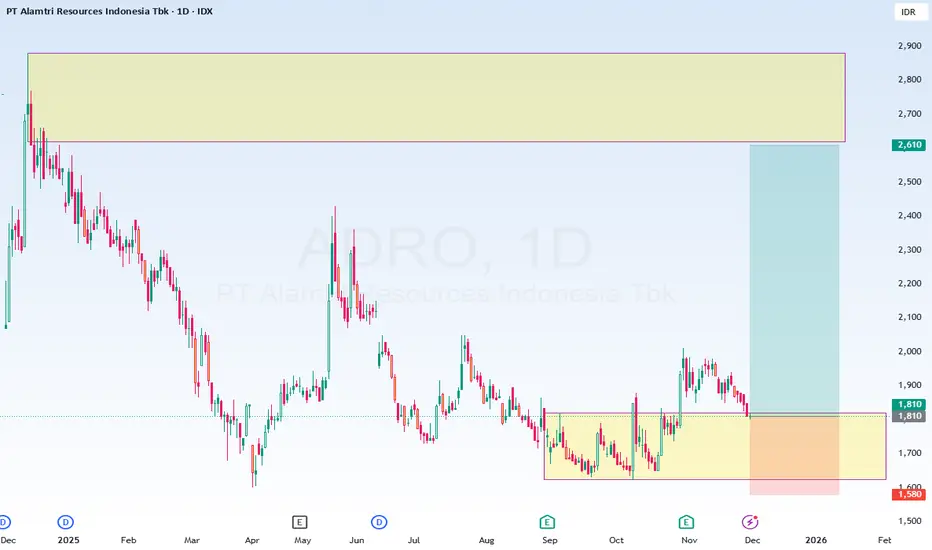
ADRO Trade Setup – Bullish BiasADRO is showing early bullish signs, including a structural break (CoC) on the Daily Timeframe, a retracement into supply, and support from a daily base zone. The planned entry at 1810 offers a favorable risk–reward profile, with stops safely below structure and targets aligned just under the next supply zone. Technical Context 1. Change of Character (CoC) → On the daily timeframe, price broke the previous high at 1880, signaling a potential shift in market structure toward bullish momentum. 2. Retracement to Supply Zone → Price has pulled back into the September monthly supply zone, offering a possible area of reaction. 3. Previous Base Zone (Daily) → Current price action is also sitting on a daily base zone, reinforcing confluence for a potential bullish continuation. Trade Plan Entry 1810 Stop Loss 1580 Target 2600 Risk (pts) 230 Reward (pts) 790 R:R Ratio 3.4xLongby Phoenix-Rise-Trade3
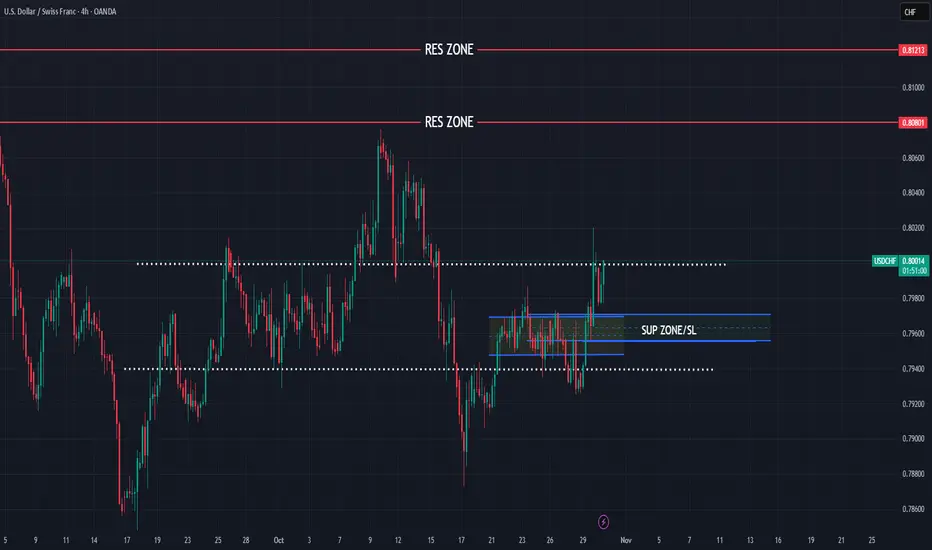
USDCHF strong bullish expectations OANDA:USDCHF price moving in RECTANGLE, its break zone after yesterday's FOMC, currently how looks we will have CHF weaker for next period. SUP zone: 0.79700 RES zone: 0.80800, 0.81200Longby DepaTradingUpdated 2
#BankNifty 10th October Friday - #CatchAndRead Bank nifty 10th October Friday - zigzag untadaa - #CatchAndRead Follow my Yt channel... Link in dpby Catch_and_Read_trading_telugu2
Banknifty 9th October buy sell zonesBank nifty 9th October buy sell zones Follow my yt channelShortby Catch_and_Read_trading_telugu2
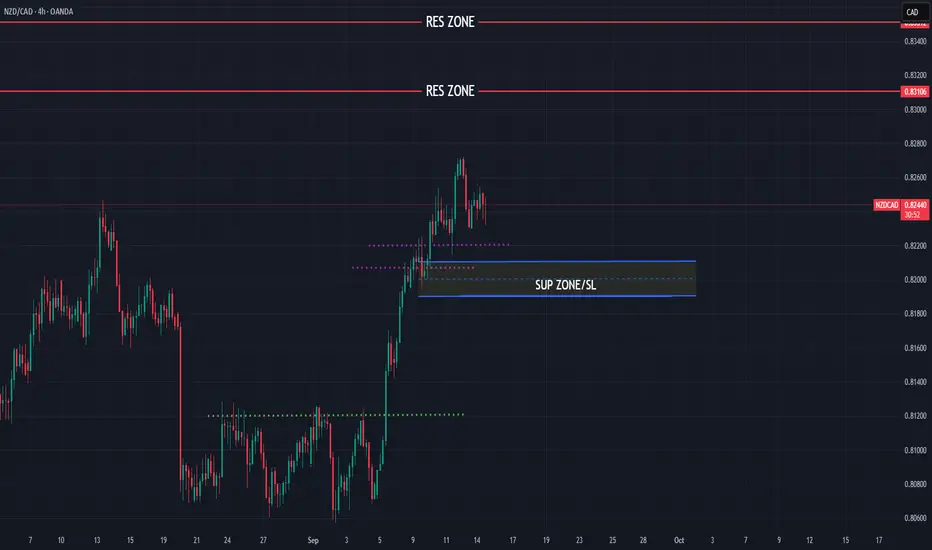
NZDCAD still bullish view OANDA:NZDCAD we are have strong bullish push, currently price in consolidation zone, still here for next periods we can expect bullish. SUP zone: 0.82100 RES zone: 0.83100, 0.83500Longby DepaTrading0
EURGBP after ECB bearish push expecting OANDA:EURGBP price break zone, its make few bounces on sup zone (0.86550) which taking for legit, after todays ECB here expecting short bearish push. SUP zone: 0.86550 RES zone: 0.86200, 0.86050Shortby DepaTrading2
GBPJPY still bullish expectations OANDA:GBPJPY price is make bullish push, then we are have BULLISH FLAG created, in this week price is making zig-zag moves in zone, today its make break, which taking for bullish confirmation. SUP zone: 199.400 RES zone: 200.600, 201.400Longby DepaTrading3
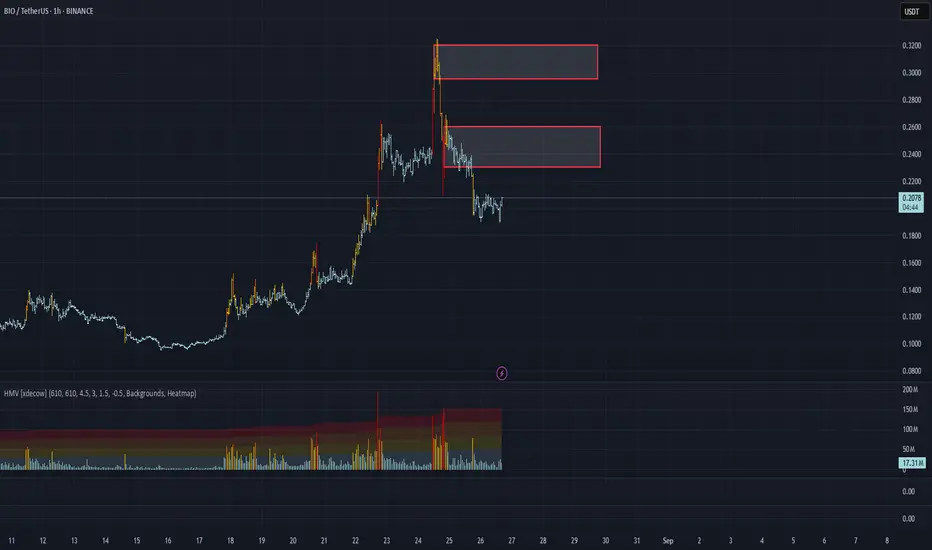
BIO/USDT Analysis. Short Setup This asset has shown a trend break. Above the current price, there are volume zones that have already received positioning. If one of them is tested and we see a reaction, we consider short entries. Target potential — ~$0.17. Sell Zones: $0.23–$0.26 $0.295–$0.32 *This post is not financial recommendation. Make decisions based on your own experience. Shortby Crypto_robotics111
USDCHF still bullish expectations OANDA:USDCHF bullish push we are have, price is make short revers till zone, currently its on sup zone, from which expecting new bullish push. SUP zone: 0.80400 RES zone: 0.82000, 0.82500Longby DepaTradingUpdated 1