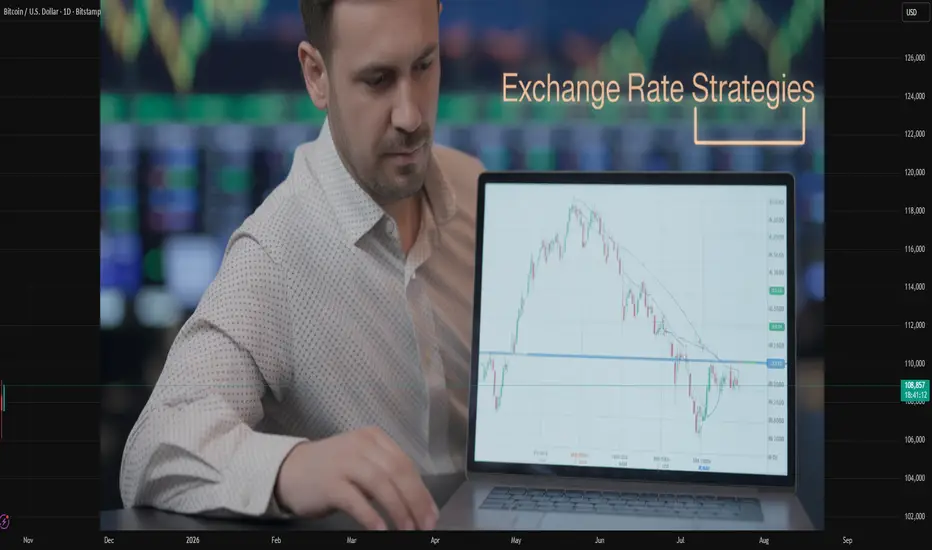
Exchange Rate Strategies in the Global Trading MarketIntroduction
Exchange rates—the prices of one country’s currency in terms of another—are at the heart of the global trading system. They play a decisive role in determining international competitiveness, investment flows, and macroeconomic stability. As globalization intensifies, managing exchange rates effectively has become a strategic priority for governments, central banks, and multinational corporations. The strategies adopted to manage exchange rates are known as exchange rate strategies or exchange rate regimes. These strategies influence trade balances, inflation, foreign investment, and the overall growth trajectory of nations. Understanding how these strategies operate and interact within the global trading market is essential to grasping modern international economics.
1. Understanding Exchange Rates
An exchange rate is the value of one currency relative to another. For example, if 1 U.S. dollar equals 83 Indian rupees, the exchange rate is 1 USD = ₹83. Exchange rates fluctuate constantly due to various factors such as interest rates, inflation, trade balances, capital flows, and market speculation.
There are two primary types of exchange rates:
Nominal Exchange Rate – the rate at which one currency can be exchanged for another.
Real Exchange Rate – adjusted for inflation differences between countries, reflecting the true purchasing power of currencies.
Exchange rates affect all major areas of the global economy—from trade and tourism to investment and government policy. Hence, countries design exchange rate strategies to align currency values with economic goals.
2. Types of Exchange Rate Strategies
Exchange rate strategies can broadly be divided into three major regimes: fixed, floating, and hybrid (managed float) systems. Each comes with its own advantages, challenges, and implications for the global market.
A. Fixed Exchange Rate Strategy
A fixed exchange rate system—also called a pegged system—is one in which a country’s currency value is tied to another major currency (such as the U.S. dollar or euro) or to a basket of currencies. Under this strategy, the central bank commits to maintaining the exchange rate at a predetermined level.
Examples:
The Saudi Arabian riyal is pegged to the U.S. dollar.
The Hong Kong dollar has been pegged to the U.S. dollar since 1983.
Advantages:
Promotes stability and predictability in international trade.
Reduces exchange rate risk for exporters and importers.
Helps control inflation by linking the domestic currency to a stable foreign currency.
Disadvantages:
Limits a country’s monetary policy independence.
May lead to currency overvaluation or undervaluation, distorting trade balances.
Requires large foreign exchange reserves to maintain the peg.
A fixed exchange rate is often adopted by countries seeking to build investor confidence or stabilize a volatile economy.
B. Floating Exchange Rate Strategy
In a floating exchange rate system, the value of the currency is determined entirely by market forces—supply and demand in the foreign exchange (forex) market. Governments and central banks may intervene occasionally, but they do not set a specific target rate.
Examples:
The U.S. dollar, euro, British pound, and Japanese yen are floating currencies.
Advantages:
Provides monetary policy flexibility; central banks can adjust interest rates freely.
Automatically adjusts to economic shocks and trade imbalances.
Reduces the need for massive foreign reserves.
Disadvantages:
Creates volatility and uncertainty in exchange rates.
May lead to short-term speculation and rapid currency movements.
Can increase risks for exporters and importers.
Floating exchange rates are best suited for large, diversified, and financially mature economies that can absorb currency fluctuations.
C. Managed Float or Hybrid Exchange Rate Strategy
Most countries today follow a managed float or hybrid strategy, combining elements of both fixed and floating systems. Here, the exchange rate is primarily determined by the market, but the central bank intervenes occasionally to stabilize the currency or guide it toward a preferred level.
Examples:
India follows a managed float system where the Reserve Bank of India (RBI) intervenes to curb excessive volatility.
China manages the yuan’s value within a controlled band around a reference rate.
Advantages:
Offers a balance between stability and flexibility.
Enables selective intervention during volatility.
Protects against speculative attacks.
Disadvantages:
May lead to uncertainty if market participants do not understand the central bank’s policies.
Requires effective management and transparent communication to build credibility.
3. Determinants of Exchange Rate Movements
Exchange rates are influenced by a combination of economic fundamentals and market psychology. The major determinants include:
Interest Rate Differentials – Higher interest rates attract foreign capital, strengthening the currency.
Inflation Rates – Low inflation boosts currency value; high inflation weakens it.
Trade Balances – Countries with trade surpluses usually have stronger currencies.
Political Stability – Stable governments attract foreign investment, enhancing currency strength.
Market Expectations – Traders’ perceptions about future policies and performance drive short-term fluctuations.
Speculation and Capital Flows – Large capital inflows or outflows can cause sharp currency movements.
Understanding these determinants helps policymakers and businesses craft appropriate exchange rate strategies.
4. Role of Central Banks and Monetary Authorities
Central banks are the key architects and executors of exchange rate strategies. Their responsibilities include:
Intervention in Forex Markets: Buying or selling foreign currency to influence the domestic currency’s value.
Setting Interest Rates: Adjusting rates to attract or repel foreign investment.
Maintaining Foreign Reserves: Ensuring adequate reserves for interventions.
Communicating Policy Stance: Providing guidance to stabilize market expectations.
For instance, the U.S. Federal Reserve, European Central Bank (ECB), and Bank of Japan manage their exchange rate impacts indirectly through monetary policy, while emerging markets like India or Brazil often intervene directly.
5. Exchange Rate Strategies and Global Trade
Exchange rate policies profoundly affect global trade patterns:
Export Competitiveness: A weaker currency makes exports cheaper and more competitive, stimulating demand.
Import Costs: A stronger currency reduces import prices, benefiting consumers and lowering inflation.
Trade Balances: Persistent misalignments can lead to deficits or surpluses.
Foreign Investment: Stable and predictable exchange rate systems attract long-term foreign direct investment (FDI).
For example, China’s managed currency policy during its early growth phase kept exports competitively priced, driving its manufacturing boom. Conversely, countries with overvalued currencies often experience declining exports and rising imports, widening trade deficits.
6. Exchange Rate Strategies and Economic Stability
The exchange rate regime influences not just trade, but also economic stability:
Fixed regimes provide stability but may collapse under speculative pressure if reserves are inadequate.
Floating regimes absorb shocks automatically but can amplify volatility.
Hybrid regimes offer flexibility but require strong institutional capacity to manage interventions.
During the Asian Financial Crisis (1997), several economies with semi-fixed systems (like Thailand and Indonesia) faced collapse after speculative attacks, illustrating the risks of maintaining unsustainable pegs. Conversely, countries with flexible systems (like Australia) weathered the crisis better.
7. Exchange Rate Strategies and Global Capital Flows
Global investors constantly evaluate currency risks when making cross-border investments. Exchange rate strategies therefore influence capital flows:
Fixed systems often attract short-term speculative flows, seeking stability.
Floating systems attract long-term investments, offering transparency.
Managed systems strike a balance but must maintain credibility to prevent capital flight.
For instance, when the U.S. Federal Reserve raises interest rates, capital flows out of emerging markets, causing currency depreciation and policy challenges. Managing such spillovers requires coherent exchange rate and monetary coordination.
8. Exchange Rate Strategies and International Cooperation
In today’s interconnected world, exchange rate strategies are not purely domestic choices. They affect trading partners and global markets, necessitating international cooperation through institutions like the International Monetary Fund (IMF), World Bank, and World Trade Organization (WTO).
The IMF monitors global currency movements, advises on sustainable policies, and provides financial assistance during crises. The G20 also coordinates policies to prevent “currency wars,” where nations competitively devalue currencies to boost exports.
9. Challenges in Modern Exchange Rate Management
Despite technological advances and policy coordination, several challenges persist:
Globalization of Finance: Rapid capital flows make exchange rates volatile.
Speculative Attacks: Investors can quickly move billions, pressuring currencies.
Geopolitical Uncertainty: Wars, sanctions, and political events cause abrupt shifts.
Digital Currencies: The rise of cryptocurrencies and central bank digital currencies (CBDCs) complicates traditional currency management.
Balancing Growth and Stability: Policymakers often face trade-offs between stimulating growth and maintaining currency stability.
10. Future of Exchange Rate Strategies
The future of exchange rate management will be shaped by technological, geopolitical, and environmental changes:
Digital Transformation: Blockchain-based payment systems and CBDCs may reduce dependency on the U.S. dollar and alter traditional exchange mechanisms.
Regional Currency Integration: Efforts like the Eurozone or proposed Asian Currency Unit may promote regional stability.
Sustainable Finance: As economies transition to green energy, exchange rate policies will adapt to new trade dynamics.
Data-Driven Policy: Artificial intelligence and real-time analytics will enhance central banks’ ability to predict and manage currency movements.
Overall, the future points toward greater flexibility, digital integration, and international cooperation.
Conclusion
Exchange rate strategies form the backbone of the global trading market. Whether fixed, floating, or managed, these strategies determine how nations engage in trade, manage capital flows, and maintain economic stability. Each approach carries distinct trade-offs—between stability and flexibility, autonomy and discipline. In a world increasingly connected by finance and technology, the effectiveness of an exchange rate strategy depends not merely on policy design but on institutional credibility, international coordination, and adaptive management. As global trade evolves, so too must the strategies that govern the value of money itself—ensuring that currencies continue to facilitate, rather than hinder, the smooth functioning of the global economy.
Exchangetrading
How Global Trade Balances Shape Exchange RatesIntroduction
In the intricate world of international finance, exchange rates act as the pulse of global trade and economic stability. They influence everything from a nation’s export competitiveness to the purchasing power of consumers and the flow of international investments. While many factors affect currency values—such as interest rates, inflation, and government policies—global trade balances remain one of the most powerful and enduring determinants of exchange rate movements. The balance between a country’s exports and imports, known as the current account balance, directly reflects the demand and supply for its currency in the global marketplace.
Understanding how trade balances shape exchange rates requires examining the interconnected mechanisms of trade flows, currency demand, investor sentiment, and macroeconomic fundamentals. This discussion will explore these dynamics in depth, analyzing the theoretical foundations, real-world examples, and long-term implications for nations and markets.
The Concept of Global Trade Balances
A trade balance represents the difference between a country’s exports and imports of goods and services over a specific period.
Trade surplus occurs when a country exports more than it imports, indicating that foreign buyers are purchasing more domestic goods and services, thus creating a net inflow of foreign currency.
Trade deficit occurs when imports exceed exports, leading to an outflow of domestic currency to pay for foreign goods and services.
This balance is a key component of the current account, which also includes net income from abroad and unilateral transfers (like remittances or foreign aid). Persistent surpluses or deficits signal structural economic patterns that can significantly influence a nation’s currency value.
The Link Between Trade Balances and Exchange Rates
The relationship between trade balances and exchange rates is primarily governed by the demand and supply for currencies.
When a country exports goods, foreign buyers must pay in the exporter’s currency. For example, when U.S. companies sell products abroad, international buyers must acquire U.S. dollars, increasing demand for the dollar.
Conversely, when a country imports goods, it must sell its own currency to buy foreign currency, increasing supply and potentially weakening its exchange rate.
Thus, a trade surplus typically strengthens a nation’s currency, while a trade deficit tends to weaken it. However, this relationship is influenced by numerous short-term and long-term factors, including monetary policy, capital flows, and investor confidence.
Theoretical Foundations
1. The Balance of Payments Model
This model integrates trade balances within the broader context of international financial transactions. The balance of payments (BoP) consists of two major accounts:
Current account: Tracks trade in goods and services, income, and transfers.
Capital and financial account: Records investment flows, such as foreign direct investment (FDI) and portfolio investments.
When a country runs a current account deficit, it must finance it through capital inflows—borrowing from abroad or attracting foreign investments. To do so, it must make its assets attractive, often by offering higher interest rates or a weaker currency. Conversely, a current account surplus allows a nation to invest abroad, strengthening its currency.
2. Purchasing Power Parity (PPP)
The PPP theory states that in the long run, exchange rates should adjust so that identical goods cost the same across countries. If one country has persistent trade surpluses, its currency may appreciate until its goods become more expensive, reducing export competitiveness and restoring equilibrium. Similarly, a deficit nation’s currency may depreciate, making its exports cheaper and correcting the imbalance.
3. Elasticities Approach and the J-Curve Effect
The elasticities approach explains that the effect of a currency depreciation on the trade balance depends on the price elasticity of exports and imports. Initially, a depreciation may worsen the trade balance—known as the J-Curve effect—because import prices rise faster than export volumes adjust. Over time, as exports become more competitive and import demand falls, the trade balance improves, strengthening the currency.
How Trade Surpluses Influence Exchange Rates
A trade surplus reflects a situation where a country exports more than it imports. This surplus leads to an inflow of foreign currency, which increases demand for the domestic currency in foreign exchange markets.
Key Effects:
Currency Appreciation: Foreign buyers purchase domestic currency to pay for exports, pushing up its value.
Stronger Economic Position: A trade surplus often reflects industrial competitiveness, high productivity, and robust demand for domestic goods.
Capital Outflows: Surplus nations often invest abroad to balance their BoP, which can stabilize appreciation pressures.
Example:
China and Germany are classic examples of surplus economies. China’s sustained trade surpluses over the past two decades supported steady demand for the yuan. However, to avoid excessive appreciation that could hurt exports, the Chinese central bank has often intervened to stabilize the currency. Similarly, Germany’s strong export-driven economy supports a robust euro, even amid economic divergence within the Eurozone.
How Trade Deficits Influence Exchange Rates
A trade deficit indicates that a country imports more than it exports, creating downward pressure on its currency.
Key Effects:
Currency Depreciation: The country sells more of its currency to purchase foreign goods, increasing supply in global markets and lowering its value.
Rising External Debt: Persistent deficits may force countries to borrow from abroad or attract foreign capital to finance their imbalance.
Vulnerability to Investor Sentiment: A large deficit can trigger fears about sustainability, leading to currency depreciation or capital flight.
Example:
The United States provides an interesting case. Despite chronic trade deficits, the U.S. dollar remains strong because of its global reserve currency status and deep financial markets. This anomaly shows that while trade balances are a major driver, other structural factors can offset the expected impact on exchange rates. In contrast, countries like Turkey or Argentina, which run high deficits without strong investor confidence, often experience rapid currency depreciation.
Capital Flows and the Balancing Mechanism
In the modern globalized economy, capital flows play an increasingly critical role in balancing trade imbalances.
A deficit nation can offset its trade imbalance through foreign investment inflows, such as FDI or portfolio investments. These inflows create demand for the local currency, temporarily supporting its value. Similarly, a surplus country may see capital outflows as it invests abroad, preventing excessive appreciation.
For instance:
The United States runs large current account deficits but attracts massive capital inflows from foreign investors who buy U.S. Treasury bonds, equities, and real estate.
Japan, with consistent trade surpluses, invests heavily in foreign assets, which partially offsets upward pressure on the yen.
Thus, the relationship between trade balances and exchange rates must always be analyzed alongside capital and financial account movements.
The Role of Central Banks and Government Policies
Governments and central banks frequently intervene to manage exchange rates, particularly when trade imbalances threaten economic stability.
Foreign Exchange Intervention:
Central banks may buy or sell their own currency in foreign exchange markets to influence its value. For example, the People’s Bank of China has often intervened to prevent excessive yuan appreciation to protect export competitiveness.
Monetary Policy Adjustments:
Changes in interest rates can attract or repel foreign capital, indirectly affecting exchange rates. A country facing a large trade deficit might raise interest rates to support its currency or encourage investment inflows.
Fiscal and Trade Policies:
Governments can also address trade imbalances through tariffs, subsidies, or import restrictions, which alter demand for foreign and domestic goods and indirectly impact currency demand.
Case Studies
1. The U.S. Dollar and the Twin Deficits
The United States has historically run both fiscal deficits (budget shortfalls) and trade deficits, known collectively as the “twin deficits.” Conventional theory suggests this should weaken the dollar, yet global demand for dollar-denominated assets keeps it strong. The dollar’s role as the world’s reserve currency and the depth of U.S. capital markets allow it to defy typical trade-driven depreciation pressures.
2. Japan’s Yen and Export Strength
Japan’s economy relies heavily on exports, creating consistent trade surpluses. As a result, the yen often appreciates in times of global uncertainty, as investors view it as a safe-haven currency backed by strong fundamentals and external surpluses.
3. Emerging Markets and Deficit Pressures
Countries like India, Brazil, and Turkey often face currency depreciation during periods of high trade deficits and rising oil import bills. When deficits widen, investor confidence can weaken, leading to capital outflows and downward pressure on their currencies.
The Global Perspective: Interconnected Currencies
In a highly interconnected world, one nation’s trade balance affects others. For example, if the U.S. dollar strengthens, emerging market currencies often weaken, making their exports more competitive but raising the cost of dollar-denominated debt. Similarly, the euro-dollar or yuan-dollar dynamics influence global trade flows, commodity prices, and financial stability.
Moreover, global supply chains blur traditional trade balance calculations. Many countries import raw materials, assemble goods, and re-export them, making it harder to measure true trade imbalances. This complexity requires policymakers to consider value-added trade measures rather than gross exports and imports.
Long-Term Implications
In the long run, persistent trade imbalances can have structural impacts:
Currency Realignment: Over time, exchange rates tend to adjust toward equilibrium levels that correct persistent imbalances.
Competitiveness Shifts: Currency appreciation can erode export competitiveness, while depreciation can stimulate domestic industries.
Global Economic Rebalancing: Trade imbalances contribute to global financial cycles—surplus nations accumulate reserves, while deficit nations accumulate debt, leading to periodic adjustments through market corrections or policy interventions.
Conclusion
The intricate relationship between global trade balances and exchange rates lies at the heart of international economics. Trade surpluses and deficits shape currency demand, influence investor flows, and determine the relative strength of national economies. While the fundamental rule holds that trade surpluses strengthen currencies and deficits weaken them, the modern world introduces layers of complexity—ranging from capital flows and central bank policies to geopolitical factors and global supply chains.
Ultimately, exchange rates serve as a reflection of a country’s overall economic health, competitiveness, and integration with the world economy. Understanding how trade balances shape currency movements not only helps policymakers design sound economic strategies but also allows investors and traders to navigate the global financial landscape with greater insight and precision.
BTC Exchange Trading Idea 22-03-20Still within a wedge. I drew it from a longer term place to see if this really works for BTC. Point A is from the longer term, and Point B is from the shorter term. Interestingly the points in time are nearly the same but the prices are different. Sadly, the higher high we had a few days ago does not seem to be holding so I expect price to drop again near the bottom of the wedge.
ADA Exchange Trading Idea 22-03-20Made it down to the 88.3% but then got a bounce with everyone else thanks to BTC moving above 40k. Just back to the top of this buyer's zone so not a strong move yet. May make it up to the 50 EMA but probably not further than that before either more consolidation or a drop back down to the 21 EMA
SOL Exchange Trading Idea 22-03-13SOL has passed well below the 88.6% level and it looks like price broke the low that we haven't seen since August of last year. This is such a great price for SOL even though the NFT owners may not think so. I'm looking for a pause around $70. You can see the current price is at the closest resistance area at $78.72 in August of last year.
BTC Exchange Trading Idea 22-03-13BTC is wedging right now. The moves up have been stronger than the moves down too. Seems like the tigger spring is getting loaded up. However, there is no technical reason to believe price is ready to move up. The Stochastic is actually still coming down and has not reached the oversold area.
SOL Exchange Trading Idea 22-02-27This FIB is the uptrend fib retracement. Last week's chart had the downtrend fib retracement. SOL is nearing the 100% retracement. It broke and re-tested the bottom of the 88.6% zone. Depending on what Russia does this week, we may see new long-term lows for all cryptos including SOL.