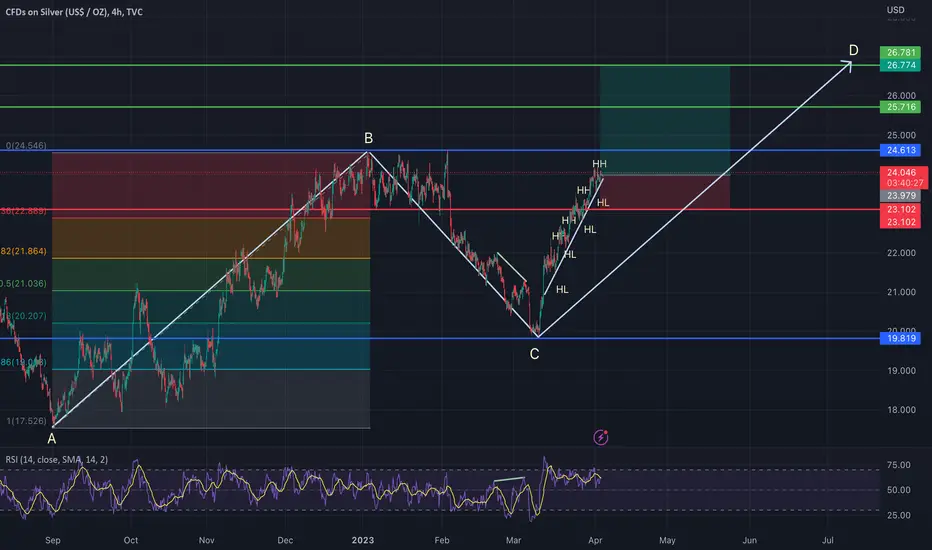
BTC the Bear Market Has Started 2026 Will Be a Bearish Year! Looking at Bitcoin’s long-term market structure, we can clearly see a repeating cyclical pattern that has stayed surprisingly consistent over the past decade.
🔁Historical Pattern
When analyzing previous cycles (2013, 2017, 2021), Bitcoin tends to follow a rhythm:
Bull market duration: ~1050–1070 days
Bear market duration: ~360–400 days
This timing has repeated with remarkable accuracy across all major market cycles.
📉What’s Happening Now
According to the cycle structure shown on the chart, the 2021–2025 bull market has reached its exhaustion point.
The current price action suggests that a new bear market phase has already begun, aligning perfectly with the historical 360–400-day correction window.
📉Technical Patterns Confirm Bearish Momentum
It’s not just the cycle timing:
Multiple technical analysis patterns shown on the chart also point to deeper downside.
Structure breakdowns
Lower highs formation
Momentum weakening
Failed attempts to reclaim trend resistance
These patterns collectively indicate a high probability of Bitcoin dropping below the $70,000 level in the coming months.
Everything looks bearish — both from a cyclical perspective and from pure technical analysis.
📅Key Projection
If the cycle continues to repeat:
➡️The next major bull market is likely to begin around October 2026.
Harmonic Patterns
KSE-100 Index - Cup & Handle FormationOn daily TF, KSE-100 index has made a Cup formation and likely handle formation is quite possible.
RSI and Stochastic indicators are suggesting that index is likely to continue its upward momentum; however, likely formation of Cup & handle cannot be over ruled.
Anyway, It looks as if by beginning of year 2026 bull run will be quite confirm which should last till May 2026 at least.
However, key value to confirm the bull run is closing of daily index above 172,000. Likely value for Index to test are 183000 and 197,000. Then three to five odd weeks of very sharp up trend till 220,000 to 224,000 zone will trigger the market sharp break down and eventually will cause Bear run spanning for at least 4 years.
What you guys think ?
ETH PERPETUAL TRADE SELL SETUP Short from $3200ETH PERPETUAL TRADE
SELL SETUP
Short from $3200
Currently $3200
Targeting $3153 or Down
(Trading plan IF ETH
go up to $3260 will add more shorts)
Follow the notes for updates
In the event of an early exit,
this analysis will be updated.
Its not a Financial advic
GBPUSD: bullish breakout🛠 Technical Analysis: On the 4-hour timeframe, GBPUSD has decisively broken out of a long-term descending channel, signaling a major trend reversal. The price has reclaimed the moving averages and is currently consolidating above the 1.3300 level, forming a bullish continuation structure. A successful breakout above the immediate resistance at 1.3350 confirms the bullish momentum, targeting the next liquidity zone around 1.3476.
———————————————
❗️ Trade Parameters (BUY)
———————————————
➡️ Entry Point: Buy on the confirmed breakout (approx. 1.3340 – 1.3350)
🎯 Take Profit: 1.3476 (key resistance)
🔴 Stop Loss: Below the recent consolidation and support zone (approx. 1.3249)
⚠️ Disclaimer: This is a potential trade idea based on current analysis; market conditions and price direction are subject to change based on news factors and volatility.
it is a time for BULL - 80% potential profit - 18.30 USDThe chart shows a clear attempt to reverse a prolonged downward trend, which previously pushed the price toward a strong support zone. In this area, a visible phase of accumulation has formed, suggesting that buyers are gradually taking control. The price has begun to build a sequence of higher lows and has broken above the nearby moving averages, which technically confirms the first signs of a potential trend reversal. At the same time, the RSI indicator has rebounded sharply from oversold levels and moved quickly into higher ranges, reflecting strengthening bullish momentum.
The current structure of the chart suggests that the market is attempting to establish a new upward trend. The rebuilding momentum supports the possibility of further price appreciation. Historical price action also confirms this potential: after breaking out of the current consolidation zone, the next significant resistance level aligns with a projected upward move of approximately 83% from current price levels. This target fits both the technical chart formation and the market logic following an extended period of sell-off.
In summary, the chart currently presents several technical factors favoring a bullish continuation: improving momentum, a breakout above moving averages, strong RSI recovery, and an accumulation pattern developing at a key support zone. If buyers maintain control and the price stays above the newly reclaimed support level, the scenario pointing toward an 83% upward move remains a technically reasonable possibility.
Potential TP: 18.30 USD
⚠️ Disclaimer
This analysis is not financial advice, not an investment recommendation, and should not be used as the sole basis for trading decisions. It is an educational interpretation of chart patterns and market structure. Always conduct your own research and consider consulting a licensed financial advisor before making investment decisions.
Gold :)Based on the price structure observed in the higher timeframes, the market is expected to enter a corrective phase in the short term. Signs of weakening buying pressure and the pattern formed around recent highs have increased the likelihood of a temporary decline. Therefore, it is anticipated that the price could drop toward the **4170** level. If the price stabilizes below this area, a continuation of the downward move toward lower support zones is also possible. However, if a strong bullish reaction is seen around 4170, it could indicate the end of the correction and the beginning of the next upward wave.
The Bullish Investment Thesis for Duolingo, Inc. (DUOL)Duolingo, Inc. (NASDAQ: DUOL), the globally recognized language-learning platform symbolized by its distinctive green owl, is currently presenting a compelling contrarian investment case. The stock, trading at $191.41 as of November 28th, has experienced a steep decline from its all-time high near $542. This precipitous drop is largely attributable to market anxieties surrounding potential competition from AI giants like OpenAI and Google, alongside misconceptions regarding Duolingo's own strategic adoption of artificial intelligence. A narrative has taken hold that these factors pose a fundamental threat to the company's growth trajectory. However, a closer examination reveals that this fear-driven sell-off appears disconnected from the company's robust and accelerating fundamental performance.
Strong Financial and Operational Momentum Defies the Negative Narrative
Beneath the surface of market pessimism, Duolingo's business engine continues to fire on all cylinders. The company's Q2 2025 financial results underscore this strength, with revenue surging 41% year-over-year to $252.3 million. More impressively, free cash flow—a critical measure of financial health and scalability—jumped 61% YoY to $86.3 million. This cash generation is fueled by a powerful subscription model, where revenue grew 46% YoY, reflecting not just user growth but deepening monetization of an exceptionally loyal user base. This loyalty is evidenced by a sprawling global community now exceeding 128 million Monthly Active Users (MAUs) and 50.5 million Daily Active Users (DAUs) as of Q3, with paid subscribers climbing 34%.
The Evolution of a Durable Competitive Moat
While Duolingo may lack a traditional, patent-protected moat, it has successfully cultivated formidable competitive advantages akin to those of category leaders like Spotify and Netflix. Its primary assets are unmatched global brand recognition and a superior, habit-forming user experience. The app’s gamified interface creates a high-frequency engagement loop that competitors struggle to replicate. This powerful combination acts as a significant barrier to entry and drives low user churn. Furthermore, Duolingo is strategically expanding this moat by transforming from a single-subject app into a comprehensive, multi-disciplinary learning ecosystem. Its forays into music, math, chess, and other educational verticals enhance its value proposition, increase platform stickiness, and open new revenue streams within its existing user base.
Strategic AI Integration: A Catalyst, Not a Threat
Contrary to the bear thesis, Duolingo’s embrace of AI is a potent tailwind, not an existential risk. The company leverages AI not to replace its core product but to accelerate and enhance it. AI tools drastically reduce the time and cost required for high-quality course creation and localization, enabling rapid content expansion into new languages and subjects. This allows Duolingo to scale its educational offerings with minimal operational friction and virtually no regulatory exposure, maintaining its asset-light, high-margin business model. AI is being deployed to personalize learning paths and improve pedagogical outcomes, thereby strengthening user engagement and satisfaction—the core of its long-term strategy.
Valuation Reset Creates a Rare Entry Point
The dramatic share price decline has led to a significant valuation recalibration. While still commanding a premium reflective of its growth profile, metrics have normalized from historically extreme levels. With a trailing Price-to-Earnings (P/E) ratio of 24.11 and a forward P/E of 47.17 (per Yahoo Finance), the stock trades at a fraction of its former multiples, which averaged a P/E of 157 over the preceding 18 months. The current Price-to-Sales ratio of approximately 8.9x also represents a meaningful contraction. This reset occurs against a backdrop of sustained ~40% historical revenue growth and management's forward guidance suggesting approximately 35% growth. This discrepancy implies the market is pricing in an overly pessimistic scenario, potentially creating a high-reward opportunity for investors with a longer time horizon.
A Prudent Shift in Strategy: Prioritizing Sustainable Long-Term Value
Recent market apprehension also stems from Duolingo's deliberate and communicated strategic pivot. Management is transitioning from a singular focus on maximizing user growth at all costs to optimizing for sustainable, long-term value creation. This involves reinvesting a portion of its substantial free cash flow—which boasts a robust margin of 34.8%—back into product innovation, AI tools, and global expansion. While this reinvestment may compress near-term FCF margins, it is a calculated move from a position of strength. The company's reliable subscription revenue and clean balance sheet afford it the luxury to make these investments. The goal is to build a broader, more durable monetization base and an unassailable user experience, which management believes will ultimately accelerate cash flow growth without reliance on aggressive price hikes or marketing spend.
Peer Comparison Highlights Duolingo's Superior Model
When contrasted with peers, Duolingo's advantages become even clearer:
Chegg (CHGG): Heavily reliant on cyclical academic demand and lacks Duolingo's daily engagement loop, making its revenue and FCF less predictable and more vulnerable to shifts in student behavior.
Coursera (COUR): While a leader in professional education, its model depends on more complex institutional partnerships and carries heavier content-creation costs, leading to a less consistent FCF trajectory.
Duolingo's model—scalable, consumer-focused, and engagement-driven—stands out for its potential to deliver more consistent and efficient free cash flow growth over time.
Conclusion: A Compounding Story Temporarily Misunderstood
In summary, Duolingo's stock decline appears to be a reaction to misplaced fears and a misinterpretation of strategic reinvestment. The company is not facing fundamental erosion; rather, it is executing a playbook to strengthen its foundation for the next decade. It possesses a powerful brand, a scalable and expanding platform, accelerating financials, and a management team steering toward enduring profitability. For patient, long-term investors, this price dislocation may represent a significant buying opportunity. The stock has identified technical support levels in the $160 and $120 zones, but the fundamental support—rooted in growing cash flows, a loyal global user base, and a vast market opportunity—is even more compelling. As CEO Luis von Ahn articulated, the ambition is to "teach billions of people." Investing in that vision at a historically low valuation multiple could offer substantial upside for those willing to adopt a contrarian stance.
GBPJPY 7-month Channel Up has topped. Sell Signal.The GBPJPY pair has been trading within a 7-month Channel Up since May 8 with its 1D MA100 (green trend-line) acting as its major Support thus the most optimal buy entry.
Today the price seems to be starting to reverse after two days of testing the pattern's top and the Diverging Higher Highs trend-line. With the 1D RSI having made a near Triple Top on the 70.00 Resistance, we expect the Channel Up to initiate its Bearish Leg now.
All previous Bearish Legs have hit at least their 0.618 Fibonacci retracement level, with the last two even making direct contact with the 1D MA100.
As a result, our short-term Target on this pair is 203.000 or book it earlier if the 1D RSI enters its Support Zone first.
---
** Please LIKE 👍, FOLLOW ✅, SHARE 🙌 and COMMENT ✍ if you enjoy this idea! Also share your ideas and charts in the comments section below! This is best way to keep it relevant, support us, keep the content here free and allow the idea to reach as many people as possible. **
---
💸💸💸💸💸💸
👇 👇 👇 👇 👇 👇
NZDUSD - Bears Brewing at a Critical Intersection!!!📉NZDUSD has been moving inside a clear bearish structure , with lower highs forming along the orange descending trendline.
⚔️Price is now approaching a major confluence area where the upper orange trendline meets the green resistance zone, a level that has repeatedly acted as a ceiling.
As price retests this intersection, we will be looking for trend-following short setups, expecting sellers to defend this area and potentially drive price back downward within the bearish cycle.
A strong breakout above the trendline would invalidate the short bias, but unless that happens, the bears remain in control.
Are you seeing the same reaction zone on your charts? Let me know 👇
⚠️ Disclaimer: This is not financial advice. Always do your own research and manage risk properly.
📚 Stick to your trading plan regarding entries, risk, and management.
Good luck! 🍀
All Strategies Are Good; If Managed Properly!
~Richard Nasr
Solana (SOL) Struggles at $125 as Downtrend PersistsSOL/USD continues to trade inside a medium-term descending channel, with the price repeatedly failing to break above 125.00 (Murray ). The pair has now shifted into a sideways consolidation between 143.00 and 125.00 (23.6% Fibonacci), and today SOL is again testing the lower boundary of this range amid cautious Fed projections, which suggest policymakers may deliver only one rate adjustment next year.
Despite brief attempts at a rebound, the broader structure remains bearish. A confirmed breakdown below 125.00 would reactivate downside momentum toward 100.00 (Murray ) and 75.00 (Murray ).
For buyers, the key resistance lies at 150.00–143.00 (Murray , 23.6% Fib). A breakout above this area would signal an escape from the descending channel and open the way toward 183.80, 200.00, and 225.00.
Technical indicators remain mixed:
• Bollinger Bands are flat, showing the market is compressing.
• MACD stays in negative territory.
• Stochastic is attempting to turn lower.
On the weekly timeframe, SOL/USD still shows signs of a forming double-top, reinforcing the bearish case toward 93.75 (Murray , W1).
⸻
Support and Resistance Levels
Resistance: 150.00 • 183.80 • 200.00 • 225.00
Support: 125.00 • 100.00 • 75.00
⸻
SOL/USD Trading Scenarios (Weekly)
Primary Scenario — SELL STOP
Entry: below 125.00
Take Profit: 100.00 • 75.00
Stop Loss: 142.90
Horizon: 5–7 days
⸻
Alternative Scenario — BUY STOP
Entry: above 150.00
Take Profit: 183.80 • 200.00 • 225.00
Stop Loss: 130.00
AAVE Eyes Bullish Reversal: Demand Zone Loading!BINANCE:AAVEUSDT is maintaining a strong bullish structure after a confirmed CHoCH followed by multiple Bullish BOS signals. Price is now pulling back into the $184.78–$181.24 demand zone, which is the key area to watch for a potential long opportunity.
If buyers defend this zone and we see a bullish reaction, upside targets remain $190 and $200.
A breakdown below $180 invalidates the setup and opens the door for deeper downside movement.
This demand zone will determine whether AAVE continues its bullish momentum or shifts into a deeper correction.
Stay patient and use proper risk management.
#AAVEUSDT #CryptoAnalysis #SmartMoneyConcepts #TradingView
Precise Strategy AnalysisThe daily chart shows the bullish trend remains intact, while the 4-hour chart maintains a range-bound pattern. Currently, the Bollinger Bands are narrowing within the 4170-4230 range, suggesting a potential range-bound trading strategy of buying low and selling high within this area. However, two points need attention: firstly, after Tuesday's rise, the support level may have moved up to around 4200, not necessarily reaching 4180; secondly, a strong break above the upper Bollinger Band at 4230 would open up further upside potential, with a target of 4260 or higher. Therefore, intraday trading should consider placing long orders in the 4190-4180 range, while short positions can be initiated with small positions at the 4230 resistance level. The focus is on the Fed's decision at midnight, with the market widely expecting interest rates to remain unchanged. Attention should be paid to Powell's tone. If his comments are dovish, it could trigger a sharp rise followed by a fall in gold prices; please exercise strict risk management.
Today's gold trading recommendations:
Short positions can be initiated around 4220-4215, with a stop loss at 4230 and a target of 4190.
Long positions can be initiated around 4190-4185, with a stop loss at 4170 and a target of 4210.
Global Trading Economics Risk1. Macroeconomic Risks in Global Trade
Macroeconomic risks arise from changes in global economic conditions. These are the most common risks that affect trade flows, demand, profits, and investment decisions.
a) Economic Slowdowns and Recessions
When major economies like the US, China, or the EU slow down, global trade demand drops sharply. Lower consumer spending reduces imports, companies cut production, and global supply chains weaken. Recessions also increase unemployment, reduce investment, and cause businesses to delay expansion.
b) Inflation Risk
High inflation increases production costs, reduces the purchasing power of consumers, and forces central banks to raise interest rates. When interest rates rise:
borrowing costs go up
companies reduce investment
currency values fluctuate
export and import dynamics shift
Countries with high inflation become less competitive in global markets.
c) Interest Rate Risk
Central banks around the world adjust interest rates to control inflation, stabilize the currency, or stimulate growth. Higher interest rates strengthen a country’s currency, making exports expensive and imports cheaper. Lower interest rates weaken the currency and stimulate exports. These fluctuations directly impact global trade volumes and profitability.
2. Currency Risk in Global Trade
Currency risk is one of the biggest challenges in international trade. Because transactions usually happen in global currencies like USD, EUR, or GBP, sudden changes in exchange rates can create huge gains or losses.
a) Exchange Rate Volatility
If a country's currency depreciates suddenly, its exports become cheaper globally, but its imports become costly. On the other hand, a strong currency makes exports expensive and reduces foreign demand.
b) Currency Wars
Sometimes countries intentionally devalue their currency to boost exports. This creates competitive tension between nations and increases uncertainty for international traders.
c) Hedging Challenges
Companies use forex instruments (like forward contracts, options, and swaps) to protect themselves from currency movements. But hedging itself carries costs and complexity.
3. Geopolitical and Political Risks
Political instability and geopolitical conflicts are major sources of global trading risk. Any disruption in political relations impacts trade policies, supply routes, and investor confidence.
a) Trade Wars
Trade wars happen when countries impose tariffs and sanctions on each other’s imports. The US-China trade war is a clear example, with tariffs creating uncertainty for businesses and raising costs for consumers.
b) Conflicts and Wars
Geopolitical conflicts disrupt supply chains, increase commodity prices (especially oil and gas), and restrict trade routes. For example:
Middle East conflicts disrupt crude oil supply.
Russia–Ukraine conflict affected global wheat, gas, and fertilizer markets.
c) Policy Changes
Government decisions such as new taxes, export restrictions, sanctions, or regulatory reforms can abruptly change trade conditions.
d) Political Instability
Countries with unstable governments experience disruptions in production, currency fluctuations, investment losses, and lower international trust.
4. Supply Chain and Logistics Risks
Global trade depends on efficient supply chains. Any disruption can cause shortages, delays, and increased costs.
a) Shipping Delays and Container Shortages
Events such as port congestion, strikes, and logistical bottlenecks lead to delivery delays and higher freight costs.
b) Natural Disasters
Earthquakes, floods, cyclones, and pandemics can shut down ports, factories, and production hubs, affecting global supply networks.
c) Supply Chain Dependencies
Many countries depend heavily on specific nations for essential goods like semiconductors, crude oil, food, and pharmaceuticals. Disruptions in these supply hubs can impact global trade stability.
d) Transportation Risk
Breakdowns in transportation networks—such as railway issues, air cargo restrictions, or shipping route closures—cause massive trade disruptions.
5. Regulatory and Compliance Risks
International trade is heavily regulated. Countries follow trade agreements, tariffs, environmental rules, and safety standards.
a) Tariff Risk
Changes in customs duties, import taxes, and trade barriers can alter the profitability of cross-border sales.
b) Trade Agreement Risk
Countries may withdraw from agreements (like Brexit), renegotiate tariffs, or impose new conditions.
c) Compliance Risk
Businesses must follow:
environmental standards
labor laws
product quality rules
customs documentation
Non-compliance leads to fines, shipment delays, or bans.
6. Technological Risks in Global Trading Economics
Technology plays a critical role in modern trade, but it also introduces new risks.
a) Cybersecurity Threats
Hackers target:
financial transactions
supply chain software
logistics systems
digital shipping documents
A cyberattack can halt operations and compromise sensitive data.
b) Automation and AI Risks
Automation increases efficiency but also creates job losses and inequality. Over-reliance on AI systems can escalate risks if they malfunction.
c) Digital Trade Barriers
Countries sometimes restrict data transfers or impose digital taxes, affecting companies operating globally.
7. Commodity Market Risks
Global trade heavily depends on commodities like crude oil, natural gas, metals, and agricultural produce.
a) Price Volatility
Commodity prices fluctuate due to demand-supply imbalances, geopolitical tensions, weather conditions, or speculation. High volatility affects production costs and profit margins.
b) Resource Dependency
Countries dependent on a single commodity face extreme risk when prices fall (e.g., oil-exporting nations during a crude price crash).
8. Environmental and Climate Risks
Climate change is becoming one of the most significant long-term global trading risks.
a) Extreme Weather
Storms, droughts, and floods disrupt trade, damage crops, and shut down industries.
b) Carbon Taxes and Emission Rules
Global environmental regulations are changing how companies operate. Carbon taxes increase costs for exporters, especially in energy-intensive industries.
c) Sustainability Pressure
Consumers and governments demand eco-friendly production. Companies that fail to adapt face loss of market access.
9. Global Financial Market Risks
Financial markets influence trade through stock market performance, liquidity conditions, and investor sentiment.
a) Credit Risk
Companies and governments rely on global financing. Liquidity crises or credit downgrades increase borrowing costs.
b) Banking Risk
Banking collapses or regulatory failures impact trade finance, currency markets, and investor confidence.
10. Risk Management in Global Trading Economics
Companies and investors use several strategies to manage global trading risks:
Hedging using futures, options, and swaps
Diversifying markets and suppliers
Setting up supply chain redundancies
Political risk insurance
Strong financial planning
Digital security systems
Scenario analysis and stress testing
Effective risk management ensures long-term stability and profitability in global trade.
Conclusion
Global trading economics risks are unavoidable in today’s interconnected world. They emerge from economic cycles, political tensions, currency movements, supply chain disruptions, commodity volatility, and environmental changes. For traders, investors, and businesses, understanding these risks and adopting effective risk-management strategies is crucial to surviving and succeeding in global markets.
Recessions and Recoveries in the Global Market1. What Is a Recession?
A recession is a significant decline in economic activity that lasts for months or even years. It is generally marked by:
Falling GDP
Rising unemployment
Decline in consumer spending
Drop in corporate profits
Turbulence in financial markets
Reduced industrial production
In the modern globalized world, recessions rarely stay confined within one country because trade, capital flows, and supply chains are all interconnected.
2. Causes of Global Recessions
Recessions can have many triggers, and sometimes a combination of several. The common causes include:
a) Financial Crises
Banking system failures or credit crunches reduce lending and investment.
Example: The 2008 Global Financial Crisis began with subprime mortgages in the U.S. and spread worldwide through global banking linkages.
b) High Inflation
When inflation rises too quickly, central banks raise interest rates to control it. Higher rates increase borrowing costs and slow down economic activity.
Example: Multiple central banks tightened monetary policy drastically in 2022–2023 due to inflation spikes.
c) Geopolitical Conflicts
War, economic sanctions, territorial tensions, and global political instability disrupt trade and energy markets.
Example: Russia–Ukraine war disrupted global oil, gas, and wheat supply.
d) Supply Chain Disruptions
Shortage of components (like semiconductors), transportation bottlenecks, or pandemics disrupt manufacturing.
Example: COVID-19 lockdowns that halted global production.
e) Asset Bubbles
Overvalued housing markets, stock markets, or crypto markets can crash, reducing wealth and investor confidence.
f) Sharp Changes in Commodity Prices
A sudden spike in oil or a crash in metal prices can hurt economies dependent on these resources.
Most global recessions occur when multiple regions slow down simultaneously, creating a domino effect through trade, finance, and currency markets.
3. How Global Recessions Spread Across Markets
In a highly connected global economy, economic distress can travel across borders through several channels:
a) Trade Linkages
When one major economy slows, it imports less. Export-dependent countries immediately feel the impact.
Example: China's slowdown affects Southeast Asia, Africa, Latin America, and Europe.
b) Financial Markets
Stock markets around the world react almost instantly to negative global news.
Banks reduce cross-border lending.
Foreign investors withdraw money from emerging markets, weakening their currencies.
c) Commodity Prices
Lower demand reduces oil, metals, and agricultural prices, hurting producer economies.
d) Currency Markets
During recessions, investors move towards “safe-haven” currencies like USD, JPY, or CHF.
This can weaken emerging market currencies and make imports costlier.
e) Investor Sentiment
Fear spreads faster than data.
When global confidence falls, everyone—from households to corporations—cuts spending.
This chain reaction makes global recessions deeper and more synchronized.
4. Impact of Recessions Across Sectors
Recessions do not hit all sectors equally. Some are highly sensitive, while others remain relatively stable.
Highly Affected:
Automobiles
Real estate
Consumer discretionary
Metals and mining
Banking and finance
IT services (due to lower corporate spending)
Less Affected or Often Resilient:
Consumer staples
Pharmaceuticals
Healthcare
Utilities
Gold and safe-haven commodities
This difference in sectoral impact is why investors rebalance portfolios during recessions.
5. The Recovery Phase — How Economies Bounce Back
A recovery is the period after a recession when economic activity begins improving. It can be slow, fast, or uneven depending on:
Government policies
Central bank interest rate cuts
Consumer confidence
Global geopolitical stability
Technological shifts
Commodity price movements
Key signs of recovery include:
Rising GDP numbers
Falling unemployment
Stabilizing stock markets
Improvement in industrial production
Increase in global trade
Business expansion and hiring
Recoveries are often driven by renewed optimism and government stimulus.
6. Types of Economic Recoveries
Economists classify recoveries based on the shape of the economic rebound:
a) V-Shaped Recovery
Fast decline followed by a strong and quick rebound.
Example: India’s post-COVID recovery in 2021.
b) U-Shaped Recovery
Economy stays at the bottom for some time before recovery begins.
c) W-Shaped Recovery
Double dip: recovery begins, fails, and restarts.
Often caused by uncertainty or premature policy tightening.
d) L-Shaped Recovery
The worst type — a steep fall followed by stagnation for a long time.
Example: Japan’s “Lost Decade.”
e) K-Shaped Recovery
Some sectors recover strongly, while others lag.
Seen in many countries after COVID-19.
Understanding these patterns helps investors anticipate market behavior.
7. Role of Governments and Central Banks
During recessions, policymakers play a critical role in stabilizing the economy.
a) Fiscal Policies
Governments may:
Reduce taxes
Increase spending on infrastructure
Provide subsidies
Offer unemployment benefits
Stimulate demand through relief packages
b) Monetary Policies
Central banks:
Cut interest rates
Inject liquidity
Purchase government bonds
Relax bank lending norms
These actions aim to reduce borrowing costs, encourage investment, and boost consumption.
8. Impact on Global Financial Markets
Recessions often lead to:
a) Stock Market Declines
Investors sell risky assets due to uncertainty.
Bear markets can last months or years.
b) Bond Market Rally
Government bonds become attractive because they are safer.
c) Currency Volatility
Safe-haven currencies appreciate, while emerging market currencies weaken.
d) Flight to Gold
Gold rises as investors look for security.
e) Drop in Corporate Earnings
Lower profits reduce equity valuations.
During recovery, the opposite happens — risk assets rise, commodity prices stabilize, and currencies normalize.
9. Lessons from Past Global Recessions
a) The world is more interconnected than ever.
A recession in one large economy spreads quickly.
b) Excessive debt creates fragility.
Corporate, household, and government debt levels determine how deep a recession becomes.
c) Innovation accelerates recoveries.
Technology, digitization, and new business models often drive post-recession growth.
d) Policy timing is crucial.
Early stimulus shortens recessions; delayed response deepens them.
10. Conclusion
Recessions and recoveries are natural parts of the global economic cycle. Although they bring uncertainty, disruptions, and market volatility, they also create opportunities for restructuring, innovation, and long-term growth.
In today’s interconnected world, understanding how recessions spread, how recoveries unfold, and how markets respond is essential for traders, investors, and businesses. Those who stay informed, diversify wisely, and adapt to economic shifts often emerge stronger when the next recovery begins.
Global Currency Strategies1. Hedging Strategies
Hedging is one of the most widely used global currency strategies. The purpose of hedging is to protect against adverse currency movements rather than generate profit.
a. Forward Contracts
A forward contract locks in an exchange rate today for a transaction that will take place later.
Example: An Indian importer due to pay USD in 3 months may lock the rate today to avoid future appreciation of USD.
b. Futures Contracts
Similar to forwards but traded on exchanges, making them standardized and more liquid.
c. Options Strategies
Currency options give traders the right (not obligation) to buy/sell a currency at a specific price.
Common strategies: Long Call, Long Put, Straddle, Strangle.
d. Natural Hedging
Businesses offset currency exposure by matching revenue and expenses in the same currency.
Why hedging matters:
It protects corporate profits, prevents losses during volatile periods, and ensures financial stability for global businesses.
2. Carry Trade Strategy
Carry trade is one of the most popular global currency strategies among professional traders.
It involves:
Borrowing in a low-interest rate currency → Investing in a high-interest rate currency.
How it works
Low-yield currency: JPY, CHF
High-yield currency: USD, AUD, INR, MXN (depending on economic cycles)
Example
Borrow Japanese Yen at 0.1% interest → Invest in an AUD bond yielding 3%.
Traders profit from the interest rate differential plus potential currency appreciation.
Risks
Carry trades unwind rapidly during global uncertainty because traders rush toward safe-haven currencies like USD and JPY, causing volatility.
3. Currency Arbitrage Strategies
Arbitrage involves exploiting price discrepancies across markets. Though opportunities are rare and short-lived, algorithmic traders and banks often use them.
a. Triangular Arbitrage
Uses three currency pairs to exploit price differences.
Example: USD/EUR, EUR/GBP, and USD/GBP mispricing.
b. Covered Interest Arbitrage
Traders lock in forward contracts to profit from interest rate deviations across currencies.
c. Statistical Arbitrage
Involves algorithms analyzing mean-reversion patterns.
Why arbitrage is important:
It helps maintain pricing efficiency and stability in global currency markets.
4. Fundamental Analysis Strategies
Fundamental currency strategies depend on macroeconomic and geopolitical factors affecting exchange rates.
Key Indicators Used
Interest rates (most powerful driver of FX)
Inflation levels
GDP growth
Employment data
Manufacturing PMI
Trade balance
Political stability
Central bank announcements
Strategies Based on Fundamentals
a. Interest Rate Differentials
Currencies with rising interest rates tend to appreciate because they attract foreign capital.
b. Inflation-Based Trading
Higher inflation typically weakens a currency because purchasing power declines.
c. Economic Divergence Strategies
Focus on differences between two economies.
Example: Strong U.S. growth vs. slow European growth may strengthen the USD against EUR.
d. Commodity-Linked Currency Strategies
Some currencies move with commodity prices:
CAD ↔ Crude Oil
AUD, NZD ↔ Gold, Iron Ore
NOK ↔ Oil
Traders exploit these relationships.
5. Technical Analysis Strategies
Technical analysis uses charting tools and price action patterns to predict currency movements.
Common Tools
Support & resistance zones
RSI, MACD, Stochastic Oscillator
Moving Averages (SMA, EMA)
Bollinger Bands
Fibonacci Retracement
Trendlines & channels
Chart patterns (Head & Shoulders, Flags, Wedges)
Technical-Based Strategies
a. Trend-Following
Traders identify long-term trends in currency pairs and follow the momentum.
Popular tools: 50-day and 200-day moving averages.
b. Range Trading
Many currency pairs consolidate in ranges for long periods.
Traders buy at support and sell at resistance.
c. Breakout Trading
When price breaks past a key level, it often triggers a directional move.
d. Algorithmic Technical Trading
Robots execute technical strategies automatically based on coded rules.
6. Safe-Haven Currency Strategies
Certain currencies are considered safe during crises:
USD (global reserve)
JPY (Japan’s stable economy & low yields)
CHF (Switzerland’s financial safety)
Strategy Approach
During global uncertainty—war, recession fears, geopolitical tension—traders shift their capital to safe-haven currencies.
Why It Works
Investors prioritize stability over return, causing demand for safe-haven currencies to rise.
7. Diversification Strategies
Diversification reduces risk by spreading exposure across multiple currencies, sectors, and regions.
Different Ways to Diversify
Holding a basket of currencies instead of one
Investing in multi-currency ETFs
Using managed futures
Building portfolios across emerging and developed markets
Why Diversification Matters
It protects traders from sudden shock events—economic downturns, political conflicts, and natural disasters.
8. Currency Correlation Strategies
Currencies are interlinked due to global trade and economic relationships.
Examples of Positive Correlations
EUR/USD and GBP/USD
AUD/USD and NZD/USD
USD/CAD moves inverse to Oil prices
How Traders Use Correlation
Identifying divergence opportunities
Hedging correlated currency pairs
Creating pair-trading strategies
9. Emerging Market Currency Strategies
Emerging markets like India, Brazil, Turkey, and South Africa offer high return potential but increased volatility.
Strategies
Investing in high-yield currencies (INR, BRL, MXN)
Using carry trade advantages
Trading volatility cycles
Avoiding periods of political risk or economic instability
10. Algorithmic and High-Frequency Strategies
Modern currency markets heavily rely on automation.
Types of Algo Strategies
Trend-following
Mean-reversion
Arbitrage
Market-making
Sentiment-based analysis using AI
Benefits
Speed, accuracy, and emotion-free trading
Ability to react instantly to global news
Conclusion
Global currency strategies are essential tools for navigating the world’s most liquid market. From hedging and carry trades to arbitrage, fundamentals, technicals, safe-haven flows, and algorithmic trading, each strategy serves a unique purpose. While hedging focuses on risk protection, carry trades aim for yield, and technical strategies find opportunities in price patterns. Understanding these concepts helps traders, investors, and businesses make informed decisions in an increasingly interconnected global economy.
Commodity Market Analysis1. Fundamental Analysis of Commodities
Fundamental analysis focuses on demand and supply. Unlike stocks, commodities have no earnings or balance sheets — they are influenced by production, consumption, and global events.
Below are key fundamental factors that move different commodities:
A. Energy Commodities (Crude Oil, Natural Gas)
Crude Oil
Crude oil prices depend mainly on:
OPEC+ decisions (production cuts or increases)
US crude inventory reports
Middle East geopolitical tensions
Global economic growth (energy consumption)
US Dollar Index (inverse relation)
Example:
If OPEC announces a production cut, supply decreases → crude oil prices rise.
Natural Gas
Natural gas is influenced by:
Weather conditions (winter increases heating demand)
Storage inventory levels
Gas production & LNG exports
High summer temperatures also increase electricity demand (air conditioners), boosting gas usage.
B. Precious Metals (Gold, Silver)
Gold is not just a commodity — it's a safe-haven asset.
Factors affecting gold:
Inflation data (higher inflation → higher gold)
Interest rate decisions (Federal Reserve)
Dollar Index (strong dollar → weak gold)
Global uncertainties (wars, recession fears)
Silver moves with:
Industrial demand (solar panels, electronics)
Gold correlation
Economic cycles
C. Base Metals (Copper, Aluminium, Zinc, Nickel)
Base metals depend heavily on global economic activity.
Key drivers:
China’s economic data (largest consumer of industrial metals)
Infrastructure spending worldwide
Manufacturing & construction demand
Mining output and strikes
Example:
If China announces a stimulus package → copper demand rises → copper prices increase.
D. Agricultural Commodities (Wheat, Soybean, Cotton, Sugar)
Agri-commodities depend on:
Weather (rainfall, drought, frost)
Government MSP policies
Crop cycles
Exports & imports
Example:
A weak monsoon in India → lower wheat production → wheat prices rise.
2. Technical Analysis in Commodity Markets
Technical analysis studies price action, chart patterns, volume, market structure, and indicators to identify trade setups.
Traders commonly use:
A. Candlestick Patterns
Bullish engulfing at support in gold
Shooting star in crude oil after a rally
Hammer in natural gas at bottom levels
Candlestick analysis helps identify market psychology.
B. Chart Patterns
Popular patterns in commodities:
Double tops (crude oil reversal)
Triangles (gold consolidation during FOMC weeks)
Channels (copper trending phases)
Head and Shoulders (major reversals)
Patterns show potential breakout and breakdown zones.
C. Indicators Used in Commodity Trading
Moving Averages (20, 50, 100, 200 MA)
Used to identify the trend direction.
RSI
Identifies overbought/oversold conditions.
MACD
Shows momentum shifts.
Bollinger Bands
Useful in gold and silver for breakout entries.
Volume Profile
Helps identify high-volume zones (strong support/resistance).
Since you like volume profile, this becomes important in crude & metals.
D. Market Structure Analysis
Study of:
Higher highs / higher lows
Supply and demand zones
Break of structure (BOS)
Liquidity zones
Commodities often respect clean market structure because institutions heavily participate.
Example:
Crude oil forms HH-HL structure above 50 EMA → bullish trend confirmed.
3. Sentiment & Intermarket Analysis
Commodity markets react strongly to sentiment and cross-asset relationships.
A. Dollar Index (DXY) Impact
Gold and silver move opposite to DXY
Crude also weakens when dollar strengthens
Reason: Commodities are priced in USD globally.
B. Bond Yields
High bond yields → gold falls
Low bond yields → gold rises
Gold is a zero-yielding asset, so yields compete with gold.
C. Risk-On vs Risk-Off Sentiment
Risk-off: War, recession fear → gold ↑
Risk-on: Economic growth → crude, copper ↑
Sentiment plays a huge role in short-term movements.
D. Inventory Reports
Weekly reports that move markets sharply:
EIA Crude Oil Inventory
API Inventory
Natural Gas Storage Report
Lower inventories → prices rise
Higher inventories → prices fall
4. How to Do Practical Commodity Market Analysis
Here’s a simple but powerful approach you can use daily:
Step 1: Check Global News & Macroeconomic Events
Look for:
Fed speeches
Inflation data
OPEC announcements
Weather updates
War-related headlines
These set the market bias.
Step 2: Identify Trend Using Technicals
Use:
50 & 200 EMA
Market structure
Volume profile zones
Mark supply-demand areas.
Step 3: Use Sentiment Indicators
Check:
Dollar Index
Bond yields
Equity market sentiment
VIX (volatility index)
These help you understand whether safe-haven commodities or industrial commodities will move.
Step 4: Wait for Price Action Confirmation
Look for:
Breakouts
Retests
Reversal candlestick patterns
Volume confirmation
This protects you from false moves.
Step 5: Apply Risk Management
Commodity markets are volatile.
Keep:
Proper stop-loss
Limited position sizing
Avoid over-trading during news events
5. Why Commodity Market Analysis Is Important
High Volatility = Good Opportunities
Commodities give wide movements, helpful for intraday and swing traders.
Hedge Against Inflation
Gold, silver, and crude move sharply during inflation cycles.
Global Market Connectivity
Commodity prices influence stock sectors like:
Oil & gas
Metals & mining
FMCG and agriculture
Useful for Investors and Traders Both
Whether you trade MCX, futures, or ETFs, analysis gives clarity.
6. Conclusion
Commodity market analysis is a powerful combination of fundamentals, technicals, sentiment and intermarket relationships. A successful commodity trader understands how global events, economic trends, weather patterns, and institutional activity influence price movements.
By studying:
Supply–demand fundamentals
Chart structure and volume profile
Dollar index and bond yields
Inventory reports and geopolitical news
…you can predict commodity market trends more accurately and make informed trading decisions.
BITCOIN This is the 4H Golden Cross that Bulls need at all costsBitcoin (BTCUSD) has been on a slow rebound following the 1W MA100 (red trend-line) test and is close to forming a 4H Golden Cross for the first time in more than 2 months.
However a similar rebound attempt in December 2021, at the start of the BTC's previous Bear Cycle, after also dropping by -39.50% from the top (against today's -36.20%), failed to form a 4H Golden Cross the 'last minute' and the market resumed the bearish trend towards a new Low, completing a -50.34% total decline.
So far the 1D RSI is similar to December 2021 but there is one key difference. Now Bitcoin has already tested its 1W MA100 (and rebounding) while on the previous Bear Cycle it only came close to it in February 2022. So will that favor and support the market for a little while and make that 4H Golden Cross or the 1D RSI and -36.20% identical drop fractal will push it lower? In the first case, the market will look for a 1D MA200 (black trend-line) test around $105k, which is what happened in March 2022, while in the second for a -47.30% total drop around $67000.
One thing is for sure, if Bulls want to see some relief for some time, they have to defend that 4H Golden Cross.
Which scenario do you think will prevail? Feel free to let us know in the comments section below!
---
** Please LIKE 👍, FOLLOW ✅, SHARE 🙌 and COMMENT ✍ if you enjoy this idea! Also share your ideas and charts in the comments section below! This is best way to keep it relevant, support us, keep the content here free and allow the idea to reach as many people as possible. **
---
💸💸💸💸💸💸
👇 👇 👇 👇 👇 👇
Global Market Strategies1. Global Macro Strategy
One of the most powerful and widely used strategies, especially by hedge funds, is Global Macro Trading.
This approach focuses on big-picture economic and geopolitical trends.
Key components include:
Interest rate cycles (Fed, ECB, BOE, BOJ decisions)
Inflation and CPI trends
GDP growth patterns
Currency strength/weakness
Commodity cycles (oil, gold, metals)
Geopolitical events (wars, sanctions, elections)
A macro trader might buy U.S. equities if the Federal Reserve cuts interest rates, short the Japanese Yen if BOJ maintains ultra-low rates, or buy gold during heightened geopolitical tension.
Why macro works globally:
Because global markets respond instantly to large events, macro traders aim to stay ahead of the curve by predicting economic outcomes.
2. Global Equity Long/Short Strategy
Equity Long/Short is popular among hedge funds and global investors. It involves:
Going long (buying) stocks expected to rise
Going short (selling) stocks expected to fall
Example:
A fund manager might:
Go long on the U.S. technology sector (Apple, Nvidia)
Go short on underperforming sectors (e.g., struggling retail companies)
Advantages:
Protects from market-wide crashes
Generates returns in both rising and falling markets
Helps balance risk via sector or regional hedging
Global investors often diversify across continents:
U.S. large-cap tech
European industrials
Emerging market banks
Asian semiconductors
This diversification smoothens volatility.
3. Global Asset Allocation Strategy
This long-term strategy distributes capital across countries and asset classes to balance risk and reward.
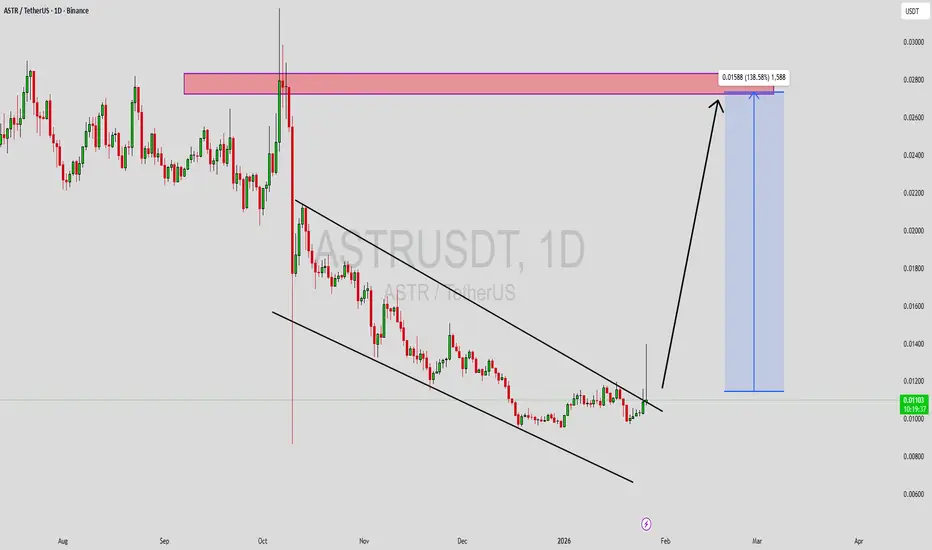
Typical allocation:
40% Global Equities
30% Bonds (US, EU, Japan)
15% Commodities
10% Real Estate (REITs)
5% Cash or short-term bills
Global diversification helps because:
U.S. markets may outperform during tech cycles
European markets may lead during industrial expansion
Emerging markets outperform during commodity supercycles
Asset allocation ensures the portfolio performs consistently in changing environments.
4. Currency (Forex) Trading Strategies
Currencies are influenced by global trade flows, central bank policy, geopolitical news, and economic data releases.
Popular global forex strategies include:
a) Carry Trade
Borrowing money in a low-interest-rate currency like the Japanese Yen (JPY) and investing in a high-interest-rate currency like the Indian Rupee (INR) or Mexican Peso (MXN).
b) Trend Following
Riding the direction of strong currency trends:
USD strengthening during rate hikes
EUR falling during recession fears
c) News Trading
Trading on major events like:
Non-Farm Payrolls (NFP)
Interest rate decisions
GDP releases
Forex trading is extremely liquid and operates 24x5, making it central to global strategies.
5. Commodity Trading Strategies
Commodities like crude oil, gold, natural gas, wheat, copper are driven by global demand-supply forces, weather patterns, and geopolitics.
Strategies include:
a) Seasonal Trading
Natural gas rises in winter
Agricultural commodities rise during crop shortages
b) Trend/Fundamental Strategy
Buying oil during Middle East tensions
Buying gold during inflation or recession fears
c) Spread Trading
Taking advantage of price differences between related commodities, such as crude oil vs. refined products (crack spread).
Commodities play a critical role in inflation hedging.
6. Global Arbitrage Strategies
Arbitrage strategies exploit price differences across markets, exchanges, or assets.
Types include:
a) Statistical Arbitrage
Using algorithms to find mispricing between correlated assets.
b) Triangular Forex Arbitrage
Exploiting tiny currency price discrepancies in three-way pairs like USD/EUR, EUR/GBP, GBP/USD.
c) Cross-border arbitrage
Example:
Buying a stock cheaper on the Tokyo Exchange and selling it at a higher price on the NYSE.
These strategies require:
High-speed execution
Strong quantitative models
Access to multiple exchanges
7. Emerging Market (EM) Strategies
Emerging economies like India, Brazil, China, Vietnam, and Indonesia offer high growth but high risk.
Strategies involve:
Investing in sectors with strong demographics (banking, tech, consumption)
Focusing on currency stability and inflation control
Tracking foreign institutional investor (FII) flows
Watching political stability and trade policies
EMs are attractive due to:
Rapid GDP growth
Expanding middle class
Strong manufacturing and digital markets
But they are vulnerable to:
Global rate hikes
Commodity price swings
Currency depreciation
Thus, EM strategies mix both growth and risk management.
8. Global Fixed-Income Strategy
Global bond investors focus on:
Interest rate cycles
Sovereign bond yields
Inflation expectations
Key strategies:
a) Yield Curve Trading
Predicting steepening or flattening of government bond yield curves.
b) Credit Spread Trading
Buying corporate bonds when spreads are wide and selling when they contract.
c) Currency-Hedged Bond Investing
Investing in foreign bonds while hedging currency risk.
Fixed-income strategies are essential for pension funds, sovereign wealth funds, and long-term global investors.
9. Quantitative Global Strategies
Quant traders rely on:
Algorithms
Mathematical models
Machine learning
Statistical analysis
Popular quant strategies:
High-Frequency Trading (HFT)
Algorithmic arbitrage
Momentum/trend algorithms
Mean reversion strategies
Multi-factor models (value, momentum, size, quality)
Quant strategies help remove emotional decision-making and operate at high speed across global markets.
10. ESG & Sustainable Investing Strategy
Global investors increasingly focus on:
Environmental sustainability
Social responsibility
Corporate governance (ESG)
Examples:
Investing in renewable energy companies
Avoiding tobacco or weapons manufacturers
Prioritizing firms with low carbon footprints
ESG strategies attract long-term institutional capital and are becoming mainstream globally.
Conclusion
Global market strategies are powerful tools for navigating the complex, interconnected world of international finance. Whether based on macroeconomics, equities, currencies, commodities, arbitrage, or quantitative methods, each strategy aims to balance risk and reward while taking advantage of global opportunities.
Successful global investors:
Understand cross-country correlations
Track central bank policies
Monitor global macro trends
Diversify across asset classes
Use risk management and hedging techniques
By combining these strategies, traders and investors can navigate global markets confidently and consistently.