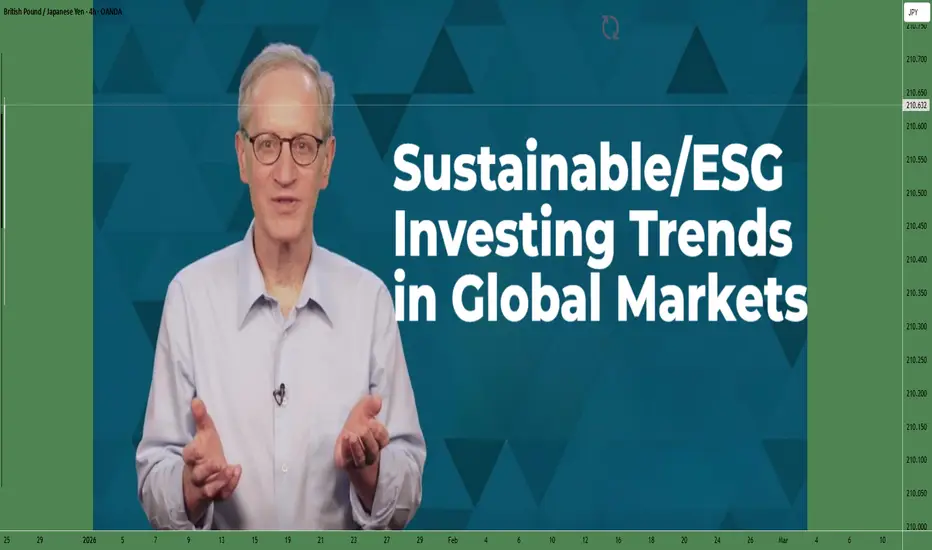
Sustainable/ESG Investing Trends in Global MarketsSustainable investing—often framed under the umbrella of Environmental, Social, and Governance (ESG) investing—has rapidly transitioned from a niche, ethical overlay on traditional finance to a central driver of capital allocation in global financial markets. As investors increasingly seek to balance financial returns with positive environmental and societal outcomes, ESG considerations profoundly shape investment strategies, corporate behaviors, and regulatory landscapes around the world. This discussion explores the latest trends defining sustainable/ESG investing globally, offering a comprehensive view of how capital markets are evolving to address climate change, social equity, governance challenges, and long-term resilience.
1. Expansion of ESG Assets and Investment Products
One of the most striking trends in recent years has been the substantial growth in ESG-linked assets under management. Sustainable funds, which incorporate ESG criteria in portfolio selection, have ballooned in number, with Europe historically leading market share and the United States and Asia following suit. These funds now span multiple asset classes—equities, bonds, fixed income, and alternative instruments—offering investors a wide range of choices for aligning capital with sustainability objectives.
Beyond traditional equity ESG funds, fixed-income instruments such as green bonds, social bonds, and sustainability-linked bonds (SLBs) have become mainstream. These products finance environmentally beneficial projects, social impact initiatives, and corporate sustainability performance targets tied to specific ESG outcomes. Issuance volumes for these instruments have surged globally, signaling strong demand from both institutional and retail investors.
2. Integration of ESG Criteria Across Investment Strategies
A powerful trend shaping the investment landscape is the integration of ESG factors into standard investment decision-making processes, not just as standalone products but as embedded elements of risk assessment, valuation frameworks, and portfolio construction. Asset managers increasingly use ESG data alongside traditional financial metrics, enabling more comprehensive evaluations of long-term risk and opportunity. This shift recognizes that environmental and social risks—such as carbon transition challenges, supply chain labor issues, and governance lapses—can materially impact financial performance.
AI and big data analytics are also enhancing ESG integration, facilitating real-time monitoring of sustainability metrics, better risk identification, and more robust reporting. Tools powered by machine learning help investors assess corporate performance across environmental benchmarks, social impact indicators, and governance practices with growing sophistication.
3. Regulatory and Policy Developments
Regulation remains a cornerstone of ESG investing trends. In Europe, frameworks like the Sustainable Finance Disclosure Regulation (SFDR) and the Corporate Sustainability Reporting Directive (CSRD) aim to standardize ESG disclosures, reduce greenwashing, and create comparability across companies and funds. This regulatory ecosystem incentivizes more transparent reporting and holds firms accountable for sustainable claims.
Other regions are also ramping up oversight: India’s capital markets regulator (SEBI) has introduced an ESG debt framework to regulate social, sustainability, and linked bonds and encourage credible disclosures. Meanwhile, regulatory pushback in parts of the United States has highlighted political contention around ESG labeling and mandates, illustrating how policy environments shape investor confidence and strategy adoption globally.
4. Focus on Climate and the Net-Zero Transition
Climate considerations remain at the heart of ESG investing. Many institutional investors have made commitments to net-zero emissions, channeling capital toward companies with credible climate transition plans and away from high-emission sectors lacking clear decarbonization pathways. This trend aligns with global climate targets like the Paris Agreement and reflects growing urgency to finance the energy transition.
Climate risk assessment has also matured; investors increasingly incorporate scenario analysis, carbon footprinting, and stress testing to gauge how climate change could impact asset values. Funding climate adaptation measures—such as resilient infrastructure, flood defenses, and ecosystem restoration—is becoming recognized not only as a sustainability priority but as a strategic investment opportunity, particularly in the face of rising physical climate risks.
5. Thematic and Impact Investing
Beyond broad ESG integration, thematic and impact investing has gained prominence. These strategies target specific environmental or social issues—like clean energy, affordable healthcare, equality, or biodiversity conservation—with the explicit objective of generating measurable positive outcomes alongside financial returns. Impact investing pushes beyond exclusionary screens (simply avoiding certain industries) toward proactive capital allocation to solutions that address global challenges.
This trend reflects growing investor demand for more direct alignment between investment portfolios and global sustainability goals, such as the United Nations Sustainable Development Goals (SDGs). Thematic funds often offer exposure to sectors like renewable energy, water infrastructure, and sustainable agriculture, attracting investors seeking both purpose and performance.
6. Regional Variations and Emerging Markets Growth
While Europe remains a leader in ESG adoption, other regions are advancing their sustainable finance markets. Asia—especially China—has seen explosive growth in green bond issuance, making China a dominant player in the global green bond market and signaling a shift in leadership within sustainable finance.
Emerging markets, including parts of Africa, South Asia, and Latin America, are increasingly recognizing ESG principles as catalysts for economic development, particularly through renewable energy projects and technology-enabled sustainability initiatives. Technological innovation, such as mobile and blockchain applications, is expected to support ESG progress in markets with less established financial infrastructure.
7. Performance, Risk and Investor Sentiment
The question of whether ESG investments outperform conventional ones continues to be debated. Some studies indicate that sustainable funds can offer competitive returns and even outperform peers during market volatility due to lower risk exposure and stronger governance practices. Others highlight challenges, such as inconsistent ESG ratings and short-term performance fluctuations, underscoring the need for careful analysis and long-term horizons.
Investor sentiment varies by region: while European and many institutional investors remain committed to strong ESG frameworks, capital flows have occasionally seen outflows in the United States, influenced by both market shifts and political discourse. These dynamics illustrate how market performance and sentiment influence the pace and direction of ESG investing trends.
8. Challenges: Greenwashing, Data Quality, and Terminology
Despite strong growth, ESG investing faces persistent challenges. Greenwashing, where companies or funds overstate their sustainability credentials, threatens investor trust and highlights the need for rigorous standards and independent verification. Regulators and industry groups continue to refine definitions and labeling to ensure clarity and integrity in ESG claims.
Data quality and comparability remain hurdles. ESG ratings can vary significantly across providers, complicating investor analysis and decision-making. This inconsistency underscores the importance of standardized data frameworks and improved disclosure practices across markets.
Conclusion
Overall, ESG investing represents a dynamic and rapidly evolving frontier in global finance. Fueled by regulatory shifts, investor preferences, climate imperatives, and technological advancements, ESG considerations now shape capital allocation decisions across regions and sectors. From the expansion of sustainable products and integration of ESG criteria into mainstream strategies to the rise of thematic and impact investing, these trends reflect a broader transformation in how investors, companies, and policymakers approach value creation—one that balances financial performance with environmental stewardship and societal impact. As sustainable finance continues to mature, transparency, robust reporting, and innovation will be key to unlocking its full potential and ensuring resilient markets that support shared global sustainability goals.
World
Emerging Markets and Capital FlowsDynamics, Drivers, Risks, and Global Impact
Introduction
Emerging markets (EMs) play a critical role in the global economy, contributing a growing share of world GDP, trade, and financial market activity. Countries such as India, China, Brazil, Indonesia, South Africa, and Mexico are no longer peripheral economies; they are central to global growth and investment strategies. One of the most important forces shaping emerging markets is capital flows—the movement of money across borders for investment, trade, and financial purposes. Capital flows can accelerate growth, deepen financial markets, and improve productivity, but they can also create instability, currency volatility, and financial crises if not managed properly. Understanding the interaction between emerging markets and capital flows is essential for policymakers, investors, and traders.
Understanding Emerging Markets
Emerging markets are economies that are transitioning from low-income, underdeveloped systems toward more industrialized and market-oriented structures. These countries typically exhibit rapid economic growth, expanding middle classes, improving infrastructure, and increasing integration with global trade and finance. However, they also face challenges such as weaker institutions, higher political risk, limited financial depth, and vulnerability to external shocks.
Financial markets in emerging economies—equity markets, bond markets, and currency markets—are often less mature than those in developed economies. This makes them both attractive and risky for global investors. Higher growth potential and yields draw foreign capital, while structural weaknesses increase sensitivity to changes in global financial conditions.
What Are Capital Flows?
Capital flows refer to cross-border movements of financial capital and are broadly categorized into:
Foreign Direct Investment (FDI) – Long-term investments in productive assets such as factories, infrastructure, or businesses.
Portfolio Investment – Investments in stocks, bonds, and other financial securities.
Debt Flows – Loans from foreign banks, multilateral institutions, or sovereign bond issuance.
Other Flows – Including remittances, trade credit, and short-term banking flows.
Each type of capital flow has different implications for economic stability. FDI is generally stable and growth-enhancing, while portfolio and short-term debt flows tend to be more volatile.
Drivers of Capital Flows to Emerging Markets
Global Factors (Push Factors)
Global conditions often determine the direction and scale of capital flows into emerging markets. Key push factors include:
Interest rates in developed economies: Low interest rates in the US, Europe, or Japan push investors toward higher-yielding emerging market assets.
Global liquidity: Expansionary monetary policies increase excess capital seeking returns.
Risk appetite: Periods of global optimism encourage risk-taking and investment in EMs.
Domestic Factors (Pull Factors)
Country-specific fundamentals also influence capital inflows:
Strong GDP growth
Stable inflation
Fiscal discipline
Political stability
Structural reforms
Sound monetary policy
Emerging markets that demonstrate credible institutions and reform momentum attract more stable capital.
Benefits of Capital Flows to Emerging Markets
Capital inflows can be a powerful engine for development when managed well.
Economic Growth and Investment
Foreign capital supplements domestic savings, allowing higher investment in infrastructure, manufacturing, technology, and services. FDI brings not only money but also technology, managerial expertise, and access to global markets.
Financial Market Development
Capital inflows deepen equity and bond markets, improve liquidity, and enhance price discovery. This helps domestic firms raise capital more efficiently and promotes financial inclusion.
Currency Stability and Reserves
Sustained inflows strengthen foreign exchange reserves and support currency stability, improving a country’s ability to withstand external shocks.
Risks and Challenges of Capital Flows
Despite their benefits, capital flows also pose significant risks to emerging markets.
Volatility and Sudden Stops
Portfolio flows can reverse quickly during periods of global stress, leading to capital flight. Sudden stops in inflows or abrupt outflows can cause sharp currency depreciation, stock market crashes, and banking stress.
Exchange Rate Pressure
Large inflows can cause currency appreciation, reducing export competitiveness. Conversely, sudden outflows can trigger steep depreciation, increasing inflation and external debt burdens.
Asset Price Bubbles
Excess liquidity may inflate asset prices in equity, real estate, or bond markets, increasing systemic risk. When bubbles burst, financial stability is threatened.
External Debt Vulnerability
Heavy reliance on foreign borrowing—especially in foreign currency—can expose economies to refinancing and currency risks during global tightening cycles.
Role of Global Monetary Policy
Global monetary policy, especially that of the US Federal Reserve, plays a dominant role in shaping capital flows to emerging markets. Periods of quantitative easing and low interest rates tend to boost inflows, while rate hikes and liquidity tightening often lead to outflows.
This dynamic creates a pro-cyclical pattern where emerging markets receive capital during booms and lose it during downturns, even if domestic fundamentals remain sound. This dependency reduces monetary policy autonomy and complicates macroeconomic management.
Policy Responses by Emerging Markets
To manage capital flow volatility, emerging markets adopt a mix of policy tools:
Monetary and Exchange Rate Policy
Flexible exchange rates act as shock absorbers, while foreign exchange intervention helps smooth excessive volatility.
Macroprudential Measures
Capital buffers, loan-to-value limits, and stress testing help protect financial systems from excessive leverage and speculative flows.
Capital Flow Management
Some countries use temporary capital controls or taxes on short-term flows to reduce speculative inflows and stabilize markets.
Strengthening Fundamentals
Improving governance, fiscal discipline, financial regulation, and institutional credibility attracts long-term, stable capital.
Emerging Markets, Capital Flows, and Investors
For global investors and traders, emerging markets offer diversification and higher returns but require careful risk assessment. Currency risk, geopolitical developments, policy credibility, and global macro trends must be monitored closely.
In recent years, the rise of passive investment, index inclusion, and algorithmic trading has increased the speed and synchronization of capital flows, amplifying market movements in emerging economies.
Conclusion
Emerging markets and capital flows are deeply interconnected in today’s globalized financial system. Capital inflows can accelerate growth, modernize economies, and deepen financial markets, but they also introduce volatility and external vulnerability. The challenge for emerging economies lies in attracting stable, long-term capital while minimizing the risks associated with speculative and short-term flows.
Effective policy frameworks, strong institutions, and prudent macroeconomic management are essential for harnessing the benefits of capital flows. As emerging markets continue to grow in global importance, their ability to manage capital flows will remain a key determinant of economic stability, investor confidence, and long-term development.
Transforming the Future of Financial MarketsTrading with Blockchain
Introduction
Trading with blockchain represents a fundamental shift in how financial markets operate. Traditionally, trading relied on centralized exchanges, intermediaries, clearing houses, and manual reconciliation processes. Blockchain technology introduces a decentralized, transparent, and immutable ledger system that enables peer-to-peer trading without the need for excessive intermediaries. From cryptocurrencies and tokenized assets to smart contracts and decentralized finance (DeFi), blockchain is redefining how assets are created, traded, settled, and stored. This transformation is not limited to crypto markets alone but extends to equities, commodities, bonds, derivatives, and even real-world assets.
Understanding Blockchain Technology in Trading
Blockchain is a distributed ledger technology (DLT) where transactions are recorded across a network of computers (nodes). Each transaction is verified through consensus mechanisms such as Proof of Work (PoW) or Proof of Stake (PoS), ensuring trust without central authority.
In trading, blockchain enables:
Real-time transaction validation
Tamper-proof trade records
Reduction of settlement time
Elimination of duplicate records
Unlike traditional systems where exchanges, brokers, custodians, and clearing corporations maintain separate ledgers, blockchain maintains one shared source of truth.
Role of Blockchain in Financial Trading Markets
Blockchain impacts trading markets in multiple dimensions:
Execution – Orders can be executed peer-to-peer without intermediaries.
Clearing – Blockchain removes the need for separate clearing agencies.
Settlement – Settlement can occur instantly (T+0) instead of T+2 or T+3.
Custody – Digital wallets replace traditional custodians.
This significantly reduces operational risk, cost, and counterparty default risk.
Decentralized Exchanges (DEXs) and Blockchain Trading
Decentralized exchanges are one of the most practical applications of blockchain trading. Unlike centralized exchanges (CEXs), DEXs allow users to trade directly from their wallets using smart contracts.
Key Features of DEXs:
Non-custodial trading (users retain asset control)
Transparent order execution
No central authority or single point of failure
Global accessibility
Examples include Uniswap, PancakeSwap, and SushiSwap. These platforms use Automated Market Makers (AMMs) instead of traditional order books, enabling continuous liquidity through smart contracts.
Smart Contracts: Automating Trading Processes
Smart contracts are self-executing programs stored on the blockchain that automatically execute trade conditions once predefined rules are met.
In trading, smart contracts enable:
Automatic order execution
Margin trading logic
Stop-loss and take-profit automation
Dividend and interest distribution
By removing manual intervention, smart contracts reduce human error, manipulation, and settlement delays, making trading faster and more reliable.
Tokenization of Assets and Blockchain Trading
Tokenization converts real-world assets into digital tokens on a blockchain. These tokens represent ownership rights and can be traded like cryptocurrencies.
Assets That Can Be Tokenized:
Stocks and equities
Bonds and debt instruments
Commodities (gold, oil)
Real estate
Art and collectibles
Tokenized trading allows fractional ownership, increased liquidity, and global investor participation. For example, a high-value asset like commercial real estate can be divided into small tradable tokens, making it accessible to retail traders.
Blockchain Trading in Cryptocurrencies
Cryptocurrency trading is the most mature use case of blockchain. Bitcoin, Ethereum, and other digital assets are traded 24/7 across global markets without centralized control.
Advantages:
Borderless trading
No banking dependency
High liquidity
Transparency of on-chain data
On-chain metrics such as wallet activity, transaction volume, and network fees offer traders new analytical tools beyond traditional technical and fundamental analysis.
Blockchain and Derivatives Trading
Blockchain is increasingly being used in derivatives trading such as futures, options, and perpetual contracts.
Benefits include:
Trustless margin management
Real-time collateral monitoring
Reduced liquidation risk through automation
Transparent funding rates
Decentralized derivatives platforms allow traders to access leveraged products without centralized clearinghouses, though risk management remains crucial.
Benefits of Trading with Blockchain
1. Transparency
All trades are recorded on public ledgers, reducing fraud and insider manipulation.
2. Speed and Efficiency
Instant settlement eliminates delays and capital lock-ups.
3. Lower Costs
Reduced intermediary involvement lowers brokerage, clearing, and settlement fees.
4. Security
Cryptographic protection and immutability reduce hacking and data tampering risks.
5. Financial Inclusion
Anyone with internet access can participate in global trading markets.
Risks and Challenges in Blockchain Trading
Despite its advantages, blockchain trading also presents challenges:
Market volatility, especially in crypto assets
Regulatory uncertainty across countries
Smart contract vulnerabilities
Liquidity risks in smaller protocols
User responsibility, as lost private keys mean lost assets
For traders, understanding these risks is essential before adopting blockchain-based trading strategies.
Regulatory Perspective on Blockchain Trading
Governments and regulators worldwide are gradually developing frameworks to oversee blockchain trading. The focus is on:
Investor protection
Anti-money laundering (AML) compliance
Know Your Customer (KYC) norms
Taxation of digital assets
Balanced regulation will be crucial to ensure innovation without compromising financial stability.
Future of Trading with Blockchain
The future of trading with blockchain points toward hybrid systems, where traditional financial markets integrate blockchain infrastructure. Central Bank Digital Currencies (CBDCs), tokenized stock exchanges, and on-chain settlement systems are expected to become mainstream.
Artificial intelligence combined with blockchain, cross-chain interoperability, and institutional adoption will further expand blockchain trading beyond crypto into global capital markets.
Conclusion
Trading with blockchain is not just a technological upgrade but a structural evolution of financial markets. By enabling decentralized, transparent, and automated trading systems, blockchain reduces inefficiencies that have existed for decades. While challenges remain in regulation, security, and scalability, the long-term potential of blockchain-based trading is transformative. For traders, investors, and institutions, understanding blockchain trading is no longer optional—it is essential for navigating the future of global finance.
Market ShiftingHow Global Financial Markets Are Entering a New Phase of Transformation
Financial markets across the world are undergoing a profound shift. The forces that once defined market behavior—cheap liquidity, synchronized global growth, predictable central bank support, and deep globalization—are no longer dominant. Instead, markets are being reshaped by structural changes in geopolitics, technology, monetary policy, demographics, and investor behavior. This “market shifting” phase is not a temporary correction or a short-term cycle; it represents a transition into a new market regime where volatility, selectivity, and adaptability matter more than ever.
At its core, market shifting refers to the reallocation of capital, changes in leadership among asset classes and sectors, evolving risk-return dynamics, and altered relationships between traditional financial indicators. Understanding this shift is essential for investors, traders, policymakers, and businesses alike, as strategies that worked in the past decade may fail in the decade ahead.
From Easy Money to Tight Financial Conditions
One of the most important drivers of today’s market shift is the global move away from ultra-loose monetary policy. For more than a decade after the 2008 financial crisis, central banks flooded markets with liquidity through near-zero interest rates and quantitative easing. This environment inflated asset prices, reduced volatility, and encouraged risk-taking across equities, bonds, real estate, and alternative assets.
That era has now ended. Persistent inflation forced central banks such as the U.S. Federal Reserve, European Central Bank, and others to raise interest rates aggressively. Higher rates increase the cost of capital, compress valuations, and shift investor preference from speculative growth assets to cash-flow-generating and defensive investments. As a result, markets are recalibrating what assets are truly worth in a world where money is no longer free.
Shifting Asset Class Leadership
Another defining feature of the current market shift is the rotation in asset class leadership. During the previous cycle, equities—especially technology and growth stocks—consistently outperformed. Bonds served as reliable hedges, and correlations between asset classes were relatively stable.
Today, those relationships are changing. Bonds are no longer guaranteed safe havens during inflationary periods, commodities have regained importance as inflation hedges, and currencies are becoming active trading instruments rather than background variables. Gold, energy, industrial metals, and even agricultural commodities have taken center stage as investors seek protection against inflation, supply shocks, and geopolitical risk.
This shift means diversification strategies must be rethought. Traditional 60/40 portfolios are under pressure, pushing investors to explore alternatives such as commodities, infrastructure, private credit, and tactical trading strategies.
Geopolitics and Fragmentation of Global Markets
Geopolitical tensions are accelerating the market shift. The U.S.–China rivalry, regional conflicts, trade wars, sanctions, and the reshoring of supply chains are fragmenting global markets. Instead of one integrated global financial system, the world is moving toward regional blocs with distinct rules, risks, and capital flows.
This fragmentation impacts markets in multiple ways. Supply chain disruptions increase costs and inflation volatility. Trade restrictions alter corporate earnings and sector leadership. Capital controls and sanctions affect currency stability and cross-border investments. For markets, geopolitical risk is no longer a tail risk—it is a core pricing factor.
Technology, Automation, and Market Structure Changes
Technology is also reshaping how markets function. Algorithmic trading, artificial intelligence, high-frequency strategies, and retail participation through digital platforms have altered market microstructure. Price movements can be faster, sharper, and sometimes disconnected from fundamentals in the short term.
At the same time, technology-driven sectors are themselves undergoing a shift. Investors are now distinguishing between profitable, scalable tech businesses and those reliant on cheap funding. Innovation remains powerful, but valuation discipline has returned. This change reflects a broader market shift toward quality, earnings visibility, and balance sheet strength.
Behavioral Shifts Among Investors
Investor psychology is changing as well. The “buy the dip” mentality that dominated during central-bank-supported markets is no longer universally effective. Increased volatility, sudden drawdowns, and macro-driven price swings have made market participants more cautious.
Retail investors are more active but also more selective. Institutional investors are shortening time horizons, using derivatives for hedging, and actively managing risk rather than relying on passive exposure alone. This behavioral shift reinforces market volatility and creates frequent rotations between risk-on and risk-off environments.
Emerging Markets and Capital Flow Realignment
Market shifting is also visible in emerging markets. Higher global interest rates have reversed capital flows that once favored emerging economies. Stronger reserve currencies, especially the U.S. dollar, have pressured emerging market currencies, debt, and equities.
However, this shift is uneven. Countries with strong fundamentals, manageable debt, domestic growth drivers, and stable policy frameworks are attracting selective investment. Others face capital outflows and market stress. This divergence highlights how the new market environment rewards differentiation rather than broad-based exposure.
Implications for Traders and Long-Term Investors
The ongoing market shift demands a new approach to strategy and risk management. For traders, volatility creates opportunity, but it also increases the importance of discipline, position sizing, and macro awareness. Technical analysis must be combined with macro context, as news events and policy signals can override chart patterns.
For long-term investors, patience and selectivity are crucial. Instead of chasing momentum, focus is shifting toward valuation, earnings resilience, dividends, and real assets. Flexibility—across asset classes, geographies, and styles—is becoming a competitive advantage.
Conclusion: Adapting to the New Market Reality
Market shifting is not a crisis; it is a transition. Financial markets are adjusting to a world defined by higher interest rates, geopolitical complexity, technological disruption, and changing investor behavior. While this environment is more volatile and uncertain, it also offers opportunities for those who understand the new rules.
Success in this phase depends on adaptability, risk awareness, and a willingness to move beyond outdated assumptions. Markets are no longer driven by a single narrative or policy backstop. Instead, they reflect a complex interplay of economics, politics, and psychology. Recognizing and respecting this shift is the first step toward navigating the markets of today—and thriving in the markets of tomorrow.
Geopolitical Risk and Its Role in Causing Market VolatilityGeopolitical risk refers to the uncertainty and instability arising from political events, international conflicts, diplomatic tensions, trade disputes, sanctions, wars, terrorism, and changes in government policies across countries. In an increasingly interconnected global economy, geopolitical developments in one region can rapidly spill over into global financial markets. As a result, geopolitical risk has become one of the most powerful and unpredictable drivers of market volatility, affecting equities, bonds, commodities, currencies, and even cryptocurrencies.
Understanding the Link Between Geopolitics and Markets
Financial markets thrive on stability, predictability, and confidence. Geopolitical events disrupt these conditions by introducing uncertainty about future economic outcomes. When investors are unable to accurately assess risks or forecast returns due to political instability, they tend to react emotionally—often selling riskier assets and moving capital toward safer investments. This sudden shift in investor behavior leads to sharp price movements, higher volatility, and sometimes prolonged market turbulence.
Markets are forward-looking by nature. Even the expectation of a geopolitical event—such as a potential war, sanctions, or breakdown of trade negotiations—can trigger volatility well before the event actually occurs. This makes geopolitical risk particularly dangerous, as markets may overreact to rumors, media headlines, or speculative assessments.
Types of Geopolitical Events That Trigger Volatility
Several forms of geopolitical risk have historically caused significant market disruptions:
Wars and Military Conflicts: Armed conflicts directly impact global supply chains, energy markets, and investor confidence. Wars often lead to spikes in oil, gold, and defense stocks, while equities and emerging market assets may decline sharply.
Trade Wars and Economic Sanctions: Trade disputes between major economies can disrupt global commerce, raise inflation, and reduce corporate profits. Tariffs and sanctions increase uncertainty for multinational companies, leading to stock market volatility.
Political Instability and Regime Changes: Coups, revolutions, contested elections, or sudden policy shifts can destabilize domestic markets and cause capital flight, especially in developing economies.
Terrorism and Security Threats: Major terrorist attacks often trigger immediate market sell-offs due to fear and uncertainty, particularly in travel, tourism, and financial sectors.
Diplomatic Tensions: Breakdown in diplomatic relations between powerful nations can affect currency markets, defense stocks, and global investor sentiment.
Impact on Different Asset Classes
Geopolitical risk does not affect all markets equally. Its impact varies across asset classes:
Equity Markets: Stock markets usually react negatively to rising geopolitical tensions. Higher uncertainty leads to lower risk appetite, reduced valuations, and sharp intraday swings. Defensive sectors like utilities and consumer staples may outperform, while cyclical sectors suffer.
Bond Markets: Government bonds of stable economies often benefit from “flight-to-safety” behavior. Yields fall as investors seek protection, while bonds from politically unstable regions face rising yields and falling prices.
Commodities: Commodities are highly sensitive to geopolitical risk. Oil prices often surge during Middle East tensions, while gold tends to rise as a safe-haven asset. Agricultural and industrial commodities may also face supply disruptions.
Currency Markets: Safe-haven currencies such as the US dollar, Swiss franc, and Japanese yen usually strengthen during geopolitical crises, while currencies of emerging markets and conflict-affected regions weaken sharply.
Cryptocurrencies: Although sometimes viewed as alternative safe assets, cryptocurrencies often experience heightened volatility during geopolitical shocks due to speculative behavior and liquidity concerns.
Investor Psychology and Volatility Amplification
Geopolitical risk amplifies volatility largely through investor psychology. Fear, uncertainty, and herd behavior play a crucial role in market reactions. News headlines, social media, and 24/7 global media coverage intensify emotional responses, often leading to exaggerated price movements. Algorithmic and high-frequency trading systems further accelerate volatility by reacting instantly to geopolitical news triggers.
In many cases, markets initially overreact to geopolitical events, followed by partial recoveries once the situation becomes clearer. However, prolonged or escalating conflicts can lead to sustained volatility and long-term repricing of assets.
Role of Globalization and Interconnected Markets
Globalization has magnified the impact of geopolitical risk on financial markets. Modern supply chains span multiple countries, meaning disruptions in one region can affect production, inflation, and earnings worldwide. Financial institutions are also deeply interconnected, allowing shocks to spread rapidly across borders. This interconnectedness ensures that geopolitical risk is no longer a local issue—it is a global market concern 🌐.
Risk Management and Strategic Implications
For investors and traders, understanding geopolitical risk is essential for effective risk management. Diversification across asset classes, regions, and sectors helps reduce exposure to political shocks. Hedging strategies using options, commodities like gold, or safe-haven currencies can also mitigate downside risk. Long-term investors often benefit from maintaining discipline and avoiding panic-driven decisions during geopolitical crises.
From a policy perspective, central banks and governments closely monitor geopolitical developments, as they can influence inflation, growth, and financial stability. In extreme cases, geopolitical shocks may prompt emergency monetary or fiscal interventions to stabilize markets.
Conclusion
Geopolitical risk is a persistent and unavoidable feature of global financial markets. By disrupting economic stability, altering investor sentiment, and triggering rapid capital flows, geopolitical events are a major cause of market volatility. As global political dynamics continue to evolve—with rising multipolar tensions, trade fragmentation, and regional conflicts—markets are likely to experience frequent bouts of uncertainty and sharp price swings.
For market participants, the key lies not in predicting geopolitical events—which is often impossible—but in understanding their potential impact and preparing resilient investment strategies. In an era where politics and markets are deeply intertwined, geopolitical risk will remain one of the most powerful forces shaping financial market volatility 📊⚠️.
Global Trade Imbalance: Causes and ConsequencesGlobal trade imbalance refers to a persistent difference between a country’s exports and imports when trading with the rest of the world. When a nation consistently exports more than it imports, it runs a trade surplus; when it imports more than it exports, it runs a trade deficit. While short-term imbalances are a normal part of international trade, long-lasting and large imbalances can shape global economic stability, influence currency movements, affect employment, and even create geopolitical tensions. In today’s interconnected world, understanding global trade imbalance is crucial for policymakers, investors, businesses, and traders.
Understanding the Concept of Trade Imbalance
At its core, a trade imbalance reflects differences in economic structure, productivity, consumption patterns, and savings behavior among countries. Developing economies often run trade deficits as they import capital goods and technology to support growth, while export-oriented economies may generate surpluses by focusing on manufacturing and external demand. Trade imbalances are recorded in a country’s current account, which also includes services, income flows, and transfers, but goods trade usually dominates the discussion.
Trade imbalances are not inherently negative. For example, the United States has run trade deficits for decades while maintaining strong economic growth and attracting global capital. However, when imbalances become excessive or politically sensitive, they can trigger policy responses such as tariffs, currency interventions, or trade agreements.
Major Causes of Global Trade Imbalance
One of the most important drivers of global trade imbalance is differences in savings and investment rates. Countries with high domestic savings and relatively lower consumption—such as China, Germany, and Japan—tend to export more than they import, creating trade surpluses. In contrast, countries with high consumption and lower savings—such as the United States—often rely on imports, resulting in trade deficits.
Exchange rate policies also play a critical role. A weaker currency makes exports cheaper and imports more expensive, supporting trade surpluses. Some countries have historically managed or intervened in their currencies to maintain export competitiveness. Conversely, strong currencies can make exports less competitive, widening trade deficits.
Another key factor is economic structure and competitiveness. Countries specializing in high-value manufacturing, technology, or capital goods often dominate global exports. Meanwhile, economies dependent on commodity imports or consumer goods may experience persistent deficits. Labor costs, productivity levels, infrastructure quality, and innovation capacity all influence trade performance.
Globalization and supply chains have further contributed to trade imbalances. Multinational companies often locate production where costs are lowest, exporting finished goods to consumer markets. As a result, manufacturing hubs accumulate trade surpluses, while consumption-driven economies absorb deficits.
Role of Capital Flows and Financial Markets
Trade imbalances are closely linked to capital flows. A country running a trade deficit must attract foreign capital to finance it, usually through foreign direct investment (FDI), portfolio investment, or borrowing. For example, the U.S. trade deficit is matched by strong inflows into U.S. Treasury bonds, equities, and real estate. This relationship shows that trade deficits are not just about goods, but also about confidence in an economy’s financial markets.
However, reliance on foreign capital can increase vulnerability. Sudden reversals of capital flows may lead to currency depreciation, higher interest rates, and financial instability, especially in emerging markets.
Economic and Social Consequences
Persistent global trade imbalances can have wide-ranging effects. In surplus countries, heavy dependence on exports can make growth vulnerable to external demand shocks. A slowdown in global trade or protectionist policies can quickly hurt employment and industrial output.
In deficit countries, large trade gaps may contribute to industrial decline and job losses in manufacturing sectors. This has been a major political issue in several advanced economies, fueling debates about globalization, outsourcing, and fair trade. Rising income inequality and regional economic disparities are often linked to long-term trade deficits.
Trade imbalances also influence currency markets. Deficit countries may experience downward pressure on their currencies over time, while surplus countries may face appreciation pressure. These movements affect inflation, interest rates, and central bank policies, directly impacting global financial markets.
Trade Imbalances and Geopolitics
Global trade imbalance is not just an economic issue; it is also deeply political. Large imbalances between major economies have led to trade disputes, sanctions, and tariff wars. Governments may accuse trading partners of unfair practices such as subsidies, dumping, or currency manipulation.
Such tensions can disrupt global supply chains, reduce investor confidence, and slow global growth. International institutions like the World Trade Organization (WTO), International Monetary Fund (IMF), and G20 often emphasize the need to reduce excessive imbalances through structural reforms rather than protectionism.
Impact on Emerging and Developing Economies
For emerging markets, trade imbalances present both opportunities and risks. Export-led growth strategies have helped many countries industrialize and reduce poverty. However, over-reliance on exports—especially commodities—can expose economies to volatile global prices and demand cycles.
Trade deficits in developing countries can be manageable if they finance productive investments, such as infrastructure and technology. Problems arise when deficits fund consumption instead of growth, increasing external debt and financial fragility.
Addressing Global Trade Imbalance
Reducing global trade imbalance requires coordinated policy efforts. Surplus countries can encourage domestic consumption, raise wages, and invest more at home. Deficit countries can boost savings, improve productivity, and enhance export competitiveness through innovation and skill development.
Exchange rate flexibility is also crucial. Allowing currencies to reflect economic fundamentals can help correct imbalances over time. Structural reforms, such as improving ease of doing business, strengthening infrastructure, and upgrading manufacturing capabilities, play a long-term role.
At the global level, cooperation is essential. Protectionist measures may reduce deficits temporarily but often lead to retaliation and higher costs. Sustainable solutions focus on balanced growth, open markets, and fair competition.
Conclusion
Global trade imbalance is a complex and multifaceted phenomenon shaped by economic structures, financial flows, currency policies, and global supply chains. While trade surpluses and deficits are natural outcomes of international trade, persistent and large imbalances can create economic vulnerabilities and political tensions. In an increasingly interconnected world, addressing global trade imbalance requires thoughtful domestic reforms and strong international cooperation. Rather than viewing imbalances as purely negative, policymakers and market participants must understand their underlying causes and manage them in a way that supports stable, inclusive, and sustainable global growth.
Systematic Risk in the Global Trading Market1. Introduction to Systematic Risk
Systematic risk, often referred to as market risk, represents the risk inherent to the entire market or a specific segment of the market. Unlike unsystematic risk, which is specific to a company or industry, systematic risk cannot be eliminated through diversification. It affects all securities and assets in a market simultaneously and is driven by broad economic, political, and social factors.
In the global trading context, systematic risk is particularly significant because financial markets are interconnected. Events in one country, such as economic slowdowns, political instability, or central bank policy shifts, can ripple across international markets, influencing stocks, bonds, currencies, and commodities worldwide.
2. Types of Systematic Risk
Systematic risk can be classified into several main categories:
2.1. Interest Rate Risk
Interest rate changes by central banks (like the Federal Reserve, European Central Bank, or Reserve Bank of India) can have a massive impact on financial markets.
Global Effect: Rising interest rates increase borrowing costs for corporations and governments, potentially slowing economic growth and affecting stock valuations worldwide.
Example: A US Federal Reserve rate hike often strengthens the US dollar and can cause capital outflows from emerging markets.
2.2. Inflation Risk
Inflation risk, or purchasing power risk, is the risk that rising prices erode the value of investments.
Global Effect: Inflation in major economies influences global trade and capital flows. For instance, higher inflation in the US can trigger interest rate hikes, impacting global equity and bond markets.
2.3. Economic/Business Cycle Risk
Economic slowdowns or recessions affect virtually all asset classes.
Global Effect: A slowdown in China can affect commodity-exporting countries; European debt crises may impact global banks and investors.
2.4. Political and Geopolitical Risk
Political instability, wars, trade sanctions, or elections in major economies can trigger global market volatility.
Global Effect: For example, trade wars between the US and China can disrupt global supply chains, affecting stock markets, commodities, and currencies worldwide.
2.5. Currency Risk (Exchange Rate Risk)
In global trading, currency fluctuations create systematic risk for multinational investors.
Example: A strong US dollar can negatively affect emerging market equities and commodities priced in dollars, while benefiting US-based exporters.
2.6. Market Sentiment Risk
Market sentiment or herd behavior can amplify systematic risk. Global investors’ fear or optimism can lead to synchronized buying or selling across markets.
Example: During the 2008 financial crisis, negative sentiment in the US mortgage market quickly spread to Europe and Asia, causing a global market collapse.
3. Measuring Systematic Risk
Systematic risk is often measured using Beta (β) in finance.
Beta Definition: Beta measures the sensitivity of a security or portfolio to overall market movements.
β = 1: The security moves in line with the market.
β > 1: The security is more volatile than the market.
β < 1: The security is less volatile than the market.
For global portfolios, beta helps investors understand how exposure to international markets affects risk. For example, a US-based investor with emerging market equities will have a higher beta due to the vulnerability of those markets to global economic shocks.
Other quantitative measures include Value at Risk (VaR), which estimates potential losses under normal market conditions, and stress testing, which evaluates the impact of extreme market scenarios.
4. Systematic Risk in Global Trading
4.1. Impact on Equity Markets
Global stock indices are highly sensitive to systematic risk. Factors such as economic data releases, central bank policies, and geopolitical events affect investor confidence globally.
Example: The US S&P 500 drop often triggers declines in Asian and European markets due to investor panic and cross-border capital flows.
4.2. Impact on Forex Markets
Foreign exchange markets react to global systematic risks, including interest rate differentials and geopolitical tensions.
Example: Political turmoil in Europe can lead investors to move funds into “safe-haven” currencies like the US dollar, Swiss franc, or Japanese yen.
4.3. Impact on Commodities
Commodity prices, such as oil, gold, and metals, are influenced by global demand-supply factors and geopolitical stability. Systematic risks like global recessions or oil-producing country conflicts can affect prices worldwide.
4.4. Impact on Bonds
Government bond markets reflect systematic risk through yields and spreads. Rising risk aversion increases demand for safe-haven bonds (like US Treasuries), lowering yields, while risky assets may face selling pressure.
5. Strategies to Manage Systematic Risk
Since systematic risk cannot be eliminated through diversification alone, investors adopt alternative risk management strategies:
5.1. Hedging
Using derivatives such as futures, options, and swaps to hedge against interest rate, currency, or commodity price fluctuations.
5.2. Asset Allocation
Global Diversification: Investing in a mix of countries, sectors, and asset classes to reduce exposure to region-specific events while acknowledging systematic risk exists.
Risk-adjusted allocation: Adjusting weights of assets based on beta or historical volatility.
5.3. Safe-Haven Assets
Allocating funds to assets like gold, US Treasuries, or the Swiss franc during periods of high market uncertainty.
5.4. Dynamic Portfolio Management
Regularly monitoring global economic indicators, central bank policies, and geopolitical developments to adjust positions proactively.
6. Real-World Examples of Systematic Risk
2008 Global Financial Crisis: Triggered by US subprime mortgage collapse, it spread worldwide, affecting equities, bonds, commodities, and currencies.
COVID-19 Pandemic (2020): Global lockdowns caused simultaneous declines across all asset classes, highlighting the interconnectedness of systematic risk.
Russia-Ukraine War (2022): Triggered spikes in oil, gas, and wheat prices globally, showing geopolitical events as major sources of systematic risk.
7. Conclusion
Systematic risk is an inevitable part of global trading, influencing all financial markets simultaneously. Unlike company-specific risks, it cannot be eliminated through diversification alone but can be managed through strategic hedging, global asset allocation, and risk-adjusted portfolio management. Understanding systematic risk helps investors anticipate market movements, protect capital, and make informed decisions in an increasingly interconnected global economy.
In summary, global traders and investors must remain vigilant to macroeconomic indicators, geopolitical developments, and market sentiment because systematic risk shapes the ups and downs of global markets, regardless of individual company performance.
Global Market InsightsUnderstanding Trends, Risks, and Opportunities in a Connected World
Global markets today are deeply interconnected, dynamic, and influenced by a complex mix of economic, political, technological, and psychological factors. Understanding global market insights is no longer optional for investors, traders, policymakers, or businesses—it is essential. Whether one is investing in equities, commodities, currencies, bonds, or alternative assets, global developments shape price movements and long-term trends. This comprehensive overview explores how global markets function, the key drivers behind them, and how market participants can interpret insights to make informed decisions.
1. The Interconnected Nature of Global Markets
Modern financial markets operate as a single ecosystem. Events in one region often have ripple effects across the world. A change in U.S. interest rates can impact emerging market currencies, capital flows into Asia, commodity prices in Latin America, and equity valuations in Europe. Globalization of trade, cross-border capital movement, and digital trading platforms have accelerated this interdependence.
For example, supply chain disruptions in one country can raise inflation globally, affecting central bank policies elsewhere. Similarly, geopolitical tensions in energy-producing regions can trigger volatility across global equity and bond markets. Understanding this interconnectedness is the foundation of global market insight.
2. Macroeconomic Indicators as Market Drivers
Macroeconomic data plays a crucial role in shaping global market sentiment. Key indicators include GDP growth, inflation rates, employment data, trade balances, and consumer confidence. These data points help assess the health of an economy and influence investment decisions.
Inflation trends determine interest rate policies, which directly affect bond yields, equity valuations, and currency strength. Strong economic growth often boosts equity markets but may also raise concerns about overheating and tighter monetary policy. Weak growth, on the other hand, can push investors toward safe-haven assets like gold, government bonds, or reserve currencies.
3. Central Banks and Monetary Policy Influence
Central banks are among the most powerful forces in global markets. Institutions such as the U.S. Federal Reserve, European Central Bank, Bank of England, and Bank of Japan guide monetary policy through interest rates, liquidity measures, and forward guidance.
When central banks tighten policy by raising rates or reducing liquidity, borrowing costs increase, often pressuring equities and risk assets. Conversely, accommodative policies tend to support asset prices and encourage risk-taking. Market participants closely analyze central bank statements, meeting minutes, and policy signals to anticipate future moves.
4. Equity Markets: Regional and Global Perspectives
Global equity markets reflect both local fundamentals and international influences. Developed markets often offer stability, strong governance, and predictable earnings, while emerging markets provide higher growth potential but with increased volatility.
Sectoral trends also play a key role. Technology, energy, healthcare, financials, and consumer sectors respond differently to economic cycles. For instance, technology stocks may benefit from innovation-driven growth, while energy stocks are more sensitive to commodity prices and geopolitical developments. Global market insights require comparing regional performance, sector rotation, and valuation metrics across countries.
5. Commodities and Their Global Significance
Commodities are vital indicators of global economic health. Energy commodities like crude oil and natural gas reflect industrial demand and geopolitical risks. Metals such as copper signal economic expansion, while precious metals like gold act as safe havens during uncertainty.
Agricultural commodities are influenced by weather patterns, global demand, and trade policies. Changes in commodity prices affect inflation, trade balances, and currencies of commodity-exporting nations. Tracking global commodity trends provides insight into both economic momentum and risk sentiment.
6. Currency Markets and Capital Flows
Foreign exchange markets are the backbone of global finance. Currency movements reflect interest rate differentials, trade balances, economic strength, and geopolitical stability. Strong economies with higher interest rates tend to attract capital, strengthening their currencies.
Emerging market currencies are particularly sensitive to global risk appetite. During periods of uncertainty, investors often move capital into safe-haven currencies, while risk-on environments support higher-yielding currencies. Understanding currency dynamics is critical for international investors and businesses engaged in global trade.
7. Geopolitical Risks and Market Volatility
Geopolitical events are unpredictable yet powerful market movers. Trade wars, sanctions, military conflicts, elections, and diplomatic shifts can rapidly alter market expectations. These events often increase volatility and cause sudden repricing of assets.
Markets tend to dislike uncertainty. When geopolitical risks rise, investors reduce exposure to risky assets and increase allocation to safe havens. Long-term global market insights involve evaluating geopolitical risks not just as threats, but also as sources of opportunity when markets overreact.
8. Technology, Innovation, and Structural Change
Technological advancement is reshaping global markets at an unprecedented pace. Digital transformation, artificial intelligence, renewable energy, fintech, and automation are changing business models and investment landscapes. Countries and companies that lead innovation often attract long-term capital and outperform over time.
Structural changes such as demographic shifts, urbanization, and sustainability initiatives also influence long-term market trends. Investors who align with these global themes gain insights beyond short-term market noise.
9. Risk Management in a Global Context
Global markets offer opportunities, but they also carry risks—currency risk, political risk, interest rate risk, and systemic risk. Diversification across regions, asset classes, and sectors is a key strategy to manage uncertainty.
Understanding correlations between assets helps investors reduce downside risk during market stress. Global insights emphasize not only return potential but also resilience and capital preservation.
10. Interpreting Global Market Insights for Decision-Making
Global market insights are most valuable when they are translated into actionable strategies. This requires combining macroeconomic analysis, technical trends, fundamental research, and sentiment indicators. Successful market participants avoid emotional decisions and focus on data-driven, disciplined approaches.
Rather than reacting to headlines, informed investors assess whether global developments are cyclical, structural, or temporary. This perspective helps identify long-term opportunities while navigating short-term volatility.
Conclusion
Global market insights provide a comprehensive framework for understanding how the world’s financial systems operate and interact. In an era of constant information flow and rapid change, the ability to interpret global trends, anticipate risks, and recognize opportunities is a powerful advantage. By analyzing macroeconomic forces, central bank policies, geopolitical developments, and structural transformations, market participants can make smarter, more confident decisions. Ultimately, success in global markets depends not on predicting every move, but on understanding the bigger picture and adapting thoughtfully to an ever-evolving world.
Master Correlation StrategiesTurning Market Relationships into Consistent Trading Edges
Correlation strategies are among the most powerful yet misunderstood tools in trading and investing. While many market participants focus only on price direction, correlation-based traders focus on relationships—how assets move relative to one another. When mastered, correlation strategies help traders reduce risk, improve timing, identify hidden opportunities, and trade with greater confidence across equities, commodities, currencies, bonds, and indices.
This guide explores the concept of correlation, its types, practical applications, advanced strategies, common mistakes, and how professional traders use correlation to gain a sustainable edge.
Understanding Correlation in Financial Markets
Correlation measures the degree to which two assets move in relation to each other. It ranges from +1 to -1:
Positive correlation (+1 to +0.5): Assets move in the same direction
Negative correlation (-1 to -0.5): Assets move in opposite directions
Zero or low correlation: No consistent relationship
For example:
Crude oil and energy stocks often show positive correlation
Gold and the US dollar often show negative correlation
Equity indices within the same country tend to be highly correlated
Correlation is not static. It changes over time due to economic cycles, liquidity conditions, policy decisions, and market sentiment. Master traders continuously monitor and adapt to these shifts.
Why Correlation Strategies Matter
Most traders lose money not because they are wrong on direction, but because they unknowingly take overlapping risk. Buying multiple highly correlated assets is essentially placing the same trade multiple times.
Correlation strategies help in:
Avoiding hidden overexposure
Improving portfolio diversification
Identifying early signals before price moves
Trading relative value instead of pure direction
Managing drawdowns during volatile markets
Professional traders think in terms of risk clusters, not individual trades—and correlation is the foundation of this thinking.
Types of Correlation Strategies
1. Intermarket Correlation Strategy
This strategy studies relationships between different asset classes such as equities, commodities, bonds, and currencies.
Examples:
Rising bond yields often pressure equity valuations
Strong US dollar impacts gold, crude oil, and emerging markets
Equity market weakness can drive capital into bonds or gold
By tracking one market, traders anticipate moves in another before they occur.
2. Pair Trading and Relative Strength Strategy
Pair trading involves taking long and short positions in two correlated assets, betting on the spread between them rather than market direction.
Example:
Long Stock A, Short Stock B when historical correlation breaks temporarily
Long outperformer, short underperformer within the same sector
This strategy works well in sideways or volatile markets and reduces market risk.
3. Sector Correlation Strategy
Stocks within the same sector often move together due to shared fundamentals.
Examples:
Banking stocks correlated with interest rate expectations
IT stocks correlated with currency movements
Metal stocks correlated with global commodity prices
Traders use sector correlation to confirm breakouts or detect false moves.
4. Index-to-Stock Correlation Strategy
Large-cap stocks heavily influence indices. When an index moves without participation from key stocks, the move may lack strength.
Examples:
NIFTY rising while major banking stocks lag
Index breaking resistance but heavyweight stocks failing
This divergence often signals upcoming reversals or consolidation.
5. Lead–Lag Correlation Strategy
Some assets move before others, acting as early indicators.
Examples:
Dow Jones leading global equity sentiment
US bond yields leading equity rotations
Copper leading economic growth expectations
Identifying leaders allows traders to position early with better risk-reward.
Correlation in Risk Management
Correlation is a risk control tool, not just a trade setup.
Key applications:
Avoid taking multiple trades with the same directional exposure
Balance portfolios with negatively correlated assets
Reduce drawdowns during market crashes
Allocate capital more efficiently
A portfolio with five uncorrelated trades is safer than ten correlated trades.
Correlation vs Causation: A Critical Distinction
One of the biggest mistakes traders make is assuming correlation means causation. Just because two assets move together does not mean one causes the other to move.
Correlation strategies must be combined with:
Fundamental context
Macro environment
Liquidity conditions
Technical confirmation
Without context, correlation signals can become misleading.
Advanced Correlation Techniques Used by Professionals
Rolling Correlation
Instead of static correlation, professionals use rolling correlation to track how relationships evolve over time.
Benefits:
Detects breakdowns early
Adapts to changing market regimes
Avoids outdated assumptions
Regime-Based Correlation
Correlations behave differently in:
Risk-on markets
Risk-off markets
Inflationary cycles
Recessionary phases
For example, during market crashes, correlations often increase as everything sells off together.
Volatility-Adjusted Correlation
During high volatility, correlations spike artificially. Adjusting for volatility prevents false signals and improves decision-making.
Common Mistakes in Correlation Trading
Treating correlation as permanent
Ignoring macro and policy shifts
Over-leveraging correlated positions
Using correlation alone without price action
Not updating correlation data regularly
Correlation strategies reward discipline and continuous observation.
How to Build a Master Correlation Trading Framework
Identify core assets you trade
Track historical and rolling correlations
Understand macro drivers behind relationships
Use correlation as confirmation, not prediction
Control position sizing across correlated trades
Reassess correlations during major events
Mastery comes from repetition, review, and adaptability.
Psychological Edge of Correlation Strategies
Correlation trading reduces emotional decision-making. Instead of reacting to noise, traders rely on structure and relationships.
Benefits include:
Increased confidence during volatility
Fewer impulsive trades
Better patience and discipline
Clearer risk assessment
Professional traders don’t chase moves—they wait for correlation alignment.
Conclusion: Correlation as a Market Language
Markets speak through relationships. Price is only one word in the sentence—correlation completes the meaning. Traders who master correlation strategies stop guessing and start interpreting the market.
By understanding how assets interact, lead, lag, diverge, and converge, correlation traders operate one step ahead of the crowd. In an era of global interconnected markets, correlation mastery is no longer optional—it is essential for long-term trading success.
Quantitative Algorithmic Trading in the Global MarketData-Driven Strategies for Modern Finance
Quantitative algorithmic trading, often called quant trading, represents the convergence of finance, mathematics, statistics, and computer science. In the global market—spanning equities, commodities, forex, fixed income, and derivatives—quantitative trading has transformed how capital is deployed, risks are managed, and opportunities are identified. Instead of relying on intuition or discretionary decision-making, quant trading uses data-driven models and automated algorithms to execute trades with speed, precision, and discipline across international markets.
Understanding Quantitative Algorithmic Trading
At its core, quantitative algorithmic trading involves creating mathematical models that identify trading opportunities based on historical and real-time data. These models are translated into algorithms that automatically place buy or sell orders when predefined conditions are met. The trader’s role shifts from manual execution to designing, testing, and refining strategies.
In global markets, quant trading operates across multiple exchanges, time zones, and asset classes. This global reach allows algorithms to exploit inefficiencies arising from market fragmentation, differing regulations, currency fluctuations, and regional economic cycles.
Evolution of Quant Trading in Global Markets
Quantitative trading began with simple statistical arbitrage strategies in developed markets such as the United States and Europe. Over time, advances in computing power, access to large datasets, and the growth of electronic exchanges expanded its scope. Today, quant trading dominates volumes in major global markets, particularly in equities and foreign exchange.
Emerging markets have also seen rapid adoption as infrastructure improves and liquidity deepens. Global hedge funds, proprietary trading firms, and institutional investors deploy algorithms that operate 24 hours a day, adapting to market conditions in Asia, Europe, and the Americas.
Key Components of a Quant Trading System
A successful quantitative trading system typically consists of several interconnected components. First is data acquisition, which includes price data, volume, order book information, macroeconomic indicators, corporate fundamentals, and alternative data such as news sentiment or satellite data. In global markets, handling data from multiple sources and ensuring consistency across regions is a major challenge.
Second is model development, where statistical techniques, machine learning, or econometric models are used to identify patterns and predict price movements. These models are backtested using historical data to evaluate performance under different market conditions.
Third is execution logic, which determines how trades are placed to minimize costs such as slippage and market impact. In global markets, execution algorithms must account for varying liquidity, trading hours, and regulatory constraints.
Finally, risk management is embedded into the system to control exposure, limit drawdowns, and ensure capital preservation across volatile global environments.
Types of Quantitative Trading Strategies
Quantitative strategies in global markets can be broadly classified into several categories. Statistical arbitrage strategies exploit pricing inefficiencies between related instruments, such as pairs trading across international exchanges or ADRs versus local shares.
Trend-following strategies identify and ride sustained price movements across global asset classes. These strategies are popular in futures and forex markets, where macroeconomic trends often play out over long periods.
Mean-reversion strategies assume that prices revert to historical averages. These are commonly used in equity markets and volatility trading.
High-frequency trading (HFT) focuses on extremely short time frames, using speed and micro-price movements to generate profits. While controversial, HFT plays a significant role in global market liquidity.
Machine learning-based strategies use advanced algorithms to detect complex, nonlinear relationships in data. These approaches are increasingly popular as data availability and computing power expand.
Advantages of Quant Trading in Global Markets
One of the biggest advantages of quantitative algorithmic trading is objectivity. Decisions are based on data and rules, reducing emotional bias. This is particularly important in global markets, where geopolitical events, policy decisions, and sudden shocks can trigger extreme volatility.
Another key benefit is scalability. Algorithms can simultaneously monitor and trade hundreds of instruments across multiple countries, something impossible for manual traders. This allows firms to diversify strategies and reduce dependence on a single market.
Speed and efficiency are also critical advantages. Automated systems can react to market changes in milliseconds, capturing opportunities before they disappear. In global markets with overlapping trading sessions, this speed is a competitive edge.
Challenges and Risks
Despite its advantages, quantitative trading faces significant challenges. Model risk is a major concern—strategies that perform well in historical tests may fail in live markets due to changing conditions. Global markets add complexity due to differing regulations, political risks, and currency exposure.
Data quality and availability can also be problematic, especially in emerging markets where historical data may be limited or unreliable. Poor data can lead to flawed models and unexpected losses.
Technology and infrastructure risk is another factor. System failures, latency issues, or cyber threats can disrupt trading operations, potentially leading to large losses.
Regulation and Ethical Considerations
Global regulators closely monitor algorithmic trading due to its impact on market stability. Different countries impose varying rules on order types, position limits, and reporting requirements. Quant traders operating globally must ensure compliance with multiple regulatory frameworks.
Ethical considerations also arise, particularly around market fairness and transparency. Responsible quant trading emphasizes liquidity provision and risk control rather than exploitative practices.
The Future of Quantitative Algorithmic Trading
The future of quant trading in global markets is closely tied to technological innovation. Artificial intelligence, alternative data, and cloud computing are reshaping how strategies are developed and deployed. As markets become more interconnected, cross-asset and cross-border strategies will gain importance.
At the same time, competition is intensifying. Alpha is becoming harder to find, pushing quants to focus on better risk management, execution efficiency, and innovation rather than pure prediction.
Conclusion
Quantitative algorithmic trading has become a cornerstone of modern global financial markets. By leveraging data, technology, and systematic processes, it enables traders and institutions to operate efficiently across borders and asset classes. While challenges such as model risk, regulation, and market complexity remain, the disciplined and scalable nature of quant trading ensures its continued dominance in the global market landscape.
Global Soft Commodity Trading: Dynamics and StrategiesUnderstanding the Global Soft Commodity Market
Soft commodity markets operate on a global scale, with production concentrated in specific regions and consumption spread worldwide. For example, coffee production is dominated by Brazil, Vietnam, and Colombia, while cocoa largely comes from West African nations such as Ivory Coast and Ghana. Sugar production is led by Brazil and India, whereas wheat and corn are heavily produced in the United States, Russia, and parts of Europe.
This geographical imbalance between producers and consumers makes international trade essential. Prices are generally discovered on major commodity exchanges such as the Chicago Board of Trade (CBOT), Intercontinental Exchange (ICE), and Euronext. These exchanges provide standardized futures and options contracts that allow producers, consumers, traders, and investors to hedge risk or speculate on price movements.
Key Drivers of Soft Commodity Prices
Soft commodity prices are influenced by a wide range of interconnected factors:
Weather and Climate Conditions
Weather is the single most important factor affecting soft commodities. Droughts, floods, cyclones, frost, and changing rainfall patterns can significantly impact crop yields. Climate phenomena such as El Niño and La Niña often cause global supply disruptions, leading to sharp price volatility.
Supply and Demand Dynamics
Changes in population, income levels, dietary habits, and industrial usage directly affect demand. For instance, rising coffee consumption in Asia or increased ethanol production boosting corn demand can alter global price trends.
Government Policies and Trade Regulations
Export bans, import duties, subsidies, and minimum support prices play a crucial role, especially in emerging economies. Policies in major producing countries like India, Brazil, or the United States can influence global supply availability and price stability.
Currency Movements
Since most soft commodities are priced in U.S. dollars, fluctuations in currency exchange rates impact international trade. A weaker dollar generally supports higher commodity prices, while a stronger dollar can suppress demand.
Logistics and Geopolitical Factors
Transportation costs, port congestion, trade routes, and geopolitical tensions can disrupt supply chains. Conflicts, sanctions, or shipping bottlenecks often translate into sudden price spikes.
Market Participants in Soft Commodity Trading
The global soft commodity market includes diverse participants, each with different objectives:
Producers and Farmers use futures contracts to hedge against adverse price movements and protect their income.
Processors and End Users such as food manufacturers and textile companies hedge to stabilize input costs.
Traders and Merchants act as intermediaries, managing storage, transportation, and arbitrage opportunities.
Speculators and Investors, including hedge funds and institutional investors, aim to profit from price movements and market trends.
Retail Traders increasingly participate through online platforms offering commodity derivatives and ETFs.
Trading Instruments and Strategies
Soft commodities can be traded through several financial instruments:
Futures Contracts are the most common, providing standardized exposure to commodity prices.
Options allow traders to manage risk with limited downside.
ETFs and ETNs offer indirect exposure for investors who do not wish to trade futures directly.
Spot and Physical Trading is mainly used by large commercial participants.
Successful soft commodity trading often relies on a blend of strategies:
Fundamental Analysis, focusing on crop reports, weather forecasts, acreage data, and inventory levels.
Technical Analysis, using price charts, trends, support-resistance levels, and momentum indicators.
Seasonal Trading, which takes advantage of recurring patterns related to planting and harvesting cycles.
Spread Trading, involving the price difference between related commodities or different contract months.
Risks and Volatility in Soft Commodity Markets
Soft commodities are known for high volatility due to their dependence on uncontrollable natural factors. Sudden weather changes or policy announcements can cause rapid price movements. Additionally, leverage in futures trading can amplify both profits and losses. Effective risk management through position sizing, stop-loss strategies, and diversification is essential for long-term success.
Another key risk is market uncertainty due to climate change, which has increased the frequency of extreme weather events. This has made price forecasting more challenging, increasing both risk and opportunity for traders.
Role of Emerging Markets and Sustainability
Emerging markets play a growing role in global soft commodity trading, both as producers and consumers. Rising incomes in Asia and Africa are driving demand for food commodities, while technological advancements are improving agricultural productivity.
Sustainability and ESG (Environmental, Social, and Governance) considerations are also reshaping the market. Ethical sourcing, carbon footprints, and sustainable farming practices increasingly influence investment decisions and trade flows. Certifications such as Fair Trade and organic labeling are becoming important price differentiators in global markets.
Future Outlook of Global Soft Commodity Trading
The future of global soft commodity trading is expected to be shaped by several long-term trends: climate variability, population growth, technological innovation in agriculture, and digitalization of trading platforms. Data analytics, satellite imagery, and AI-driven weather models are enhancing market transparency and decision-making.
At the same time, increased financial participation is likely to keep volatility elevated, offering both risks and opportunities. Traders who can combine strong fundamental understanding with disciplined technical execution will be better positioned to navigate these evolving markets.
Conclusion
Global soft commodity trading is a dynamic and multifaceted market that reflects the intersection of nature, economics, and finance. From coffee and cocoa to grains and sugar, these commodities are essential to everyday life and global trade. While the market carries significant risks due to volatility and uncertainty, it also offers substantial opportunities for informed and disciplined traders. A deep understanding of global supply chains, weather patterns, policy impacts, and market behavior is essential for success in the ever-evolving world of soft commodity trading.
Energy Market Dynamics Amid Rising Geopolitical TensionsThe Strategic Importance of Energy in Global Politics
Energy resources are not merely commodities; they are strategic assets. Countries that control major reserves of oil, natural gas, or critical energy infrastructure often wield significant geopolitical influence. Energy-exporting nations use supply control as a diplomatic and economic tool, while energy-importing countries focus on securing stable and diversified supply chains. As a result, disruptions caused by wars, sanctions, or diplomatic breakdowns can have immediate and far-reaching effects on global energy prices and availability.
Historically, events such as the Middle East conflicts, the Russia–Ukraine war, tensions in the South China Sea, and instability in key producing regions have demonstrated how energy markets react swiftly to geopolitical risk. Even the threat of conflict or sanctions can lead to price spikes, increased hedging activity, and speculative movements in energy futures markets.
Oil Markets Under Geopolitical Stress
Crude oil remains the most geopolitically sensitive energy commodity. Major oil-producing regions such as the Middle East, Russia, and parts of Africa are frequently affected by political instability. When tensions rise in these areas, concerns about supply disruptions quickly translate into higher oil prices.
Sanctions imposed on major oil exporters can significantly reduce global supply, forcing markets to rebalance through alternative sources. This often benefits other producing nations but increases costs for importing countries. Strategic petroleum reserves (SPRs) have become a key policy tool, with governments releasing reserves to stabilize prices during periods of geopolitical stress. However, these measures are typically temporary and do not address long-term supply challenges.
Natural Gas and Energy Security
Natural gas markets have become central to geopolitical discussions, particularly due to their role in power generation, industrial use, and heating. Pipeline infrastructure creates strong interdependence between exporting and importing countries, making gas supply especially vulnerable to political disputes. When diplomatic relations deteriorate, gas supplies can be reduced or halted, leading to sharp price increases and energy shortages.
Liquefied natural gas (LNG) has emerged as a strategic alternative, allowing importing countries to diversify supply sources and reduce reliance on specific pipeline routes. However, LNG markets are also influenced by geopolitical competition, as nations compete for cargoes during periods of high demand or supply disruption. Rising geopolitical tensions have accelerated investments in LNG infrastructure, storage facilities, and cross-border energy cooperation agreements.
Energy Transition and Geopolitical Competition
Geopolitical tensions are not only impacting fossil fuel markets but also shaping the global energy transition. Countries are increasingly viewing renewable energy, nuclear power, and energy storage as tools for achieving energy independence and reducing exposure to geopolitical risk. Solar, wind, and hydrogen technologies are gaining strategic importance, as they rely less on imported fuels once infrastructure is established.
At the same time, the energy transition has introduced new geopolitical challenges. Competition over critical minerals such as lithium, cobalt, nickel, and rare earth elements has intensified, as these resources are essential for batteries, electric vehicles, and renewable energy systems. Control over supply chains for these materials is becoming a new arena of geopolitical rivalry, potentially replacing traditional oil and gas conflicts.
Impact on Global Trade and Inflation
Rising energy prices driven by geopolitical tensions have a direct impact on global inflation and economic stability. Energy is a core input for transportation, manufacturing, and agriculture, meaning higher prices quickly filter through supply chains. For developing economies and energy-importing nations, this can strain public finances, widen trade deficits, and increase the cost of living.
Global trade flows are also being reconfigured as countries seek to secure energy supplies from politically aligned partners. This has led to the formation of new energy alliances and long-term supply contracts, sometimes at the expense of market efficiency. While these arrangements can enhance energy security, they may also increase costs and reduce flexibility in the global energy system.
Financial Markets and Investor Sentiment
Geopolitical tensions introduce significant uncertainty into energy markets, influencing investor behavior and capital allocation. Energy stocks, commodities, and related derivatives often experience increased volatility during periods of geopolitical stress. While higher prices can boost revenues for energy producers, uncertainty can deter long-term investment, particularly in capital-intensive projects.
Investors are increasingly factoring geopolitical risk into their decision-making processes, alongside environmental, social, and governance (ESG) considerations. This dual pressure is reshaping the energy investment landscape, with greater emphasis on diversification, risk management, and resilience.
Long-Term Outlook and Strategic Adaptation
Looking ahead, geopolitical tensions are likely to remain a defining feature of the global energy market. Climate policies, shifting power balances, and technological advancements will continue to interact with political developments in complex ways. Countries that successfully balance energy security, affordability, and sustainability will be better positioned to navigate this evolving landscape.
Strategic adaptation will require diversified energy portfolios, resilient infrastructure, international cooperation, and transparent markets. While geopolitical tensions pose significant challenges, they also create opportunities for innovation, collaboration, and the acceleration of cleaner energy systems. Ultimately, the future of the energy market will depend not only on resource availability but also on how nations manage geopolitical risk in an interconnected world.
Conclusion
The rise in geopolitical tensions has reinforced the central role of energy in global economic and political systems. From oil and gas markets to renewables and critical minerals, energy dynamics are being reshaped by conflict, competition, and strategic realignment. As uncertainty persists, the ability to understand and anticipate the interaction between geopolitics and energy markets will be crucial for ensuring stability, growth, and long-term energy security in a rapidly changing world.
EURUSD – Structure Shift Below Support LevelEURUSD has reached a well-defined horizontal support zone around 1.17350.
This level has already acted as a reaction area earlier, and price is now pressing into it again — but this time with weak recovery and continuous selling pressure.
The recent candles show failure to bounce strongly, which tells me buyers are losing control near this support.
✨ My View
If this support gives way, the market usually doesn’t stop immediately.
Once a clean breakdown happens, price often searches for the next liquidity pocket below.
Based on the structure, my expectation area is:
🎯 Expectation Zone: 1.17010
This level acts as the next natural demand zone after the support break.
The arrow on the chart simply shows the probable flow, not a prediction — just how price usually behaves after losing such a level.
I’m not forcing anything here.
I’m simply observing how price reacts around support and letting the market show direction.
📘 Disclaimer
This is only my personal market view, not financial advice.
Trade with proper risk management.
Global Bonds Trading and Its Role in the World EconomyGlobal bonds trading is one of the most important yet often less visible pillars of the international financial system. While equity markets usually attract more public attention due to their volatility and growth potential, bond markets are significantly larger in size and play a foundational role in funding governments, corporations, and development projects worldwide. Bonds represent debt instruments where issuers borrow capital from investors and promise fixed or floating interest payments over a defined period. Global bonds trading refers to the buying, selling, issuance, and management of these debt securities across international markets, currencies, and jurisdictions.
At its core, global bonds trading connects savers with borrowers on a worldwide scale. Governments issue sovereign bonds to finance fiscal deficits, infrastructure, and public welfare programs. Corporations issue bonds to expand operations, refinance debt, or fund acquisitions. Supranational institutions such as the World Bank or Asian Development Bank issue bonds to support development goals. Investors—including central banks, pension funds, insurance companies, hedge funds, and retail investors—participate in these markets to earn stable returns, manage risk, and diversify portfolios.
Structure of the Global Bond Market
The global bond market can be broadly divided into several categories. Sovereign bonds form the backbone of the system and are issued by national governments. Examples include U.S. Treasury bonds, German Bunds, Japanese Government Bonds (JGBs), and Indian Government Securities (G-Secs). These bonds are generally considered low-risk, especially those issued by developed economies, and are often used as benchmarks for pricing other debt instruments.
Corporate bonds are issued by private and public companies and usually offer higher yields than sovereign bonds to compensate for higher credit risk. They range from investment-grade bonds issued by financially strong companies to high-yield or “junk” bonds issued by companies with weaker balance sheets. Emerging market bonds, issued by governments and companies in developing economies, form another important segment, offering higher returns but also carrying risks such as currency volatility, political instability, and weaker regulatory frameworks.
Another critical segment is the Eurobond market, where bonds are issued in a currency different from the issuer’s domestic currency and sold internationally. For example, a Japanese company issuing U.S. dollar–denominated bonds in Europe would be part of the Eurobond market. This market enhances global liquidity and allows issuers to tap into a wider investor base.
Key Participants in Global Bonds Trading
Global bonds trading involves a diverse ecosystem of participants. Central banks play a dominant role, especially through monetary policy operations such as open market purchases, quantitative easing, and interest rate management. Their actions directly influence bond yields, liquidity, and investor sentiment worldwide.
Institutional investors such as pension funds and insurance companies are major buyers of bonds due to their need for long-term, stable income streams. Mutual funds and exchange-traded funds (ETFs) allow retail and institutional investors to gain diversified exposure to global bond markets. Investment banks act as intermediaries, underwriting new bond issues, making markets, and facilitating secondary market trading.
Hedge funds and proprietary trading desks add liquidity and efficiency by engaging in active trading strategies, including yield curve positioning, arbitrage, and macro-driven trades. Sovereign wealth funds also play a growing role, allocating capital across global bond markets to preserve and grow national wealth.
Pricing, Yields, and Interest Rate Dynamics
Bond prices and yields move inversely, and this relationship is central to global bonds trading. Interest rates set by major central banks—such as the U.S. Federal Reserve, European Central Bank, and Bank of Japan—have a profound impact on bond markets worldwide. When interest rates rise, existing bond prices typically fall, and when rates decline, bond prices rise.
Yield curves, which plot yields across different maturities, provide critical insights into market expectations for economic growth, inflation, and monetary policy. An upward-sloping yield curve usually indicates expectations of economic expansion, while an inverted yield curve often signals recession risks. Traders and investors closely monitor yield curve movements across countries to identify relative value opportunities and macroeconomic trends.
Inflation expectations are another major driver. Since bonds provide fixed payments, rising inflation erodes real returns, leading investors to demand higher yields. This makes inflation data, commodity prices, and fiscal policy developments highly relevant to global bond trading decisions.
Currency Risk and Cross-Border Considerations
Unlike domestic bond trading, global bonds trading involves currency risk. When investors buy bonds denominated in foreign currencies, their returns depend not only on bond yields but also on exchange rate movements. A strong appreciation in the investor’s home currency can reduce returns, while currency depreciation can enhance gains.
To manage this risk, investors often use currency hedging strategies through forward contracts, futures, or swaps. Currency considerations also influence issuance decisions, as borrowers choose currencies with lower interest rates or stronger investor demand. As a result, global bonds trading is closely intertwined with the foreign exchange market.
Role in Economic Stability and Capital Flows
Global bond markets play a vital role in channeling capital from surplus economies to deficit economies. Developed countries with large savings pools invest in bonds issued by emerging markets, supporting growth and development. At the same time, sudden shifts in global risk sentiment can trigger capital outflows, leading to bond market volatility, currency depreciation, and financial stress in vulnerable economies.
During periods of crisis, such as financial meltdowns or pandemics, global bond markets often act as safe havens. Investors flock to high-quality sovereign bonds, pushing yields lower and providing governments with cheaper borrowing costs. Central banks also rely on bond markets as key transmission channels for stabilizing the economy.
Technology, Transparency, and Market Evolution
Advancements in trading technology have transformed global bonds trading. Traditionally dominated by over-the-counter (OTC) transactions and relationship-based trading, bond markets are gradually becoming more electronic and transparent. Electronic trading platforms, algorithmic trading, and improved data analytics have enhanced price discovery and liquidity, especially in developed markets.
However, bond markets still face challenges related to fragmentation, regulatory differences, and liquidity constraints, particularly during periods of stress. Regulatory reforms after global financial crises have improved transparency and risk management but have also altered dealer participation, changing market dynamics.
Conclusion
Global bonds trading is a cornerstone of the international financial architecture, influencing interest rates, capital flows, currency markets, and economic stability. It provides essential funding for governments and corporations while offering investors a wide spectrum of risk-return opportunities. Understanding the structure, participants, and drivers of global bond markets is crucial for policymakers, investors, and traders alike. As globalization, technological innovation, and shifting economic power continue to reshape the world economy, global bonds trading will remain central to how capital is allocated and how financial risks are managed across borders.
ESG and Carbon Credit TradingThe New Architecture of Sustainable Finance
In the modern global economy, sustainability has shifted from being a moral consideration to a strategic and financial imperative. At the center of this transformation lie ESG (Environmental, Social, and Governance) principles and carbon credit trading, two closely linked frameworks that are reshaping how businesses, investors, and governments measure value, manage risk, and pursue long-term growth. Together, they form the backbone of sustainable finance and climate-aligned markets.
Understanding ESG: Beyond Profits
ESG refers to a set of non-financial criteria used to evaluate a company’s operations and long-term resilience.
Environmental (E): How a company manages its impact on nature—carbon emissions, energy usage, waste management, water conservation, and biodiversity.
Social (S): How it treats employees, customers, and communities—labor practices, human rights, diversity, workplace safety, and customer responsibility.
Governance (G): How it is managed—board structure, executive compensation, transparency, shareholder rights, and ethical conduct.
Unlike traditional financial metrics that focus mainly on short-term profitability, ESG frameworks aim to capture long-term sustainability and risk-adjusted performance. Investors increasingly believe that companies with strong ESG practices are better positioned to handle regulatory changes, reputational risks, climate shocks, and social disruptions.
Why ESG Matters in Capital Markets
ESG has become a decisive factor in global capital allocation. Institutional investors, sovereign wealth funds, pension funds, and asset managers now integrate ESG scores into portfolio decisions. This shift is driven by three powerful forces:
Risk Management: Climate change, social unrest, and governance failures can destroy shareholder value. ESG analysis helps identify hidden risks.
Regulatory Pressure: Governments worldwide are mandating ESG disclosures, forcing companies to report sustainability metrics alongside financial results.
Investor Preference: A growing base of investors prefers companies aligned with ethical, environmental, and social responsibility.
As a result, ESG is no longer a “nice-to-have” feature—it directly affects stock valuations, borrowing costs, and access to global capital.
Carbon Credit Trading: Putting a Price on Pollution
Carbon credit trading is a market-based mechanism designed to reduce greenhouse gas emissions by assigning a monetary value to carbon dioxide and other greenhouse gases.
A carbon credit typically represents the right to emit one metric ton of CO₂ (or equivalent gases). Companies that emit less than their allowed quota can sell surplus credits, while high emitters must buy credits to offset excess emissions.
There are two major carbon markets:
Compliance Markets: Mandated by governments (e.g., cap-and-trade systems). Companies must comply with legally binding emission limits.
Voluntary Carbon Markets (VCMs): Companies voluntarily purchase credits to meet sustainability goals, net-zero pledges, or ESG commitments.
By attaching a financial cost to emissions, carbon trading incentivizes businesses to innovate, adopt cleaner technologies, and improve energy efficiency.
The Link Between ESG and Carbon Credit Trading
Carbon credit trading is a practical tool that directly supports the Environmental pillar of ESG. Companies with strong ESG strategies often use carbon credits to:
Offset unavoidable emissions
Achieve carbon neutrality or net-zero targets
Demonstrate measurable climate action to investors
Improve ESG ratings and sustainability scores
In essence, carbon markets convert climate responsibility into a tradable financial instrument, aligning environmental goals with market incentives.
Carbon Credits as a Financial Asset
Over time, carbon credits have evolved from regulatory instruments into tradable assets. They are now bought and sold by:
Corporations managing emissions
Financial institutions and hedge funds
ESG-focused investment funds
Commodity traders and exchanges
This financialization has increased liquidity, price discovery, and global participation, while also introducing volatility and speculation. Carbon prices now respond to policy changes, economic growth, energy transitions, and geopolitical developments—much like traditional commodities.
ESG Ratings and Corporate Strategy
Companies are increasingly embedding ESG into their core strategies rather than treating it as a compliance exercise. Carbon credit trading plays a critical role in this shift:
Operational Strategy: Firms invest in renewable energy, efficiency upgrades, and carbon offsets to reduce exposure to carbon costs.
Reputation Management: Transparent use of high-quality carbon credits enhances credibility with stakeholders.
Capital Access: Strong ESG performance lowers financing costs and attracts long-term investors.
However, the effectiveness of ESG depends on authentic action, not cosmetic compliance.
Challenges and Criticism
Despite their promise, ESG and carbon credit markets face several challenges:
Greenwashing: Some companies exaggerate ESG claims or rely excessively on low-quality carbon offsets.
Lack of Standardization: ESG ratings vary widely across agencies, creating confusion and inconsistency.
Carbon Credit Quality: Not all credits deliver real, additional, and permanent emission reductions.
Market Transparency: Voluntary carbon markets still lack unified oversight and pricing benchmarks.
These issues have sparked calls for stricter regulation, better disclosure standards, and improved verification mechanisms.
The Role of Technology
Technology is accelerating trust and efficiency in ESG and carbon markets:
Blockchain: Ensures traceability and prevents double-counting of carbon credits.
AI and Data Analytics: Improve ESG scoring, emissions tracking, and risk assessment.
Satellite Monitoring: Verifies forest conservation, renewable energy output, and land-use projects.
These innovations are helping transform ESG and carbon trading into more reliable and scalable systems.
Future Outlook: ESG and Carbon Trading as Economic Pillars
Looking ahead, ESG and carbon credit trading are expected to become central pillars of the global financial system. As climate risks intensify and governments tighten emissions regulations, carbon prices are likely to rise, making sustainability a competitive advantage rather than a cost burden.
Key future trends include:
Integration of carbon pricing into mainstream financial models
Expansion of regulated carbon markets across emerging economies
Greater convergence of ESG reporting standards
Increased investor scrutiny of carbon offset quality
Conclusion
ESG and carbon credit trading represent a fundamental shift in how markets define value, risk, and responsibility. By embedding environmental and social costs into financial decision-making, they bridge the gap between economic growth and planetary limits. While challenges remain, their evolution signals a future where sustainability and profitability are no longer opposing goals—but interconnected drivers of long-term success.
In this new financial architecture, companies that adapt early and authentically will not only comply with regulations but also gain strategic, reputational, and financial advantages in a rapidly changing world.
Global Hard Commodity Trading: The Backbone of the World EconomyUnderstanding Hard Commodities
Hard commodities are primarily divided into two broad categories: energy commodities and metals. Energy commodities include crude oil, natural gas, coal, and increasingly uranium, which are essential for transportation, electricity generation, and industrial processes. Metals are further classified into base metals (such as copper, aluminum, zinc, nickel, and iron ore) used in construction and manufacturing, and precious metals (such as gold, silver, platinum, and palladium) which serve both industrial purposes and as stores of value.
The supply of hard commodities depends on geological availability, mining and extraction technology, environmental regulations, and political stability in producing regions. Demand, on the other hand, is driven by economic growth, urbanization, industrialization, energy consumption patterns, and technological change. Because both supply and demand are relatively inelastic in the short term, prices can be highly volatile.
How Global Hard Commodity Trading Works
Global hard commodity trading involves the buying and selling of physical commodities as well as financial instruments linked to those commodities. Physical trading includes long-term contracts between producers and consumers, spot market transactions, and shipping logistics. Financial trading takes place through futures, options, swaps, and other derivatives on major commodity exchanges.
Key global exchanges include the London Metal Exchange (LME) for base metals, COMEX and NYMEX in the United States for metals and energy, ICE for crude oil and gas, and regional exchanges in Asia such as the Shanghai Futures Exchange. These platforms provide price discovery, transparency, and risk management tools for market participants.
Traders range from large commodity trading houses to banks, hedge funds, producers, consumers, and even governments. Commodity trading firms act as intermediaries, managing logistics, financing, storage, and price risk. Financial participants often do not take physical delivery but trade contracts to profit from price movements or hedge exposure.
Role of Supply Chains and Logistics
Logistics play a central role in hard commodity trading. Unlike financial assets, hard commodities must be transported, stored, and insured. Crude oil moves through pipelines, tankers, and storage terminals; metals are shipped in bulk carriers and stored in warehouses; coal travels from mines to power plants via rail and ports.
Any disruption in logistics—such as port congestion, shipping shortages, pipeline shutdowns, or geopolitical conflicts—can significantly affect prices. For example, a blockade in a key shipping route or sanctions on a major exporter can tighten supply overnight, triggering sharp price spikes in global markets.
Price Drivers and Market Cycles
Hard commodity prices are influenced by a complex mix of factors. Economic growth is one of the most important drivers: when global growth accelerates, demand for energy and industrial metals rises; during recessions, demand falls sharply. Inflation expectations also play a role, especially for precious metals like gold, which are often used as hedges against currency depreciation.
Geopolitics is another powerful force. Many hard commodities are concentrated in specific regions—oil in the Middle East, gas in Russia and the US, metals in Africa, Australia, and South America. Political instability, wars, sanctions, and trade disputes can all disrupt supply and reshape trade flows.
Currency movements, particularly the US dollar, strongly influence commodity prices. Since most hard commodities are priced in dollars, a weaker dollar generally supports higher commodity prices, while a stronger dollar can suppress demand and prices.
Hard commodities also move in long-term cycles known as commodity supercycles. These occur when prolonged periods of strong demand, often driven by structural changes like industrialization or energy transitions, push prices higher for many years before new supply eventually catches up.
Risk Management and Hedging
Because of high price volatility, risk management is essential in hard commodity trading. Producers hedge to lock in future prices and protect revenues, while consumers hedge to stabilize costs. Futures and options allow market participants to manage price risk, interest rate exposure, and currency risk.
Traders also manage operational risks such as transportation delays, quality variations, counterparty defaults, and regulatory changes. Effective risk management combines financial hedging with strong operational controls and market intelligence.
Environmental, Social, and Regulatory Factors
In recent years, environmental and social considerations have become increasingly important in global hard commodity trading. Mining and energy extraction face stricter environmental regulations, higher compliance costs, and growing scrutiny from investors and governments. Carbon emissions policies, carbon pricing, and the global push toward renewable energy are reshaping demand for traditional energy commodities while boosting demand for metals used in clean technologies, such as copper, lithium, nickel, and cobalt.
Regulation also plays a major role in shaping markets. Governments regulate extraction rights, export policies, taxes, and trading activities. Sanctions, tariffs, and trade agreements can rapidly alter global supply-demand balances and trading routes.
The Future of Global Hard Commodity Trading
The future of global hard commodity trading will be shaped by energy transition, technological innovation, and geopolitical realignment. While fossil fuels will remain important for decades, the shift toward renewable energy and electric vehicles is changing the composition of commodity demand. Metals critical for batteries, power grids, and renewable infrastructure are likely to see sustained growth.
Digitalization is also transforming commodity trading. Advanced analytics, real-time data, blockchain-based tracking, and automated trading systems are improving efficiency, transparency, and risk management. However, the core fundamentals—physical supply, demand, and logistics—will continue to dominate price behavior.
Conclusion
Global hard commodity trading is far more than just buying and selling raw materials; it is the engine that powers industries, cities, and entire economies. It links mines, oil fields, factories, financial markets, and consumers across the world. Driven by economic growth, shaped by geopolitics, and influenced by long-term structural trends, hard commodity trading remains one of the most complex and strategically important areas of global commerce. Understanding its dynamics is essential for anyone seeking to grasp how the global economy truly functions.
Derivatives Market Made EasyWhat Is the Derivatives Market?
A derivative is a financial contract whose value depends on the price movement of another asset, known as the underlying asset. This underlying asset can be stocks, stock indices, commodities (like gold or crude oil), currencies, interest rates, or even cryptocurrencies. Unlike the cash market, where investors buy or sell the actual asset, in the derivatives market traders deal with contracts linked to the asset’s price.
For example, instead of buying 100 shares of a company, a trader may buy a futures or options contract based on that company’s share price. The value of the derivative changes as the price of the underlying asset moves.
Why Do Derivatives Exist?
Derivatives serve three main purposes:
Hedging (Risk Management)
Derivatives help businesses and investors protect themselves against adverse price movements. For instance, a farmer can lock in a price for crops using futures contracts, reducing uncertainty. Similarly, an investor can use options to protect a stock portfolio from market falls.
Speculation (Profit Opportunities)
Traders use derivatives to profit from price movements without owning the underlying asset. Because derivatives allow leverage, even small price changes can lead to significant gains (or losses).
Price Discovery and Market Efficiency
Derivatives markets help determine future prices based on current information and expectations, improving transparency and efficiency in financial markets.
Key Types of Derivatives
The derivatives market mainly consists of four instruments, but futures and options are the most widely used.
1. Futures Contracts
A futures contract is an agreement to buy or sell an underlying asset at a fixed price on a specified future date. Both buyer and seller are obligated to fulfill the contract.
For example, if a trader believes that crude oil prices will rise, they may buy a crude oil futures contract. If prices rise, the trader profits; if prices fall, the trader incurs a loss. Futures are standardized contracts traded on exchanges and require margin deposits.
2. Options Contracts
Options give the buyer the right, but not the obligation, to buy or sell an asset at a predetermined price before or on a specific date.
Call Option: Right to buy the asset
Put Option: Right to sell the asset
The buyer pays a premium to the seller (writer) of the option. Options are popular because they limit risk for buyers while offering flexible strategies for different market conditions.
3. Forwards
Forward contracts are similar to futures but are customized agreements traded over-the-counter (OTC). They are mostly used by institutions and corporations for hedging.
4. Swaps
Swaps involve exchanging cash flows or financial instruments, such as interest rate swaps or currency swaps. These are mainly used by large financial institutions.
Understanding Leverage and Margin
One of the most important features of the derivatives market is leverage. Leverage allows traders to control a large contract value with a relatively small amount of capital, known as margin.
For example, instead of paying the full value of ₹10 lakh worth of shares, a trader may only need to deposit ₹1 lakh as margin to trade a derivatives contract. While leverage magnifies profits, it also magnifies losses, making risk management crucial.
Role of Exchanges and Regulation
Derivatives are traded on regulated exchanges such as NSE and BSE in India or CME and NYSE globally. Exchanges standardize contracts, ensure transparency, and reduce counterparty risk through clearing corporations. Regulatory bodies monitor these markets to protect investors and maintain stability.
Common Participants in the Derivatives Market
Hedgers: Use derivatives to reduce risk
Speculators: Seek profits from price movements
Arbitrageurs: Exploit price differences between markets
Each participant plays a role in providing liquidity and efficiency to the market.
Advantages of the Derivatives Market
Efficient risk management
Lower capital requirement due to leverage
Ability to profit in rising, falling, or sideways markets
High liquidity and transparency
Risks Involved in Derivatives Trading
Despite its benefits, the derivatives market carries risks:
High leverage can cause rapid losses
Requires strong discipline and knowledge
Market volatility can lead to margin calls
Emotional trading can result in poor decisions
Therefore, education and risk control are essential before entering derivatives trading.
Derivatives Market for Beginners
For beginners, it is advisable to start with basic instruments like index futures or simple options strategies. Understanding the underlying asset, contract specifications, and risk-reward profile is critical. Paper trading and small position sizes help build confidence and experience.
Conclusion
The derivatives market may appear complicated, but at its foundation, it is simply a tool for managing risk and taking advantage of price movements. By understanding basic concepts such as futures, options, leverage, and hedging, anyone can grasp how derivatives work. When used wisely and responsibly, derivatives can be powerful financial instruments. However, they demand discipline, knowledge, and proper risk management. With the right approach, the derivatives market becomes not only easy to understand but also a valuable part of the modern financial system.
Commodity Super Cycle Understanding the Long-Term Boom and Bust of Global Resources
A commodity super cycle refers to a prolonged period—often lasting a decade or more—during which commodity prices rise significantly above their long-term average, driven by strong and sustained demand growth. Unlike short-term commodity rallies caused by temporary supply disruptions or speculative activity, a super cycle is structural in nature. It is usually powered by major global economic transformations such as industrialization, urbanization, technological shifts, demographic changes, or large-scale infrastructure development.
Historically, commodity super cycles have played a crucial role in shaping global economies, influencing inflation, trade balances, corporate profits, and investment flows. Understanding the dynamics of a commodity super cycle helps investors, policymakers, businesses, and traders prepare for both opportunities and risks across commodities such as metals, energy, agriculture, and industrial raw materials.
Origins and Concept of a Commodity Super Cycle
The concept of a commodity super cycle gained prominence through the work of economists who observed long-term price trends across commodities. They noticed that commodity prices tend to move in extended waves rather than random patterns. These cycles typically consist of four phases: early recovery, expansion, peak, and decline.
Super cycles are not driven by speculation alone. They emerge when demand consistently outpaces supply for many years. Since commodity production requires heavy capital investment and long lead times—mines, oil fields, pipelines, and farms cannot be expanded overnight—supply often struggles to respond quickly, pushing prices higher for extended periods.
Key Drivers of a Commodity Super Cycle
Rapid Economic Growth and Industrialization
One of the strongest drivers of a super cycle is rapid economic growth in large economies. For example, the industrialization of the United States in the early 20th century and China’s economic expansion from the early 2000s created massive demand for steel, copper, coal, oil, and cement. Urbanization increases consumption of metals, energy, and construction materials on an unprecedented scale.
Infrastructure and Urban Development
Large infrastructure programs—roads, railways, ports, power plants, housing, and smart cities—require enormous quantities of commodities. When governments invest heavily in infrastructure over long periods, it creates sustained demand that supports a super cycle.
Demographic Shifts and Population Growth
Growing populations and rising middle classes increase demand for food, energy, housing, transportation, and consumer goods. Agricultural commodities, energy products, and industrial metals all benefit from these structural changes.
Technological and Energy Transitions
New technologies can trigger commodity demand shocks. The current global shift toward renewable energy, electric vehicles, and decarbonization has increased demand for lithium, copper, nickel, cobalt, and rare earth elements. Such transitions can spark new commodity super cycles focused on “green” or strategic metals.
Supply Constraints and Underinvestment
Commodity markets are cyclical, and long periods of low prices often lead to underinvestment. When demand later accelerates, limited supply capacity causes prices to surge. Environmental regulations, geopolitical tensions, and resource depletion further constrain supply, amplifying the cycle.
Historical Examples of Commodity Super Cycles
Early 20th Century (1890s–1920s): Driven by industrialization in the US and Europe, fueling demand for coal, steel, and agricultural commodities.
Post–World War II Boom (1945–1970s): Reconstruction of Europe and Japan, combined with population growth, led to strong commodity demand.
China-Led Super Cycle (2000–2014): China’s rapid industrial growth and urbanization created one of the largest commodity booms in history, pushing prices of iron ore, copper, oil, and coal to record highs.
Each cycle eventually ended as supply caught up, demand slowed, or economic conditions changed.
Impact on Global Economies
Commodity super cycles have profound macroeconomic effects:
Inflation: Rising commodity prices increase production and transportation costs, often leading to higher consumer inflation.
Exporters vs Importers: Commodity-exporting countries (such as Australia, Brazil, Russia, and Middle Eastern nations) benefit from improved trade balances and economic growth, while importing nations face higher costs.
Currency Movements: Exporters’ currencies often strengthen during a super cycle, while importers may see currency pressure.
Corporate Profits and Investment: Mining, energy, and commodity-linked companies experience higher revenues and profits, encouraging capital investment and mergers.
Role of Financial Markets and Investors
For investors, a commodity super cycle creates long-term opportunities across asset classes:
Equities: Mining, energy, fertilizer, and infrastructure companies often outperform.
Commodities and Futures: Direct exposure through futures, ETFs, and commodity indices becomes attractive.
Inflation Hedges: Commodities are often used to hedge against inflation during super cycles.
Emerging Markets: Resource-rich emerging economies tend to attract capital inflows.
However, volatility remains high, and timing is critical, as late-cycle investments can suffer sharp corrections.
Risks and Limitations of a Super Cycle
Despite their long duration, commodity super cycles are not permanent. Risks include:
Overcapacity: High prices encourage excessive supply expansion, eventually leading to oversupply.
Technological Substitution: Innovation can reduce reliance on certain commodities, lowering demand.
Economic Slowdowns: Recessions or financial crises can abruptly end demand growth.
Policy and Environmental Constraints: Climate policies and regulations can both boost and restrict commodity demand, creating uncertainty.
Investors and policymakers must recognize that every super cycle eventually peaks and reverses.
Is the World Entering a New Commodity Super Cycle?
Many analysts believe the global economy may be entering a new commodity super cycle driven by energy transition, infrastructure spending, supply chain reshoring, and geopolitical fragmentation. Metals critical for clean energy, food security concerns, and constrained fossil fuel investment are all contributing factors. However, whether this develops into a full super cycle depends on sustained global growth, policy consistency, and long-term demand trends.
Conclusion
A commodity super cycle represents a powerful and transformative phase in the global economy, marked by prolonged periods of rising commodity prices driven by structural demand shifts and supply constraints. These cycles reshape industries, influence inflation, alter trade dynamics, and create significant investment opportunities—while also carrying substantial risks. Understanding the causes, phases, and impacts of a commodity super cycle allows market participants to make informed decisions and better navigate the long-term ebb and flow of global commodity markets.
Scalping in the World MarketA High-Speed Trading Strategy in a Globalized Financial System
Scalping in the world market is a short-term trading strategy that focuses on capturing very small price movements across global financial instruments. It is one of the fastest and most execution-intensive styles of trading, relying on high liquidity, tight bid-ask spreads, and rapid decision-making. In today’s interconnected global financial system—where markets operate nearly 24 hours a day across regions like Asia, Europe, and North America—scalping has evolved into a sophisticated discipline practiced by both individual traders and institutional participants.
At its core, scalping aims to profit from minor inefficiencies in price rather than large directional moves. A scalper may enter and exit dozens or even hundreds of trades in a single trading session, holding positions for seconds or minutes. While individual profits per trade are small, the cumulative gains can be significant when combined with discipline, consistency, and strict risk control.
Global Market Structure and Scalping Opportunities
The global market environment provides a continuous flow of opportunities for scalpers. As trading sessions move from Tokyo to London to New York, liquidity and volatility shift across asset classes. For example, Asian hours often see higher activity in Japanese yen pairs, while European sessions dominate euro and pound-based instruments. The overlap between London and New York sessions is particularly attractive for scalping due to increased volume, tighter spreads, and faster price movements.
Scalping is commonly applied in global forex markets, index futures, commodities like gold and crude oil, cryptocurrencies, and highly liquid equities. Forex markets are especially popular because of their deep liquidity and round-the-clock access. Similarly, global index derivatives such as the S&P 500, DAX, FTSE, and Nikkei offer sharp intraday movements ideal for short-term strategies.
Key Characteristics of Scalping in World Markets
Scalping in global markets is defined by speed, precision, and consistency. Traders rely heavily on real-time data, low-latency trading platforms, and reliable execution. Because price changes are small, transaction costs such as spreads, commissions, and slippage play a critical role in profitability. Successful scalpers choose instruments with minimal spreads and high trading volume to reduce friction.
Another defining feature is the use of lower time frames, typically ranging from tick charts to one-minute or five-minute charts. These short intervals allow traders to identify micro-trends, breakouts, and momentum bursts that occur frequently throughout the trading day. Scalpers are less concerned with long-term fundamentals and more focused on immediate supply-demand imbalances.
Tools and Techniques Used by Global Scalpers
Scalpers in world markets depend on technical analysis rather than macroeconomic forecasting. Popular tools include moving averages, volume indicators, VWAP (Volume Weighted Average Price), RSI, stochastic oscillators, and order-flow analysis. Many traders watch price action closely, focusing on support and resistance levels, market depth, and candlestick behavior.
News awareness is also essential. While scalpers do not trade long-term fundamentals, global economic releases—such as interest rate decisions, inflation data, employment reports, or geopolitical announcements—can create sudden spikes in volatility. During such events, spreads may widen and execution may become difficult, prompting many scalpers to either adapt their strategies or stay out of the market temporarily.
Risk Management in High-Frequency Trading
Risk management is the backbone of scalping in global markets. Because the frequency of trades is high, even a small lapse in discipline can lead to rapid losses. Scalpers typically use very tight stop-loss orders and predefined profit targets. The risk-to-reward ratio per trade may appear modest, but consistency and win rate compensate over time.
Position sizing is carefully calculated to ensure that no single trade can significantly damage the trading account. Many professional scalpers risk only a small fraction of their capital on each trade, focusing on protecting capital first and profits second. Emotional control is equally important, as rapid trading can amplify stress and lead to impulsive decisions.
Technology and the Evolution of Scalping
Advancements in trading technology have transformed scalping in world markets. High-speed internet, advanced charting software, algorithmic trading systems, and direct market access have improved execution quality and reduced latency. Institutional players often use automated or semi-automated strategies to scalp price differences across exchanges and instruments.
Retail traders, while not competing directly with large institutions on speed, still benefit from modern platforms that offer real-time quotes, one-click trading, and advanced analytics. However, this also means competition is intense, and success requires continuous learning and adaptation to changing market conditions.
Psychological Demands of Global Scalping
Scalping is mentally demanding. Traders must maintain focus for extended periods, react quickly to changing conditions, and accept frequent small wins and losses without emotional attachment. Overtrading, fatigue, and revenge trading are common pitfalls, especially in fast-moving global markets.
Successful scalpers develop a structured routine, including defined trading hours, clear entry and exit rules, and regular performance reviews. They understand that not every day will be profitable and that discipline over hundreds of trades matters more than any single outcome.
Advantages and Limitations of Scalping Worldwide
The primary advantage of scalping in world markets is the abundance of opportunities. With multiple global sessions and asset classes, traders can find setups almost any time of day. Scalping also reduces overnight risk since positions are closed quickly.
However, the strategy is not suitable for everyone. High transaction costs, intense concentration requirements, and technological dependency can be challenging. Regulatory differences across countries, leverage restrictions, and tax implications may also affect global scalpers, requiring careful planning and compliance.
Conclusion
Scalping in the world market represents the most dynamic and fast-paced form of trading in the global financial ecosystem. It thrives on liquidity, volatility, and precision, turning small price movements into consistent opportunities. While the potential rewards are attractive, success demands advanced technical skills, strict risk management, psychological discipline, and reliable technology. In an increasingly interconnected global market, scalping remains a powerful yet demanding strategy—best suited for traders who can master speed, control, and consistency in a constantly moving financial world.
Understanding Global Governance and Strategic Decision-MakingThe Scope and Importance of International Policy Analysis
The importance of international policy analysis has grown significantly in the 21st century due to globalization, technological advancements, and complex interdependence among states. Policies addressing climate change, trade, health crises, cybersecurity, and conflict resolution have far-reaching consequences that transcend national boundaries. Analysts in this field aim to evaluate not only the effectiveness of policies but also their ethical, political, economic, and social implications.
International policy analysis provides policymakers and stakeholders with evidence-based insights that inform decision-making. It facilitates the identification of potential risks, benefits, and trade-offs associated with different policy options. In an increasingly interconnected world, where actions in one country can ripple globally, the role of international policy analysis is indispensable for promoting cooperation, reducing conflicts, and fostering sustainable development.
Key Theoretical Approaches
Several theoretical frameworks guide international policy analysis, providing structured ways to interpret complex global interactions:
Realism: Rooted in political science, realism emphasizes the pursuit of national interest and power in an anarchic international system. Policy analysts using this approach focus on how states prioritize security, military strength, and strategic alliances. Realism is often applied in analyzing defense, security, and geopolitical policies.
Liberalism: Liberal theories highlight cooperation, institutions, and the role of international law. From this perspective, policy analysis examines how international organizations, treaties, and multilateral agreements influence global outcomes. Liberalism is particularly relevant in trade policy, human rights, and environmental governance.
Constructivism: Constructivist approaches stress the importance of ideas, norms, and identities. Analysts study how perceptions, cultural factors, and social norms shape policy decisions, highlighting that international relations are not merely dictated by material interests but also by shared understandings.
Critical and Postcolonial Theories: These approaches challenge mainstream perspectives, focusing on power imbalances, historical legacies, and structural inequalities. They analyze how global policies can perpetuate economic or political dominance and often emphasize marginalized voices in global governance.
Methodologies in International Policy Analysis
International policy analysis employs a wide range of methodologies to assess policy effectiveness and implications:
Qualitative Analysis: This involves the study of policy documents, treaties, speeches, and case studies. Interviews with policymakers and experts provide insights into decision-making processes and political dynamics. Qualitative approaches are essential for understanding the motivations, ideologies, and negotiations behind international policies.
Quantitative Analysis: Analysts use statistical models, economic indicators, and large datasets to evaluate the outcomes of international policies. Quantitative approaches are particularly useful for assessing trade agreements, development aid effectiveness, and economic sanctions.
Comparative Analysis: By comparing policies across different countries or regions, analysts can identify best practices, common challenges, and potential solutions. Comparative studies help in understanding how varying political, economic, and cultural contexts influence policy outcomes.
Scenario and Risk Analysis: This method projects potential future developments, assessing how current policies might perform under different global conditions. It is crucial for long-term planning in areas such as climate change, security threats, and technological advancements.
Key Areas of Focus
Global Security and Defense Policy: Analysts examine issues like conflict prevention, peacekeeping, arms control, and counterterrorism. Understanding how states and international organizations manage security threats helps in designing effective policies that minimize the risk of conflict.
International Trade and Economic Policy: Trade agreements, tariffs, foreign investment regulations, and economic sanctions are central to global economic governance. Policy analysis evaluates the impacts of these measures on economic growth, employment, inequality, and global markets.
Environmental and Climate Policy: Climate change is a global challenge requiring coordinated policy responses. Analysts assess international treaties like the Paris Agreement, evaluate the effectiveness of carbon reduction strategies, and explore the economic and social implications of environmental policies.
Global Health Policy: International policy analysis in health examines responses to pandemics, access to vaccines, and global health governance structures. Effective health policies require coordination between national governments, the World Health Organization, and other global health actors.
Human Rights and Social Policy: Policies addressing human rights, migration, and humanitarian aid are evaluated to ensure compliance with international law and ethical standards. Analysis identifies gaps, implementation challenges, and the role of civil society in influencing policy outcomes.
Challenges in International Policy Analysis
Analyzing international policy presents unique challenges due to the complexity of global governance:
Diverse Stakeholders: International policies often involve multiple actors with conflicting interests. Balancing these interests requires careful negotiation and strategic compromise.
Data Limitations: Access to reliable and timely data across countries can be challenging. Analysts must often work with incomplete or biased information.
Dynamic Global Context: International relations are fluid, influenced by economic shifts, technological change, and geopolitical tensions. Analysts must adapt their frameworks to account for rapid developments.
Cultural and Normative Differences: Policies may have varying impacts in different cultural contexts, making universal policy prescriptions difficult.
Impact and Applications
International policy analysis plays a pivotal role in shaping global governance. It informs the strategies of governments, international organizations, and NGOs, guiding decisions in diplomacy, trade, security, and development. By identifying unintended consequences and proposing evidence-based alternatives, analysts contribute to more effective and ethical policymaking.
Furthermore, international policy analysis fosters collaboration across borders. It helps build consensus on pressing global issues like climate change, human trafficking, and financial crises. By integrating insights from multiple disciplines, including economics, political science, sociology, and law, analysts provide comprehensive solutions that address both immediate challenges and long-term goals.
Conclusion
International policy analysis is an essential field in a world characterized by interconnectedness and complexity. It equips decision-makers with the knowledge and tools to navigate global challenges, promoting cooperation, stability, and sustainable development. By combining theoretical frameworks, methodological rigor, and practical insights, international policy analysis enhances our understanding of global governance and contributes to the creation of policies that are equitable, effective, and forward-looking.
In an era of global crises—from pandemics and climate change to geopolitical conflicts—international policy analysis is not just an academic exercise; it is a vital instrument for shaping a more secure, just, and prosperous world.
Global Market Participants1. Retail Investors
Retail investors are everyday individuals who invest their personal money in the financial markets. They trade through online brokers, mutual funds, pension plans, or mobile trading apps.
Characteristics
Small trade size compared to institutions
Often trend-followers
Decisions influenced by news, social media, and emotions
Usually have medium-to-long-term investment horizons
Role in Markets
Even though individually small, retail investors collectively create large volumes, especially in equity markets. In emerging markets like India, the rise of smartphone trading apps has significantly increased retail participation.
2. Institutional Investors
Institutional investors are large financial organizations that manage money on behalf of others. They dominate global markets due to the scale of their capital.
Types of Institutional Investors
Mutual funds
Hedge funds
Pension funds
Insurance companies
Sovereign wealth funds
Endowment funds
Characteristics
Very large trade volumes
Access to research, analytics, and algorithms
Often set market trends
Long-term investment approach, except hedge funds which may be short-term
Influence
Institutional investors are considered smart money because their decisions influence market direction and liquidity. When they enter or exit positions, markets feel the impact quickly.
3. Foreign Institutional Investors (FIIs & FPIs)
FIIs (Foreign Institutional Investors) or FPIs (Foreign Portfolio Investors) are institutions from one country investing in another country’s markets.
Why They Matter
Their inflow/outflow directly impacts the currency
Create strong sentiments in equity and bond markets
Track global macroeconomic signals like interest rates, inflation, and policy
Behavior
FIIs typically seek countries with:
Steady GDP growth
Stable political environment
Attractive interest rates
Strong corporate earnings
In emerging markets, FII flows often dictate the short-term market trend.
4. Domestic Institutional Investors (DIIs)
DIIs are large institutions based within the home country, such as:
Local mutual funds
Insurance companies (e.g., LIC in India)
Domestic pension funds
Role
DIIs often act as a counterbalance to FII flows.
For example, when FIIs sell heavily, DIIs may step in to stabilize the market.
5. Governments and Central Banks
Governments and central banks participate in the financial markets indirectly and directly.
Central Bank Activities
Set interest rates
Conduct open market operations (buying or selling government bonds)
Control the money supply
Intervene in currency markets when needed
Why They Matter
A single central bank decision—such as the US Federal Reserve changing interest rates—can move global markets instantly. Markets around the world react to:
Federal Reserve (US)
European Central Bank (ECB)
Bank of England
Bank of Japan
Reserve Bank of India (RBI)
Governments also impact markets through:
Fiscal policies
Trade agreements
Corporate regulations
6. Corporations and Businesses
Companies participate in markets not just through their stocks but also through:
Debt issuance (corporate bonds)
Foreign exchange hedging
Commodities hedging (for raw materials)
Examples
Airlines hedge oil prices to secure stable fuel costs
Exporters hedge against currency fluctuations
Large corporations invest surplus funds in short-term money markets
Corporations create massive liquidity and influence currency and commodity prices.
7. Market Makers
Market makers are firms responsible for providing continuous buy and sell quotes for financial instruments. They ensure liquidity and smooth execution for all participants.
Functions
Provide bid-ask quotes
Absorb temporary market imbalances
Reduce volatility
Enable high-frequency trading
Without market makers, spreads would widen, and trading would become inefficient.
8. High-Frequency Traders (HFTs)
High-frequency traders use advanced algorithms and high-speed networks to execute thousands of trades per second.
Characteristics
Extremely short holding periods
Profit from tiny price discrepancies
Provide high liquidity
Controversial due to their speed advantage
Though misunderstood, HFTs contribute significantly to daily trading volumes.
9. Commodity Traders
These are specialized participants who trade physical or futures markets for commodities like:
Crude oil
Gold
Silver
Natural gas
Agricultural products
Commodity participants include:
Producers (e.g., farmers, miners)
Consumers (e.g., factories, refineries)
Speculators
Commodity trading firms (e.g., Glencore, Vitol)
Their actions influence global inflation, supply chains, and price stability.
10. Banks and Forex Dealers
Banks are major participants in:
Forex markets (largest in the world)
Derivatives
Bonds
Money markets
Why Banks Matter
Facilitate global trade
Provide liquidity
Manage clients’ currency/interest rate risks
Influence capital flows
Major banks operate 24/5 to connect global markets.
11. Hedge Funds
Hedge funds take aggressive and often leveraged positions in:
Stocks
Bonds
Derivatives
Commodities
Global macro trades
Roles
Speculate on price movements
Arbitrage mispriced assets
Hedge risks for clients
They often move fast and create large market swings.
12. Exchange-Traded Funds (ETFs)
ETFs are investment funds traded on stock exchanges. They have become global market giants due to easy access, low costs, and high liquidity.
Impact
When major ETFs buy or sell index constituents, they influence the entire index and its sectors.
13. Brokers and Exchanges
These are facilitators rather than direct investors.
Exchanges
Provide platforms for trading
Ensure transparency and regulation
Examples include NSE, BSE, NYSE, NASDAQ, LSE.
Brokers
Connect traders to markets
Execute orders
Offer research tools
They are essential enablers of market participation.
14. Speculators, Arbitrageurs, and Traders
Apart from long-term investors, many participants seek short-term profits.
Speculators
Bet on price movements to earn profits.
Arbitrageurs
Exploit price differences between markets or instruments to earn risk-free profits.
Active Traders
Swing traders
Intraday traders
Option traders
Futures traders
These participants add liquidity and volatility, shaping short-term trends.
Why Understanding Global Market Participants Matters
Knowing who moves the markets helps traders and investors make smarter decisions.
Benefits
Predict market sentiment more accurately
Understand liquidity and volatility changes
Track institutional flows
Use market structure analysis effectively
Improve trading strategies with volume profile
Avoid emotional trading
Markets are a battlefield of different participant types, each operating with unique strategies. Recognizing their role helps traders navigate uncertainty.
Inflation Impact on the Market1. Impact on Stock Market
Inflation influences stock markets in complex ways, creating both opportunities and risks for traders and investors.
a. Corporate Earnings and Profit Margins
When inflation rises, companies face higher costs for raw materials, labor, transportation, and utilities. If businesses cannot pass these costs to customers through higher prices, their profit margins shrink. Lower profits often lead to a decline in stock prices because investors expect reduced future earnings.
b. Investor Sentiment
High inflation creates uncertainty. Investors begin to worry about:
Reduced consumer spending
Declining profitability
Increased interest rates
Slower economic growth
This negative sentiment causes selling pressure in equity markets, especially in growth stocks.
c. Sector-Wise Impact
Inflation does not affect all sectors equally:
Beneficiaries: Energy, commodities, metal, mining, and FMCG often benefit because they can pass on higher costs to customers.
Losers: Technology, banking, real estate, and discretionary sectors often struggle because their valuations depend heavily on future growth. When inflation rises, the present value of future earnings decreases.
d. Value Stocks vs. Growth Stocks
Value stocks generally perform better during high inflation because they have stable cash flows today.
Growth stocks tend to underperform because higher inflation reduces the future value of their expected earnings.
2. Impact on Bond Market
Bonds are significantly affected by inflation because their returns are fixed.
a. Rising Inflation Reduces Bond Value
When inflation rises, the real return on bonds falls. For example, if a bond gives 6% interest and inflation rises to 7%, the bond has a negative real return of –1%. As a result, investors sell bonds, causing bond prices to fall and yields to rise.
b. Central Bank Response
To control inflation, central banks like the RBI typically raise interest rates. Higher interest rates push bond yields upward and reduce the attractiveness of older bonds with lower rates.
c. Impact on Long-Term Bonds
Long-term bonds suffer more during inflation because they lock in low interest rates for many years. Investors shift to short-term bonds or inflation-protected bonds.
3. Impact on Currency Market
Inflation directly influences exchange rates and currency strength.
a. Weakening Domestic Currency
When inflation rises in a country faster than its trading partners:
The domestic currency loses value
Imports become costlier
Foreign investors withdraw money
A weak currency increases inflation even more because imported goods like crude oil, electronics, and chemicals become more expensive.
b. Foreign Investment Outflows
High inflation reduces real returns for foreign investors. They move money to stable and low-inflation countries like the U.S., causing depreciation of the domestic currency.
4. Impact on Commodity Market
Commodity markets are highly sensitive to inflation because commodities are physical goods used in production.
a. Commodities Act as an Inflation Hedge
During inflation, investors prefer:
Gold
Silver
Oil
Natural Gas
Metals
These commodities usually rise in value, making them a hedge against inflation.
b. Cost-Push Inflation
When commodity prices rise, the cost of production increases for companies. This leads to:
Higher retail prices
Reduced consumer spending
Lower corporate profits
This is known as cost-push inflation, which slows economic growth.
5. Impact on Real Estate Market
Inflation influences real estate in multiple ways.
a. Rising Property Prices
Inflation increases the cost of construction materials like cement, steel, and labor. This results in:
Higher property prices
Increased rental yields
Real estate is often seen as a hedge against inflation.
b. Higher Interest Rates Affect Demand
When central banks raise interest rates:
Home loans become expensive
Demand for housing slows
Real estate transactions reduce
Thus, inflation can both push real estate prices up (due to costs) and reduce demand (due to financing costs).
6. Impact on Consumers
Inflation directly hits consumers’ pockets.
a. Reduced Purchasing Power
Consumers can buy fewer goods and services with the same amount of money. This reduces:
Savings
Consumption
Discretionary spending (luxury items)
b. Shift in Spending Patterns
Consumers prioritize essentials:
Food
Utilities
Healthcare
Transport
and reduce spending on:
Travel
Clothing
Electronics
Dining out
This shift affects sectors differently in the stock market.
7. Impact on Businesses
Companies face several challenges during inflation.
a. Higher Operating Costs
Input costs such as raw materials, transportation, and wages increase. Companies must decide whether to:
Pass higher costs to customers
Absorb the impact and reduce margins
b. Uncertain Forecasting
Inflation makes it difficult for businesses to plan:
Budgets
Future investments
Expansion strategies
High unpredictability leads to slower business growth.
c. Wage Inflation
Employees demand higher salaries to maintain living standards. Companies face increased payroll costs, which affects earnings.
8. Impact on Economic Growth
Inflation influences the broader economy through multiple channels.
a. High Inflation Slows Growth
If inflation rises too fast:
Consumption decreases
Investment slows
Borrowing becomes expensive
Business expansion reduces
This leads to slower GDP growth.
b. Risk of Stagflation
Stagflation refers to a situation where:
Inflation is high
Growth is low
Unemployment is rising
This is considered the worst-case economic scenario.
c. Central Bank Intervention
To control inflation, RBI raises interest rates and tightens monetary policy. Although this helps reduce inflation, it can slow economic momentum.
9. Impact on Investment Strategies
Traders and investors change strategies based on inflation trends.
a. Portfolio Rebalancing
Investors move money from:
Growth stocks → value stocks
Bonds → commodities
Domestic investments → foreign markets
b. Defensive Stocks Become Attractive
During inflation, sectors like:
FMCG
Utilities
Pharma
perform better because demand for their products remains stable.
Conclusion
Inflation plays a central role in shaping financial markets, economic conditions, business decisions, and investment strategies. While mild inflation indicates a healthy and growing economy, high or unpredictable inflation can create wide-ranging negative effects—market volatility, currency depreciation, reduced corporate earnings, and slower economic growth. Understanding how inflation impacts different sectors and asset classes helps investors make informed decisions and adapt their strategies based on current economic conditions.
Derivatives and Hedging1. What Are Derivatives?
A derivative is a financial contract whose value is “derived” from an underlying asset.
The underlying can be:
Stocks
Indices (Nifty, Sensex, Dow Jones)
Currencies (USD/INR)
Commodities (gold, oil, silver)
Interest rates
Bonds
Cryptocurrencies
A derivative’s price depends on the price movement of these underlying assets.
Example:
If you buy a derivative contract on crude oil, the value of the contract changes with crude oil prices.
Derivatives are used for:
Hedging (reducing risk)
Speculation (betting on price movement)
Arbitrage (risk-free profit between markets)
Leverage (control large positions with small capital)
2. Why Derivatives Exist
Every market has uncertainty. Prices rise and fall due to:
Supply and demand
Economic conditions
Inflation
Geopolitical tensions
Monetary policies
Weather conditions (important in agriculture)
Derivatives allow traders and businesses to lock in costs and revenues, giving certainty and stability.
Example:
An airline uses derivatives to lock oil prices because fuel cost is a major expense.
A jeweller uses gold futures to secure gold price months in advance.
Thus, derivatives reduce uncertainty and protect profitability.
3. Major Types of Derivatives
There are four major types of derivatives:
3.1 Futures
A future is a legally binding contract to buy or sell an asset at a fixed price on a future date.
Features:
Traded on exchanges (NSE, BSE, CME)
Standardized contracts
Requires margin (not full payment)
Daily mark-to-market adjustments
Example:
Buying Nifty Futures at 24,000 means you commit to buy it on expiry at that price.
If Nifty rises to 24,500, you gain.
If falls to 23,500, you lose.
3.2 Options
An option gives you the right but not the obligation* to buy or sell an asset at a pre-decided price (strike price).
Two types:
Call Option – Right to buy
Put Option – Right to sell
Options buyers pay a premium, while sellers (writers) receive premium.
This is the most popular derivative instrument for hedging and speculation.
Example:
Buying a put option protects your stocks if the market falls.
This acts like an insurance policy.
3.3 Forwards
A forward contract is like a futures contract but traded privately (OTC – over the counter).
Features:
Custom agreements
Not exchange traded
Higher counter-party risk
Flexible terms
Used widely in:
Export/import business
Banks
Corporates managing currency and interest rate risk
3.4 Swaps
A swap is an agreement to exchange cash flows.
Most common types:
Interest Rate Swaps
Currency Swaps
Commodity Swaps
Example:
A company with a floating interest loan can swap it with a fixed rate to reduce risk.
4. What Is Hedging?
Hedging = Reducing or managing financial risk.
It involves taking a position in the derivative market opposite to your existing exposure.
The purpose is not to make profit, but to protect against loss.
Example:
If a farmer expects wheat prices to fall, he sells wheat futures to lock a price.
If a stock investor fears market correction, he buys put options for insurance.
Hedging is like:
Wearing a helmet while riding
Buying fire insurance for a factory
Airbags in a car
You hope not to use it, but you are protected when something goes wrong.
5. How Hedging Works (With Examples)
5.1 Stock Market Hedging
Suppose you have a portfolio worth ₹10 lakh and fear a short-term correction.
You buy a Nifty Put Option.
If the market falls:
Your portfolio loses value
But your put option gains
Losses get balanced
Your overall impact becomes minimal
This is called portfolio insurance.
5.2 Commodity Hedging
A gold exporter wants to lock selling price.
He sells gold futures at ₹62,000 per 10g.
If gold falls to ₹60,000:
He loses in physical market
Gains in future market
Net impact = protected revenue
5.3 Currency Hedging
An importer has to pay USD 1 million after 3 months.
He fears USD may rise and increase his cost.
He buys a USD/INR futures contract.
If USD rises:
He pays more in real world
Gains from USD futures
Total cost remains stable
5.4 Interest Rate Hedging
A company with floating-rate loans fears interest rates will rise.
Solution: Interest Rate Swap
They swap floating rate with fixed rate.
If rates rise, their cost stays fixed.
6. Why Hedging Is Important
Hedging ensures:
Stability of business profits
Predictable cash flows
Protection from catastrophic losses
Avoiding market shocks
Better planning and forecasting
In global markets, companies face:
Exchange rate volatility
Commodity price swings
Inflation
Interest rate fluctuations
Hedging becomes essential for survival.
7. Hedging vs Speculation
Aspect Hedging Speculation
Purpose Reduce risk Make profit
Risk Low High
Approach Opposite market position Same direction market bet
Used by Corporates, exporters, investors Traders
Profit Expectation Limited or none Unlimited potential
Hedgers use derivatives to protect themselves.
Speculators use derivatives to make gains.
Both together create market liquidity.
8. Advantages of Derivatives
Risk management
Price discovery
High liquidity
Low cost trading
Leverage enables big trades with small capital
Opportunity to short market easily
Global market linkage
Derivatives make markets more efficient and enable smoother functioning of financial systems.
9. Risks of Derivatives
While powerful, derivatives carry risks:
Leverage amplifies losses
High volatility
Complex structures
Counter-party risk in forwards
Regulatory risk
Potential for misuse
Over-speculation causing market stress
This is why exchanges enforce:
Margin systems
Position limits
Daily settlement
Strict surveillance
10. Role of Derivatives in Global Markets
Derivatives are vital for:
Managing global trade risks
Stabilizing prices for commodities like oil, gold, wheat
Supporting financial institutions
Allowing global investors to hedge international exposure
Facilitating cross-border capital flow
Every major economy relies on derivatives to maintain financial stability.
Conclusion
Derivatives and hedging are core pillars of modern finance.
Derivatives derive value from underlying assets and are used for hedging, speculation, and arbitrage.
Hedging protects against adverse price movements, offering stability to investors and businesses.
Though derivatives involve risks, proper use creates balance, efficient markets, and reduced uncertainty.
Whether you are an investor, trader, or business, understanding derivatives and hedging is essential for navigating today’s dynamic financial environment.