Indices in the Global MarketWhat Is a Market Index?
A market index is a statistical measure that represents the value of a group of stocks. These stocks are chosen based on specific criteria such as industry, market capitalization, liquidity, or sectoral allocation. The purpose of an index is to track the performance of a market segment over time.
Indices provide:
A benchmark for investors to compare their portfolios.
A snapshot of market conditions.
A tool for passive investing through index funds and ETFs.
A reference point for derivative products like index futures and options.
Global indices summarize the performance of economies worldwide, making them vital for understanding international trends.
Types of Global Market Indices
Global indices can be categorized based on their scope and underlying composition. Here are the major types:
**1. Country-Specific Indices
These indices track the performance of a particular country’s stock market.
Examples:
United States:
S&P 500
Dow Jones Industrial Average (DJIA)
Nasdaq Composite
India:
Nifty 50
Sensex 30
Japan:
Nikkei 225
TOPIX
China:
Shanghai Composite
Hang Seng (Hong Kong market)
These indices reflect the economic condition of the respective nation, investor confidence, and market trends.
**2. Regional Indices
These track the combined markets of specific geographic regions.
Examples:
STOXX Europe 600 — represents Europe
FTSE Europe Index — major companies across Europe
S&P Asia 50 — top companies across Asian countries
Latin America 40 (LATAM 40) — top Latin American stocks
Regional indices help investors understand broader continental trends rather than country-level movements.
**3. Global Indices
These reflect the performance of companies worldwide.
Examples:
MSCI World Index — covers developed countries globally
MSCI Emerging Markets Index — tracks emerging economies
FTSE All-World Index — combines developed + emerging markets
Global indices are useful for gauging the health of the worldwide equity market.
**4. Sector-Specific Indices
These track particular industries such as technology, finance, energy, or healthcare.
Examples:
NASDAQ-100 Technology Index — tech-oriented companies
S&P Global Clean Energy Index
MSCI Global Financials Index
These help investors diversify or focus on high-growth sectors.
5. Weighted Indices (Price-Weighted, Market Cap-Weighted, Equal-Weighted)
Most global indices use one of the following methods:
Market Cap Weighted
Larger companies have more influence.
Examples: S&P 500, MSCI World.
Price Weighted
Stocks with higher prices have more influence.
Example: Dow Jones Industrial Average.
Equal Weighted
All stocks contribute equally regardless of size.
Why Global Indices Matter
Indices are more than just numbers—they drive major financial decisions.
1. Indicators of Economic Health
Indices reflect how well sectors or economies are performing.
A rising index generally signals economic expansion, while a falling one indicates slowdown.
For example:
When the S&P 500 rises consistently, it often signals strong U.S. corporate earnings.
When the Nikkei 225 falls sharply, it may indicate issues in Japan's industrial or export sectors.
2. Benchmarks for Portfolio Performance
Investors compare their returns to indices:
If a portfolio grows 10% while the S&P 500 grows 15%, the portfolio underperformed.
Fund managers aim to outperform benchmarks.
3. Underlie Passive Investment Products
Indices form the foundation for:
Index mutual funds
ETFs
Index futures
Index options
This allows investors to gain exposure to entire markets with ease.
4. Tools for Global Diversification
Investors use indices to diversify across:
Countries
Regions
Sectors
Market capitalizations
For example, someone in India can invest in global indices like Nasdaq 100 to gain exposure to U.S. technology giants.
Major Global Market Indices Explained
Below are some of the most influential indices across the world:
1. S&P 500 (USA)
Tracks the top 500 publicly traded U.S. companies.
Considered the most accurate representation of the U.S. economy.
Covers about 80% of U.S. market capitalization.
2. Dow Jones Industrial Average (USA)
Oldest U.S. index.
Tracks 30 large blue-chip companies.
Price-weighted.
3. Nasdaq Composite (USA)
Tech-heavy.
Includes over 3,000 stocks.
Reflects innovation and growth sectors.
4. Nikkei 225 (Japan)
Price-weighted index of 225 major Japanese companies.
Represents Asia’s most influential market.
5. FTSE 100 (UK)
Top 100 companies listed on the London Stock Exchange.
A key benchmark for the UK economy.
6. DAX 40 (Germany)
Tracks Germany's top 40 blue-chip companies.
Represents the powerhouse of the European Union.
7. Hang Seng (Hong Kong)
Represents Hong Kong’s free-market financial hub.
Strong exposure to Chinese companies.
8. Shanghai Composite (China)
Includes all stocks listed on Shanghai Stock Exchange.
Represents China’s domestic economic health.
9. Nifty 50 & Sensex (India)
Nifty 50: Top 50 companies by market cap.
Sensex: 30 large companies.
Both reflect India’s fast-growing economy.
How Global Indices Influence Each Other
In today’s interconnected economy, movements in one major index affect others.
Example:
If U.S. indices crash, Asian and European markets often fall the next day.
When China reports weak economic data, indices like Hang Seng, Nikkei, and even DAX may decline.
Global indices move in a chain reaction due to:
Trade relations
Currency fluctuations
Global risk sentiment
Monetary policy decisions
Indices as Tools for Traders
Global indices are widely used for:
1. Technical Analysis
Price trends, support/resistance levels, and chart patterns influence trading decisions.
2. Futures and Options Trading
Indices like Nifty, Dow, and Nasdaq have liquid derivative markets.
3. Hedging
Investors hedge their equity portfolios using index derivatives.
Conclusion
Global market indices are essential components of the financial ecosystem. They summarize economic performance, guide investment strategies, influence global capital flow, and provide transparent benchmarks for evaluating market trends. Understanding these indices gives traders and investors the ability to make informed decisions, diversify globally, and interpret the broader financial landscape. Whether you follow the S&P 500, Nikkei 225, FTSE 100, or Nifty 50, each index tells a story about its economy, sector, and global interconnectedness—making indices indispensable tools for navigating the world of finance.
Worldforexsolution
Global Market Time Zone Arbitrage1. What Is Time Zone Arbitrage?
Time zone arbitrage refers to exploiting temporary mispricing in financial instruments caused by non-overlapping market hours. For example:
The U.S. market closes when the Asian markets are asleep.
The European market opens before the U.S., but after Asia has already moved.
Commodity futures in the U.S. may reflect global sentiment before Asian equity markets reopen.
These gaps create windows where prices adjust with a delay, allowing arbitrageurs to act quickly and capture profits.
The concept relies on the fact that markets, although globally integrated, respond to information at different times, and liquidity varies across sessions. This gives rise to price distortions that can be exploited for profit.
2. Why Time Zone Differences Create Arbitrage Opportunities
Several factors contribute to these opportunities:
A. Information Lag
When important economic data or geopolitical news is released during the closing hours of one market, the impact may not be priced into another market until it opens. Examples:
U.S. Federal Reserve announcements occur late in Asian hours.
European inflation data releases affect U.S. futures before cash markets open.
Traders who act early benefit from this information time lag.
B. Liquidity Imbalances
Liquidity varies across time zones. For example:
Asian markets often have lower liquidity for U.S.-linked ETFs.
Pre-market and after-hours trading in U.S. equities is less liquid, leading to wider spreads.
European market open tends to see high liquidity as it overlaps with Asian close.
Lower liquidity often leads to temporary distortions in pricing, ideal for arbitrage strategies.
C. Market Sentiment Spillover
Global sentiment travels through markets based on opening times:
Asian sell-offs usually influence the European open.
European movements influence U.S. futures.
U.S. closing trends flow into the next Asian session.
This chain reaction allows traders to anticipate moves and position themselves accordingly.
D. Different Valuation Models Across Regions
Investors in different regions may weigh information differently.
For example:
U.S. tech stocks heavily influence global sentiment, but Asian tech ETFs priced in local currencies may react with a delay.
European energy companies may react differently to U.S. crude price moves than American companies.
These valuation differences create price gaps.
3. Types of Time Zone Arbitrage
1. Cross-Market Equity Arbitrage
This involves using price movements in one market to predict movements in another.
Example:
U.S. NASDAQ falls 3% overnight.
Asian tech-heavy indices like Nikkei or Hang Seng tend to gap down at open.
Traders position themselves early to capture the expected gap.
2. ETF–Underlying Asset Arbitrage
Many global ETFs trade in the U.S., even when their underlying markets are closed.
Example:
The iShares MSCI Japan ETF (EWJ) trades in U.S. hours.
If EWJ falls after the Tokyo Stock Exchange closes, traders anticipate Tokyo will open lower.
Institutions buy or short the ETF after hours, then hedge positions when the underlying market opens.
3. Currency-Futures Arbitrage
Foreign exchange markets operate 24/5, but liquidity shifts across regions.
Example:
Strong U.S. economic data strengthens the USD late in U.S. hours.
Asian markets may adjust sharply at open using this new information.
Futures on currency pairs (e.g., JPY/USD) can show early reactions that are not yet reflected in related equity markets.
4. Commodity–Equity Arbitrage
Commodities like gold, oil, and copper trade nearly 24/7.
Copper price drops in the U.S. session might not immediately reflect in mining stocks in Australia until their market opens.
These mismatches create short-term arbitrage chances.
5. Index Futures vs. Cash Market Arbitrage
Index futures trade almost continuously, while cash equity markets operate only during specific hours.
Example:
S&P 500 futures drop at 2 AM during Asian hours.
Asian markets react immediately.
U.S. cash market does not reflect this drop until the New York open.
This delay produces opportunities for traders watching futures across time zones.
4. Practical Examples of Time Zone Arbitrage
A. U.S. Market Influence on Asia
Let’s say:
U.S. S&P 500 closes down 2% due to weak jobs data.
Asian markets are closed during the news release.
Asia opens and gaps down dramatically.
Traders monitoring U.S. data can pre-position in futures or ADRs (American Depositary Receipts).
B. European Market Influence on U.S. Pre-Market
Suppose:
ECB announces an unexpected rate cut at 12:45 PM CET.
U.S. markets are still hours from opening.
U.S. futures move first, followed by cash markets during the opening bell.
Knowledgeable traders arbitrage these price changes before U.S. markets react fully.
C. Gold Arbitrage Between U.S. and Asian Markets
Gold is priced globally, but miners operate regionally.
Example:
COMEX Gold drops at midnight Indian time.
Indian gold-linked equities and ETFs adjust only at market open.
This lag is a profitable window.
5. Risks In Time Zone Arbitrage
While lucrative, the strategy carries risks:
A. Unexpected News Before Market Open
Markets can reverse due to:
Overnight geopolitical events
Emergency press conferences
Central bank surprises
These can eliminate expected gaps.
B. Currency Volatility
When arbitraging international assets, currency swings can cut or reverse profits.
C. Liquidity Risks
After-hours markets often have:
Low volume
Wider spreads
High slippage
This makes execution tricky.
D. Overcrowding of Trades
Institutions and algorithms aggressively exploit these inefficiencies. When too many traders take the same position, the arbitrage window closes quickly.
6. Why Time Zone Arbitrage Still Exists Today
Despite globalization, arbitrage opportunities persist because:
Not all markets operate 24/7.
Retail sentiment spreads slower than institutional news.
Economic data releases are timed for specific countries.
Policy decisions occur during local business hours.
ETFs allow price discovery even when cash markets are shut.
These structural features ensure that time zone arbitrage will continue to remain relevant.
7. Conclusion
Global market time zone arbitrage is a sophisticated trading strategy that leverages asynchronous market hours, delayed price adjustments, and global sentiment flows. While technology has reduced many inefficiencies, markets still respond locally to global news at different times, and liquidity remains uneven across sessions. By understanding how information travels from Asia to Europe to the U.S. and back again, traders can identify profitable windows where prices have not fully adjusted.
However, success in time zone arbitrage requires speed, precision, risk management, and a deep understanding of global macroeconomics. For well-prepared traders, it remains a valuable tool for capturing short-term profits in an interconnected yet time-segmented financial world.
Major Economic Inflation Alert in the Global Market1. Understanding the Nature of the Current Inflation Alert
Inflation alerts emerge when price increases accelerate beyond normal ranges or show signs of persistence. Global inflation has gone through major cycles in recent years, often driven by disruptions such as supply chain bottlenecks, geopolitical conflicts, rising commodity prices, labor shortages, climate-related shocks, and shifts in fiscal and monetary policy.
A major inflation alert indicates that the rise in prices is not cyclical but structural—meaning it results from systemic factors affecting multiple sectors. For example, inflation alerts may arise when energy prices spike across continents, food supply chains are disrupted globally, or central banks observe rapid currency devaluation.
2. Key Drivers Behind Global Inflation Pressures
a. Energy Market Volatility
Energy is the backbone of global production and transportation. When crude oil, natural gas, and electricity costs rise, nearly every industry—from manufacturing to logistics to agriculture—experiences elevated operating costs. Global tensions, OPEC+ production decisions, supply disruptions, and elevated demand from emerging markets can all trigger energy-driven inflation alerts.
b. Supply Chain Fragmentation
The world’s supply chains have become increasingly fragile. Factors like port congestion, shipping cost spikes, semiconductor shortages, and geopolitical realignments can lead to supply not meeting demand. Any major supply constraints translate directly into price inflation for goods, components, and raw materials.
c. Geopolitical Conflicts
Wars, trade restrictions, sanctions, and diplomatic tensions affect global commodities such as oil, wheat, fertilizer, precious metals, and rare earth elements. When geopolitical risk rises, global markets often witness sudden inflationary bursts due to scarcity fears.
d. Labor Market Tightness
In several major economies, labor shortages increase wage pressure. As companies raise salaries to attract or retain workers, they pass those costs to consumers through higher prices, creating wage-price inflation.
e. Climate-Related Disruptions
Extreme weather, droughts, floods, and heatwaves have severely impacted agriculture, water availability, and energy production. Food inflation often becomes the earliest sign of climate-driven disruptions. A global alert may arise when multiple regions simultaneously experience agricultural stress.
f. Currency Depreciation
When national currencies lose value against the US dollar or other major currencies, imports become more expensive. Emerging markets are especially vulnerable, and sustained currency weakness can trigger localized inflation alerts that ripple into global markets.
3. How Central Banks Respond to Inflation Alerts
A major inflation alert often forces central banks to adopt hawkish monetary policy to control price increases. Their typical toolkit includes:
Raising interest rates to slow borrowing and spending
Reducing liquidity through quantitative tightening
Strengthening currency to reduce import inflation
Forward guidance to influence market expectations
However, aggressive rate hikes may slow economic growth, increase unemployment, or trigger recessionary pressures. Therefore, central banks must carefully balance stabilizing prices with maintaining economic momentum.
4. Impact of Global Inflation Alerts on Financial Markets
a. Equity Markets
High inflation typically pressures corporate earnings due to increased input costs and reduced consumer purchasing power. Growth stocks, especially tech companies, may fall as investors shift to safer assets. However, sectors like energy, commodities, and banking may benefit.
b. Bond Markets
Inflation erodes the value of fixed-income returns. As a result, government bond yields rise and bond prices fall. Investors prefer inflation-indexed bonds or short-duration instruments during inflation alerts.
c. Currency Markets
High inflation weakens a country’s currency. Investors tend to move toward safe-haven currencies such as the US dollar, Swiss franc, or Japanese yen. This shift can further intensify inflation in weaker economies that rely heavily on imports.
d. Commodity Markets
Commodities usually rally during inflationary cycles. Gold, silver, crude oil, and agricultural commodities often see price surges as investors treat them as inflation hedges.
5. Impact on Businesses and Consumers
a. Consumer Behavior
High inflation reduces purchasing power, forcing households to cut discretionary spending. This leads to slower retail activity, weakened demand for luxury goods, and a shift toward essential items.
b. Business Strategies
Corporations respond by:
Cutting costs
Increasing prices
Automating operations
Restructuring supply chains
Seeking cheaper raw materials or labor markets
However, profitability can still be challenged if inflation persists longer than expected.
c. Global Trade
Inflation increases the cost of global logistics, insurance, and production. Countries with strong currencies gain advantage in imports but lose competitiveness in exports.
6. The Global Inflation Alert and Emerging Markets
Emerging economies are the most vulnerable because they face:
High energy import bills
Foreign debt pressures
Currency depreciation
Limited fiscal space
High food dependency
Inflation can quickly escalate into a cost-of-living crisis, prompting social unrest, tighter monetary policy, or IMF intervention in severe cases.
7. Long-Term Structural Factors Behind Repeated Inflation Alerts
Certain global trends suggest inflation may remain elevated or volatile:
a. Deglobalization
Countries are shifting from global supply chains to regional or domestic ones. While this improves resilience, it increases production costs.
b. Transition to Green Energy
Renewable energy is essential long-term, but the transition requires massive investment, which creates temporary cost-push inflation.
c. Digitalization and AI
While automation reduces labor dependence, it increases demand for chips, rare minerals, and complex technologies—creating new supply bottlenecks.
d. Rising Protectionism
Tariffs and trade barriers increase import costs, contributing to inflation.
8. The Road Ahead: Will Inflation Remain a Global Threat?
Inflation will likely remain a prominent global challenge due to:
Continued geopolitical tensions
High energy and commodity volatility
Climate-driven food supply shocks
Persistent supply chain reconfiguration
Elevated global debt levels
However, improvements in technology, central-bank coordination, and gradual stabilization of supply chains may help bring inflation into a manageable range over the next few years.
9. Conclusion
A major economic inflation alert in the global market is a warning signal that cost pressures are broad, persistent, and driven by structural global factors. It calls for coordinated economic policies, supply-chain reforms, and strategic planning by businesses, governments, and investors. Understanding the roots of inflation—and its ripple effects across economies, markets, and societies—is essential for navigating the uncertainties of the modern global economy.
Regional Growth Strategies in the Global Market1. Understanding Regional Market Dynamics
A critical first step in developing a regional growth strategy is a deep understanding of the regional market dynamics. Each region possesses unique characteristics that influence business performance:
Economic Factors: GDP growth, income levels, employment rates, and inflation directly impact purchasing power and consumer demand. For instance, luxury brands often target high-income urban areas, whereas essential goods companies may focus on price-sensitive regions.
Cultural Preferences: Consumer behavior varies due to cultural norms, traditions, and lifestyle preferences. Companies must tailor products, marketing messages, and even business models to resonate with local tastes. McDonald’s, for example, offers vegetarian menus in India to align with regional dietary preferences.
Regulatory Environment: Trade policies, taxation, labor laws, and environmental regulations differ across regions. Compliance is not optional; it affects operational costs and legal risks.
Competitive Landscape: Understanding local competitors, their market share, and operational strategies helps in identifying market gaps and opportunities for differentiation.
By analyzing these factors, companies can prioritize regions with the highest potential for growth and craft strategies that align with local realities.
2. Market Entry Strategies
Expansion into regional markets often begins with selecting the right market entry strategy. Common approaches include:
Direct Exporting: Selling products directly to customers in the target region. This is low-risk and cost-effective but may limit market penetration.
Joint Ventures and Partnerships: Collaborating with local firms to leverage their market knowledge, distribution networks, and regulatory expertise. This approach mitigates risk and accelerates market entry.
Franchising and Licensing: Allowing local businesses to operate under the company’s brand. It provides rapid scalability while minimizing capital expenditure.
Foreign Direct Investment (FDI): Establishing wholly-owned subsidiaries, manufacturing plants, or service centers in the region. While resource-intensive, FDI offers complete control over operations and enables long-term strategic positioning.
E-commerce and Digital Channels: Digital platforms allow businesses to reach new regions with lower overhead, especially in markets where physical infrastructure is limited.
Selecting the optimal entry method requires evaluating factors such as market size, competitive intensity, regulatory barriers, and long-term strategic goals.
3. Customization vs. Standardization
A major consideration in regional growth is whether to standardize or customize offerings.
Standardization refers to delivering a uniform product or service across multiple regions. It provides economies of scale, brand consistency, and cost efficiencies. Global tech companies, such as Apple, leverage standardized products with minimal regional variation.
Customization involves adapting products, services, and marketing to meet local needs. This can include modifying product features, pricing strategies, promotional campaigns, or even operational models. Coca-Cola, for instance, adjusts sweetness levels and packaging sizes to align with regional tastes.
Successful regional strategies often strike a balance, standardizing core elements while customizing aspects critical to local acceptance.
4. Leveraging Local Partnerships
Local partnerships play a pivotal role in regional growth. Collaborating with local distributors, suppliers, or influencers can accelerate market penetration, reduce cultural misunderstandings, and improve supply chain efficiency. In emerging markets, where brand trust and distribution networks are often region-specific, partnerships can serve as a bridge to credibility and market reach.
Moreover, local partnerships assist in navigating regulatory hurdles, acquiring licenses, and establishing relationships with government authorities—a crucial factor in regions with complex bureaucracies.
5. Regional Marketing and Branding
Marketing strategies must align with regional cultural norms, media consumption habits, and consumer behavior. Companies can adopt various approaches:
Localized Campaigns: Tailored messaging that reflects regional culture, festivals, and language. For example, global brands like Nike create campaigns featuring local athletes to resonate with regional audiences.
Digital and Social Media Marketing: Leveraging region-specific platforms such as WeChat in China or WhatsApp in India allows targeted engagement and personalized promotions.
Price Differentiation: Adjusting pricing based on local income levels, purchasing power, and competitive pricing ensures accessibility without compromising brand perception.
Regional branding strategies help companies build emotional connections with consumers, increasing loyalty and market share.
6. Innovation and Product Development
Regional growth strategies benefit from localized innovation. Companies can develop products specifically for regional needs or modify existing products to align with local preferences. For instance:
In Asia, electronics companies introduce smaller, budget-friendly smartphones for price-sensitive markets.
Food and beverage companies modify recipes to suit regional taste profiles.
Automotive companies produce compact vehicles tailored for congested urban centers in emerging economies.
Local innovation not only drives sales but also strengthens brand relevance and competitive differentiation.
7. Operational and Supply Chain Adaptation
Effective regional strategies extend beyond marketing to operations and supply chain management. Companies must ensure logistics, production, and distribution networks are adapted for regional conditions. Strategies include:
Establishing regional manufacturing hubs to reduce costs and delivery times.
Sourcing raw materials locally to mitigate currency risks and enhance sustainability.
Implementing technology-driven logistics solutions to overcome infrastructure challenges in emerging markets.
Operational efficiency enables companies to deliver value while maintaining profitability, a critical factor in regional success.
8. Risk Management and Flexibility
Regional expansion carries inherent risks, including political instability, currency fluctuations, supply chain disruptions, and changing consumer preferences. A robust risk management framework is essential:
Conducting scenario planning for economic, political, and environmental shocks.
Diversifying investments across multiple regions to spread risk.
Maintaining flexible business models that allow rapid adjustment to regulatory changes or market shifts.
Flexibility and resilience are key to sustaining growth in volatile regional environments.
9. Monitoring Performance and Continuous Improvement
Finally, regional growth strategies require continuous monitoring and improvement. Key performance indicators (KPIs) such as market share, revenue growth, customer satisfaction, and brand awareness should be tracked. Feedback loops enable companies to refine product offerings, marketing strategies, and operational processes to better suit regional markets.
Data analytics and AI tools enhance decision-making by providing insights into consumer behavior, competitor activity, and emerging market trends, enabling proactive strategy adjustments.
Conclusion
Regional growth strategies are essential for global businesses aiming to expand beyond domestic markets. Success in the global arena is not merely about scale—it requires a nuanced understanding of regional dynamics, tailored market entry approaches, and flexible operational frameworks. By combining local insights, strategic partnerships, product innovation, and data-driven decision-making, companies can capitalize on regional opportunities while mitigating risks.
In a world where globalization and localization coexist, regional growth strategies are not optional—they are the blueprint for sustainable competitive advantage and long-term profitability in the global market.
Risks and Opportunities in the Global MarketOpportunities in the Global Market
Market Expansion and Revenue Growth
One of the primary opportunities in the global market is access to a much larger customer base. Companies can transcend domestic limitations and tap into emerging markets where consumer demand is growing rapidly. For example, markets in Asia, Africa, and Latin America offer a burgeoning middle class eager for goods, services, and technology, presenting massive revenue potential for multinational corporations. By diversifying geographically, businesses can reduce dependence on a single economy and enhance growth prospects.
Diversification of Investments
Global markets allow investors to diversify their portfolios across countries, sectors, and asset classes. Diversification reduces exposure to localized economic shocks and political instability. For instance, investing in equities, bonds, or commodities in different regions can balance risks arising from currency fluctuations, interest rate changes, or domestic policy shifts. This strategic allocation of resources can improve the risk-return profile of investments significantly.
Access to Innovation and Technology
Global integration fosters technological exchange and innovation. Companies can leverage global research and development networks, access advanced manufacturing technologies, and adopt best practices from international competitors. For emerging economies, collaboration with global firms can accelerate industrialization, improve efficiency, and enhance product quality. Likewise, global partnerships in sectors like artificial intelligence, renewable energy, and biotechnology create opportunities for breakthrough innovations that can reshape entire industries.
Economies of Scale and Cost Efficiency
Operating in the global market enables companies to achieve economies of scale. Large-scale production and sourcing from multiple countries often reduce costs, improve margins, and increase competitiveness. For instance, technology firms may design products in one country, source components from another, and sell worldwide, optimizing both production costs and logistics. Additionally, access to cheaper labor and raw materials in developing economies can further enhance profitability.
Financial and Capital Access
Global financial markets provide businesses and governments with access to diverse funding sources. Companies can raise capital through international stock exchanges, global bonds, or foreign direct investment. Governments can finance infrastructure and development projects through international loans or aid. This access to global capital allows for ambitious projects and long-term strategic investments that would otherwise be unattainable.
Strategic Partnerships and Alliances
The global market encourages cross-border collaborations. Strategic alliances, joint ventures, and mergers allow companies to enter new markets more efficiently and share risks. Partnerships with local firms also help navigate regulatory environments, cultural differences, and logistical challenges. Collaborative ventures often drive innovation, improve market penetration, and enhance brand credibility in foreign markets.
Risks in the Global Market
Economic Volatility and Financial Crises
Global markets are highly interconnected, making them susceptible to economic volatility. A crisis in one major economy can ripple across borders, affecting trade, investment, and employment worldwide. The 2008 financial crisis and the COVID-19 pandemic demonstrated how quickly global shocks can destabilize markets. Currency devaluations, stock market crashes, and sudden shifts in capital flows are persistent risks for investors and multinational companies.
Political and Geopolitical Risks
Political instability, trade disputes, and geopolitical tensions pose significant risks. Conflicts, sanctions, or changes in government policies can disrupt supply chains, inflate costs, and limit market access. For instance, trade wars between major economies may lead to tariffs, export restrictions, and reduced demand for goods. Political risk is particularly relevant for companies investing in emerging markets, where governance structures may be less predictable.
Regulatory and Compliance Challenges
Global operations require navigating a complex web of regulations, including taxation, labor laws, environmental standards, and data protection. Non-compliance can result in legal penalties, reputational damage, or operational shutdowns. Differences in regulations across countries also make standardization difficult, increasing operational costs and complexity. Companies must continuously monitor regulatory developments to mitigate compliance risks effectively.
Currency and Exchange Rate Risks
Engaging in international trade and investment exposes companies and investors to currency risk. Exchange rate fluctuations can impact profit margins, investment valuations, and competitiveness. For example, a strengthening domestic currency can make exports more expensive, reducing sales abroad. Conversely, a weakening currency may inflate the cost of imported raw materials. Hedging strategies, while useful, do not eliminate currency risk entirely.
Supply Chain Disruptions
Global supply chains are vulnerable to natural disasters, pandemics, labor strikes, and geopolitical tensions. Disruptions can delay production, increase costs, and reduce customer satisfaction. For example, the COVID-19 pandemic revealed the fragility of just-in-time supply chains, prompting companies to reconsider sourcing strategies and inventory management. Dependence on specific regions for critical components increases operational risks.
Technological and Cybersecurity Risks
While global markets offer access to technology, they also expose businesses to cybersecurity threats. Data breaches, intellectual property theft, and cyberattacks can lead to financial loss, reputational damage, and legal liabilities. Rapid technological changes also create the risk of obsolescence; companies that fail to innovate may lose competitive advantage. Protecting digital infrastructure and continuously adapting to technological trends is critical for global operations.
Cultural and Market Risks
Entering new markets involves understanding local consumer behavior, culture, and preferences. Misreading these factors can result in product failures, marketing missteps, and brand damage. Companies must adapt strategies to local contexts while balancing global standardization. Failure to address cultural sensitivities can hinder market acceptance and growth.
Balancing Risks and Opportunities
Navigating the global market requires a careful balance between seizing opportunities and mitigating risks. Strategies for achieving this balance include:
Diversification: Spread investments across multiple countries, sectors, and currencies.
Risk Management: Implement financial hedging, insurance, and contingency planning.
Strategic Alliances: Collaborate with local partners to reduce market entry risks.
Technology and Innovation: Invest in digital infrastructure, cybersecurity, and R&D.
Compliance and Governance: Maintain robust regulatory compliance and ethical standards.
Agility and Adaptation: Be flexible in responding to geopolitical, economic, and market changes.
Conclusion
The global market is a dynamic landscape characterized by immense opportunities and significant risks. Companies and investors that can navigate these complexities stand to gain from expanded markets, innovation, cost efficiencies, and diversified revenue streams. However, economic volatility, political uncertainties, regulatory complexities, and technological risks demand careful planning, proactive risk management, and strategic foresight. The key to success lies in balancing the pursuit of growth with robust safeguards, leveraging both global connectivity and local insight. In an increasingly interconnected world, the ability to adapt and innovate while managing risk will define the long-term winners in the global market.
Global IPO Trends: An In-Depth Analysis1. Global IPO Volume and Value
The global IPO market has historically been cyclical, with activity closely tied to market sentiment, investor appetite, and economic growth. In the early 2010s, IPO activity was characterized by a rebound following the 2008–2009 financial crisis, with significant listings in the United States, Europe, and emerging markets such as China and India. By 2014–2015, IPO activity surged due to accommodative monetary policies, low interest rates, and robust equity market performance. Technology, healthcare, and financial services companies were dominant players, reflecting global innovation trends.
In recent years, IPO volumes have fluctuated significantly. For instance, the 2020–2021 period saw an unprecedented boom driven by the COVID-19 pandemic. Remote work, digital transformation, and increased retail participation in stock markets fueled demand for new listings. Globally, companies such as Airbnb, DoorDash, and Alibaba attracted record-breaking attention, both in terms of capital raised and market capitalization at listing. Emerging markets also witnessed strong activity, particularly in India and Southeast Asia, as regional exchanges sought to attract technology startups and fintech firms.
2. Sectoral Shifts
The sectoral composition of IPOs has evolved considerably over the past decade. Traditionally, energy, manufacturing, and financial services dominated listings. However, the global trend has shifted toward technology, healthcare, and consumer-driven companies. Technology IPOs, including software, cloud computing, fintech, and artificial intelligence, now constitute a substantial share of global IPO proceeds.
Healthcare and biotechnology companies have also surged, spurred by innovation in pharmaceuticals, genomics, and medical devices, as well as heightened global health awareness following the pandemic. Consumer-focused sectors, including e-commerce and digital services, have benefited from rapid changes in consumer behavior. Additionally, environmental, social, and governance (ESG)-aligned companies are gaining traction, reflecting increasing investor focus on sustainable and ethical investment opportunities.
3. Regional Trends
Different regions exhibit distinct IPO dynamics shaped by local economic conditions, regulatory frameworks, and investor appetite.
United States: The U.S. remains the world’s largest IPO market by value, driven by the prominence of NASDAQ and NYSE. Technology and healthcare companies dominate U.S. listings. The trend of “dual-class shares” in tech IPOs, which allows founders to retain control, has also become prominent. Special Purpose Acquisition Companies (SPACs) have emerged as an alternative listing route, although regulatory scrutiny has fluctuated their popularity.
Europe: European IPO markets have been comparatively subdued but remain critical for large-scale industrial, energy, and fintech companies. London, Frankfurt, and Amsterdam are the leading centers, with Amsterdam seeing a resurgence due to favorable tax policies and market reforms. ESG-compliant and sustainable investment-focused IPOs are particularly significant in Europe.
Asia: Asia has experienced robust IPO activity, especially in China, Hong Kong, and India. The Shanghai and Shenzhen stock exchanges have attracted domestic and international investors, driven by technology, fintech, and consumer goods sectors. Hong Kong continues to serve as a gateway for Chinese companies seeking global investors. India’s IPO market has expanded dramatically in the past five years, led by technology, renewable energy, and financial services companies.
Emerging Markets: Southeast Asia, Latin America, and Africa are witnessing gradual but meaningful IPO growth. Governments and exchanges in these regions are actively encouraging listings through regulatory reforms and incentives, aiming to deepen capital markets and support local entrepreneurship.
4. Market Drivers
Several factors drive global IPO trends:
Macroeconomic Conditions: Low interest rates, liquidity injections by central banks, and fiscal stimulus programs often create conducive conditions for IPO activity. Conversely, high inflation, geopolitical tensions, or economic slowdown can depress IPO markets.
Investor Sentiment: Retail investor participation has grown significantly, especially post-2020, shaping demand for new offerings. Bullish market sentiment encourages higher valuations and more IPO launches.
Technological Innovation: Advancements in technology and the rise of startups have fueled a wave of listings, particularly in sectors like software, cloud services, fintech, electric vehicles, and green technologies.
Regulatory Environment: Liberalized listing norms, digital filing systems, and incentives for small and medium enterprises (SMEs) have facilitated IPO growth. On the other hand, stringent disclosure requirements or regulatory crackdowns can slow market activity.
Alternative Listing Routes: The popularity of SPACs, direct listings, and dual-class share structures has provided flexibility for companies, influencing global IPO dynamics.
5. Valuation Trends
Global IPO valuations have witnessed notable shifts. High-growth sectors, particularly tech and biotech, command premium valuations, often reflecting strong investor enthusiasm for innovation rather than immediate profitability. In contrast, industrial or commodity-based listings typically attract more conservative valuations. Regional differences are also significant, with U.S. and Chinese markets often exhibiting higher valuations compared to Europe or emerging markets.
6. Challenges in the IPO Market
Despite robust activity, IPO markets face multiple challenges:
Market Volatility: Economic uncertainty, geopolitical tensions, or sharp stock market corrections can delay or downsize IPOs.
Regulatory Scrutiny: Increasing regulatory oversight, disclosure requirements, and corporate governance standards can raise costs and complexity for prospective issuers.
Valuation Pressure: Overvaluation or speculative investor behavior can lead to post-listing underperformance, affecting market credibility.
Competition from Private Funding: Venture capital and private equity funding allow companies to stay private longer, reducing the immediate need for public listings.
7. Future Trends
Looking ahead, several trends are likely to shape global IPO markets:
Sustained Technology Dominance: Technology-driven IPOs will continue to dominate, with artificial intelligence, cloud computing, and fintech leading the way.
ESG and Green Finance: Sustainable companies with clear ESG objectives are expected to attract higher investor interest, driving IPO growth in this niche.
Emerging Market Expansion: IPO activity in Southeast Asia, Latin America, and Africa is likely to increase as exchanges mature and governments support capital market development.
Alternative IPO Models: SPACs, direct listings, and dual-class share structures will continue to influence how companies access public markets.
Increased Retail Participation: Digital trading platforms and greater financial literacy will expand retail investor influence on IPO pricing and demand.
Geopolitical Considerations: Cross-border IPOs may be affected by trade tensions, regulatory divergence, and global capital flow restrictions, influencing the geographic distribution of listings.
8. Conclusion
Global IPO trends reflect a complex interplay of economic cycles, technological innovation, investor sentiment, regulatory frameworks, and regional dynamics. The past decade has highlighted the growing importance of technology, healthcare, and ESG-aligned companies in shaping IPO activity. While traditional markets like the U.S., Europe, and China remain dominant, emerging markets are increasingly significant players, contributing to a more diversified global IPO landscape.
As companies seek capital to fund growth and investors search for high-return opportunities, the IPO market will remain a critical barometer of economic health and financial innovation. Companies, investors, and regulators must navigate valuation pressures, market volatility, and evolving regulations to ensure sustainable growth in this dynamic global environment. With innovation, digitization, and sustainability at the forefront, global IPOs will continue to evolve, shaping the future of capital markets and investment opportunities worldwide.
Startups Reshaping the Global Market1. Innovation as the Core Driver of Market Transformation
Startups thrive on innovation—not just in products, but in processes, platforms, and business models. Traditional firms often struggle with legacy systems, bureaucratic decision-making, and risk aversion. Startups, however, operate with flexibility and a problem-solving mindset, enabling them to test new ideas quickly.
Examples of Startup-Led Innovations
FinTech companies introduced digital banking, mobile wallets, micro-lending, and crypto-based financial services.
HealthTech startups pioneered telemedicine, AI diagnostics, and wearable health monitoring.
CleanTech innovators built new pathways for sustainable energy, including solar SaaS models and electric mobility.
AgriTech startups are transforming farming with precision agriculture, drone monitoring, and smart irrigation.
By challenging traditional norms, startups create entirely new markets and redefine customer expectations.
2. Digital Transformation and the Acceleration of Automation
Startups have significantly accelerated global digital transformation. They adopt technologies like AI, machine learning, blockchain, IoT, cloud computing, robotics, and automation as foundational elements of their products and services.
Key Impacts
AI-driven startups are powering forecasting, personalization, fraud detection, and workflow automation across industries.
IoT startups are reshaping manufacturing, logistics, and smart cities by enabling real-time data flow and predictive maintenance.
Blockchain startups introduced decentralization in finance, supply chain tracking, and digital identity.
The rapid adoption of digital tools by startups forced larger companies to modernize at unprecedented speed. Today, many enterprises partner with or acquire startups to remain competitive.
3. Disruption of Traditional Industries
Startups often succeed by simplifying complex, expensive, or inefficient processes within existing industries. They disrupt markets by offering:
Lower costs
Better customer experience
Faster delivery
Unique value propositions
Personalized solutions
Industry Disruptions
Transportation: Ride-hailing and mobility startups like Uber, Ola, Grab shaped the future of mobility.
Hospitality: Airbnb redefined accommodation by turning homes into global travel assets.
Retail: E-commerce startups forced traditional retail to shift online.
Media and Entertainment: Streaming startups revolutionized how people consume content.
Education: EdTech platforms made learning accessible to anyone, anywhere.
These disruptions create ripple effects, compelling traditional players to adapt or risk extinction.
4. Democratizing Access to Products and Services
Startups often focus on removing barriers—whether financial, geographical, or technological. Their solutions frequently make services accessible to people who previously could not reach them.
Examples
FinTech startups provide digital loans to small businesses lacking access to traditional banking.
EdTech platforms bring high-quality education to rural areas.
HealthTech solutions enable remote diagnostics for patients in underserved regions.
E-commerce startups allow small merchants to sell nationwide.
This democratization gradually levels the playing field and broadens economic participation.
5. Globalization and Cross-Border Expansion
Startups scale quickly due to digital infrastructure, venture capital funding, and cross-border partnerships. Cloud technology and digital marketing allow them to reach global audiences with minimal physical presence.
Global Expansion Strategies
Launching digital-first products
Partnering with global distributors
Leveraging borderless payment gateways
Operating through remote teams
Using international venture ecosystems
China, India, the US, Southeast Asia, and Europe have emerged as startup hotspots, each contributing to the global innovation landscape. Today, a startup founded in Bangalore or Singapore can compete directly with players in Silicon Valley or London.
6. Redefining Work Dynamics and the Future of Employment
Startups have also reshaped the global labor market. Their work culture emphasizes:
Flexibility
Remote work capabilities
Decentralized teams
Innovation-centric roles
Project-based employment
They push the boundaries of traditional corporate structures, preferring flat hierarchies and collaborative environments.
Impact on the Global Workforce
The rise of freelancing and gig economy platforms.
Increased demand for digital skills—coding, analytics, design, marketing.
Hybrid work becoming a global norm.
New roles emerging in AI, Data Science, UX, and Sustainable Tech.
This shift changes how workers engage with employers and how companies attract global talent.
7. India, Southeast Asia, and Africa: Emerging Powerhouses
While Silicon Valley retains its influence, emerging markets are becoming innovation hubs. They offer young populations, rising internet penetration, and business-friendly policies.
India
Thriving FinTech, EdTech, and SaaS sectors
Large talent pool
Increasing unicorn count
Southeast Asia
Digital commerce boom
Mobility and logistics innovations
Rapid adoption of mobile-first solutions
Africa
FinTech revolutionizing financial inclusion
Startups solving local issues like energy and agriculture
These regions contribute to diversifying global innovation beyond traditional Western markets.
8. Venture Capital and Funding Fuel Startup Growth
The global flow of venture capital has empowered startups to scale quickly. Investors provide not only capital but also mentorship, networks, and strategic guidance.
Funding Trends
Focus on AI, deep tech, sustainability, and biotech.
Rise of sovereign wealth funds investing in global startups.
Increase in corporate venture capital.
Growth of startup incubators and accelerators.
This financial ecosystem feeds global innovation and drives market evolution.
9. Sustainability and Impact-Driven Startups
With climate concerns and ESG policies gaining momentum, startups are building environmentally responsible solutions. Sustainability-focused ventures are transforming energy, mobility, packaging, food production, and recycling.
Areas of impact
Renewable energy
Electric mobility
Carbon capture
Biodegradable materials
Circular economy models
Impact startups are pushing both governments and corporations toward greener practices.
10. Challenges Startups Face in Redefining Global Markets
Despite their strengths, startups also encounter significant barriers:
Regulatory uncertainty
High failure rates
Scaling challenges
Funding shortages during downturns
Talent acquisition struggles
Competition from large established companies
However, their ability to adapt quickly helps many survive and flourish.
Conclusion
Startups are no longer just small experimental ventures—they are powerful forces reshaping the global market. By driving innovation, accelerating digital transformation, democratizing services, disrupting traditional industries, and fostering global competition, startups are setting new benchmarks for how businesses operate. Their influence extends across economies, technologies, and societal structures, making them central to the future of global commerce.
In the coming decade, startups will continue to redefine not just markets, but also how people work, collaborate, and consume. Their role in shaping a smarter, more inclusive, and more sustainable world will be one of the defining forces of the global economy.
Understanding the Bond Market and Interest RatesThe Surge in the Bond Market
A surge in the bond market refers to a rapid increase in bond prices, often accompanied by declining yields. In recent times, this phenomenon has been influenced by several global and domestic factors:
Economic Uncertainty:
Investors often flock to bonds during periods of uncertainty, such as geopolitical tensions, stock market volatility, or concerns about slowing economic growth. Bonds are seen as safer assets compared to equities, leading to increased demand and a surge in prices.
Central Bank Policies:
Central banks, like the Federal Reserve in the U.S., play a pivotal role in the bond market. When central banks signal interest rate cuts or maintain accommodative monetary policies, bond prices tend to rise as yields drop. Conversely, rate hikes can cause temporary volatility but sometimes lead to surges in certain segments of the market if investors anticipate slower economic growth.
Inflation Expectations:
Inflation erodes the real return on bonds. When markets believe inflation will remain contained or decline, long-term bonds become more attractive, pushing up prices. A surge often occurs when inflation indicators show signs of moderation.
Global Capital Flows:
Cross-border investment flows into safer bond markets can drive a surge. For example, if global equities are under pressure, international investors often seek bonds from stable economies, raising demand and prices.
The Interest Rate Battle
The "interest rate battle" refers to the ongoing struggle between central banks’ monetary policy objectives and market expectations. Central banks manipulate interest rates to balance economic growth, inflation, and employment. Their decisions significantly influence bond market dynamics:
Rate Hikes and Tightening:
Central banks may increase interest rates to control inflation. Higher rates make borrowing more expensive, slowing economic activity. In the bond market, rate hikes lead to falling prices for existing bonds because new issues offer better yields. However, aggressive hikes can sometimes trigger a flight to quality in government bonds if equity markets react sharply, creating short-term surges in demand.
Rate Cuts and Easing:
Conversely, central banks cut rates to stimulate growth during economic slowdowns. Lower rates reduce yields on newly issued bonds, making existing higher-yield bonds more attractive and pushing their prices higher. The bond market often reacts immediately to rate cut announcements, reflecting both current and expected future rates.
Forward Guidance and Market Psychology:
Central banks also influence the bond market through forward guidance—communicating future policy intentions. If markets perceive that rate cuts are imminent or that hikes are slowing, bond prices may surge even before actual changes occur. This psychological aspect of the bond market makes it extremely sensitive to statements from policymakers.
Recent Trends Driving the Surge
In recent years, several trends have intensified the bond market surge and highlighted the interest rate battle:
Post-Pandemic Recovery:
After the COVID-19 pandemic, central banks worldwide slashed rates to near zero and engaged in massive bond-buying programs. This created unprecedented demand for bonds, driving up prices and lowering yields.
Inflation Volatility:
Global inflation spikes, followed by moderation, have caused sharp swings in bond prices. Investors often anticipate central bank responses, leading to rapid market adjustments.
Debt and Deficits:
Governments’ rising debt levels have increased bond issuance, but central banks’ willingness to buy these bonds has supported prices. This delicate balance between supply and demand intensifies the “interest rate battle.”
Geopolitical and Economic Shocks:
Events like wars, trade tensions, or energy crises often push investors toward safe-haven bonds. Such shocks can temporarily override normal interest rate mechanics, creating surges in bond prices.
Bond Market Segments Affected
The surge is not uniform across all types of bonds:
Government Bonds:
Often considered the safest, government bonds experience significant demand during uncertainty. Their yields are closely watched as benchmarks for other markets.
Corporate Bonds:
Higher yields attract investors seeking returns, but they carry more risk. During surges, riskier corporate bonds may lag behind government bonds due to concerns about default.
Inflation-Linked Bonds:
Bonds tied to inflation, like TIPS in the U.S., react differently. When inflation expectations fall, these bonds may also surge because their relative yield advantage grows.
Impact on Investors and the Economy
The surge in the bond market and the interest rate battle have wide-ranging effects:
Investor Strategy:
Bond surges offer opportunities for capital gains, but they also require careful timing. Investors must weigh the potential for price increases against risks of future rate hikes.
Borrowing Costs:
For governments and corporations, surging bond prices reduce borrowing costs, facilitating fiscal spending or expansion. However, if the surge is driven by fear, it may indicate underlying economic weakness.
Portfolio Diversification:
Bonds act as a stabilizing force for portfolios, especially during equity market volatility. Understanding the dynamics of bond surges helps investors hedge risks effectively.
Interest Rate Transmission:
The battle over rates affects mortgages, loans, and savings rates. Surging bond prices signal market expectations for lower future rates, impacting consumers and businesses alike.
Conclusion
The surge in the bond market reflects the complex interplay between investor behavior, central bank policies, and economic conditions. It is both a reaction to immediate events and a forward-looking indicator of market expectations. The ongoing interest rate battle—whether central banks are hiking to curb inflation or cutting to stimulate growth—creates volatility but also opportunities for investors who understand the underlying mechanics.
In essence, the bond market surge is not just about prices rising; it’s a barometer of economic sentiment, policy expectations, and global financial stability. For investors, policymakers, and economists alike, deciphering this surge is crucial for making informed decisions in an interconnected world where interest rates and bond prices are inextricably linked.
Derivatives & Options Trading Trends1. Rising Retail Participation and Democratization of Derivatives
One of the most significant trends is the rapid increase in retail participation, especially in markets like India, the U.S., and parts of Asia. Platforms such as Robinhood, Zerodha, Upstox, and Interactive Brokers have made derivatives trading more accessible by offering low-cost or zero-brokerage models, simplified interfaces, and educational tools.
In India, index options volumes on NSE have surged to record highs, driven by weekly and even daily options expiries. Retail traders now actively participate in directional and non-directional strategies including spreads, straddles, strangles, and intraday scalping. Because of lower margin requirements and high leverage, derivatives have become an attractive entry point for younger traders.
This democratization comes with both opportunities and risks. While broader participation enhances market depth and liquidity, it also increases systemic concerns around over-leverage, herd behaviour, and inadequate understanding of derivatives mechanics.
2. Explosive Growth of Weekly and Short-Dated Options
Short-tenor options—weekly, daily, and even zero-day options (0DTE)—have become a global phenomenon. The U.S. S&P 500 Index (SPX) now sees major volumes in 0DTE options, favoured by traders for intraday speculation, gamma exposure, and event-driven strategies.
Similarly, in India, weekly Bank Nifty and Nifty expiries have turned into some of the most traded options worldwide. Traders prefer these contracts for:
Lower premiums
Quick payoff realization
High volatility leading to strong intraday movements
Flexibility to align with macro events (Fed decisions, CPI data, RBI policy, earnings, etc.)
Short-dated options have reshaped intraday volatility patterns, with large swings near expiry due to gamma effects and dealer hedging flows.
3. The Era of Algorithmic and Quantitative Trading in Derivatives
Quantitative models and algorithmic trading systems now dominate global derivatives markets. Hedge funds, proprietary desks, and even retail quants increasingly use:
Market-neutral strategies
Volatility arbitrage
High-frequency scalping
Options-based hedging
Gamma and vega-weighted portfolios
Machine-learning-driven directional trades
In India, algo penetration in derivatives has increased dramatically after regulatory approvals for API-based trading. Low-latency systems allow quants to execute thousands of trades per second, exploiting micro-imbalances, liquidity pockets, and implied-volatility mispricings.
Algo trading is particularly influential in options markets, where pricing inefficiencies emerge frequently due to time decay and volatility shifts.
4. Surge in Volatility Trading and Volatility Derivatives
A major global trend is the rise of volatility as an asset class. Traders now actively trade volatility, not just price direction, through:
VIX futures and options
Implied volatility strategies (IV crush, IV expansion)
Calendar spreads
Vega-neutral portfolios
Volatility arbitrage between indices and individual stocks
During major macro events—geopolitical shocks, central bank decisions, inflation releases—volatility spikes create large opportunities for professional traders.
The global appetite for volatility exposure reflects increasing macro uncertainty in markets shaped by inflation cycles, geopolitical risks, and policy unpredictability.
5. Growing Popularity of Exotic Options and Structured Derivatives
Beyond standard call and put options, demand is rising for exotic derivatives, especially among institutions. These include:
Barrier options
Asian options
Binary options
Lookback options
Range accrual derivatives
Digital payoff structures
Structured product desks in banks use these derivatives to offer tailored risk-return solutions to corporate treasuries, high-net-worth individuals, and offshore investors.
In equity derivatives, structured notes like autocallables are gaining traction globally, especially in European and East Asian markets.
6. Commodities and Currency Derivatives: A Renewed Focus
Commodity and currency derivatives have seen renewed interest due to global supply chain disruptions, geopolitical instability, and inflation pressures.
Key Drivers:
Oil price volatility due to Middle East conflicts
Agricultural supply shocks
Currency fluctuations driven by monetary policy divergence
Rising importance of hedging for import- and export-dependent industries
In India, the launch of new currency derivatives and increased retail interest in crude oil and natural gas options have broadened the market.
7. Interest Rate Derivatives and the Post-Rate-Hike World
As central banks oscillate between tightening and easing cycles, interest rate derivatives (IRDs) such as swaps, futures, and swaptions have gained remarkable importance.
Key themes include:
Hedging long-term debt exposure
Speculation on rate paths
Positioning around government bond yield movements
Managing duration risk for institutional investors
The pricing of interest rate options is now heavily influenced by inflation expectations, forward guidance, and global economic conditions.
8. Regulation, Risk Control & Margining Reforms
Global regulators have tightened rules around derivative trading to ensure transparency and reduce systemic risk. Major reforms include:
Mandatory margining for futures and options
Upfront collection of SPAN + Exposure margin
Position limits for retail participants
Greater disclosures for brokers and exchanges
Risk-based levies on high-frequency trading
Banning of certain high-risk derivatives for retail in some regions
In India, peak margin rules and tightened risk controls have significantly changed intraday derivatives strategies, reducing excessive leverage.
9. Rise of Data-Driven Decision Making
Modern derivatives traders rely heavily on:
Real-time order book analytics
Option Greeks monitoring systems
Volatility surface modelling
Big-data sentiment indicators
AI-driven predictive models
Access to sophisticated analytics platforms—Sensibull, Opstra, TradingView, Bloomberg, Reuters, and broker-provided tools—helps even retail traders adopt institution-grade analysis.
10. Shift Toward Multi-Asset Derivative Strategies
Markets are becoming increasingly interconnected. Traders now prefer multi-asset strategies that combine:
Equity + Currency
Equity + Commodity
Interest Rate + Currency
Options + Futures
Cross-country derivatives
These hybrid strategies help hedge correlated risks and exploit arbitrage opportunities across markets.
Conclusion
Derivatives and options trading are undergoing a profound transformation driven by retail participation, technological advancement, algorithmic dominance, volatility-focused strategies, and regulatory shifts. Markets are faster, more interconnected, and more complex than ever before. Whether used for hedging, speculation, arbitrage, or portfolio diversification, derivatives remain a cornerstone of modern financial markets.
As the global environment becomes more uncertain, derivatives will continue to play a crucial role in risk management and trading innovation—shaping the next era of financial markets.
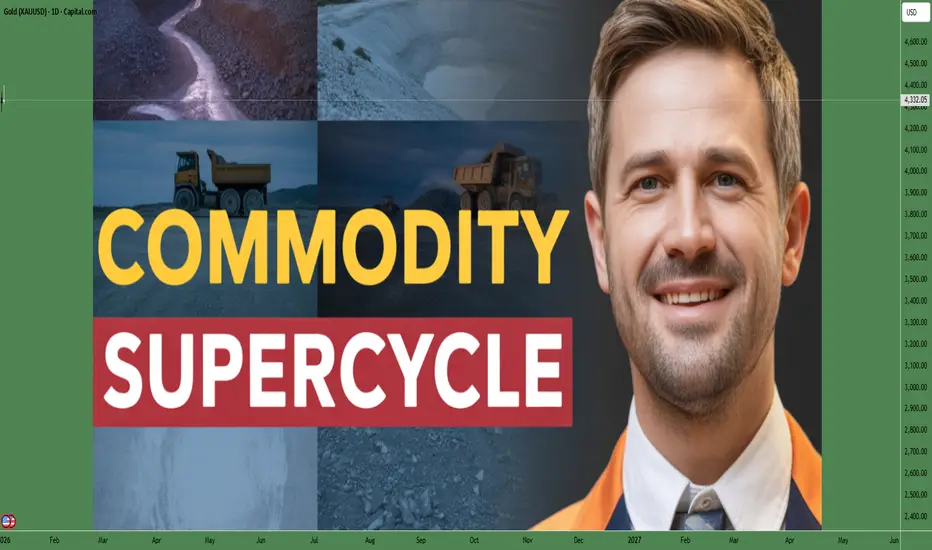
Commodity Supercycle Trends1. Understanding the Concept of Supercycles
Commodities traditionally move in cycles based on supply–demand fluctuations, but a supercycle is different in scale and duration. Price trends in supercycles tend to:
Last for 10–20 years
See sustained upward trajectories
Be driven by massive structural demand
Cause large-scale capital investments and supply expansions
Supercycles usually involve multiple commodities rising together, including crude oil, copper, aluminum, iron ore, wheat, corn, and rare earth metals.
2. Historical Commodity Supercycles
Economists identify four major commodity supercycles in the past 150 years:
a. Late 19th-Century Industrialization Supercycle (1890s–1910s)
This era coincided with the rapid industrial expansion in the US and Europe. Demand surged for coal, metals, and agricultural output to support railway construction, electricity expansion, and manufacturing.
b. Post-WWII Reconstruction Supercycle (1945–1970)
After World War II, Europe and Japan undertook large-scale rebuilding. This sharply increased the demand for energy, steel, and industrial metals. The global population was also rising rapidly, driving agricultural commodity consumption.
c. China-Led Supercycle (2000–2014)
Perhaps the most notable modern supercycle, driven by:
China’s industrialization and urbanization
Massive infrastructure investment
Globalization and trade expansion
Strong energy demand, especially crude oil
Metals like copper, iron ore, and aluminum saw exponential price growth during this period.
d. The “Green Transition” and Renewables Supercycle? (2020s–ongoing)
There is debate over whether the post-2020 environment constitutes a new supercycle. Still, strong demand for battery metals, rare earth elements, lithium, nickel, copper, and silver—essential for clean energy technologies—suggests a potential long-duration upward trend.
3. Drivers Behind Commodity Supercycles
Supercycles are created by mega-trends rather than short-term economic fluctuations. Key drivers include:
a. Industrialization and Urbanization
Emerging economies (e.g., China in the 2000s, India in the 2020s) undergo phases where construction, manufacturing, and infrastructure grow at a rapid pace. This increases demand for:
Steel and iron ore
Cement
Base metals
Energy fuels
b. Technological Shifts
New technologies can reconfigure commodity demand:
Electric vehicles → lithium, nickel, cobalt
Solar energy → silver, polysilicon
Semiconductor demand → rare earths
Technological revolutions often create entirely new commodity markets.
c. Population Growth and Changing Consumption Patterns
Growing populations increase demand for:
Food grains (wheat, rice, corn)
Protein (soybean, livestock feed)
Energy (oil, natural gas)
Urban lifestyles also increase per-capita metal and energy consumption.
d. Underinvestment in Supply
Supercycles often begin after years of:
Low commodity prices
Reduced mining investment
Capacity shrinkage
Supply chain disruptions
When demand picks up suddenly, supply cannot catch up, causing prices to surge.
e. Monetary and Fiscal Stimulus
Loose monetary policy or money supply expansion can raise:
Inflation
Liquidity in markets
Investment in commodity funds
This increases speculative and real demand for commodities.
4. The 2020s: Are We in a New Commodity Supercycle?
Analysts worldwide debate whether the 2020s reflect the start of a new supercycle. Several powerful forces suggest this possibility:
a. Energy Transition and Green Technologies
The transition to a low-carbon global economy hugely increases demand for:
Copper (electric grids, EVs)
Lithium (EV batteries)
Nickel, cobalt (battery chemistry)
Silver (solar panels)
Rare earths (wind turbines, electronics)
Estimates show the energy transition may require 3–10 times more metals compared to the current baseline.
b. Supply Constraints
This decade faces:
Mine depletion
Scarcity of high-grade ores
Stringent environmental rules
Slow permitting processes
Geopolitical resource nationalism (Africa, Latin America)
Supply shortages amplify price pressures.
c. Geopolitical Shifts
Conflicts and tensions between major powers affect commodity flows:
US–China rivalry impacts rare earths
Middle East tensions influence oil
Russia’s sanctions affect natural gas and metals
Realignment of supply chains supports longer-term price elevation.
d. Climate Change Disruptions
Extreme weather affects:
Agricultural output
Mining operations
Shipping routes
More frequent droughts, floods, and storms disrupt supply and raise volatility.
5. Major Commodities Likely to Dominate the Coming Supercycle
1. Copper
Considered the “new oil” of the green economy, copper demand is expected to surge due to:
EVs requiring 2–4 times more copper
Renewable energy grids
Electrification of industries
2. Lithium
A core input for batteries, with demand expected to grow 10–15x by 2035.
3. Nickel and Cobalt
Key metals for high-density battery chemistries.
4. Crude Oil
Despite renewable energy growth, oil demand remains strong due to:
Aviation
Petrochemicals
Industrial use
Slow transition in developing countries
5. Natural Gas and LNG
Seen as a “bridge fuel” in the transition away from coal.
6. Agricultural Commodities
Food prices are rising due to climate volatility and rising global population.
7. Precious Metals (Gold, Silver)
Investors hedge against inflation, currency depreciation, and geopolitical uncertainty.
6. Investment and Trading Implications
a. Long-Term Opportunities
A supercycle supports multi-year rallies in:
Mining stocks
Metal ETFs
Energy companies
Commodity indices
b. Volatility Will Remain High
While long-term trend is upward, short-term fluctuations will be sharp due to:
Interest rate swings
Policy changes
Currency volatility
c. The Role of Emerging Markets
India, Indonesia, Vietnam, and parts of Africa are entering new phases of:
Industrialization
Infrastructure spending
Urbanization
This will add structural demand to the global commodity landscape.
d. ESG and Sustainability Constraints
Environmental regulations limit new mining capacity, pushing prices higher.
7. Conclusion
Commodity supercycles represent long-term, structural shifts in global economic dynamics. They arise when powerful forces—industrialization, population growth, technology transitions, geopolitics, and supply constraints—drive sustained commodity demand. The world today is experiencing pressures that resemble previous supercycle conditions, especially with the rise of green energy, supply chain restructuring, and climate-driven disruptions. Whether or not this evolves into a full-fledged supercycle, commodities like copper, lithium, nickel, crude oil, natural gas, and agricultural products are likely to experience elevated demand and significant price appreciation in the years ahead. Understanding these trends helps investors and policymakers strategize effectively in a resource-constrained and rapidly evolving global economy.
Equity Market Indices (S&P 500, Nasdaq, DAX, Nikkei)1. S&P 500 Index — The Global Benchmark
The Standard & Poor’s 500 Index, commonly known as the S&P 500, is one of the world’s most followed equity indices. It tracks 500 of the largest publicly listed companies in the United States. Unlike the Dow Jones Industrial Average, which uses price weighting, the S&P 500 uses free-float market capitalization weighting, making it a more accurate representation of the U.S. equity market.
Structure and Components
The index spans all major U.S. sectors, including technology, financials, healthcare, consumer discretionary, and energy. Mega-cap companies like Apple, Microsoft, Amazon, and Alphabet often dominate the index due to their large market capitalizations.
Economic Significance
The S&P 500 accounts for over 80% of U.S. total market value, making it a barometer for overall U.S. corporate health. Movements in the index reflect:
Corporate earnings trends
Investor sentiment
Monetary policy expectations
Global macroeconomic factors
Investment and Trading Use
Investors use the S&P 500 for:
Benchmarking fund performance
ETF and index fund investing (e.g., SPY, VOO)
Futures and options trading
Analysts often interpret a rising S&P 500 as a sign of economic expansion, while prolonged declines may indicate recession concerns.
2. Nasdaq Composite & Nasdaq-100 — Tech-Heavy Growth Indicators
The Nasdaq Composite is one of the most technology-heavy indices in the world, tracking over 3,000 stocks listed on the Nasdaq exchange. The more popular trading index, however, is the Nasdaq-100, which includes the top 100 non-financial companies on Nasdaq.
Technology Dominance
The Nasdaq is dominated by:
Technology
Internet services
Biotechnology
Semiconductor companies
Major names include Apple, Microsoft, Nvidia, Meta, and Tesla.
Characteristics and Sensitivity
Because it is tech-heavy, the Nasdaq tends to be:
More volatile than the S&P 500
Highly sensitive to interest rate changes
Influenced strongly by innovation trends, earnings expectations, and regulatory actions
Growth stocks, which dominate the Nasdaq, typically outperform during low-interest-rate environments when borrowing is cheaper and future earnings are more valuable.
Use for Traders
Traders often use the Nasdaq as a sentiment gauge for:
Tech sector strength
Risk appetite in markets
Momentum-driven trading strategies
Nasdaq futures (NQ) and ETFs like QQQ are among the most actively traded instruments globally.
3. DAX (Germany) — Europe’s Industrial Power Index
The DAX (Deutscher Aktienindex) is Germany’s leading stock index, representing 40 blue-chip companies listed on the Frankfurt Stock Exchange. Unlike other indices, the DAX is a performance index, meaning dividends are reinvested, resulting in slightly higher long-term returns.
Composition
The DAX includes major industrial, automotive, chemical, and financial giants such as:
Siemens
Volkswagen
Mercedes-Benz
Bayer
Allianz
SAP
Role in Europe
Germany is Europe’s largest economy, so the DAX essentially acts as a proxy for the health of the Eurozone economy. It reflects:
Manufacturing output
Export competitiveness
Global demand for automobiles and engineering
Euro currency movements
Key Drivers
The DAX is influenced by:
European Central Bank (ECB) policies
Eurozone inflation and GDP
Geopolitical relations with the U.S. & China
Energy prices (Europe is energy-dependent)
During periods of higher global industrial activity, the DAX typically performs strongly due to Germany’s export-led economy.
4. Nikkei 225 — Japan’s Economic Indicator
The Nikkei 225, Japan’s best-known stock index, tracks 225 top companies on the Tokyo Stock Exchange. Unlike most major indices, the Nikkei is price-weighted, similar to the Dow Jones, meaning higher-priced stocks have greater influence regardless of company size.
Sector Mix
Japan’s market includes a mix of:
Automotive companies (Toyota, Honda, Nissan)
Consumer electronics (Sony, Panasonic)
Industrial manufacturers (Fanuc, Hitachi)
Financial institutions
Economic Importance
The Nikkei reflects Japan’s:
Export competitiveness (especially to the U.S. and China)
Yen strength or weakness
Domestic consumption trends
Bank of Japan (BOJ) monetary policy
Japan's prolonged period of low interest rates and deflation has historically shaped the Nikkei’s long-term performance.
Yen Relationship
The Nikkei tends to rise when the Japanese yen weakens, because a weaker yen boosts export revenues. It often behaves inversely to USD/JPY currency movements.
5. How Traders Use These Indices
Market Sentiment Indicators
Each index provides insight into different segments:
S&P 500: overall U.S. economy
Nasdaq: tech and growth sentiment
DAX: European industrial strength
Nikkei: Asian economic trends
Sector Rotation
Investors analyze relative performance to gauge:
Growth vs. value cycles
Domestic vs. international capital flows
Risk-on vs. risk-off behavior
Hedging & Diversification
Indices are widely used for:
Portfolio diversification
Hedging through futures/options
ETF investing across regions
Correlation Behavior
S&P 500 and Nasdaq have high correlation
DAX moves closely with global manufacturing trends
Nikkei correlates strongly with currency markets
Understanding these correlations helps global traders manage risk and time their entries.
6. Global Impact of Index Movements
Because these are major world indices, movements can influence:
Commodity prices (oil, gold)
Currency valuations (USD, EUR, JPY)
Bond markets
Emerging market flows
For example:
A strong S&P 500 often attracts global capital into the U.S.
Weak DAX performance can signal European recession fears
A rising Nikkei can lift Asian equity sentiment
Conclusion
Equity market indices like the S&P 500, Nasdaq, DAX, and Nikkei 225 are more than just collections of stock prices. They are critical indicators of economic health, investor behavior, and global financial stability. Each index reflects the structure of its economy—U.S. technology leadership for Nasdaq, diversified large caps for the S&P 500, industrial might for the DAX, and export-driven growth for the Nikkei. Together, they form the backbone of global equity analysis and remain essential tools for traders, investors, and policymakers worldwide.
Crude Oil Market (WTI, Brent) & OPEC+ Decisions1. Understanding WTI and Brent Crude
WTI Crude Oil
West Texas Intermediate (WTI) is a high-quality, light, and sweet crude oil primarily sourced from fields in the United States, especially Texas. Its low sulfur content makes it easier to refine into gasoline and diesel, which are in high demand in the North American market. WTI is traded on the New York Mercantile Exchange (NYMEX) and considered a benchmark for U.S. crude prices.
Brent Crude Oil
Brent is sourced from oil fields in the North Sea, spanning the UK and Norway. It is slightly heavier than WTI but still considered a light, sweet crude. Brent is traded on the Intercontinental Exchange (ICE) and acts as the global benchmark for two-thirds of internationally traded crude oil.
Why Two Benchmarks?
The existence of both benchmarks reflects regional differences in production, shipping costs, refining requirements, and market access. Generally:
WTI represents U.S. supply-demand dynamics.
Brent reflects international conditions across Europe, Asia, and Africa.
The price spread between the two (WTI–Brent spread) often indicates logistical constraints, geopolitical tensions, or shifts in global demand.
2. Factors Influencing Crude Oil Prices
Crude oil markets are volatile due to the interplay of multiple economic, geopolitical, and market-driven factors.
a. Global Supply & Demand
Oil demand is affected by:
Economic growth rates
Industrial output
Transportation needs
Seasonal factors (winter heating demand, summer driving season)
Supply depends on:
Production levels in OPEC and non-OPEC countries
U.S. shale output
Production outages or upgrades
Infrastructure constraints
b. Geopolitical Events
Conflicts in the Middle East, sanctions on major producers like Iran, instability in Venezuela, and maritime disruptions (e.g., Strait of Hormuz tensions) significantly move oil prices.
c. Currency Movements
Oil is priced in U.S. dollars.
When the USD strengthens, oil becomes expensive for foreign buyers → demand decreases → prices fall.
When the USD weakens, oil prices tend to rise.
d. Inventories & Storage
Weekly U.S. crude inventory data, especially from the EIA (Energy Information Administration), provides insights into near-term supply-demand balances.
e. Energy Transition Policies
Shift toward renewable energy, environmental policies, and long-term decarbonization targets influence investment, production, and expectations of future oil use.
3. Role of OPEC and OPEC+
What is OPEC?
The Organization of the Petroleum Exporting Countries (OPEC) was founded in 1960 to coordinate and unify petroleum policies of major producing countries. Key members include Saudi Arabia, Iraq, Iran, Kuwait, and UAE.
OPEC+ Formation
In 2016, OPEC expanded to include major non-OPEC producers such as Russia, Mexico, Kazakhstan, and others, forming OPEC+.
This group controls around 40% of global oil production and 80% of known reserves, making their decisions highly influential.
4. OPEC+ Production Decisions
a. Production Cuts
When demand falls (e.g., during pandemics or recessions), OPEC+ often cuts production to support prices.
Cuts reduce global supply → tighter market → higher prices.
b. Production Increases
During times of strong demand, OPEC+ increases output to maintain market stability.
Higher supply → pressure on prices → prevents overheating of global inflation.
c. Voluntary vs. Mandated Cuts
Sometimes individual countries choose voluntary cuts to stabilize the market.
Saudi Arabia often leads with additional voluntary cuts beyond the group agreement.
5. How OPEC+ Decisions Influence WTI and Brent
Market Expectations
Before meetings, traders speculate on whether OPEC+ will:
Cut supply
Maintain quotas
Increase production
Even rumors can create dramatic price swings.
Outcomes of Meetings
A formal announcement of cuts usually triggers:
Brent prices increasing more sharply, as it is more globally sensitive
WTI moving upward, though influenced by U.S. shale reactions
On the contrary, increases in output often lead to a pullback in both benchmarks.
Long-term Impact
Persistent cuts support a long-term bullish trend.
Persistent increases (or cheating on quotas by some members) lead to bearishness.
6. U.S. Shale Oil and the WTI–Brent Spread
One of the biggest changes in oil markets over the past decade is the rise of U.S. shale production.
Shale oil is flexible and responds quickly to price changes:
When prices rise → shale producers increase drilling
When prices fall → production slows
Because shale is mostly priced off WTI, higher U.S. output often widens the WTI–Brent spread.
Logistics Constraints
Pipeline bottlenecks in the U.S. midcontinent region can cause WTI prices to fall below Brent due to oversupply.
7. The Financialization of Oil Markets
Crude oil is not just a physical commodity—it's also a major financial asset.
Investors trade oil futures, options, ETFs, and swaps, influencing price movements.
Key players include:
Hedge funds
Banks
Producers hedging future output
Airlines hedging jet fuel costs
This financial activity creates liquidity but also increases volatility.
8. OPEC+, Price Stability, and Global Economics
Inflation Management
Crude oil is a major driver of fuel prices, transportation costs, and overall inflation.
Sharp increases in oil prices often:
Push inflation higher
Increase the chances of central bank rate hikes
Slow down economic growth
OPEC+ often aims to maintain price ranges that balance producer revenues with global economic stability.
Revenue Dependence
Many OPEC+ members rely heavily on oil revenue to fund government budgets.
Low prices strain fiscal systems; high prices improve surpluses.
9. Future of Crude Oil Markets
Short to Medium Term
Demand is expected to remain strong in developing economies.
Geopolitical risks will continue to play a major role in volatility.
Long Term
Energy transition policies and global decarbonization will gradually reshape demand patterns.
However, oil will likely remain a major energy source for decades due to:
Transportation needs
Industrial petrochemicals
Aviation fuel
Limited large-scale alternatives in some sectors
OPEC+ is expected to maintain a central role in managing supply and stabilizing prices during this transition.
Conclusion
The crude oil market, anchored by the benchmarks WTI and Brent, plays a central role in global economic activity. Price movements are influenced by production levels, geopolitical events, inventory data, currency dynamics, and financial market behavior. Among all players, OPEC+ remains the most influential force in shaping supply trends and managing market stability. Their production decisions can trigger global inflation shifts, currency volatility, and economic fluctuations. As the world gradually moves toward cleaner energy sources, the balance between demand, supply, and policy-driven cuts will define the future of oil markets for years to come.
OPEC and Global Market Stability1. The Role and Objectives of OPEC
OPEC’s primary objective is to achieve stable oil prices in international markets while ensuring a fair return on investment for producing nations and a steady supply for consuming countries. To maintain balance, OPEC regulates oil production among its member nations, aligning supply with demand.
Market stability is central to OPEC’s philosophy. Volatility in oil prices—whether due to oversupply, underproduction, or external shocks—can harm both producers and consumers. For producers, low prices reduce revenue and strain national budgets; for consumers, excessively high prices trigger inflation and economic slowdowns. Thus, OPEC’s interventions are designed to prevent extreme price swings and promote predictability in global markets.
2. Mechanisms for Market Stability
OPEC uses a combination of strategies to achieve stability in the oil market:
a. Production Quotas:
The most significant tool is the allocation of production targets among member states. During times of excess supply, OPEC cuts output to prevent price declines; when demand rises or prices surge too high, it increases production. This mechanism acts as a balancing lever in the market.
b. Monitoring and Market Analysis:
OPEC maintains a highly sophisticated system of data collection and analysis. Through the OPEC Secretariat in Vienna, the organization constantly monitors global economic trends, oil inventories, demand projections, and supply disruptions. This allows OPEC to make informed decisions that align with global economic realities.
c. Cooperation with Non-OPEC Producers:
In recent years, OPEC has expanded its influence by forming alliances with non-member oil-producing countries, such as Russia, Mexico, and Kazakhstan. This collaboration, known as OPEC+, was formalized in 2016. The OPEC+ framework enhances OPEC’s control over the global oil supply, making it easier to stabilize prices in times of volatility.
3. OPEC’s Historical Impact on Market Stability
Since its inception, OPEC’s policies have shaped the evolution of global oil markets.
a. The 1970s Oil Crises:
During the early 1970s, OPEC gained significant power by using oil as a political and economic tool. The 1973 oil embargo, in response to Western support for Israel during the Yom Kippur War, caused prices to quadruple. Although disruptive, it demonstrated OPEC’s ability to influence global energy markets and highlighted the importance of energy security for consuming nations.
b. The 1980s Oil Glut:
In the early 1980s, technological advancements and overproduction led to a sharp fall in prices. OPEC responded by reducing output quotas, attempting to balance the market. However, disagreements among members limited effectiveness, underscoring the challenge of enforcing collective discipline.
c. The 2000s Oil Boom:
Rapid industrialization in China and India fueled a massive surge in global demand, leading to record-high oil prices. OPEC managed this period by gradually increasing production while maintaining relative market stability.
d. The 2020 COVID-19 Shock:
Perhaps the most dramatic test of OPEC’s stabilizing role occurred during the COVID-19 pandemic. In April 2020, global oil demand collapsed as travel and industrial activity halted. Prices even turned negative for a brief period. OPEC+, led by Saudi Arabia and Russia, implemented historic production cuts of nearly 10 million barrels per day to restore equilibrium. Within months, markets began recovering, showcasing OPEC’s ability to stabilize a crisis-driven market.
4. Challenges to OPEC’s Market Stability Mission
Despite its influence, OPEC faces multiple challenges in maintaining stability in today’s rapidly changing energy environment.
a. Internal Disagreements:
OPEC’s strength depends on collective compliance. Differences in economic needs, production capacities, and political agendas among member states often cause disputes. For instance, nations like Saudi Arabia prefer conservative production strategies, while others like Iran or Nigeria may push for higher output to meet domestic financial obligations.
b. Competition from Non-OPEC Producers:
The rise of shale oil production, particularly in the United States, has reduced OPEC’s market dominance. Shale oil’s flexibility—its ability to ramp up production quickly when prices rise—has weakened OPEC’s control over global supply dynamics.
c. Energy Transition and Climate Policies:
As the world shifts toward renewable energy and decarbonization, the long-term demand for oil may decline. This transition poses strategic challenges for OPEC, as it must adapt to a market where oil is no longer the primary source of energy. Balancing environmental commitments with economic survival remains a delicate task.
d. Geopolitical Tensions:
Many OPEC members are located in politically volatile regions. Conflicts in the Middle East, sanctions on countries like Iran and Venezuela, and regional rivalries can disrupt production and weaken the organization’s cohesion.
5. OPEC’s Modern Strategies for Stability
In response to evolving challenges, OPEC has refined its approach to market stability.
a. The OPEC+ Alliance:
The OPEC+ coalition has been a major innovation in global oil diplomacy. By bringing non-member producers into coordinated production agreements, OPEC has extended its reach beyond traditional boundaries. This broader coalition enhances the group’s capacity to respond to market shocks and maintain price stability.
b. Flexible Policy Frameworks:
OPEC now adopts a more flexible and data-driven approach. Instead of rigid annual quotas, it meets regularly to adjust policies based on real-time data. This agility allows quicker responses to demand changes, such as post-pandemic recovery or geopolitical disruptions.
c. Investment in Energy Technology:
Some OPEC members are diversifying their economies by investing in renewable energy, hydrogen, and carbon capture technologies. For example, Saudi Arabia’s Vision 2030 plan aims to reduce dependence on oil revenues and strengthen economic resilience. This diversification supports long-term market stability by mitigating risks from oil dependency.
6. OPEC’s Economic and Geopolitical Influence
OPEC’s role extends beyond oil markets—it significantly impacts global macroeconomic stability and international relations.
When OPEC successfully stabilizes prices, both producers and consumers benefit. Predictable oil prices allow governments to plan budgets, encourage investment, and maintain economic growth. Conversely, instability often leads to inflation, currency fluctuations, and trade imbalances.
Geopolitically, OPEC serves as a platform for dialogue between member nations, fostering cooperation in an otherwise fragmented global environment. Its coordination with non-OPEC producers has also strengthened diplomatic ties across continents.
7. The Future of OPEC and Market Stability
Looking ahead, OPEC’s relevance will depend on how effectively it adapts to a transforming global energy landscape. The push for carbon neutrality, electric vehicles, and renewable alternatives poses both threats and opportunities. While demand for oil may plateau in the coming decades, OPEC can continue to play a stabilizing role by ensuring orderly transitions in the energy market.
Future stability will likely involve balancing oil production with global sustainability goals, supporting cleaner technologies, and maintaining dialogue with both producers and consumers.
8. Conclusion
OPEC has been, and continues to be, a cornerstone of global market stability. Through production management, international cooperation, and adaptive policymaking, it has guided the oil market through crises, booms, and transitions. While challenges such as energy diversification, internal discord, and environmental policies loom large, OPEC’s experience and coordination capacity position it as a key player in shaping the future of global energy stability.
In essence, OPEC’s success in stabilizing markets lies not only in controlling oil output but in balancing the complex intersection of economics, politics, and sustainability in a world increasingly conscious of both energy security and environmental responsibility.
Introduction and Types of Financial MarketsIntroduction to Financial Markets
Financial markets form the backbone of any modern economy, serving as a bridge between investors seeking returns and borrowers in need of capital. Essentially, a financial market is a marketplace where buyers and sellers trade financial instruments such as stocks, bonds, currencies, and derivatives. These markets facilitate the allocation of resources efficiently, ensuring that funds flow from those who have surplus capital to those who can utilize it productively.
Financial markets are integral to economic growth. They not only provide a mechanism for raising capital but also aid in price discovery, risk management, liquidity creation, and wealth management. By providing transparency and efficiency, financial markets reduce the cost of capital for firms and promote economic stability.
Key Functions of Financial Markets
Capital Formation: Financial markets enable firms and governments to raise funds by issuing securities, which can then be used for expansion, infrastructure, or social development.
Price Discovery: They provide a platform where the prices of financial assets are determined through supply-demand interactions.
Liquidity: Investors can quickly convert their securities into cash, enhancing market confidence.
Risk Management: Derivative markets allow participants to hedge against risks like fluctuations in interest rates, commodity prices, and currencies.
Efficient Resource Allocation: By channeling funds from savers to productive investments, financial markets ensure that capital is allocated to sectors promising the highest returns.
Classification of Financial Markets
Financial markets can be classified in multiple ways depending on the instruments traded, the maturity of instruments, and the nature of participants. Broadly, they are categorized into money markets, capital markets, derivative markets, foreign exchange markets, and commodity markets.
1. Money Market
The money market deals with short-term debt instruments with maturities of one year or less. It is crucial for maintaining liquidity in the financial system. The primary participants in the money market are commercial banks, central banks, corporations, and government entities.
Key Features:
Short-term instruments (up to 1 year)
High liquidity
Low risk compared to long-term securities
Primarily used for managing working capital
Instruments in the Money Market:
Treasury Bills (T-Bills): Government-issued securities with maturities ranging from a few days to one year. They are low-risk instruments used for short-term financing.
Commercial Papers (CPs): Unsecured promissory notes issued by corporations to meet short-term funding needs.
Certificates of Deposit (CDs): Bank-issued instruments for fixed deposits with short maturities, offering liquidity and moderate returns.
Repurchase Agreements (Repos): Short-term borrowing agreements for selling and repurchasing government securities.
The money market ensures stability by providing a channel for short-term funds and helps in implementing monetary policy by regulating liquidity.
2. Capital Market
The capital market focuses on long-term financial instruments with maturities exceeding one year. It is vital for raising long-term funds for business expansion, infrastructure development, and national projects. The capital market is divided into primary markets and secondary markets.
a) Primary Market (New Issue Market):
This is where new securities are issued directly to investors. Companies raise funds by issuing equity (shares) or debt (bonds). The process of issuing new securities is commonly known as an Initial Public Offering (IPO) for equity.
b) Secondary Market (Stock Exchanges):
Here, previously issued securities are bought and sold among investors. Stock exchanges like the New York Stock Exchange (NYSE) or National Stock Exchange (NSE) in India provide a platform for liquidity, price discovery, and risk-sharing.
Instruments in the Capital Market:
Equities (Shares): Represent ownership in a company, entitling shareholders to profits in the form of dividends.
Bonds/Debentures: Long-term debt instruments issued by corporations or governments to raise capital.
Mutual Funds: Pooled investment vehicles that invest in stocks, bonds, or other securities, offering diversification to small investors.
Significance of Capital Markets:
Mobilize savings for productive use
Facilitate wealth creation for investors
Support economic growth through capital formation
3. Derivative Market
Derivatives are financial contracts whose value derives from underlying assets like stocks, bonds, currencies, or commodities. The derivative market allows participants to hedge against risks or speculate for potential gains.
Key Types of Derivatives:
Futures Contracts: Agreements to buy or sell an asset at a predetermined price on a future date.
Options Contracts: Contracts that give the buyer the right (but not obligation) to buy or sell an asset at a specified price within a certain period.
Swaps: Agreements to exchange cash flows or other financial instruments between parties, commonly used for interest rate or currency risk management.
Functions of Derivative Markets:
Hedging against price or interest rate fluctuations
Enhancing market liquidity
Enabling price discovery for underlying assets
While derivatives can be used to manage risk, excessive speculation in this market may introduce volatility.
4. Foreign Exchange (Forex) Market
The foreign exchange market is a global decentralized market for trading currencies. It determines the relative value of one currency against another and supports international trade and investment.
Key Features:
Operates 24/7 across different time zones
Facilitates currency conversion for trade and investment
Influences inflation, interest rates, and trade balances
Major Participants:
Commercial banks
Central banks
Multinational corporations
Hedge funds and retail investors
Functions:
Provides exchange rate mechanism
Manages currency risk through hedging instruments like forwards and options
Supports global liquidity and capital flows
5. Commodity Market
The commodity market deals with trading physical goods such as metals, energy products, agricultural produce, and more. Commodity markets are split into spot markets (immediate delivery) and futures markets (contracts for future delivery).
Major Commodities Traded:
Agricultural Products: Wheat, corn, coffee, sugar
Energy Commodities: Crude oil, natural gas, coal
Metals: Gold, silver, copper
Significance:
Provides a hedging mechanism for producers and consumers
Helps in price discovery and risk management
Promotes efficient allocation of resources in the economy
6. Over-the-Counter (OTC) Market
In addition to organized exchanges, many financial instruments are traded directly between parties in OTC markets. This includes derivatives, currencies, and bonds. OTC markets are less regulated than exchanges but provide flexibility in contract terms and counterparty customization.
Emerging Trends in Financial Markets
Financial markets are evolving rapidly due to technology, globalization, and regulatory reforms. Some notable trends include:
Digital Trading Platforms: Online stock brokers and mobile apps have made investing accessible to retail investors worldwide.
Algorithmic and High-Frequency Trading: Automated systems now execute trades at millisecond speeds, enhancing market efficiency.
Cryptocurrency and Blockchain: Digital currencies like Bitcoin and Ethereum are creating decentralized markets independent of traditional financial systems.
Sustainable Finance: ESG (Environmental, Social, and Governance) investing is growing, promoting socially responsible investment practices.
Global Integration: Capital flows across borders are increasing, creating interconnected markets that respond rapidly to international economic events.
Conclusion
Financial markets are the lifeblood of any economy, serving as a conduit for savings, investment, and capital formation. By facilitating efficient resource allocation, providing liquidity, enabling risk management, and supporting economic growth, these markets create opportunities for individuals, corporations, and governments alike.
From the short-term money market to the long-term capital market, from derivatives and forex trading to commodity markets, each segment serves a unique function, contributing to the stability and growth of the financial ecosystem. With technological advancements and globalization, financial markets continue to evolve, providing innovative tools and opportunities for investors while shaping the future of economic development.
Understanding the structure and function of these markets is crucial for policymakers, investors, and businesses, as it enables informed decisions, better risk management, and strategic planning in a dynamic global economy.
USDJPY Long H41: Uptrend since 2018-03-26
2: Currently at a good resistance point in daily(110.221)
3: Currently in a 61.8% fibb retracement
4: Creating a new high since 2018-05-01
5: Wait for a retracement on the level 109.877 wich is also the previous high, a good support zone and an extension fibb 1.618
6: Risk ratio of 3.22