Unlocking Currency Derivatives: A Complete Guide1. What Are Currency Derivatives?
Currency derivatives are financial contracts whose value is derived from an underlying currency pair, such as USD/INR, EUR/USD, or GBP/JPY. Instead of exchanging physical currencies immediately, these contracts allow parties to lock in, hedge, or bet on future exchange rates.
They are primarily used by:
Importers and exporters
Multinational corporations
Banks and financial institutions
Hedge funds and traders
Central banks (indirectly)
At their core, currency derivatives transfer foreign exchange risk from those who want to avoid it to those willing to take it.
2. Why Currency Derivatives Exist
Currency markets are influenced by:
Interest rate differentials
Inflation expectations
Trade balances
Capital flows
Geopolitical events
Central bank policies
These forces can cause sharp and unpredictable currency swings. For example, a sudden rate hike by the US Federal Reserve can weaken emerging market currencies overnight.
Currency derivatives exist to:
Hedge risk – protect against adverse currency movements
Speculate – profit from expected currency changes
Arbitrage – exploit price inefficiencies between markets
Enhance returns – optimize cash flow and balance sheet exposure
Without derivatives, global trade would be slower, costlier, and far riskier.
3. Types of Currency Derivatives
3.1 Currency Futures
Currency futures are standardized contracts traded on exchanges. They obligate the buyer and seller to exchange a fixed amount of currency at a predetermined rate on a future date.
Key features:
Exchange-traded
Transparent pricing
Daily mark-to-market
Margin-based trading
Example:
An Indian importer expecting to pay USD in three months buys USD/INR futures to lock the exchange rate.
3.2 Currency Forwards
Currency forwards are customized over-the-counter (OTC) contracts between two parties to exchange currencies at a future date.
Advantages:
Flexible size and maturity
Tailor-made hedging
Disadvantages:
Counterparty risk
Less liquidity
No daily settlement
Forwards are widely used by corporations for precise hedging needs.
3.3 Currency Options
Currency options give the holder the right but not the obligation to buy or sell a currency at a specified rate before or on a certain date.
Two types:
Call option – right to buy currency
Put option – right to sell currency
Why options are powerful:
Limited downside risk
Unlimited upside potential
Flexible hedging
Trade-off:
Options require paying a premium, which can be expensive during volatile periods.
3.4 Currency Swaps
Currency swaps involve exchanging principal and interest payments in different currencies over time.
They are used mainly by:
Large corporations
Banks
Governments
Swaps help manage long-term funding and interest rate exposure across currencies.
4. Hedging with Currency Derivatives
Hedging is the most important real-world use of currency derivatives.
Example: Exporter Hedging
An Indian exporter expecting USD inflows fears INR appreciation (which reduces rupee revenue). By selling USD futures or buying USD put options, the exporter locks in profitability regardless of market movements.
Key Hedging Goals:
Protect margins
Stabilize cash flows
Improve financial planning
Reduce earnings volatility
Effective hedging is not about predicting markets—it’s about reducing uncertainty.
5. Speculation and Trading Opportunities
Currency derivatives are also popular among traders due to:
High liquidity
Leverage
Macro-driven price movements
Speculators use:
Interest rate expectations
Central bank commentary
Inflation data
Risk-on / risk-off sentiment
However, leverage magnifies both gains and losses. Without discipline, currency trading can quickly become destructive.
6. Pricing and Valuation Basics
Currency derivatives pricing is driven by:
Spot exchange rate
Interest rate differential between two currencies
Time to maturity
Volatility (especially for options)
For futures and forwards:
Forward Rate ≈ Spot Rate ± Interest Rate Differential
For options:
Volatility is the most critical variable
Time decay (theta) erodes value
Implied volatility reflects market expectations
Understanding pricing helps traders avoid overpaying for risk.
7. Risks Involved in Currency Derivatives
Despite their usefulness, currency derivatives carry risks:
Market risk – adverse currency movements
Leverage risk – amplified losses
Liquidity risk – inability to exit positions
Counterparty risk – especially in OTC contracts
Model risk – incorrect pricing assumptions
Risk management is not optional—it is the foundation of survival.
8. Role of Currency Derivatives in the Global Economy
Currency derivatives:
Enable international trade
Stabilize corporate earnings
Improve capital allocation
Enhance market efficiency
Reflect global macro expectations
They act as a bridge between monetary policy and real economic activity. When central banks move rates, currency derivatives react instantly—often before spot markets.
9. Currency Derivatives in Emerging Markets (Like India)
In emerging markets:
Volatility is higher
Regulatory oversight is stronger
Hedging demand is structural
India’s currency derivatives market has grown rapidly due to:
Rising exports and imports
Liberalized capital flows
Sophisticated corporate treasuries
Retail participation in futures and options
Regulators aim to balance market development with systemic stability.
10. Unlocking the True Power of Currency Derivatives
To truly unlock currency derivatives:
Use them with a clear objective
Understand the macro context
Respect leverage
Prioritize risk over returns
Choose the right instrument for the right exposure
Currency derivatives are not gambling tools—they are precision instruments. In skilled hands, they reduce risk and unlock opportunity. In careless hands, they magnify mistakes.
Final Thought
Currency derivatives sit at the intersection of economics, finance, and geopolitics. Mastering them means understanding how money moves across borders—and how power, policy, and psychology shape exchange rates. Those who unlock this knowledge gain not just trading tools, but a global financial lens.
Worldmarkets
AI, Robotics & Future Technology Investing1. The Landscape of AI and Robotics
Artificial Intelligence (AI) refers to machines’ ability to perform tasks that typically require human intelligence, including learning, problem-solving, reasoning, perception, and language understanding. AI is not a single technology but a set of technologies, including machine learning (ML), natural language processing (NLP), computer vision, and generative AI. AI is increasingly embedded in sectors such as healthcare, finance, manufacturing, transportation, and consumer services, making it a pervasive force in the modern economy.
Robotics involves the design, construction, and operation of machines capable of performing tasks autonomously or semi-autonomously. Modern robotics integrates AI for perception, decision-making, and adaptability, enabling applications ranging from industrial automation and warehouse logistics to surgical robotics and autonomous vehicles. Robotics is no longer limited to factories; it is entering service industries, agriculture, defense, and even household applications.
Future technologies encompass a broader set of innovations, including quantum computing, advanced semiconductors, nanotechnology, biotechnology, augmented and virtual reality (AR/VR), blockchain, and next-generation telecommunications such as 5G and 6G. These technologies often act as enablers for AI and robotics, creating a synergistic effect that accelerates adoption and market disruption.
2. Market Growth and Investment Potential
The AI and robotics market is experiencing explosive growth. According to industry estimates, the global AI market could exceed $500 billion by the late 2020s, while the robotics market is expected to reach $300 billion within the same period. The growth is fueled by increasing automation demands, technological breakthroughs in AI algorithms, cheaper and faster computing power, and the rising need for efficiency across industries.
For investors, these numbers indicate potential high returns, but the landscape is highly competitive and fragmented. Companies range from large, established tech giants—like NVIDIA, Alphabet, Microsoft, and Boston Dynamics—that provide hardware, software, and AI cloud platforms, to small, specialized startups focused on niche applications such as autonomous delivery, medical diagnostics, or industrial robotics.
3. Investment Approaches
Investors can engage with AI, robotics, and future technologies through multiple approaches:
a. Direct Equity Investment: Buying shares of companies actively involved in AI or robotics allows investors to participate in their growth. For example, semiconductor companies like NVIDIA supply GPUs critical for AI processing, while companies like ABB or Fanuc manufacture industrial robots used globally. Equity investment requires careful selection, as valuations can be volatile, especially for high-growth startups.
b. Exchange-Traded Funds (ETFs) and Mutual Funds: Specialized ETFs, such as those focusing on AI, robotics, or technology innovation, provide diversified exposure without the need to pick individual stocks. These funds often include a mix of large-cap tech companies and emerging innovators, spreading risk while capturing sector-wide growth.
c. Venture Capital and Private Equity: For sophisticated investors, direct investment in early-stage startups in AI, robotics, or frontier technologies offers high growth potential but comes with significant risk. Venture capital funds often focus on transformative technologies such as autonomous vehicles, AI-driven healthcare solutions, or quantum computing startups.
d. Thematic Investment: This involves investing in companies or sectors tied to broader technological trends. For instance, investing in cloud computing providers, semiconductor manufacturers, or 5G infrastructure developers indirectly captures growth in AI and robotics.
4. Key Investment Drivers
Several factors are driving the investment case for AI, robotics, and future technologies:
Automation Demand: Businesses seek efficiency and cost reduction, creating a rising need for robotic automation and AI-driven analytics. Manufacturing, logistics, and warehousing are prime examples where AI-powered robotics enhance productivity.
Technological Innovation: Advancements in machine learning models, robotics hardware, edge computing, and sensor technology continuously expand the capabilities of AI and robotics applications.
Government and Corporate Investment: Many governments recognize AI and robotics as strategic priorities, providing funding and incentives for R&D. Similarly, corporations are allocating massive budgets to integrate AI into operations, supply chains, and customer engagement.
Data Explosion: AI thrives on data. The rapid increase in digital data from IoT devices, social media, and enterprise operations fuels machine learning, creating opportunities for software, cloud infrastructure, and analytics platforms.
Consumer Adoption: Emerging AI-driven applications like autonomous vehicles, smart home devices, AR/VR experiences, and AI-powered healthcare solutions are gaining mainstream acceptance, boosting market potential.
5. Risks and Challenges
Despite the promising growth trajectory, investing in AI, robotics, and future technologies carries inherent risks:
Technological Uncertainty: Not all innovations succeed, and breakthroughs may disrupt existing solutions. Investing in a company before a technology proves scalable carries high risk.
Valuation Volatility: High-growth tech stocks often experience sharp price swings, influenced by market sentiment, regulatory developments, or technological hype cycles.
Regulatory and Ethical Concerns: AI and robotics raise privacy, ethical, and security questions. Regulations may evolve rapidly, affecting market potential for certain applications.
Competition: The sector is highly competitive, with both global tech giants and nimble startups vying for market dominance. Market leadership can shift quickly.
Dependency on Infrastructure: AI and robotics often rely on advanced semiconductors, cloud computing, and connectivity infrastructure. Supply chain disruptions or geopolitical tensions can impact growth.
6. Future Outlook
The long-term outlook for AI, robotics, and future technology investing remains strong. Several megatrends are expected to drive the next decade of growth:
Autonomous Systems: Self-driving cars, drones, and automated logistics platforms will continue to expand, transforming transportation and delivery industries.
Healthcare Revolution: AI-powered diagnostics, robotic surgery, personalized medicine, and drug discovery will redefine healthcare delivery and efficiency.
Industrial and Smart Manufacturing: “Smart factories” utilizing robotics, AI analytics, and IoT devices will optimize production processes and supply chain management.
Human-Machine Collaboration: AI and robotics will increasingly augment human capabilities, from warehouse assistance and office automation to creative and professional tasks.
Sustainable Technologies: Robotics and AI will play a key role in renewable energy, precision agriculture, and environmental monitoring, aligning technological innovation with sustainability goals.
AI-Driven Creativity and Content: Generative AI will continue to disrupt content creation, marketing, entertainment, and design, opening new business models and monetization opportunities.
7. Strategic Considerations for Investors
To invest successfully in AI, robotics, and future technologies:
Diversify: Spread investments across multiple sub-sectors to reduce risk and capture growth from different innovation areas.
Focus on Fundamentals: Evaluate companies based on technological advantage, intellectual property, management capability, and scalability potential.
Stay Informed: Technology evolves rapidly. Continuous research on emerging trends, regulatory changes, and competitive landscapes is critical.
Consider Long-Term Horizon: Many technological innovations take years to achieve commercial success. Patience and a long-term perspective are essential.
Risk Management: Use portfolio strategies to mitigate volatility, including allocation to ETFs, diversified tech funds, or hedging strategies.
Conclusion
Investing in AI, robotics, and future technologies is a journey into the frontiers of innovation, offering opportunities to participate in transformative change across industries and societies. While the growth potential is immense, the risks are equally significant, requiring careful selection, diversification, and continuous monitoring. Investors who understand the interplay between emerging technologies, market dynamics, and societal adoption will be best positioned to capture the rewards of this transformative era.
In essence, AI, robotics, and future technology investing is not just about chasing profits—it is about investing in the future itself, a future increasingly shaped by intelligent machines, autonomous systems, and the relentless pace of technological innovation.
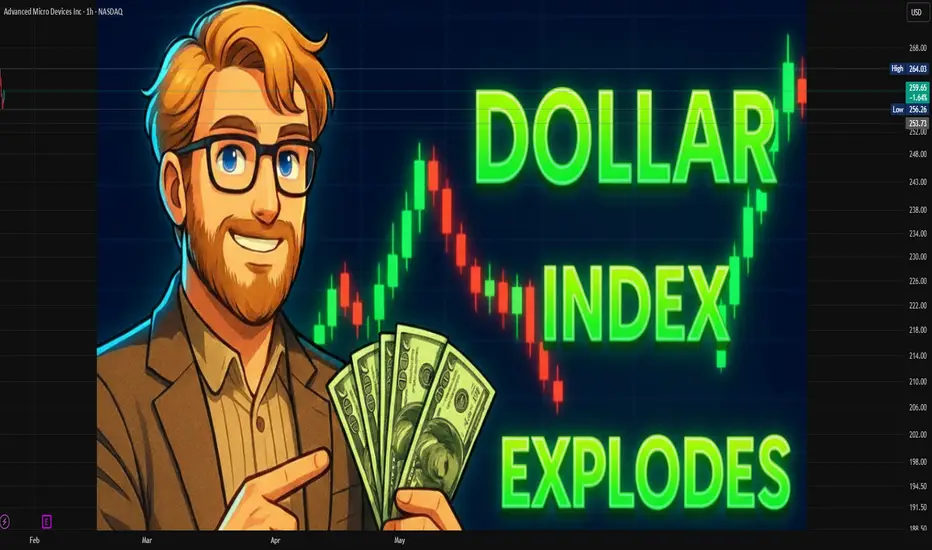
Dollar Index Explodes: Understanding the PhenomenonCauses of a Dollar Index Explosion
Interest Rate Differentials
The U.S. Federal Reserve plays a critical role in the dollar’s strength. When the Fed aggressively hikes interest rates, U.S. assets become more attractive to global investors due to higher returns. This drives demand for dollars, causing the Dollar Index to surge. Conversely, if other central banks maintain lower rates or pursue dovish policies, the gap widens, amplifying the dollar's upward momentum.
Safe-Haven Demand
The U.S. dollar is traditionally viewed as a safe-haven currency. During periods of global financial instability—such as geopolitical tensions, banking crises, or economic slowdowns—investors flock to dollars for security. This flight-to-safety behavior increases demand sharply, often leading to explosive moves in the Dollar Index.
Trade and Current Account Imbalances
U.S. trade deficits and global capital flows also influence the dollar’s trajectory. When foreign countries accumulate dollars through trade or investment, this can initially support the currency. However, sudden shifts—such as reduced appetite for U.S. assets—can trigger rapid adjustments, causing spikes in the index.
Global Risk Sentiment
Risk-on or risk-off market environments significantly affect currency valuations. In risk-off conditions, investors sell riskier assets and buy dollars, boosting the Dollar Index. Conversely, in risk-on conditions, the demand for the dollar may wane, softening its value. Explosive dollar moves often coincide with sudden swings in global risk perception.
Commodity Price Movements
Since many commodities, such as oil and gold, are priced in dollars, fluctuations in commodity markets can indirectly influence the Dollar Index. A decline in commodity prices often strengthens the dollar, while a surge in prices can weaken it. Explosive dollar gains are sometimes fueled by falling commodity prices, reflecting stronger purchasing power.
Market Implications of a Dollar Index Explosion
Impact on Emerging Markets
Emerging market economies are particularly vulnerable to a surging dollar because many of their debts are dollar-denominated. When the Dollar Index explodes, repayment costs for foreign debt rise sharply, creating financial stress. Capital outflows often accelerate, currencies depreciate, and inflation can surge, creating a challenging environment for policymakers.
Equity Markets
Strong dollar movements influence equity markets in multiple ways. U.S. multinational corporations may face reduced competitiveness overseas as their products become more expensive in foreign currencies, potentially hurting profits. Conversely, companies that rely on imports or have dollar-denominated revenues might benefit. Stock indices often react negatively to sudden dollar surges, especially in global sectors.
Bond Markets
Explosive dollar appreciation can lead to higher yields in U.S. Treasury markets as investors demand more return to compensate for currency risk. Conversely, in foreign bond markets, the local-currency returns may decline sharply, triggering volatility in cross-border investments. The ripple effects are pronounced in emerging markets with substantial foreign debt.
Commodity Prices
Commodity markets are inversely related to the dollar. A sharp increase in the Dollar Index generally depresses prices of commodities such as oil, gold, and base metals because they become more expensive for holders of other currencies. This dynamic has a feedback effect on inflation expectations and central bank policies worldwide.
Currency Volatility
Non-dollar currencies in the DXY basket, particularly the Euro and Japanese Yen, often experience significant depreciation during dollar explosions. Other global currencies, especially in emerging markets, may weaken even more dramatically due to capital flight and dollar demand pressures. Such volatility can exacerbate financial instability.
Macroeconomic Implications
Global Inflation and Monetary Policy
A stronger dollar can have mixed impacts on inflation. In the U.S., imports become cheaper, exerting downward pressure on inflation. However, in countries reliant on dollar imports or with dollar-denominated debt, inflation can spike due to higher costs of goods and debt service. Central banks worldwide may be forced to adjust policies in response, sometimes tightening rates to defend their currencies.
Trade Balance Effects
A stronger dollar makes U.S. exports more expensive and imports cheaper. While this can worsen the U.S. trade balance, it can alleviate trade deficits in other countries. However, sudden dollar explosions can disrupt global trade flows, increase volatility in commodity markets, and alter investment strategies.
Capital Flows and Investment
Explosive moves in the dollar attract capital into U.S. assets, reinforcing strength in a self-reinforcing cycle. Conversely, emerging markets may experience capital flight, higher borrowing costs, and liquidity constraints. Investors globally adjust strategies to hedge against currency risk, affecting equities, bonds, and derivatives markets.
Trading and Investment Perspectives
Forex Market Strategies
Traders often anticipate Dollar Index explosions by monitoring economic indicators, central bank signals, and geopolitical developments. Momentum trading, carry trades, and options strategies are commonly employed. Explosive moves present both opportunities and risks due to high volatility.
Hedging Strategies
Corporates and investors use hedging instruments such as forwards, futures, and options to protect against adverse dollar movements. For instance, companies with dollar-denominated liabilities may hedge via forward contracts to mitigate the impact of sudden dollar appreciation.
Global Diversification
For long-term investors, a surging dollar underscores the importance of portfolio diversification across currencies, asset classes, and geographies. Holding assets in multiple currencies can reduce exposure to dollar volatility and cushion against financial shocks.
Historical Examples
Historically, the Dollar Index has experienced explosive moves in response to monetary policy, crises, and geopolitical events:
2008 Global Financial Crisis: Investors flocked to the dollar as a safe haven, causing rapid appreciation.
2014-2015 Fed Tapering: Anticipation of U.S. rate hikes led to a sustained surge in the dollar.
2020 COVID-19 Market Turmoil: Early in the pandemic, the dollar spiked as global uncertainty increased.
These instances demonstrate the interconnected nature of currency markets, monetary policy, and investor sentiment.
Conclusion
An exploding Dollar Index is not merely a financial statistic—it is a global economic signal. It reflects shifts in interest rates, investor sentiment, trade flows, and geopolitical risks. Its effects permeate every corner of the financial world: from emerging market stability and corporate profits to commodity prices and investment strategies. Understanding the drivers, consequences, and strategies associated with dollar surges is crucial for policymakers, traders, and global investors alike. While the phenomenon creates challenges, it also presents opportunities for those prepared to navigate the volatility intelligently.
In an increasingly interconnected world, monitoring the Dollar Index and its explosive moves is not optional—it is essential for anyone with exposure to global finance, trade, or investment.
Global IPO (Initial Public Offering) Trends1. What’s Happening Overall in the IPO Market?
After a bumpy few years marked by inflation, rising interest rates, geopolitical uncertainty, and volatile markets, the global IPO landscape is showing signs of stabilization and selective recovery.
Recent reports from major consultancies and market data firms show that IPO proceeds have grown in 2025, even when deal volumes remain uneven. According to EY, global IPO activity in 2025 saw around 1,293 IPOs raising approximately US$171.8 billion, a significant increase in proceeds compared to 2024, with advanced markets, Asia-Pacific and select sectors leading the way.
Similarly, the first seven months of 2025 saw proceeds rise about 9.5% year-on-year to roughly $56.8 billion, even though the total number of deals shrank — hinting at a growing focus on larger, high-value offerings rather than just volume.
Together, this suggests a maturing cycle: while uncertainty still clouds decision-making, investor demand is strong for well-positioned companies, especially those in sectors with robust growth prospects.
2. Key Macro Drivers Shaping IPO Trends
a) Market Volatility & Policy Uncertainty
Global capital markets have faced persistent headwinds — from tariff disputes and trade policy shifts to macroeconomic tightening and geopolitical risks. For example, heightened U.S. import tariffs contributed to slowing IPO volume at one point in 2025, with several issuers postponing their listings due to market unpredictability.
However, even amid such volatility, major exchanges and regulators have introduced measures to improve liquidity and investor confidence — such as streamlined listing processes and updated regulatory frameworks — helping to mitigate some of the earlier freeze in activity.
b) Interest Rate Environment & Monetary Policy
Central banks’ decisions on interest rates directly influence IPO timing. Lower real yields tend to make equity raises more attractive compared to debt financing, prompting companies to pursue listings. In markets like India, recent rate cuts helped spur a record year for IPOs, as equities became more appealing to both issuers and investors.
c) Foreign Investment Flows
Cross-border capital flows have influenced where companies choose to list. The U.S. remained a magnet for overseas issuers, with foreign companies making up a large portion of U.S. IPO volumes in 2025.
At the same time, emerging markets have attracted global institutional investors seeking diversification and growth exposure — particularly in Asia-Pacific.
3. Regional IPO Dynamics
Asia-Pacific: New World Leader in IPO Proceeds
In 2025, Asia-Pacific dominated IPO proceeds, capturing roughly 43% of global capital raised. Greater China, in particular, played a major role — with Hong Kong and mainland China driving large deals and Hong Kong establishing itself as the go-to venue for Chinese firms seeking to tap international liquidity.
India also emerged strongly. In Q1 2025, Indian exchanges accounted for about 22% of global IPO activity by volume, with 62 IPOs launched — even as global volumes shrank in some sectors.
The National Stock Exchange of India (NSE) ranked among the top four global IPO venues in the first half of 2025 by capital raised, highlighting India’s growing capital market stature.
United States: Innovation & Scale
The U.S. continued to lead in IPO volume, particularly for technology, fintech, and life sciences companies. The first half of 2025 marked one of the most active periods since 2021 for U.S. listings.
Additionally, cross-border activity is at historic highs, as international companies seek U.S. liquidity and valuation depth, often listing on NASDAQ or NYSE.
There’s also buzz around mega-IPOs such as SpaceX, which, if it goes public as projected, could raise well over $20 billion, potentially one of the largest IPOs ever.
Europe: Mixed Recovery Amid Geopolitical Strains
In 2025, Europe’s IPO volume was softer compared with prior years, partly due to broader geopolitical pressures and weaker investor sentiment. Some market leaders described major European exchanges as “frozen” at points during 2025 due to uncertainty.
However, defense-sector IPOs have offered bright spots — for instance, the record-sized defense listing from Czech firm CSG on Euronext Amsterdam — signaling investor appetite in strategic and resilient sectors.
4. Sectoral Trends: Where IPO Activity Is Concentrated
Technology & AI-Driven Firms
Tech remains a core driver of IPO interest globally. Across IPO filings from 2024 into 2025, companies frequently emphasized AI integration in business strategies — not just as a buzzword but as a tangible growth narrative that appeals to investors.
These include tech firms focused on cloud computing, fintech platforms, cybersecurity, and AI-enabled services — all sectors that continued to attract investor capital and public market interest.
Healthcare & Life Sciences
Healthcare and life sciences have been active, partly because of their strong earnings visibility and relevance in innovation. Many IPO filings highlighted breakthroughs in drug discovery or digital health services — tailwinds that diversified IPO pipelines beyond tech.
Industrials & Strategic Sectors
Industrials, especially sectors linked with national strategic priorities (like defense, clean energy supply chains, and infrastructure), also featured prominently in IPO pipelines. These sectors benefit from predictable revenue streams and government support in many regions.
5. Emerging Themes in IPO Markets
Larger Deals, Fewer Listings
A recurring trend in 2025 has been fewer IPOs by count but higher total proceeds — meaning the average deal size has increased. Companies and bankers appear to be targeting quality and value over sheer quantity.
Cross-Border Listings & Exchange Competition
Companies are increasingly considering where to list — and issuers from Asia and other emerging markets often seek U.S. or Hong Kong listings to tap robust demand. Exchanges are responding by adjusting rules and incentives to stay competitive.
Private Equity & Exit Strategies
Private equity firms are turning to IPOs as part of exit strategies more frequently, reflecting renewed confidence that public markets can provide efficient capital returns compared with secondary sales or mergers.
6. Challenges & Risks Ahead
Despite signs of recovery, several risks remain:
Market Volatility: Political and economic uncertainty could still delay IPO decisions or disrupt pricing.
Valuation Pressures: High valuations, particularly in tech, can temper investor enthusiasm and dampen post-listing performance.
Regulatory Shifts: Rapid changes in cross-border listing rules and data security considerations could reshape where companies choose to float.
Interest Rate Sensitivity: Future monetary tightening could make equity financing less attractive.
7. The Outlook: 2026 and Beyond
Looking ahead to 2026, analysts project continued interest in new public listings from both established unicorns and high-growth firms — especially in AI, deep tech, space, biotech, and clean energy. The appearance of potential mega-IPOs like SpaceX (depending on timing), plus continued strength in Asia-Pacific, suggests 2026 could be an inflection point for global IPO markets.
Longer-term, companies and investors are likely to focus even more on sustainable business models, profitability, and strategic differentiation as they navigate a complex environment that balances growth aspirations with risk management.
In a nutshell:
The global IPO market is rebounding with higher proceeds and stronger marquee deals.
Asia-Pacific and the U.S. are leading the charge.
Sector shifts toward tech, healthcare, and strategic industries are defining investor interest.
Cross-border dynamics and larger deal sizes are reshaping how capital is raised.
Challenges remain, but confidence is building for a more stable IPO horizon.
ESG Investing and Sustainable FinanceUnderstanding ESG Investing
ESG stands for Environmental, Social, and Governance, three broad categories used to assess a company’s non-financial performance and sustainability impact.
Environmental (E):
This dimension evaluates how a company interacts with the natural environment. Key factors include carbon emissions, energy efficiency, renewable energy usage, waste management, water conservation, pollution control, and climate risk exposure. Companies with strong environmental practices are generally better positioned to adapt to climate regulations, energy transitions, and resource constraints.
Social (S):
The social component focuses on how a company manages relationships with employees, customers, suppliers, and communities. It includes labor standards, employee health and safety, diversity and inclusion, data privacy, human rights, customer satisfaction, and community engagement. Strong social performance often leads to higher employee productivity, brand loyalty, and reduced reputational risk.
Governance (G):
Governance examines how a company is directed and controlled. It covers board structure, executive compensation, shareholder rights, transparency, ethical conduct, risk management, and anti-corruption practices. Good governance ensures accountability and alignment between management decisions and shareholder interests, reducing the risk of scandals and mismanagement.
ESG investing integrates these factors into investment analysis alongside traditional financial metrics such as revenue growth, profitability, and balance sheet strength.
What Is Sustainable Finance?
Sustainable finance is a broader concept that refers to financial activities that support long-term economic growth while reducing environmental pressures and addressing social challenges. It aims to channel capital toward projects, companies, and economic activities that contribute to sustainable development.
Sustainable finance includes:
ESG investing
Impact investing
Green finance
Social finance
Climate finance
The core objective of sustainable finance is to balance financial returns with positive environmental and social outcomes, ensuring that today’s investments do not compromise future generations.
Evolution and Drivers of ESG and Sustainable Finance
The roots of ESG investing can be traced back to ethical and socially responsible investing (SRI), where investors avoided sectors such as tobacco, weapons, or gambling. Over time, ESG evolved into a more data-driven and financially grounded approach.
Key drivers behind the growth of ESG and sustainable finance include:
Climate Change and Environmental Risks:
Increasing frequency of extreme weather events, carbon regulations, and global climate commitments have made environmental risks financially material.
Regulatory Pressure:
Governments and regulators worldwide are introducing ESG disclosure norms, carbon pricing mechanisms, and sustainability reporting standards, pushing companies to be more transparent.
Investor Demand:
Institutional investors, pension funds, and retail investors are demanding investments aligned with sustainability and long-term value creation.
Risk Management:
ESG factors help identify risks that traditional financial analysis may overlook, such as supply chain disruptions, labor disputes, or governance failures.
Corporate Accountability:
Companies are under increasing scrutiny from stakeholders, including consumers, employees, and civil society, to operate responsibly.
Approaches to ESG Investing
There are several strategies used in ESG investing:
Negative Screening:
Excluding companies or sectors that do not meet certain ESG criteria, such as fossil fuels or controversial weapons.
Positive Screening (Best-in-Class):
Investing in companies that perform better on ESG metrics compared to peers within the same industry.
ESG Integration:
Systematically incorporating ESG factors into traditional financial analysis to improve risk-adjusted returns.
Thematic Investing:
Focusing on sustainability themes such as renewable energy, clean water, electric vehicles, or healthcare access.
Impact Investing:
Targeting investments that generate measurable positive social or environmental impact alongside financial returns.
Financial Performance and ESG
One of the most debated questions is whether ESG investing sacrifices returns. Increasing evidence suggests that ESG-aligned investments can deliver competitive or even superior risk-adjusted returns over the long term.
Companies with strong ESG practices often benefit from:
Lower cost of capital
Better operational efficiency
Reduced regulatory and legal risks
Stronger brand reputation
Higher resilience during market stress
However, ESG performance does not guarantee short-term outperformance. The benefits are more pronounced over longer investment horizons, where sustainability factors play a larger role.
Sustainable Finance Instruments
Sustainable finance has given rise to new financial instruments, including:
Green Bonds:
Used to finance environmentally friendly projects such as renewable energy, energy efficiency, and sustainable infrastructure.
Social Bonds:
Fund projects that address social issues like affordable housing, education, and healthcare.
Sustainability-Linked Bonds and Loans:
Financial terms are linked to the issuer’s achievement of ESG performance targets.
ESG Funds and ETFs:
Investment funds that integrate ESG criteria into their portfolio construction.
These instruments allow investors to align their capital with sustainability goals while maintaining financial discipline.
Challenges and Criticisms
Despite its rapid growth, ESG investing faces several challenges:
Lack of Standardization:
ESG ratings and metrics vary widely across providers, leading to inconsistent assessments.
Greenwashing:
Some companies and funds exaggerate their sustainability credentials without meaningful action.
Data Quality and Transparency:
ESG data can be incomplete, self-reported, or backward-looking, limiting its reliability.
Trade-offs and Subjectivity:
ESG priorities can differ among investors, making universal definitions difficult.
Addressing these challenges requires stronger disclosure standards, improved data quality, and regulatory oversight.
Future of ESG Investing and Sustainable Finance
The future of ESG investing and sustainable finance looks increasingly integrated with mainstream finance. Sustainability considerations are shifting from being optional or niche to becoming a core component of investment decision-making.
Key trends include:
Greater regulatory harmonization of ESG reporting
Increased use of technology and data analytics for ESG measurement
Deeper integration of climate risk into financial models
Expansion of sustainable finance into emerging markets
As global capital markets evolve, ESG investing and sustainable finance are expected to play a crucial role in shaping a more resilient, inclusive, and sustainable economic system.
Conclusion
ESG investing and sustainable finance represent a fundamental shift in how financial success is defined and achieved. By integrating environmental, social, and governance factors into investment decisions, investors can better manage risks, identify long-term opportunities, and contribute to sustainable development. While challenges such as data inconsistency and greenwashing remain, the overall direction is clear: finance is increasingly being aligned with sustainability. In the long run, ESG investing and sustainable finance are not just about doing good—they are about building durable value in a rapidly changing world.
Global Economy Shifts1. Shift from Globalization to Regionalization
For decades, globalization dominated economic growth through free trade and global supply chains.
Recent disruptions like pandemics, wars, and trade tensions have exposed vulnerabilities.
Countries are now focusing on regional trade blocs (ASEAN, EU, USMCA) rather than global dependence.
“Near-shoring” and “friend-shoring” are replacing offshoring to distant low-cost nations.
This shift improves resilience but increases production costs and inflationary pressures.
2. Geopolitical Realignment of Economic Power
The world is moving from a unipolar to a multipolar economic structure.
The US remains dominant, but China, India, and emerging economies are gaining influence.
Economic alliances are increasingly shaped by political alignment rather than efficiency.
Sanctions, tariffs, and trade barriers are now key economic tools.
Global institutions face pressure as national interests take priority.
3. Rise of Emerging Markets
Emerging economies now contribute a majority of global growth.
Countries like India, Vietnam, Indonesia, and Brazil are becoming manufacturing and consumption hubs.
A growing middle class is driving demand for housing, healthcare, education, and technology.
Capital flows are gradually shifting toward high-growth emerging markets.
However, these economies face risks from currency volatility and capital outflows.
4. Transformation of Global Supply Chains
Just-in-time supply models are being replaced with just-in-case strategies.
Firms are diversifying suppliers to avoid over-reliance on one country.
Automation and robotics are reducing the cost advantage of low-wage economies.
Strategic industries like semiconductors and defense are being localized.
Supply chain resilience has become a core business priority.
5. Technological Disruption of Economic Systems
Artificial intelligence, automation, and digital platforms are reshaping productivity.
AI is changing labor demand, increasing efficiency while displacing routine jobs.
Digital payments, fintech, and blockchain are transforming financial systems.
Technology reduces barriers to entry but increases skill-based inequality.
Nations investing in digital infrastructure gain long-term economic advantage.
6. Shift in Labor Markets and Workforce Dynamics
Aging populations in developed countries are reducing workforce participation.
Younger populations in emerging markets offer demographic advantages.
Remote work has altered global labor distribution.
Demand for high-skill labor is rising, while low-skill jobs face automation risk.
Governments must reskill workers to avoid long-term unemployment.
7. Inflation and Interest Rate Regime Change
The low-interest-rate era has ended after years of monetary stimulus.
Inflation surged due to supply shocks, energy crises, and fiscal expansion.
Central banks are prioritizing price stability over growth.
Higher interest rates affect borrowing, asset prices, and capital flows.
This marks a structural shift in global financial conditions.
8. Energy Transition and Green Economy Shift
Fossil-fuel-based growth is being challenged by climate commitments.
Renewable energy investments are accelerating worldwide.
Carbon pricing and emission regulations are reshaping industries.
Green technologies create new economic opportunities and jobs.
Energy-importing nations aim for energy security through renewables.
9. Climate Change as an Economic Risk
Climate events disrupt agriculture, infrastructure, and supply chains.
Insurance costs and disaster recovery expenses are rising.
Countries vulnerable to climate change face slower growth.
Climate adaptation and mitigation are now economic necessities.
Investors increasingly factor climate risk into capital allocation.
10. Changing Consumer Behavior
Consumers are shifting from ownership to access-based consumption.
Demand for sustainable, ethical, and digital products is increasing.
Services are growing faster than traditional manufacturing sectors.
E-commerce and digital platforms dominate retail and services.
Consumer confidence is increasingly sensitive to inflation and job security.
11. Debt Expansion and Fiscal Stress
Global debt levels have reached historic highs.
Governments expanded borrowing to support economies during crises.
High debt limits fiscal flexibility and increases default risk.
Developing nations face challenges refinancing external debt.
Debt restructuring and fiscal discipline are becoming critical issues.
12. Financial Market Integration and Volatility
Global capital markets are deeply interconnected.
Monetary policy changes in major economies affect global asset prices.
Capital flows quickly shift based on interest rates and risk perception.
Volatility has increased due to geopolitical uncertainty.
Investors demand higher risk premiums across markets.
13. Shift in Global Trade Patterns
Trade growth is slowing compared to past decades.
Services trade and digital trade are expanding faster than goods trade.
Trade disputes and protectionism are rising.
Countries are prioritizing domestic production for strategic goods.
Trade policies now balance economic efficiency with national security.
14. Role of Central Banks and Policy Coordination
Central banks play a larger role in economic stability.
Policy coordination across countries is weakening.
Currency interventions and capital controls are increasing.
Central bank credibility is critical for investor confidence.
Monetary independence is harder in an interconnected world.
15. Inequality and Social Pressure
Income and wealth inequality are widening globally.
Technological change benefits skilled workers disproportionately.
Rising living costs increase social and political tensions.
Governments face pressure to expand welfare and social spending.
Economic inequality influences political outcomes and policy choices.
16. Shift Toward Strategic Economic Nationalism
Nations are prioritizing economic sovereignty.
Strategic industries receive government support and subsidies.
Industrial policy is making a comeback.
Competition between nations extends beyond trade into technology and finance.
Global cooperation is being tested by national interests.
17. Long-Term Structural Growth Changes
Global growth is expected to be slower but more diversified.
Productivity gains will depend on innovation and education.
Economic leadership will be shared across regions.
Sustainable growth models will replace short-term expansion strategies.
Adaptability will define economic success.
Conclusion
The global economy is in a phase of structural transformation, not a temporary cycle.
Power, production, and prosperity are being redistributed.
Nations, businesses, and investors must adapt to new realities.
Flexibility, innovation, and resilience are essential for future growth.
Understanding these shifts is critical for navigating economic uncertainty.
Impact of Trade Policy on Financial Markets and Trading DynamicsUnderstanding Trade Policy
Trade policy refers to the rules and regulations a government sets to govern international trade. These include tariffs (taxes on imports), quotas (limits on import volumes), trade agreements (bilateral or multilateral), export controls, and non-tariff barriers such as standards and regulations. Governments use trade policy to protect domestic industries, improve trade balances, secure strategic resources, or respond to geopolitical considerations. However, any change in these policies can ripple through markets rapidly.
Impact on Equity Markets
Trade policy changes significantly affect equity markets. When tariffs are imposed on imported goods, companies that rely heavily on imported raw materials may see their costs rise, leading to lower profit margins. This negatively impacts stock prices, particularly in sectors such as manufacturing, automobiles, electronics, and consumer goods. Conversely, domestic producers protected by tariffs may benefit in the short term, leading to sector-specific rallies.
Trade agreements, on the other hand, tend to boost equities by improving market access, reducing costs, and increasing global demand. For example, easing trade barriers can improve export-oriented sectors such as IT services, pharmaceuticals, textiles, and engineering goods. Equity traders closely monitor trade negotiations because even preliminary announcements or diplomatic statements can move markets sharply.
Impact on Currency Markets
Currencies are among the most sensitive assets to trade policy developments. Tariffs and trade restrictions can weaken a country’s currency if they reduce export competitiveness or widen fiscal deficits. For instance, prolonged trade tensions may lead to capital outflows, pressuring the domestic currency. On the other hand, favorable trade balances and strong export growth can support currency appreciation.
Central banks also respond to trade policy outcomes. If trade restrictions slow economic growth, monetary authorities may adopt accommodative policies, further influencing currency movements. For forex traders, trade policy is a key macro driver that shapes medium- to long-term trends.
Impact on Commodity Markets
Commodity markets are directly linked to global trade flows. Tariffs on metals, agricultural products, or energy commodities can distort supply-demand dynamics. For example, tariffs on steel and aluminum can push up domestic prices while depressing international prices. Agricultural commodities are especially vulnerable, as trade barriers can disrupt export routes and lead to oversupply or shortages.
Energy markets are also affected by trade sanctions and geopolitical trade decisions. Restrictions on oil or gas exports can cause sharp price spikes, while easing sanctions can increase supply and pressure prices. Commodity traders often position themselves ahead of trade policy announcements due to the high volatility associated with such events.
Impact on Bonds and Interest Rates
Trade policy influences bond markets through its effect on inflation, growth, and fiscal stability. Tariffs often raise input costs, contributing to inflationary pressures. Higher inflation expectations can lead to rising bond yields and falling bond prices. At the same time, prolonged trade disputes may slow economic growth, increasing demand for safe-haven assets such as government bonds.
Sovereign bonds of export-dependent economies may become more volatile during trade conflicts, as investors reassess growth prospects and credit risk. For fixed-income traders, trade policy acts as a macro risk factor that affects yield curves and credit spreads.
Impact on Corporate Earnings and Supply Chains
Modern corporations operate within complex global supply chains. Trade policy disruptions can force companies to reorganize sourcing, shift production bases, or absorb higher costs. While some firms successfully pass costs to consumers, others face margin compression. Earnings uncertainty increases during periods of trade tension, often leading to lower valuation multiples.
Over the long term, persistent trade barriers may encourage localization of production and diversification of supply chains. This structural shift can create new investment themes, such as domestic manufacturing, logistics, and infrastructure development.
Impact on Market Volatility and Sentiment
Trade policy announcements are powerful drivers of market sentiment. Sudden tariff hikes, retaliatory measures, or breakdowns in negotiations can cause sharp sell-offs and spikes in volatility indices. Conversely, positive developments such as trade deal breakthroughs often trigger relief rallies.
For traders, trade policy events create event-driven trading opportunities. Short-term traders may focus on volatility expansion, while long-term investors reassess strategic asset allocation based on evolving global trade dynamics.
Impact on Emerging Markets
Emerging markets are particularly sensitive to global trade policy. Many depend heavily on exports to developed economies and global capital flows. Trade restrictions can weaken export revenues, strain fiscal balances, and trigger currency depreciation. However, trade realignments can also benefit certain emerging economies as companies shift production away from restricted regions.
Investors in emerging markets must closely track global trade policies, especially those of major economies, as spillover effects are often significant.
Conclusion
Trade policy is a foundational force shaping global markets and trading behavior. Its impact spans equities, currencies, commodities, bonds, and overall market sentiment. For traders and investors, trade policy is not just a political issue but a critical economic variable that influences volatility, pricing, and long-term trends. In an increasingly interconnected world, the ability to interpret trade policy signals and anticipate their market implications has become an essential skill for successful trading and investment decision-making.
How Governments Influence and Participate in Financial MarketsUnderstanding Sovereign Trading
Introduction
Sovereign trading refers to trading activities that are directly or indirectly associated with national governments, central banks, sovereign wealth funds (SWFs), and other state-controlled financial entities. Unlike retail or institutional trading driven purely by profit motives, sovereign trading is often guided by broader macroeconomic, strategic, and policy objectives such as economic stability, currency management, reserve diversification, and long-term national wealth preservation. In today’s interconnected global financial system, sovereign trading plays a critical role in shaping bond markets, foreign exchange rates, commodities, and even equity markets.
This form of trading has gained increasing importance due to rising government debt levels, expanding foreign exchange reserves, and the growing influence of sovereign wealth funds across global asset classes. Understanding sovereign trading is essential for traders, investors, and policymakers because sovereign actions often set market direction rather than simply reacting to it.
Who Engages in Sovereign Trading
Sovereign trading is conducted by several government-linked entities:
Central Banks
Central banks are the most influential sovereign traders. They operate in foreign exchange markets to stabilize currencies, manage inflation, and maintain financial stability. Their tools include open market operations, bond purchases or sales, interest rate adjustments, and currency interventions.
Treasury and Debt Management Offices
Government treasuries engage in trading through the issuance, buyback, and rollover of sovereign bonds and bills. Their actions directly affect yield curves, liquidity, and risk-free rates used across the financial system.
Sovereign Wealth Funds (SWFs)
SWFs manage surplus national wealth, often derived from commodities (oil, gas) or trade surpluses. They actively trade global equities, bonds, real estate, infrastructure, and alternative assets with long-term return objectives.
State-Owned Enterprises and Development Banks
While not pure traders, these entities participate in markets for hedging, funding, and strategic investment purposes, influencing commodity and currency markets.
Key Objectives of Sovereign Trading
Sovereign trading differs from private trading because its goals extend beyond profit:
Macroeconomic Stability:
Central banks trade to control inflation, smooth economic cycles, and prevent financial crises.
Currency Management:
Governments intervene in FX markets to prevent excessive volatility, maintain export competitiveness, or defend fixed or managed exchange rate regimes.
Reserve Management:
Countries hold large reserves in foreign currencies, gold, and bonds. Trading is used to diversify reserves, manage duration risk, and preserve capital.
Fiscal Financing:
Sovereign bond trading ensures efficient funding of government budgets at manageable interest costs.
Strategic and Geopolitical Goals:
Investments may support diplomatic relationships, secure access to critical resources, or reduce dependence on specific currencies or regions.
Instruments Used in Sovereign Trading
Sovereign entities operate across multiple asset classes:
Government Bonds and Treasury Bills:
The backbone of sovereign trading, used for liquidity management, monetary policy transmission, and fiscal financing.
Foreign Exchange (FX):
Spot, forwards, and swaps are used for currency intervention and reserve management.
Commodities:
Especially relevant for resource-rich nations hedging oil, gas, or metal revenues.
Equities and ETFs:
Primarily used by sovereign wealth funds for long-term capital growth.
Derivatives:
Interest rate swaps, FX swaps, and options are employed for hedging rather than speculation.
Impact of Sovereign Trading on Financial Markets
Sovereign trading has outsized market impact due to the scale and credibility of government actors:
Interest Rate and Bond Market Influence
Central bank bond purchases or sales directly affect yields, yield curves, and credit spreads. Quantitative easing (QE) and tightening cycles are classic examples.
Currency Market Direction
Even the expectation of central bank intervention can move FX markets sharply. Sovereign actions often set medium- to long-term currency trends.
Liquidity Conditions
Sovereign trading can inject or withdraw liquidity from the financial system, influencing risk appetite across asset classes.
Signal Effect
Markets interpret sovereign actions as signals about future policy, growth, or inflation, amplifying their impact beyond the actual trade size.
Sovereign Trading vs. Speculative Trading
While speculative traders aim to profit from price movements, sovereign traders prioritize stability and policy outcomes. However, this does not mean sovereign trading is passive. Timing, scale, and instrument choice are carefully optimized to minimize market disruption and execution costs.
Unlike hedge funds or proprietary desks, sovereign traders:
Have longer time horizons
Face political and public accountability
Must consider global spillover effects
Often trade counter-cyclically
Risks and Challenges in Sovereign Trading
Despite their power, sovereign traders face unique risks:
Market Distortion Risk:
Large interventions can create asset bubbles or mispricing.
Political Constraints:
Policy changes, elections, or geopolitical tensions can limit trading flexibility.
Execution Risk:
Large orders risk signaling intentions prematurely to markets.
Currency and Interest Rate Risk:
Misjudging macro trends can lead to reserve valuation losses.
Transparency and Governance Issues:
Especially relevant for sovereign wealth funds operating in global markets.
Why Sovereign Trading Matters for Market Participants
For traders and investors, tracking sovereign trading activity is crucial because it often defines the market environment. Yield curves, currency trends, liquidity cycles, and risk-on/risk-off phases are frequently driven by sovereign decisions rather than private capital flows.
Understanding sovereign behavior helps traders:
Align with macro trends rather than fight them
Anticipate regime shifts in rates and currencies
Manage risk during policy transitions
Identify long-term structural trades
Conclusion
Sovereign trading sits at the intersection of finance, economics, and geopolitics. It is not merely about buying and selling assets, but about shaping economic outcomes, stabilizing markets, and safeguarding national interests. As global debt rises, monetary policy tools evolve, and sovereign wealth funds expand their reach, the influence of sovereign trading will only grow stronger.
For anyone involved in financial markets—whether trader, investor, or analyst—understanding sovereign trading is no longer optional. It is a foundational element of modern market dynamics, setting the tone for volatility, liquidity, and long-term asset valuation across the global financial system.
Cryptocurrencies Momentum Patterns1. Nature of Momentum in Cryptocurrency Markets
Momentum in financial markets arises from market participants’ behavioral tendencies, particularly their reactions to new information, trends, and market sentiment. Cryptocurrencies, such as Bitcoin (BTC), Ethereum (ETH), and emerging altcoins, exhibit unique momentum dynamics due to several factors:
High volatility: Price swings in cryptocurrencies can be dramatic, amplifying momentum effects.
Market sentiment: Cryptocurrencies are heavily influenced by sentiment, social media trends, and news, which can create rapid momentum shifts.
Liquidity differences: Large-cap coins like BTC and ETH exhibit smoother momentum trends compared to smaller altcoins, which can experience abrupt and sharp momentum swings.
Speculative behavior: Many traders in cryptocurrency markets react quickly to perceived trends, creating self-reinforcing momentum.
Momentum in cryptocurrencies can be observed across multiple timeframes, from intraday patterns measured in minutes or hours to weekly and monthly trends. Traders often analyze short-term momentum for scalping or day trading, while institutional players focus on medium- to long-term momentum for swing trades or portfolio adjustments.
2. Indicators for Detecting Momentum Patterns
Momentum patterns in cryptocurrencies are commonly identified using technical analysis tools. Some of the most effective indicators include:
Relative Strength Index (RSI): RSI measures the speed and change of price movements. An RSI above 70 often signals overbought conditions, while below 30 indicates oversold conditions. Traders use RSI divergences to anticipate momentum reversals.
Moving Averages (MA) and Exponential Moving Averages (EMA): Crossovers of short-term and long-term MAs can reveal trend momentum. For instance, when a 20-day EMA crosses above a 50-day EMA, bullish momentum is indicated.
Moving Average Convergence Divergence (MACD): MACD helps visualize momentum shifts by analyzing the relationship between two EMAs. Positive MACD values indicate upward momentum, while negative values signal downward trends.
On-Balance Volume (OBV): OBV tracks trading volume to confirm momentum. Rising OBV alongside price increases suggests strong bullish momentum.
Bollinger Bands: While primarily a volatility measure, Bollinger Bands can identify momentum bursts when prices break through upper or lower bands with strong volume.
These tools, when combined, allow traders to detect the strength and sustainability of momentum trends in cryptocurrencies.
3. Types of Momentum Patterns
Momentum in cryptocurrency markets can manifest in several forms, which traders categorize based on duration and price behavior:
a. Bullish Momentum Patterns:
Bullish momentum patterns indicate sustained upward price movement and often include:
Uptrend channels: Prices form higher highs and higher lows.
Breakouts: Price breaks resistance levels with high volume.
Flag and pennant formations: Short consolidations following a strong upward move suggest continuation.
b. Bearish Momentum Patterns:
Bearish momentum patterns reflect persistent downward trends, including:
Downtrend channels: Successive lower highs and lower lows.
Breakdowns: Prices fall below support levels with increasing volume.
Bearish flags and wedges: Temporary upward corrections within a larger downtrend, typically preceding further declines.
c. Sideways Momentum Patterns (Consolidation):
In periods of low volatility, momentum may appear neutral or sideways. Consolidation patterns often precede major momentum shifts and can be identified as:
Triangles (ascending, descending, symmetrical): Represent narrowing price ranges.
Rectangles: Horizontal trading ranges bounded by support and resistance.
4. Behavioral Drivers of Cryptocurrency Momentum
Understanding momentum patterns requires recognizing the behavioral and psychological forces behind price movement:
Herd behavior: Traders often follow market sentiment, creating trends that self-reinforce momentum.
FOMO (Fear of Missing Out): Rapid price increases attract additional buyers, amplifying upward momentum.
Panic selling: Sharp declines trigger sell-offs, reinforcing bearish momentum.
News and social media impact: Influential news, regulatory updates, or social media endorsements can trigger immediate momentum swings.
Behavioral patterns in cryptocurrencies often result in exaggerated momentum compared to traditional asset classes, making them ideal for momentum-based trading strategies.
5. Momentum Trading Strategies in Cryptocurrencies
Momentum trading involves entering positions in the direction of the prevailing trend and exiting before the momentum fades. Key strategies include:
Trend following: Traders buy assets with rising momentum and sell those with declining momentum.
Breakout trading: Entry occurs when price surpasses a resistance or support level, signaling accelerated momentum.
Swing trading: Traders capitalize on short- to medium-term momentum swings within broader trends.
Momentum reversal trading: This strategy targets the point at which strong momentum becomes unsustainable, often indicated by overbought or oversold conditions in RSI or MACD divergences.
Effective momentum trading requires strict risk management, as cryptocurrency trends can reverse sharply due to high volatility. Stop-loss orders and position sizing are crucial to protect against adverse moves.
6. Challenges and Risks in Cryptocurrency Momentum Analysis
While momentum patterns provide lucrative trading opportunities, several risks and challenges are inherent:
False signals: High volatility can produce misleading signals, triggering premature entries or exits.
Whale activity: Large holders (“whales”) can manipulate prices, creating artificial momentum.
Market inefficiencies: Unlike traditional markets, cryptocurrencies lack uniform regulation and can experience abrupt gaps.
High leverage: Many traders use leverage, amplifying both gains and losses, which can distort perceived momentum.
Traders often mitigate these risks by combining momentum indicators with other technical or fundamental factors, such as blockchain analytics, on-chain data, and macroeconomic events.
7. Case Studies and Historical Observations
Historically, cryptocurrencies have displayed pronounced momentum trends during bull markets. For example:
Bitcoin 2017 bull run: Positive momentum from increasing adoption, ICO activity, and media coverage created parabolic price growth.
Ethereum DeFi surge 2020–2021: Strong bullish momentum driven by decentralized finance projects led to rapid ETH appreciation.
Altcoin cycles: Many altcoins exhibit short-term momentum patterns that are exaggerated compared to Bitcoin due to lower liquidity and market capitalization.
These examples illustrate how understanding momentum patterns can guide traders in identifying high-probability trading opportunities.
8. Integrating Momentum with Other Market Signals
Successful cryptocurrency trading often requires integrating momentum patterns with:
Volume analysis: Confirms the strength of trends.
Support and resistance levels: Helps anticipate reversals.
On-chain metrics: Addresses, transaction volumes, and network activity can corroborate momentum signals.
Macro factors: Regulatory announcements, macroeconomic trends, and institutional activity can trigger momentum shifts.
By combining these approaches, traders can better differentiate between sustainable momentum and short-lived market noise.
9. Conclusion
Momentum patterns in cryptocurrencies are a vital component of market analysis, providing actionable insights into price trends, volatility, and potential reversals. By studying historical trends, employing technical indicators, and understanding behavioral drivers, traders can develop effective strategies to exploit these patterns. However, the highly volatile and speculative nature of cryptocurrency markets requires careful risk management, discipline, and adaptability. Momentum trading, when executed prudently, can offer significant profit potential, but it demands continuous monitoring and adjustment to navigate the rapid and often unpredictable shifts characteristic of the digital asset ecosystem.
In essence, momentum patterns are both a reflection of market psychology and a tool for traders seeking to harness the inherent volatility of cryptocurrencies. Recognizing these patterns, validating them with quantitative indicators, and integrating them with broader market context can provide a competitive edge in this fast-paced financial frontier.
Earnings Surprise Alpha CaptureTurning Information Gaps into Market Outperformance
In equity markets, prices move not just on absolute performance, but on performance relative to expectations. This gap between what the market expects and what a company actually delivers is known as an earnings surprise. The systematic exploitation of this gap to generate excess returns is called Earnings Surprise Alpha Capture. It is one of the most researched and widely used sources of alpha across discretionary traders, quantitative funds, and institutional investors.
This concept sits at the intersection of behavioral finance, information asymmetry, and market microstructure. While markets are theoretically efficient, earnings announcements repeatedly prove that investor expectations, analyst models, and actual business outcomes rarely align perfectly—creating opportunities for informed participants.
Understanding Earnings Surprise
An earnings surprise occurs when a company reports earnings per share (EPS) that differ meaningfully from the consensus analyst estimate.
Positive surprise: Actual EPS > Expected EPS
Negative surprise: Actual EPS < Expected EPS
Surprises are typically measured as:
Earnings Surprise
=
Actual EPS
−
Expected EPS
Expected EPS
Earnings Surprise=
Expected EPS
Actual EPS−Expected EPS
Markets tend to react sharply to surprises because expectations are already embedded in prices. When reality diverges, repricing happens fast.
However, the most powerful alpha does not come merely from the immediate price reaction—but from how prices continue to adjust in the days and weeks following the announcement.
Why Earnings Surprises Create Alpha
1. Expectation Anchoring
Investors and analysts anchor their forecasts to prior earnings, management guidance, and peer comparisons. When new information breaks this anchor, adjustment is often slow and incomplete, creating post-earnings drift.
2. Analyst Herding and Model Inertia
Analysts revise estimates conservatively. After a surprise, upgrades or downgrades typically come in stages, not all at once, leading to gradual repricing.
3. Behavioral Biases
Retail and even institutional investors suffer from:
Confirmation bias
Overreaction to headlines but underreaction to fundamentals
Loss aversion, especially after negative surprises
These biases allow trends triggered by earnings surprises to persist.
4. Information Asymmetry
Sophisticated participants interpret not just EPS numbers but:
Quality of earnings
Margin sustainability
Cash flow vs accounting profits
Management commentary tone
This layered interpretation gives early movers an edge.
Types of Earnings Surprise Alpha Strategies
1. Immediate Reaction (Event Trading)
This strategy captures short-term volatility immediately after earnings release.
Focus: Gap-up or gap-down trades
Time horizon: Minutes to 1–2 days
Tools: Options, futures, intraday momentum
Risk: Whipsaws, algorithmic competition
This approach requires speed and execution efficiency rather than deep fundamental insight.
2. Post-Earnings Announcement Drift (PEAD)
PEAD is one of the most robust anomalies in finance literature.
Stocks with positive surprises tend to outperform for weeks to months
Stocks with negative surprises tend to underperform
Alpha is captured by:
Going long positive surprise stocks
Shorting or avoiding negative surprise stocks
Holding for 1–12 weeks
PEAD exists because markets underreact to earnings information, especially when it contradicts existing narratives.
3. Revision Momentum Strategy
Here, the alpha is captured from analyst estimate revisions following earnings.
Positive surprise → Upward estimate revisions → Institutional buying
Negative surprise → Downward revisions → Distribution phase
This strategy benefits from tracking:
Number of revisions
Magnitude of revisions
Speed of revisions
Stocks with strong revision momentum often outperform even after initial price jumps.
4. Earnings Quality-Based Surprise Capture
Not all surprises are equal.
High-quality surprises involve:
Revenue beats (not just cost-cut EPS)
Margin expansion
Strong operating cash flows
Improved guidance
Low-quality surprises include:
One-time items
Tax benefits
Accounting adjustments
Alpha comes from filtering for sustainable surprises, not headline numbers.
Role of Guidance and Forward Expectations
Markets care more about future earnings power than past results. Often, a company can beat EPS but fall if:
Forward guidance is weak
Demand outlook deteriorates
Costs are expected to rise
Conversely, a small EPS miss with strong guidance can trigger rallies.
Advanced alpha capture models therefore integrate:
Management commentary sentiment
Capex plans
Order book visibility
Sector demand indicators
Earnings surprise alpha is strongest when current results and future expectations align positively.
Sector and Market Context Matters
Earnings surprises do not operate in isolation.
Bull Markets
Positive surprises are rewarded more
Negative surprises are forgiven faster
Alpha skew is asymmetric to the upside
Bear or Volatile Markets
Negative surprises are punished aggressively
Positive surprises may only lead to short-lived rallies
Risk management becomes critical
Sector sensitivity also matters:
IT & Pharma: Guidance-driven reactions
Metals & Cyclicals: Macro-linked interpretation
Financials: Asset quality and margin cues matter more than EPS
Quantifying Earnings Surprise Alpha
Professional investors use composite scores combining:
Surprise magnitude
Historical earnings consistency
Estimate dispersion
Revision strength
Volume and price confirmation
A typical alpha model might rank stocks by:
Standardized surprise score
Forward estimate revision percentile
Relative price strength post-earnings
Only top decile candidates are traded, ensuring signal purity.
Risks and Limitations
Despite its robustness, earnings surprise alpha is not risk-free.
Key Risks
One-off events distorting earnings
Macro shocks overriding fundamentals
Crowding in popular names
Algorithmic front-running
Decay Risk
As strategies become widely known, alpha can compress. However, earnings surprise alpha has persisted because human behavior does not change easily, and interpretation remains subjective.
Earnings Surprise Alpha in the Indian Market
In emerging markets like India:
Analyst coverage is uneven
Information dissemination is slower
Retail participation amplifies behavioral effects
This often enhances earnings surprise alpha, especially in mid-cap and small-cap stocks where institutional models are less refined.
However, liquidity and governance risks must be carefully managed.
Conclusion: Why Earnings Surprise Alpha Endures
Earnings Surprise Alpha Capture endures because it is rooted in how humans process new information under uncertainty. No matter how advanced models become, markets remain expectation-driven, biased, and imperfect.
The real edge lies not in reacting to earnings—but in anticipating how others will react, how narratives will shift, and how long it will take for prices to fully reflect new realities.
For traders, it offers tactical opportunities.
For investors, it provides a framework to align with improving fundamentals.
For institutions, it remains a cornerstone of systematic alpha generation.
Recession-Hedge TradesStrategies to Protect Capital During Economic Downturns
A recession is a phase of economic contraction marked by falling GDP growth, declining corporate earnings, rising unemployment, and tightening financial conditions. For investors and traders, recessions are challenging because traditional risk assets—especially equities—tend to underperform, volatility rises, and correlations across markets often increase. Recession-hedge trades are strategies designed to protect capital, reduce portfolio drawdowns, and in some cases generate profits when economic conditions deteriorate.
This essay explains the concept of recession-hedge trades, why they work, and the major asset classes and strategies commonly used as effective hedges during downturns.
1. Why Recession-Hedge Trades Are Necessary
Most portfolios are structurally biased toward growth. Equities, high-yield bonds, commodities linked to industrial demand, and emerging markets all perform best when economic activity is expanding. During recessions:
Corporate profits shrink
Consumer spending weakens
Credit defaults increase
Central banks may cut rates, but often after damage is already done
As a result, portfolios without protection can experience steep drawdowns. Recession-hedge trades act as insurance, helping offset losses from risk assets and providing liquidity when it is most valuable.
2. Core Characteristics of Effective Recession Hedges
A good recession hedge usually has one or more of the following traits:
Negative or low correlation with equities
Benefits from falling interest rates
Performs well during risk-off sentiment
Preserves capital during volatility spikes
Maintains liquidity in stressed markets
No single hedge is perfect. Most professional investors combine several hedges to diversify protection.
3. Government Bonds and Duration Trades
One of the most classic recession-hedge trades is long-duration government bonds, particularly sovereign bonds issued by stable economies.
Why they work:
Central banks typically cut interest rates during recessions.
Falling yields increase bond prices.
Investors seek safety, driving demand for government debt.
Common trades:
Long 10-year or 30-year government bonds
Bond ETFs focused on long duration
Yield-curve steepener or flattener trades, depending on policy expectations
Limitations:
If inflation is high, bonds may not perform well.
In stagflationary recessions, bond returns can be muted.
4. Gold and Precious Metals
Gold is one of the most widely used recession and crisis hedges.
Why gold works:
Acts as a store of value during uncertainty
Performs well when real interest rates fall
Benefits from currency debasement and monetary easing
Related trades:
Physical gold or gold ETFs
Gold mining stocks (higher risk, higher beta)
Silver as a secondary hedge
Limitations:
Gold does not generate income.
Performance can lag if the recession is deflationary and the dollar strengthens sharply.
5. Defensive Equity Sectors
Not all equities perform poorly during recessions. Defensive sectors tend to show relative resilience.
Key defensive sectors:
Consumer staples (food, beverages, household goods)
Utilities
Healthcare and pharmaceuticals
Telecom services
Why they work:
Demand for essential goods and services remains stable.
Earnings volatility is lower compared to cyclical sectors.
Typical strategy:
Rotate out of cyclicals (autos, metals, real estate, discretionary)
Increase allocation to defensive stocks or ETFs
Limitations:
Still exposed to market risk
Can underperform sharply during deep market panics
6. Cash and Short-Term Instruments
Holding cash or cash-equivalent instruments is often underestimated as a recession hedge.
Why cash is powerful:
Zero volatility
Provides flexibility and liquidity
Allows buying distressed assets later at attractive valuations
Instruments used:
Treasury bills
Money market funds
Short-term fixed-income funds
During severe downturns, cash is not just defensive—it becomes a strategic weapon.
7. Volatility Trades (VIX and Options)
Recessions are associated with sharp spikes in market volatility. Volatility hedges can be highly effective.
Common volatility trades:
Long VIX futures or VIX ETFs
Buying put options on major indices
Put spreads or collar strategies
Why they work:
Volatility rises rapidly during market stress
Option premiums increase when fear dominates markets
Limitations:
Carry costs can be high
Timing is critical—volatility products decay over time
8. Currency Hedges and Safe-Haven Currencies
Certain currencies tend to appreciate during global downturns.
Typical safe-haven currencies:
US Dollar
Japanese Yen
Swiss Franc
Why they work:
Capital flows toward perceived safety
Funding currencies strengthen as risk trades unwind
Strategies:
Long USD against emerging market currencies
Long JPY during global risk-off phases
Limitations:
Currency markets are influenced by central bank interventions
Safe-haven behavior can change over time
9. Short Cyclical and High-Beta Assets
More aggressive recession-hedge trades involve short positions in assets that are highly sensitive to economic growth.
Common short targets:
Cyclical stocks (metals, construction, autos)
Small-cap indices
High-yield (junk) bonds
Overleveraged companies
Why they work:
Earnings collapse faster in cyclicals
Credit stress hurts leveraged firms the most
Risks:
Short squeezes
Policy stimulus can trigger sharp counter-trend rallies
10. Alternative and Tactical Hedges
Advanced investors also use alternative hedges such as:
Trend-following strategies (CTAs)
Managed futures
Market-neutral or long-short funds
Tail-risk hedge funds
These strategies aim to profit from sustained trends and large market dislocations rather than traditional asset relationships.
11. Building a Balanced Recession-Hedge Portfolio
A well-constructed recession hedge does not rely on a single trade. Instead, it combines:
Bonds for rate-cut exposure
Gold for monetary instability
Cash for flexibility
Defensive equities for income
Options or volatility for tail risk
The goal is not to eliminate losses entirely, but to smooth returns, reduce emotional stress, and preserve capital for future opportunities.
Conclusion
Recession-hedge trades are essential tools for navigating economic downturns. They shift portfolios from growth dependence toward resilience and capital preservation. While no hedge works perfectly in every recession, a diversified and disciplined approach can significantly reduce downside risk.
Unlocking Long-Term Wealth Through Worldwide Opportunities🌍 Invest Globally for Growth:
In an increasingly interconnected world, investing globally has moved from being an optional diversification strategy to a powerful engine for long-term growth. Limiting investments to a single country exposes portfolios to concentrated economic, political, and currency risks. By contrast, global investing allows investors to participate in innovation, demographic expansion, and economic cycles across multiple regions, significantly enhancing growth potential while reducing overall risk. “Invest Globally for Growth” is not just a strategy—it is a mindset that recognizes wealth creation as a worldwide phenomenon.
1. Why Global Investing Matters
Economic growth does not occur evenly across the globe. While developed markets such as the United States, Europe, and Japan offer stability and innovation, emerging and frontier markets often deliver faster growth driven by urbanization, rising middle classes, technological leapfrogging, and favorable demographics. By investing globally, investors can access these growth engines rather than relying solely on domestic opportunities.
Global investing also mitigates country-specific risks. Political instability, regulatory changes, economic slowdowns, or sectoral downturns in one nation can severely impact domestic-only portfolios. Exposure to multiple economies ensures that weaknesses in one region may be offset by strength in another.
2. Developed Markets: Stability and Innovation
Developed economies remain the backbone of global portfolios due to their mature financial systems, strong corporate governance, and global market leaders. The United States, for example, dominates in technology, artificial intelligence, pharmaceuticals, and capital markets. Europe offers strengths in luxury goods, renewable energy, and industrial automation, while Japan excels in robotics, precision manufacturing, and automotive technology.
Investing in developed markets provides:
Lower volatility compared to emerging markets
Reliable earnings growth
Strong shareholder protections
Exposure to global multinational corporations
These markets are particularly suitable for core portfolio holdings aimed at steady long-term compounding.
3. Emerging Markets: High Growth Potential
Emerging markets are the growth engines of the global economy. Countries such as India, China, Brazil, Indonesia, and Vietnam are experiencing rapid economic expansion fueled by young populations, rising consumption, digital transformation, and infrastructure development.
Key growth drivers include:
Expanding middle-class consumption
Digital payments, e-commerce, and fintech adoption
Manufacturing shifts due to global supply-chain diversification
Government-led infrastructure and industrial policies
While emerging markets come with higher volatility, currency fluctuations, and political risks, they also offer superior long-term growth potential. Strategic allocation to emerging markets can significantly enhance portfolio returns when managed with discipline.
4. Sector-Based Global Growth Opportunities
Global investing is not only about geography—it is also about accessing the world’s most promising sectors. Certain industries are global by nature and grow regardless of national boundaries.
Key global growth sectors include:
Technology & AI: Silicon Valley, China, Israel, and South Korea
Renewable Energy & EVs: Europe, China, and the US
Healthcare & Biotechnology: US, Switzerland, and Germany
Semiconductors: Taiwan, South Korea, and the US
Infrastructure & Industrials: India, Southeast Asia, and the Middle East
By investing globally, investors can own the best companies in each sector, rather than being limited to domestic champions.
5. Currency Diversification: A Hidden Advantage
Currency exposure is often overlooked but plays a crucial role in global investing. Holding assets denominated in different currencies provides a natural hedge against domestic currency depreciation. For investors in emerging economies, global investing—particularly in USD or EUR assets—can help preserve purchasing power over the long term.
Currency diversification:
Reduces dependence on one currency
Protects against inflation and devaluation
Enhances risk-adjusted returns over long horizons
While short-term currency movements can add volatility, long-term global exposure often proves beneficial.
6. Investment Vehicles for Global Exposure
Modern investors have multiple ways to invest globally without complexity:
Global Mutual Funds & ETFs: Easy access to diversified international portfolios
Country-Specific Funds: Targeted exposure to high-growth regions
Sectoral Global ETFs: Focus on themes like AI, clean energy, or healthcare
Direct Equity Investing: For experienced investors seeking specific opportunities
International REITs & Bonds: Income and diversification beyond equities
Choosing the right vehicle depends on risk appetite, investment horizon, and expertise.
7. Risk Management in Global Investing
While global investing enhances growth potential, risk management is essential. Key risks include geopolitical tensions, regulatory changes, liquidity constraints, and market volatility. A disciplined approach involves:
Diversifying across regions and sectors
Avoiding overexposure to any single country
Rebalancing portfolios periodically
Maintaining a long-term investment horizon
Using staggered investments (SIP or phased allocation)
Successful global investing is not about timing markets but about time in the market.
8. Role of Global Investing in Long-Term Wealth Creation
Historically, some of the world’s most successful companies and investment themes have emerged outside investors’ home countries. Investors who embraced global exposure early benefited from trends such as US tech dominance, China’s manufacturing boom, and global renewable energy adoption.
Global investing aligns perfectly with long-term goals such as:
Retirement planning
Inflation-beating wealth creation
Intergenerational wealth transfer
Capital preservation with growth
It transforms portfolios from locally dependent to globally resilient.
9. The Future of Global Growth Investing
The future will be shaped by cross-border innovation, digital economies, climate transition, and shifting geopolitical alliances. Supply chains are becoming more diversified, opening new opportunities across Asia, Africa, and Latin America. Technological adoption is accelerating globally, narrowing gaps between developed and emerging markets.
Investors who think globally will be better positioned to capture these evolving opportunities, while those who remain domestically focused may miss out on transformational growth trends.
10. Conclusion: Think Global, Grow Global
“Invest Globally for Growth” is a forward-looking strategy that recognizes the world as a single investment universe. By combining stability from developed markets with the dynamism of emerging economies and global sectors, investors can build resilient, high-growth portfolios suited for the future.
Stablecoin Yield Strategies1. Lending Stablecoins on Centralized Platforms
One of the simplest yield strategies for stablecoins is lending them on centralized platforms. Platforms like BlockFi, Nexo, Binance, and Coinbase allow users to deposit stablecoins and earn interest.
Mechanism:
The platform acts as an intermediary, lending stablecoins to institutional borrowers or crypto traders.
Interest rates are determined by demand and supply of stablecoin loans on the platform.
Users typically receive daily or monthly interest payouts.
Benefits:
Predictable returns with minimal active management.
Some platforms offer insurance coverage against platform insolvency or hacks.
Risks:
Counterparty risk: if the platform fails or is hacked, deposits may be lost.
Regulatory risk: some jurisdictions may restrict interest-bearing crypto accounts.
Lower yields compared to DeFi alternatives.
Typical Returns:
USDC or USDT lending on centralized platforms generally yields 3–8% annualized, depending on market conditions.
2. Yield Farming in DeFi Protocols
Yield farming involves providing liquidity to decentralized protocols in exchange for rewards, often paid in the protocol’s native token.
Mechanism:
Stablecoins are deposited into lending pools or liquidity pools on protocols like Aave, Compound, Curve, or Yearn Finance.
Depositors earn interest from borrowers and sometimes additional incentives in the form of governance tokens.
Some platforms auto-compound yields to maximize returns.
Benefits:
Higher potential yields than centralized lending.
Access to DeFi’s composability: yields can be reinvested or leveraged.
Exposure to governance tokens, which may appreciate in value.
Risks:
Smart contract risk: bugs or exploits can lead to loss of funds.
Impermanent loss is minimal for stablecoin pools but not zero if paired with other tokens.
Market risk: the value of governance tokens can fluctuate.
Typical Returns:
Stablecoin lending in DeFi protocols can yield 4–15% APY.
Incentive programs can boost yields further but add token price risk.
3. Providing Liquidity on Stablecoin AMM Pools
Automated market makers (AMMs) like Curve, Balancer, and Uniswap offer liquidity pools specifically for stablecoins. These pools facilitate swaps between different stablecoins and earn fees from users trading in these pools.
Mechanism:
Deposit stablecoins (e.g., USDC, DAI, USDT) into a stablecoin pool.
Traders pay fees to swap stablecoins, and liquidity providers earn a share of these fees.
Some pools also reward liquidity providers with native tokens (e.g., CRV on Curve).
Benefits:
Low volatility compared to pools with volatile tokens.
Fee generation is often steady and predictable.
Incentive tokens can amplify yield.
Risks:
Smart contract vulnerabilities.
Reward token value fluctuation.
Pool-specific risks, such as imbalanced token ratios.
Typical Returns:
Pure stablecoin AMM pools often yield 2–10% from fees and rewards combined.
4. Stablecoin Staking Protocols
Some DeFi and CeFi platforms allow direct staking of stablecoins for yield, often through staking derivatives or lending protocols.
Mechanism:
Users lock stablecoins into staking contracts.
Protocols lend these assets to borrowers or participate in on-chain strategies.
Returns are distributed as interest or additional tokens.
Examples:
Anchor Protocol (UST) offered staking yields on Terra-based stablecoins.
CeFi platforms like Celsius or Nexo offer native staking with auto-compounding.
Benefits:
Hands-off approach to earning yield.
Predictable returns if using established platforms.
Risks:
Staking smart contract risk.
Platform insolvency in CeFi solutions.
Regulatory uncertainty for staking products.
Typical Returns:
Staking yields for stablecoins range from 3–12%, depending on the platform and duration.
5. Structured Yield Products and Algorithmic Strategies
More advanced strategies involve using stablecoins in structured products or algorithmic yield optimization.
Mechanism:
Structured Products: Platforms like Ribbon Finance or Dopex create options and yield-bearing products where stablecoins are used to generate returns through options selling or volatility strategies.
Algorithmic Yield Aggregators: Protocols like Yearn Finance or Rari Capital automatically move stablecoins between lending platforms, liquidity pools, and incentive programs to maximize yield.
Benefits:
Automated optimization reduces manual work.
Can achieve higher risk-adjusted yields than simple lending.
Risks:
Complex protocols with higher smart contract risk.
Possible slippage, liquidation, or impermanent loss in leveraged strategies.
Fees charged by aggregators reduce net yield.
Typical Returns:
Depending on risk appetite, structured and algorithmic strategies can yield 8–20% annualized, sometimes more during high DeFi activity.
6. Risk Management in Stablecoin Yield Strategies
Even though stablecoins aim to maintain a 1:1 peg with the USD, yield strategies carry risks that must be managed:
Counterparty Risk: Choosing reputable platforms with insurance or audit coverage is crucial.
Smart Contract Risk: Audited and battle-tested protocols reduce, but do not eliminate, risk.
Regulatory Risk: Certain stablecoin yields may face scrutiny in jurisdictions like the U.S., EU, or India.
Liquidity Risk: Some DeFi pools have withdrawal restrictions or penalties.
Token Reward Volatility: Yield is sometimes boosted with native tokens whose market value fluctuates, impacting effective returns.
Diversifying across multiple platforms and strategies, using well-audited protocols, and understanding the mechanics of each strategy are essential for mitigating these risks.
7. Practical Steps to Implement a Stablecoin Yield Strategy
Select Stablecoins: USDC, USDT, DAI, BUSD are the most common.
Choose Platforms: Consider a mix of centralized and decentralized platforms for diversification.
Define Risk Tolerance: Decide between low-risk lending and higher-risk yield farming.
Monitor Rates: DeFi interest rates fluctuate; frequent monitoring maximizes returns.
Consider Auto-Compounding: Use platforms that automatically reinvest interest to take advantage of compounding.
Track Incentives: Include native token rewards in yield calculations but account for price volatility.
Manage Security: Use hardware wallets, multi-sig wallets, and only trusted smart contracts.
8. Conclusion
Stablecoin yield strategies provide a unique opportunity to earn passive income while maintaining price stability. From simple lending on centralized platforms to complex DeFi yield farming and structured products, investors can tailor strategies based on their risk tolerance and return expectations.
While stablecoins mitigate volatility, the associated yield strategies carry risks—counterparty, smart contract, and regulatory—that require careful consideration. By diversifying across platforms, leveraging automated protocols, and continuously monitoring yields, investors can harness the benefits of stablecoin yields to grow capital in both bullish and bearish crypto markets.
Ultimately, stablecoin yield strategies represent a bridge between traditional finance’s fixed income instruments and the high-growth, innovative potential of decentralized finance. They allow investors to earn meaningful returns without exposing their principal to the extreme volatility seen in conventional cryptocurrencies, making them a cornerstone of modern crypto portfolios.
Crypto Regulation & Institutional Entry TradesShaping the Next Phase of Digital Asset Markets
The cryptocurrency market has evolved rapidly from a niche innovation driven by retail enthusiasts to a maturing financial ecosystem attracting regulators, global institutions, and governments. Two forces now dominate this transition: crypto regulation and institutional entry trades. Together, they are redefining market structure, liquidity, volatility, and long-term adoption. Understanding how regulation and institutional participation interact is essential for traders, investors, and policymakers navigating the next phase of digital finance.
1. Evolution of Crypto Regulation
In the early years, cryptocurrencies operated largely in a regulatory gray area. Bitcoin and other digital assets were viewed as experimental technologies rather than financial instruments. However, as market capitalization grew into trillions of dollars and crypto began intersecting with traditional finance, regulators stepped in to address systemic risk, investor protection, and financial stability.
Regulatory approaches vary by country. Some nations have embraced crypto innovation with clear frameworks, while others have imposed strict controls or outright bans. Broadly, regulation focuses on:
Anti-Money Laundering (AML) and Know Your Customer (KYC) requirements
Consumer and investor protection
Taxation and reporting standards
Market integrity and prevention of fraud
In markets like the United States and the European Union, regulators aim to classify digital assets—whether as commodities, securities, or payment instruments—because classification determines how they are supervised. India, for example, has focused on taxation and reporting while continuing to evaluate comprehensive regulatory frameworks.
2. Why Regulation Matters for Institutional Players
Institutional investors—such as hedge funds, asset managers, pension funds, insurance companies, and banks—operate under strict compliance rules. They cannot allocate capital to assets lacking legal clarity or regulatory oversight. For institutions, regulation is not a threat; it is a gateway.
Clear rules reduce uncertainty around custody, accounting, risk management, and reporting. Once regulations define how crypto assets should be traded, stored, and disclosed, institutions gain the confidence to deploy large pools of capital. This is why every major wave of institutional entry into crypto has followed regulatory clarity or approval of regulated products.
3. Forms of Institutional Entry Trades
Institutional participation in crypto differs significantly from retail trading. Instead of speculative, short-term trades, institutions focus on structured, risk-managed strategies. Key forms of institutional entry include:
a. Spot Market Accumulation
Institutions accumulate major cryptocurrencies such as Bitcoin and Ethereum through regulated exchanges or over-the-counter (OTC) desks. OTC trades are preferred for large orders because they minimize market impact and slippage.
b. Exchange-Traded Products (ETPs and ETFs)
Crypto-linked exchange-traded funds and products allow institutions to gain exposure without directly holding digital assets. Spot Bitcoin ETFs, for example, have opened the door for traditional portfolios to include crypto exposure in a compliant manner.
c. Derivatives and Futures
Institutions often enter the crypto market via regulated futures and options markets. These instruments allow hedging, leverage control, and sophisticated strategies such as arbitrage and volatility trading.
d. Strategic Long-Term Allocation
Some institutions treat crypto as a new asset class, allocating a fixed percentage of portfolios for long-term growth and diversification. These positions are less sensitive to short-term price fluctuations and more focused on adoption trends.
4. Impact of Institutional Trades on Market Behavior
The entry of institutions fundamentally changes crypto market dynamics.
Liquidity Improvement:
Large institutions bring deep capital, increasing liquidity and narrowing bid-ask spreads. This makes markets more efficient and reduces extreme price dislocations.
Reduced Volatility Over Time:
While short-term volatility may spike during major institutional inflows or outflows, long-term volatility tends to decline as markets mature and stabilize.
Shift in Market Cycles:
Institutional investors often follow macroeconomic signals such as interest rates, inflation, and monetary policy. As a result, crypto markets increasingly correlate with global risk assets like equities and bonds.
Higher Standards of Governance:
Institutional involvement pushes exchanges, custodians, and projects to adopt stronger governance, transparency, and security practices.
5. Regulation as a Catalyst for Smart Money Flow
Regulation often acts as a trigger event for institutional trades. Key regulatory milestones—such as approval of crypto ETFs, licensing of exchanges, or clarity on asset classification—frequently coincide with large capital inflows.
When regulations reduce legal risk:
Pension funds can justify exposure
Banks can offer custody and trading services
Corporations can hold crypto on balance sheets
This creates a feedback loop where regulation enables institutions, and institutional participation further legitimizes crypto markets.
6. Risks and Challenges of Institutional Dominance
Despite the benefits, institutional entry also brings challenges.
Market Centralization:
Large institutions can dominate liquidity and influence price discovery, potentially reducing the decentralized nature of crypto markets.
Regulatory Overreach:
Excessive or poorly designed regulations may stifle innovation, limit access for smaller participants, or push activity into unregulated jurisdictions.
Retail Disadvantage:
Institutions have access to better data, execution tools, and leverage. Retail traders may find it harder to compete without proper risk management and education.
7. The Indian Perspective
In India, crypto regulation has focused on taxation and compliance, signaling recognition rather than rejection. Although regulatory uncertainty remains, increasing engagement with global standards suggests gradual institutional participation in the future.
Indian institutions are closely watching global trends—especially developments in the US and Europe—before entering at scale. As clarity improves, institutional trades could significantly deepen domestic crypto liquidity and infrastructure.
8. Future Outlook: Convergence of Crypto and Traditional Finance
The future of crypto lies in convergence rather than isolation. Regulation will continue to integrate digital assets into the broader financial system, while institutions will bring scale, discipline, and credibility.
Key trends to watch include:
Expansion of regulated crypto investment products
Increased bank-led custody and settlement services
Tokenization of traditional assets
Stronger global coordination on crypto regulation
Over time, the distinction between “crypto markets” and “traditional markets” may blur, creating a unified digital financial ecosystem.
Conclusion
Crypto regulation and institutional entry trades represent a turning point in the evolution of digital assets. Regulation provides the legal and structural foundation institutions require, while institutional capital brings liquidity, stability, and long-term credibility. Together, they are transforming crypto from a speculative frontier into a recognized component of the global financial system.
For traders and investors, understanding this relationship is crucial. Markets driven by institutional participation behave differently—more structured, macro-driven, and regulation-sensitive. Those who adapt to this new reality will be better positioned to navigate the next decade of crypto growth.
Global Interest Rate Cycle and Central Bank PoliciesUnderstanding the Global Interest Rate Cycle
The global interest rate cycle is not a single, perfectly synchronized process but rather a broad pattern observed across major economies. It typically consists of four phases:
Easing Phase (Low or Falling Rates): Central banks cut interest rates to stimulate economic activity during periods of slow growth, recession, or financial stress. Lower rates reduce borrowing costs, encourage consumption and investment, and support asset prices.
Recovery and Normalization Phase: As economic conditions improve, central banks gradually raise rates from exceptionally low levels to prevent overheating and restore policy flexibility.
Tightening Phase (Rising Rates): When inflationary pressures build due to strong demand, tight labor markets, or supply constraints, central banks raise rates more aggressively to cool the economy.
Peak and Pause Phase: Interest rates reach a peak when central banks believe policy is sufficiently restrictive. This is often followed by a pause before rates are eventually cut again if growth slows or inflation falls.
These cycles are influenced by global factors such as commodity prices, technological changes, demographic trends, geopolitical tensions, and cross-border capital movements. Because financial markets are highly interconnected, interest rate decisions in major economies—particularly the United States—often have spillover effects on the rest of the world.
Role of Central Banks in Shaping the Cycle
Central banks are the primary architects of interest rate cycles through their monetary policy frameworks. Their core mandates usually include price stability, economic growth, and, in many cases, financial stability and employment. To achieve these objectives, central banks use several tools:
Policy Interest Rates: The benchmark rate (such as the federal funds rate, repo rate, or bank rate) directly influences short-term borrowing costs in the economy.
Open Market Operations: Buying or selling government securities to manage liquidity and influence interest rates.
Reserve Requirements: Adjusting the amount of reserves banks must hold, affecting their capacity to lend.
Unconventional Tools: Quantitative easing (QE), quantitative tightening (QT), forward guidance, and yield curve control, especially when conventional rate tools are constrained.
Through these tools, central banks attempt to align financial conditions with macroeconomic goals, thereby guiding the economy through different phases of the interest rate cycle.
Inflation Control and Interest Rate Decisions
Inflation is the most critical factor influencing central bank interest rate decisions. When inflation rises above target levels, central banks typically increase interest rates to reduce demand and anchor inflation expectations. Higher rates make borrowing more expensive, slow credit growth, and dampen consumer spending and business investment. Conversely, when inflation is too low or deflationary risks emerge, central banks cut rates to stimulate economic activity.
The credibility of a central bank in managing inflation is vital. If markets believe that a central bank will act decisively to control inflation, long-term interest rates and inflation expectations remain stable, reducing the need for extreme policy actions. Thus, interest rate cycles are closely tied to how effectively central banks manage inflation expectations over time.
Growth, Employment, and Monetary Policy Trade-offs
Central banks must constantly balance inflation control with the need to support economic growth and employment. During economic downturns, rate cuts are used to stimulate demand and prevent job losses. However, prolonged periods of low interest rates can lead to excessive risk-taking, asset price bubbles, and misallocation of capital.
In contrast, aggressive rate hikes aimed at controlling inflation can slow growth sharply, increase unemployment, and strain highly indebted sectors. This trade-off makes the timing and pace of interest rate changes a critical aspect of central bank policy, influencing the shape and duration of the global interest rate cycle.
Global Spillovers and Policy Synchronization
In a globalized financial system, interest rate decisions by major central banks—such as the US Federal Reserve, European Central Bank, and Bank of Japan—have significant spillover effects. When a major central bank raises rates, global capital often flows toward that economy in search of higher returns, leading to currency depreciation, higher borrowing costs, and financial stress in emerging markets.
As a result, many central banks adjust their policies not only based on domestic conditions but also in response to global financial trends. This interconnectedness can lead to periods of policy synchronization, where multiple countries tighten or ease monetary policy around the same time, reinforcing the global interest rate cycle.
Exchange Rates and Capital Flows
Interest rate differentials between countries strongly influence exchange rates and capital flows. Higher interest rates tend to attract foreign investment, strengthening a country’s currency, while lower rates may lead to capital outflows and currency depreciation. Central banks must consider these effects when setting policy, especially in open economies.
For emerging markets, managing interest rates is particularly challenging. They must balance domestic growth and inflation objectives with the need to maintain currency stability and attract stable capital flows. Sudden shifts in global interest rate cycles can expose vulnerabilities in economies with high external debt or weak financial systems.
Unconventional Policies and Changing Cycles
In recent decades, traditional interest rate cycles have been altered by the use of unconventional monetary policies. After global financial crises, many central banks kept interest rates near zero for extended periods and relied on asset purchases to stimulate growth. This prolonged low-rate environment reshaped global financial behavior, encouraging leverage and increasing sensitivity to future rate hikes.
As central banks eventually unwind these policies through rate hikes and balance sheet reductions, the global interest rate cycle becomes more complex, with greater market volatility and heightened sensitivity to policy signals.
Long-Term Implications
The global interest rate cycle and central bank policies have long-term implications for debt sustainability, asset valuations, income distribution, and economic resilience. Governments face higher debt servicing costs during tightening phases, while households and businesses must adjust to changing borrowing conditions. Over time, effective central bank policies can smooth economic fluctuations, while policy missteps can amplify cycles and trigger financial instability.
Conclusion
The global interest rate cycle is a dynamic process shaped by economic conditions, inflation trends, and the strategic decisions of central banks. Through interest rate adjustments and broader monetary policy tools, central banks seek to stabilize economies, control inflation, and support sustainable growth. However, in an interconnected global system, these policies also generate cross-border effects, influencing capital flows, exchange rates, and financial stability worldwide. Understanding this relationship is essential for navigating economic cycles and anticipating the broader impact of monetary policy decisions on the global economy.
How Technology Outpaces Traditional Methods in the Modern Market1. The Rise of Digital Platforms and E-Commerce
The proliferation of digital platforms has transformed the way businesses connect with consumers. E-commerce giants and digital marketplaces allow products and services to reach a global audience with unprecedented ease, reducing the reliance on physical stores and conventional distribution channels. Traditional brick-and-mortar businesses, while still relevant, struggle to compete with the speed, convenience, and data-driven insights that digital platforms provide.
Digital marketing, powered by social media, search engines, and programmatic advertising, enables businesses to target customers with precision. Unlike traditional advertising—newspapers, billboards, or television—which casts a wide net often with uncertain returns, digital marketing leverages analytics and user behavior to create personalized experiences that significantly improve conversion rates. Companies that fail to adopt these technologies find themselves lagging behind, unable to reach or influence modern consumers effectively.
2. Data-Driven Decision Making
A core advantage of digital methods is access to vast amounts of data. Businesses can track consumer behavior, market trends, and operational metrics in real time, allowing for agile decision-making. In contrast, traditional methods rely heavily on historical data, intuition, and periodic reporting, which often results in delayed reactions to market changes. Data-driven strategies enable predictive modeling, personalized recommendations, and optimized resource allocation, giving digital-first companies a significant competitive edge.
3. Automation and Efficiency
Automation is another critical factor in digital dominance. Processes such as inventory management, customer support, marketing campaigns, and even financial operations can now be automated, reducing human error and operational costs. Traditional methods, dependent on manual processes and paperwork, are slower and more prone to mistakes. Businesses that continue to rely solely on these old methods face inefficiencies that erode profit margins and hinder scalability.
4. Consumer Expectations and Behavior
The modern consumer has grown accustomed to speed, convenience, and personalized experiences—demands that traditional methods often cannot meet. Digital tools enable instant communication, seamless transactions, and tailored recommendations. Mobile apps, chatbots, and AI-driven support systems create interactions that are faster, more intuitive, and more satisfying than conventional customer service channels. Companies that cling to outdated methods risk alienating customers who expect a digital-first experience.
5. Globalization and Connectivity
Digital methods allow businesses to operate beyond local boundaries. Traditional business models are often constrained by geographical limitations, high overhead costs, and physical infrastructure requirements. In contrast, digital platforms enable companies to reach international markets, collaborate across borders, and adapt products or services for diverse consumer segments. Global connectivity fosters competition but also opens opportunities that only digitally agile companies can fully exploit.
6. Innovation and Agility
Digital dominance thrives on innovation. Technologies like artificial intelligence, blockchain, augmented reality, and cloud computing create new business models, revenue streams, and operational efficiencies. Traditional methods, by nature, are resistant to change and slow to adapt, making them vulnerable in an era where speed-to-market can determine survival. Businesses that integrate digital strategies can rapidly test, iterate, and scale solutions, maintaining a competitive advantage over legacy competitors.
7. Cost and Resource Optimization
Digital methods often reduce operational costs through efficiency gains. Cloud computing eliminates the need for costly physical infrastructure, digital marketing reduces expensive media buys, and automation reduces labor-intensive processes. Traditional methods, while familiar, frequently incur higher fixed costs and inefficiencies. In highly competitive markets, these differences in cost structures can determine whether a business thrives or fades away.
8. The Decline of Traditional Practices
While traditional methods retain value in certain contexts—such as in-person networking, luxury retail, or niche services—their limitations are increasingly apparent. Businesses relying solely on conventional approaches often face slow growth, limited market reach, and decreased relevance among digitally savvy consumers. The pandemic accelerated this shift, demonstrating that digital-ready businesses could pivot, scale, and survive, while those anchored in old methods struggled to adapt.
9. Integration is Key
It is important to note that the digital shift does not always imply the total abandonment of traditional methods. Hybrid models that combine digital and traditional approaches often yield the best results. For example, omnichannel retail strategies integrate online and offline touchpoints, giving consumers flexibility while leveraging the efficiency and analytics of digital systems. The companies that recognize how to blend these approaches strategically outperform those stuck exclusively in old paradigms.
10. The Future Outlook
The trajectory is clear: digital will continue to dominate, and businesses must evolve or risk obsolescence. Emerging technologies will further accelerate this trend, enabling even smaller companies to compete on a global scale. Traditional methods may still have nostalgic or cultural appeal, but the practical reality is that they cannot match the speed, scalability, and intelligence of digital systems. Adaptability, technological investment, and data-driven innovation are no longer optional—they are prerequisites for market survival.
In conclusion, the modern marketplace rewards agility, speed, and digital fluency. Companies that embrace digital transformation gain access to global markets, precise consumer insights, operational efficiency, and innovative capabilities. Traditional methods, while historically successful, fall behind because they cannot meet the dynamic demands of today’s connected, data-driven, and convenience-oriented economy. The message is unequivocal: digital is not just an advantage—it is the standard, and those who resist it risk being left behind.
Gold as a Safe Haven Asset: Timeless Protection in WorldUnderstanding the Concept of a Safe Haven
A safe haven asset is one that is expected to retain or increase its value during periods of market turmoil. When investors face uncertainty—such as economic recessions, currency devaluation, stock market crashes, wars, or systemic financial crises—they seek assets that provide stability and capital preservation. Gold fits this definition exceptionally well because it behaves differently from traditional financial assets like equities, bonds, or fiat currencies.
Unlike stocks, gold is not tied to corporate earnings. Unlike bonds, it carries no credit risk. Unlike paper currency, it cannot be printed or devalued by government policies. This independence is the foundation of gold’s enduring appeal.
Historical Significance of Gold as a Store of Value
Gold’s safe haven role is deeply rooted in history. For centuries, civilizations across the world used gold as money or as the backing for their currencies. Even after the global shift away from the gold standard in the 20th century, gold retained its importance as a reserve asset.
During major historical crises—the Great Depression, world wars, oil shocks, financial crashes, and global pandemics—gold has repeatedly demonstrated its ability to preserve purchasing power. While currencies have collapsed and empires have fallen, gold has remained universally accepted as valuable.
This long track record creates confidence. Investors trust gold not because of promises or contracts, but because history has proven its reliability.
Gold and Inflation Protection
One of the strongest reasons for gold’s safe haven status is its role as a hedge against inflation. Inflation erodes the value of paper money over time. As governments increase money supply and central banks maintain accommodative monetary policies, the purchasing power of fiat currencies declines.
Gold, however, has a limited supply and cannot be created at will. When inflation rises, the value of currency falls, but gold prices often rise to compensate for the loss of purchasing power. This makes gold particularly attractive during periods of high inflation or when inflation expectations increase.
For long-term investors, gold serves as insurance against the gradual erosion of wealth caused by rising prices.
Gold During Economic and Financial Crises
Financial markets are inherently cyclical. Booms are often followed by busts. During market crashes, equities can lose value rapidly, and even bonds may face stress if interest rates rise or credit risk increases. In such environments, investors seek safety, liquidity, and certainty.
Gold tends to perform well during crises because:
It has no counterparty risk
It is globally liquid
It is accepted across borders
It is not dependent on economic growth
When fear dominates markets, capital often flows into gold, pushing its price higher. This inverse relationship with risk assets strengthens gold’s reputation as a crisis hedge.
Geopolitical Tensions and Gold
Geopolitical instability is another major driver of gold’s safe haven demand. Wars, trade conflicts, sanctions, and political uncertainty can disrupt economies, supply chains, and financial systems. In such situations, confidence in governments and currencies may weaken.
Gold provides a sense of neutrality and security. It is not issued by any government and is not directly affected by political decisions or diplomatic conflicts. This makes gold especially valuable during times of global tension, when investors seek assets beyond political influence.
Role of Central Banks in Supporting Gold’s Status
Central banks play a critical role in reinforcing gold’s safe haven status. Many central banks hold gold as part of their foreign exchange reserves. These holdings serve as a safeguard against currency risk and financial instability.
In recent years, several central banks—particularly in emerging economies—have increased their gold reserves. This trend reflects a desire to diversify away from reliance on a single reserve currency and to strengthen financial resilience. Central bank demand adds long-term support to gold prices and enhances its credibility as a strategic asset.
Gold vs. Other Safe Haven Assets
While assets such as government bonds, the US dollar, and certain currencies are also considered safe havens, gold stands apart. Bonds are sensitive to interest rates, currencies are subject to monetary policy, and even real estate can suffer during liquidity crises.
Gold’s key advantages include:
Physical tangibility
Limited supply
Universal acceptance
Long-term value preservation
Unlike digital or paper assets, gold’s value does not depend on technological systems, financial institutions, or political stability. This independence makes it a unique and powerful hedge.
Gold in Portfolio Diversification
From an investment perspective, gold is not just a crisis asset—it is also a diversification tool. Gold often has a low or negative correlation with equities and other risk assets. Including gold in a portfolio can reduce overall volatility and improve risk-adjusted returns.
Even during stable economic periods, gold can act as insurance. Investors may not always need it, but when uncertainty arises, its value becomes clear. This is why many financial advisors recommend allocating a portion of portfolios to gold.
Modern Forms of Gold Investment
Today, investors can access gold through multiple channels—physical gold, exchange-traded funds, digital gold platforms, and mining stocks. While the form may change, the underlying appeal remains the same: safety, stability, and trust.
Despite advancements in financial technology and the emergence of alternative assets, gold continues to hold its place as a cornerstone of wealth protection.
Conclusion: The Enduring Safe Haven Status of Gold
Gold’s safe haven status is not a temporary phenomenon—it is the result of centuries of trust, resilience, and proven performance. In a world facing frequent economic shocks, rising debt levels, inflation risks, and geopolitical uncertainties, gold remains a reliable anchor.
While it may not always deliver rapid returns, gold excels at what matters most during uncertain times: preserving wealth and providing confidence. This timeless quality ensures that gold will continue to shine as a safe haven asset for generations to come.
Global Technology and InnovationThe Role of Technology in Global Development
Technology serves as the backbone of modern society, influencing almost every sector, including healthcare, education, manufacturing, agriculture, and finance. In healthcare, technological advancements such as telemedicine, wearable devices, and robotic surgeries have dramatically improved patient outcomes, access to services, and efficiency. The global pandemic accelerated the adoption of digital tools in healthcare, highlighting the importance of technology in crisis management and public health monitoring.
In education, digital platforms and e-learning technologies have revolutionized traditional teaching methods. Students worldwide can now access high-quality learning materials remotely, breaking geographical and socio-economic barriers. Technologies like virtual reality (VR) and augmented reality (AR) further enhance educational experiences by offering immersive, interactive environments for practical learning.
Agriculture, a sector critical to global food security, has also benefited from technological innovations. Precision farming techniques, drones, satellite imagery, and Internet of Things (IoT)-enabled devices help farmers monitor crops, optimize resource usage, and increase yields. These innovations not only enhance productivity but also promote sustainable practices, reducing environmental impact and supporting climate resilience.
Innovation as a Driver of Economic Growth
Innovation is a key driver of economic development, enabling countries to compete in the global market and improve the standard of living for their citizens. Startups, multinational corporations, and research institutions continuously develop innovative products and services that disrupt traditional business models and create new markets. For example, the smartphone revolution transformed communication, entertainment, and commerce, generating trillions of dollars in economic value globally.
The technology sector itself has become one of the largest contributors to GDP in many countries. Nations like the United States, China, South Korea, and Germany have strategically invested in research and development (R&D) to strengthen their innovation ecosystems. These investments lead to breakthroughs in fields such as artificial intelligence, biotechnology, renewable energy, and quantum computing, providing both competitive advantage and societal benefits.
Global innovation is also increasingly collaborative. International partnerships between universities, corporations, and governments facilitate knowledge exchange, reduce duplication of efforts, and accelerate technological advancement. Initiatives such as the Human Genome Project and CERN’s Large Hadron Collider exemplify how large-scale, collaborative innovation can achieve milestones beyond the capacity of individual nations.
Emerging Technologies Shaping the Future
Several emerging technologies are poised to redefine industries and everyday life. Artificial intelligence (AI) and machine learning are revolutionizing decision-making processes by enabling systems to analyze massive datasets, predict outcomes, and automate complex tasks. AI applications range from autonomous vehicles and smart cities to healthcare diagnostics and financial modeling.
Blockchain technology has introduced a new paradigm in digital security and financial transactions. Its decentralized nature ensures transparency, security, and efficiency, making it instrumental in sectors like banking, supply chain management, and digital identity verification. Cryptocurrencies and decentralized finance (DeFi) are also challenging traditional financial systems, promoting financial inclusion and democratizing access to global markets.
Renewable energy technologies, such as solar panels, wind turbines, and energy storage systems, are essential in combating climate change. Technological innovations in energy efficiency, smart grids, and sustainable materials are accelerating the transition to a low-carbon economy, ensuring long-term environmental sustainability.
Additionally, biotechnology and genetic engineering hold promise for addressing critical challenges in medicine, agriculture, and environmental conservation. Innovations in gene editing, personalized medicine, and bio-manufacturing can significantly improve human health outcomes and food production while reducing ecological footprints.
Challenges in Global Technology and Innovation
Despite the tremendous benefits, global technology and innovation face several challenges. One major concern is the digital divide, which refers to the disparity in access to technology between developed and developing nations. Unequal access to digital infrastructure, education, and skills limits the ability of certain populations to participate fully in the digital economy, exacerbating socio-economic inequalities.
Cybersecurity and data privacy are also pressing issues. As technology becomes increasingly integrated into daily life, the risk of cyberattacks, data breaches, and misuse of personal information grows. Governments and organizations must implement robust security measures, regulations, and ethical guidelines to protect users and maintain trust in digital systems.
Furthermore, rapid technological change often disrupts traditional industries and labor markets. Automation, AI, and robotics can lead to job displacement, requiring workers to adapt through reskilling and lifelong learning. Policymakers must balance innovation with social welfare, ensuring that technological progress benefits society broadly rather than exacerbating inequality.
Intellectual property (IP) and regulatory frameworks also pose challenges. While patents and IP protections encourage innovation by safeguarding creators, overly restrictive regulations can stifle collaboration and slow the diffusion of technology. Harmonizing global standards and fostering open innovation models are essential to maximize the societal benefits of technological progress.
The Global Innovation Ecosystem
A thriving innovation ecosystem requires a combination of talent, capital, infrastructure, policies, and culture. Countries invest heavily in education and R&D to nurture human capital capable of driving technological advancements. Universities, research institutes, and private companies serve as hubs for knowledge creation and commercialization.
Venture capital and funding mechanisms play a pivotal role in enabling startups and innovators to bring ideas to market. Incubators, accelerators, and innovation hubs provide mentorship, resources, and networking opportunities, accelerating the growth of entrepreneurial ventures.
Government policies and international collaborations further strengthen innovation ecosystems. Strategic investments in high-tech industries, tax incentives, intellectual property protection, and support for research initiatives create an environment conducive to innovation. Cross-border cooperation on standards, research, and trade ensures that technological advancements have a global reach and impact.
Conclusion
Global technology and innovation are driving forces behind human progress, economic development, and societal transformation. They shape the way we communicate, work, learn, and interact with the world, while offering solutions to pressing global challenges such as healthcare, food security, climate change, and sustainable development. Emerging technologies like AI, blockchain, renewable energy, and biotechnology promise to reshape industries and improve quality of life worldwide.
However, challenges such as the digital divide, cybersecurity threats, labor market disruptions, and regulatory complexities must be addressed to ensure equitable and sustainable technological progress. A collaborative, inclusive, and forward-thinking approach is essential to maximize the benefits of innovation while minimizing risks.
As we move further into the digital age, the interplay between technology and innovation will continue to define the trajectory of global development. Societies that embrace innovation, invest in research and education, and foster a culture of creativity will be better positioned to thrive in an increasingly interconnected, knowledge-driven world.
The Impact of Corporations on Global Trade1. Corporations as Drivers of Globalization
Corporations, particularly multinational corporations (MNCs), are central to the process of globalization. By establishing subsidiaries, joint ventures, and strategic partnerships in multiple countries, corporations integrate local economies into global networks. Companies like Apple, Amazon, Toyota, and Unilever are not merely exporters of goods and services; they are conduits through which capital, technology, and knowledge flow internationally. Their operations help standardize products, services, and business practices worldwide, contributing to a more interconnected global economy.
MNCs often pursue globalization to access new markets, reduce production costs, and diversify risk. For example, a corporation may locate manufacturing facilities in countries with lower labor costs while maintaining research and development hubs in developed nations. This cross-border allocation of resources enhances efficiency, drives competition, and often leads to lower prices for consumers globally.
2. Supply Chains and Production Networks
One of the most significant ways corporations influence global trade is through complex supply chains. Modern corporations do not produce everything in one location; instead, they rely on global production networks. Components of a single product may come from multiple countries before final assembly and sale. For instance, a smartphone may have chips from Taiwan, screens from South Korea, and assembly in China, then be sold worldwide.
These supply chains optimize costs and leverage comparative advantages of different countries. However, they also create vulnerabilities: disruptions in one country can affect production globally. The COVID-19 pandemic and events like the Suez Canal blockage highlighted the fragility of such interconnected systems, demonstrating how corporations can both drive and expose the risks inherent in global trade networks.
3. Economic Power and Market Influence
Corporations wield immense economic power, which directly shapes global trade flows. Large corporations can influence commodity prices, control supply of critical resources, and dominate specific markets. For instance, oil giants such as ExxonMobil, Shell, and BP have historically influenced global oil prices, affecting trade balances and energy security worldwide. Similarly, tech giants like Amazon and Google impact digital trade and e-commerce markets globally, affecting competition and trade policies.
Through mergers, acquisitions, and strategic alliances, corporations consolidate market power, enabling them to negotiate favorable terms with suppliers and governments. This power can shape trade agreements, investment flows, and regulations to align with corporate interests, sometimes at the expense of smaller players or developing countries.
4. Technology Transfer and Innovation
Corporations are key agents in transferring technology across borders. By establishing subsidiaries, licensing technology, or engaging in research collaborations, corporations help spread innovations globally. This can boost productivity, create new industries, and enhance international competitiveness.
For example, the automotive sector has seen a rapid diffusion of electric vehicle technology, largely driven by corporations investing in R&D in multiple countries. Similarly, the pharmaceutical industry relies on cross-border collaborations to develop and distribute vaccines and treatments efficiently. Corporations’ role in innovation thus directly impacts global trade by shaping the competitiveness and capabilities of countries worldwide.
5. Labor, Employment, and Socioeconomic Impact
Corporations affect global trade not just through goods and services but also by shaping labor markets. By locating production in countries with cheaper labor, corporations influence employment patterns, wage structures, and skill development. This can lead to economic growth and job creation in developing countries but may also result in labor exploitation or displacement in other regions.
Moreover, corporations often implement corporate social responsibility (CSR) programs to mitigate negative impacts on communities and promote sustainable practices. Their investment decisions in human capital, education, and skill development have long-term implications for workforce competitiveness and global trade capabilities.
6. Regulatory Influence and Trade Policy
Corporations often interact closely with governments to influence trade policies. Through lobbying, public-private partnerships, and participation in international trade organizations, corporations can shape tariffs, trade agreements, and regulatory standards. Their input can streamline international trade and reduce barriers, but it can also create regulatory environments that favor large corporations over smaller local businesses.
For example, corporations’ influence was critical in shaping agreements like the North American Free Trade Agreement (NAFTA) and the Comprehensive and Progressive Agreement for Trans-Pacific Partnership (CPTPP), which impact global trade flows significantly.
7. Challenges and Criticisms
Despite their contributions to global trade, corporations also face criticism. Their dominance can lead to monopolistic behavior, inequality, and environmental degradation. Outsourcing production to countries with lax environmental standards may reduce costs but can have adverse ecological consequences. Similarly, corporate consolidation can undermine local businesses, skewing trade benefits toward large entities while marginalizing smaller competitors.
Additionally, geopolitical tensions and protectionist policies can disrupt the operations of multinational corporations, creating volatility in trade flows. The dependence on a few corporations for critical goods, such as semiconductors or pharmaceuticals, highlights vulnerabilities in global trade systems.
8. Future Trends
Looking forward, corporations are likely to continue shaping global trade in significant ways. Digitalization, e-commerce, and fintech innovations are enabling corporations to trade digitally, breaking down traditional barriers of distance and regulation. Sustainable and green trade practices are becoming central to corporate strategies, with firms adopting environmentally responsible production methods and supply chain management.
Furthermore, emerging markets are becoming more integrated into global trade networks due to the investments and presence of multinational corporations. As technology advances and global supply chains evolve, corporations will continue to influence trade patterns, economic policies, and the distribution of wealth worldwide.
Conclusion
Corporations play a pivotal role in global trade. They drive globalization, shape supply chains, transfer technology, and influence policy. While their impact brings efficiency, innovation, and economic growth, it also raises concerns about inequality, environmental sustainability, and market dominance. Understanding the multifaceted role of corporations is essential for policymakers, businesses, and society to navigate the opportunities and challenges of global trade effectively.
Impact of Multinational Corporations (MNCs) on Global TradingExpansion of Global Trade Volumes
One of the most visible impacts of MNCs on trading is the massive expansion of global trade volumes. By operating in multiple countries, MNCs import raw materials from one region, process them in another, and sell finished products across global markets. This integrated approach significantly increases cross-border transactions. Large corporations such as automobile manufacturers, technology firms, and energy companies engage in continuous international trade, making them major contributors to world exports and imports. As a result, MNCs act as powerful engines driving international commerce and market integration.
Development of Global Supply Chains
MNCs have revolutionized trading through the creation of complex global supply chains. Instead of producing goods entirely in one country, companies break production into stages and locate each stage where it is most cost-effective. For example, design may occur in a developed economy, manufacturing in a developing country, and assembly or marketing elsewhere. This fragmentation of production increases trade in intermediate goods and services. It also deepens economic interdependence between nations, making global trade more efficient but also more sensitive to disruptions such as geopolitical tensions or supply shocks.
Technology Transfer and Innovation
Another critical impact of MNCs on trading is technology transfer. When MNCs enter foreign markets, they often bring advanced technologies, modern management practices, and innovative processes. Local firms engaged in trade benefit by learning from these practices, improving productivity and product quality. Over time, this raises the competitiveness of host countries in global markets. Technology-driven efficiency also reduces production costs, enabling MNCs to trade at larger scales and offer competitively priced products internationally.
Influence on Trade Policies and Regulations
MNCs possess significant economic power, allowing them to influence trade policies and regulations. Governments often adjust trade rules, tax structures, and investment policies to attract or retain multinational investment. Free trade agreements, special economic zones, and export incentives are frequently designed with large corporations in mind. While this can promote trade liberalization and economic growth, it can also raise concerns about unequal bargaining power, where smaller nations may prioritize corporate interests over local businesses or long-term economic stability.
Impact on Developing Economies
For developing countries, MNCs can be both an opportunity and a challenge in trading. On the positive side, MNCs generate export earnings, create jobs, improve infrastructure, and integrate local economies into global trade networks. Many emerging economies have become major exporters by serving as manufacturing hubs for multinational firms. However, dependence on MNC-led trade can also make these economies vulnerable. Profit repatriation, limited local value addition, and pressure on domestic industries may restrict long-term benefits if not managed carefully.
Standardization and Global Brands
MNCs contribute to the standardization of products and trading practices across borders. Global brands follow uniform quality standards, packaging, pricing strategies, and logistics systems. This standardization simplifies international trade by reducing transaction costs and increasing consumer trust. At the same time, it intensifies competition, as local traders and small firms must compete with well-known multinational brands that enjoy economies of scale, strong marketing power, and extensive distribution networks.
Financial Flows and Capital Movement
Trading activities of MNCs are closely linked with international capital flows. Cross-border investments, intra-company trade, and transfer pricing significantly affect trade balances and foreign exchange markets. MNCs often trade goods and services between their subsidiaries, influencing reported trade statistics. These internal transactions can optimize costs but may also create regulatory challenges for governments trying to ensure fair taxation and transparent trade reporting.
Employment and Skill Development
Through their trading operations, MNCs impact labor markets worldwide. Export-oriented production facilities generate employment and promote skill development, especially in manufacturing and services sectors. Skilled labor improves the capacity of countries to participate in higher-value trade. However, automation and cost optimization strategies adopted by MNCs can also lead to job displacement, highlighting the need for balanced trade and employment policies.
Market Competition and Trade Dynamics
MNCs intensify global competition by entering new markets with strong financial backing and advanced capabilities. This can lower prices and improve product quality for consumers, stimulating trade demand. At the same time, aggressive competition may drive smaller traders out of the market. Over time, trading becomes dominated by large players, potentially reducing diversity and resilience in global trade systems.
Challenges and Criticisms
Despite their benefits, MNCs face criticism for certain trading practices. Issues such as environmental degradation, labor exploitation, tax avoidance, and excessive market power are frequently highlighted. Critics argue that unchecked multinational trading can widen economic inequalities between countries and within societies. Addressing these challenges requires effective global trade governance, transparent regulations, and responsible corporate behavior.
Conclusion
In conclusion, Multinational Corporations have a profound and multi-dimensional impact on global trading. They expand trade volumes, build global supply chains, transfer technology, influence policies, and shape market competition. While their role has accelerated economic integration and growth, it also presents challenges related to equity, sustainability, and economic sovereignty. The future of global trade will depend on how effectively governments, international institutions, and MNCs collaborate to ensure that multinational trading promotes inclusive growth, fair competition, and long-term global economic stability.
How to Maximize Your ReturnsA Practical Guide to Smarter Investing
Maximizing returns is the core objective of every investor, trader, and business decision-maker. Whether you are investing in stocks, mutual funds, commodities, real estate, or even personal skills, the principle remains the same: achieving the highest possible gain for the level of risk you take. However, maximizing returns does not mean chasing quick profits or taking reckless risks. It requires discipline, knowledge, planning, and emotional control. This guide explains the key strategies and principles that can help you maximize your returns in a sustainable and intelligent way.
Understanding Risk and Return
The foundation of maximizing returns lies in understanding the relationship between risk and reward. Higher returns generally come with higher risk, while safer investments usually offer lower returns. A smart investor does not blindly seek high returns but instead evaluates whether the expected reward justifies the risk. This involves analyzing volatility, downside potential, and time horizon. For example, equities may fluctuate in the short term but tend to deliver better returns over the long run compared to fixed-income instruments. Understanding your own risk tolerance helps you select investments that align with your financial goals without exposing you to unnecessary stress or losses.
Clear Financial Goals and Time Horizon
To maximize returns effectively, you must first define clear financial goals. Are you investing for short-term gains, long-term wealth creation, retirement, or capital preservation? Each goal requires a different approach. Long-term investors can afford to stay invested through market cycles, benefiting from compounding and growth. Short-term investors must focus more on timing, liquidity, and risk management. A clear time horizon prevents emotional decisions and helps you choose strategies that consistently improve your return potential.
Power of Compounding
Compounding is one of the most powerful tools for maximizing returns. When your returns start earning returns themselves, wealth grows exponentially over time. The key to compounding is starting early, staying invested, and reinvesting profits. Even modest returns can grow into substantial wealth if given enough time. Investors who frequently withdraw profits or switch strategies interrupt the compounding process, reducing long-term returns significantly.
Diversification: Reducing Risk Without Reducing Returns
Diversification is often misunderstood as limiting profits, but in reality, it helps maximize risk-adjusted returns. By spreading investments across asset classes, sectors, and geographies, you reduce the impact of any single loss. Diversification protects capital during downturns and allows you to benefit from growth in different areas of the market. A well-diversified portfolio is more stable and enables you to stay invested longer, which ultimately leads to higher overall returns.
Research and Knowledge-Driven Decisions
Maximizing returns requires informed decision-making. Blind tips, rumors, and emotional trading often lead to losses. Research fundamentals such as company earnings, growth prospects, industry trends, and economic indicators. For traders, understanding technical analysis, price patterns, and volume behavior improves timing and execution. Knowledge reduces uncertainty and increases the probability of making profitable decisions. Continuous learning keeps you ahead in changing market conditions.
Discipline and Consistency
One of the biggest obstacles to maximizing returns is lack of discipline. Successful investors follow a strategy consistently, regardless of short-term market noise. They avoid impulsive decisions driven by fear or greed. Discipline includes sticking to asset allocation, rebalancing periodically, and avoiding overtrading. Consistency in approach ensures that returns are generated steadily rather than through unpredictable outcomes.
Risk Management and Capital Protection
Protecting capital is as important as generating returns. Losses have a compounding negative effect, as recovering from large drawdowns requires disproportionately higher gains. Effective risk management involves position sizing, stop-loss strategies, and not over-leveraging. By limiting downside risk, you ensure that capital remains intact and available for future opportunities, which significantly improves long-term returns.
Market Timing vs. Time in the Market
Trying to perfectly time the market is extremely difficult and often counterproductive. Studies consistently show that staying invested over time yields better returns than attempting to enter and exit frequently. Missing just a few strong market days can drastically reduce overall returns. Instead of timing the market, focus on time in the market, systematic investing, and disciplined allocation. This approach captures growth while minimizing emotional errors.
Emotional Control and Psychology
Emotions play a major role in investment outcomes. Fear causes investors to exit at market lows, while greed pushes them to buy at market highs. To maximize returns, emotional control is essential. Having a predefined plan, rules for entry and exit, and realistic expectations helps reduce emotional interference. Successful investors view volatility as an opportunity rather than a threat and remain rational during market extremes.
Regular Review and Adaptation
Markets evolve, and so should your strategy. Periodic review of your portfolio ensures alignment with goals and changing economic conditions. This does not mean constant trading, but thoughtful adjustments when fundamentals shift. Rebalancing helps lock in gains from overperforming assets and reinvest in undervalued areas, maintaining optimal return potential over time.
Long-Term Mindset and Patience
Patience is a critical factor in maximizing returns. Wealth is rarely built overnight. A long-term mindset allows you to benefit from growth trends, innovation, and economic expansion. Short-term fluctuations become irrelevant when viewed through a long-term lens. Investors who remain patient, disciplined, and committed to their strategy tend to outperform those seeking quick wins.
Conclusion
Maximizing your returns is not about luck or speculation; it is about strategy, discipline, and informed decision-making. By understanding risk, setting clear goals, leveraging compounding, diversifying wisely, managing emotions, and protecting capital, you create a strong foundation for consistent growth. The most successful investors focus on sustainable returns rather than short-term excitement. With patience, knowledge, and a structured approach, maximizing returns becomes a realistic and achievable objective rather than a distant dream.
Global Recession and Its Impact on the Stock MarketUnderstanding the Nature of a Global Recession
A global recession typically arises from a combination of factors such as financial crises, sharp interest rate hikes, geopolitical conflicts, pandemics, commodity shocks, or systemic banking failures. Unlike regional recessions, a global recession spreads across borders through trade links, capital flows, currency markets, and investor sentiment. When major economies like the United States, Europe, or China slow down simultaneously, the ripple effects are felt across emerging and developed markets alike.
Stock markets act as economic barometers. As expectations of lower growth emerge, equity prices begin to factor in weaker corporate earnings, declining demand, and tighter financial conditions. This makes stock markets one of the first and most visible casualties of a global recession.
Immediate Stock Market Reactions
One of the most prominent impacts of a global recession on stock markets is heightened volatility. As recession fears intensify, investors often rush to reduce risk exposure, triggering sharp sell-offs. Equity indices may experience rapid declines as panic-driven selling dominates rational valuation. During such phases, even fundamentally strong companies can see steep price corrections due to broad-based market fear.
Liquidity also becomes a concern. In times of recession, institutional investors may face redemption pressures, forcing them to sell holdings. This can amplify market declines, widen bid-ask spreads, and reduce market depth. Sudden drops in stock prices can erode investor confidence, creating a self-reinforcing cycle of fear and selling.
Decline in Corporate Earnings
At the core of stock valuation lies corporate profitability. A global recession directly impacts company earnings through reduced consumer spending, weaker demand, supply chain disruptions, and rising costs of financing. As revenues fall and margins compress, companies often issue earnings downgrades. These revisions play a major role in pushing stock prices lower.
Cyclical sectors such as automobiles, metals, construction, real estate, and discretionary consumption tend to suffer the most. Businesses dependent on exports are particularly vulnerable during a global downturn, as international trade slows and currency volatility increases. Lower earnings expectations reduce price-to-earnings multiples, further dragging stock market valuations down.
Sectoral Impact and Market Rotation
A global recession does not affect all sectors equally. Defensive sectors such as healthcare, utilities, consumer staples, and pharmaceuticals usually outperform the broader market during recessionary periods. These sectors provide essential goods and services, which remain in demand even when economic conditions deteriorate.
On the other hand, high-growth and capital-intensive sectors like technology, infrastructure, banking, and luxury goods often experience sharper corrections. Financial stocks are especially sensitive to recessions due to rising loan defaults, lower credit growth, and tighter regulatory oversight. Investors typically rotate their portfolios away from riskier assets and into defensive or dividend-paying stocks, reshaping overall market dynamics.
Impact on Investor Sentiment and Behavior
Investor psychology plays a crucial role during a global recession. Fear, uncertainty, and pessimism dominate market sentiment, leading to risk aversion. Retail investors may exit equities altogether, preferring cash or fixed-income instruments perceived as safer. Foreign institutional investors often withdraw capital from emerging markets, causing additional pressure on local stock indices and currencies.
Long-term investors, however, may view recession-driven market corrections as opportunities to accumulate quality stocks at discounted valuations. This divergence in behavior creates sharp short-term fluctuations while laying the groundwork for eventual recovery.
Role of Central Banks and Governments
Policy responses significantly influence how stock markets react to a global recession. Central banks usually respond by cutting interest rates, injecting liquidity, and implementing accommodative monetary policies. Lower interest rates reduce borrowing costs, support corporate balance sheets, and make equities more attractive compared to bonds.
Governments often introduce fiscal stimulus measures such as tax cuts, infrastructure spending, and direct financial support to households and businesses. These interventions can stabilize markets and restore investor confidence. Stock markets often stage relief rallies when large stimulus packages are announced, even if economic conditions remain weak.
Long-Term Structural Changes
Global recessions can lead to long-lasting structural shifts in stock markets. Certain industries may permanently lose relevance, while others emerge stronger. For example, past recessions have accelerated digital transformation, automation, and shifts in consumer behavior. Companies that adapt quickly to new economic realities tend to outperform in the post-recession phase.
Valuation frameworks may also change. Investors become more cautious, emphasizing balance sheet strength, cash flows, and sustainable business models over aggressive growth projections. This can lead to a re-rating of markets and a more disciplined investment environment.
Recovery Phase and Market Rebound
Historically, stock markets begin to recover before the broader economy shows visible improvement. As soon as recessionary conditions start stabilizing and future growth expectations improve, equities often rally sharply. This recovery is usually led by sectors that were hit hardest during the downturn, followed by broader market participation.
However, the pace and sustainability of recovery depend on factors such as policy effectiveness, inflation trends, employment growth, and global economic coordination. Markets that fell the most during the recession often deliver strong returns during the rebound, rewarding patient and disciplined investors.
Conclusion
A global recession has a profound and multifaceted impact on stock markets. From sharp declines and heightened volatility to earnings compression and shifts in investor behavior, recessions reshape financial markets in significant ways. While the short-term effects are often painful, they also serve as periods of correction, revaluation, and transformation.
For investors, understanding the dynamics of a global recession is crucial for risk management and long-term wealth creation. Diversification, focus on fundamentals, and a disciplined investment approach can help navigate turbulent markets. Ultimately, while global recessions test the resilience of stock markets, history shows that markets adapt, recover, and often emerge stronger over time.
International Payment GatewaysThe Backbone of Global Digital Transactions:
In today’s interconnected world, businesses and individuals operate beyond geographical boundaries. Whether it is an e-commerce company selling products overseas, a freelancer receiving payments from international clients, or a multinational corporation managing cross-border transactions, international payment gateways play a critical role. These gateways act as secure bridges that enable money to move smoothly between buyers and sellers across different countries, currencies, and banking systems.
What Are International Payment Gateways?
An international payment gateway is a technology-driven financial service that authorizes, processes, and settles online payments across borders. It connects merchants, customers, banks, card networks, and financial institutions, ensuring that a transaction initiated in one country can be completed in another. These gateways support multiple payment methods such as credit cards, debit cards, bank transfers, digital wallets, and sometimes even local payment systems specific to a country or region.
At their core, international payment gateways ensure security, speed, and reliability in global transactions while complying with international financial regulations.
How International Payment Gateways Work
The process begins when a customer initiates a payment on a merchant’s website or app. The payment gateway encrypts sensitive data such as card details and transmits it to the acquiring bank. The acquiring bank then forwards the request to the relevant card network (Visa, Mastercard, etc.), which communicates with the issuing bank of the customer. The issuing bank verifies the details and either approves or declines the transaction. Once approved, the funds are settled and eventually credited to the merchant’s account after currency conversion and fee deductions.
Although this entire process happens in a matter of seconds, it involves multiple institutions and complex backend systems working in harmony.
Key Features of International Payment Gateways
One of the most important features of international payment gateways is multi-currency support. Customers can pay in their local currency, while merchants receive funds in their preferred settlement currency. This reduces friction and improves the customer experience.
Another essential feature is payment method diversity. Different countries prefer different payment modes—credit cards dominate in the US, bank transfers are common in Europe, and digital wallets are popular in Asia. International gateways integrate these methods to cater to a global audience.
Security and fraud prevention are also critical. Gateways use encryption, tokenization, two-factor authentication, and compliance standards such as PCI-DSS to protect transactions. Advanced gateways also employ AI-driven fraud detection to minimize chargebacks and unauthorized payments.
Importance of International Payment Gateways in Global Trade
International payment gateways have become the backbone of global e-commerce and digital trade. They enable small businesses and startups to access international markets without setting up foreign bank accounts or local entities. This democratization of global commerce has empowered entrepreneurs, freelancers, and service providers worldwide.
For multinational companies, these gateways streamline financial operations by centralizing payment processing, improving cash flow visibility, and reducing administrative complexity. In sectors such as travel, education, SaaS, and digital content, international payment gateways are indispensable.
Benefits for Businesses
For businesses, international payment gateways offer several advantages. They expand market reach by allowing merchants to accept payments from customers worldwide. Faster settlements improve liquidity and working capital management. Automated currency conversion reduces operational hassle, while detailed reporting and analytics help businesses track international sales performance.
Additionally, offering trusted global payment options builds customer confidence. When customers see familiar payment methods, they are more likely to complete transactions, reducing cart abandonment rates.
Challenges and Limitations
Despite their advantages, international payment gateways come with challenges. Transaction fees are often higher than domestic payments due to currency conversion costs, cross-border charges, and intermediary fees. Businesses must factor these costs into pricing strategies.
Regulatory compliance is another challenge. Different countries have varying financial laws, taxation rules, and data protection regulations. Payment gateways must continuously adapt to remain compliant, and merchants must also understand local requirements.
Currency fluctuations can impact profitability, especially for businesses operating on thin margins. Delays in settlement or chargeback disputes can also affect cash flow if not managed properly.
Role of Technology and Innovation
Technology has significantly transformed international payment gateways. Cloud computing, APIs, and fintech innovations have made integrations faster and more flexible. Modern gateways offer plug-and-play solutions that can be integrated into websites and mobile apps with minimal technical effort.
Blockchain and real-time payment networks are emerging as potential game changers, promising faster settlements, lower costs, and increased transparency. Artificial intelligence is enhancing fraud detection, risk assessment, and customer authentication, making cross-border payments safer than ever.
Use Cases Across Industries
International payment gateways are widely used across industries. In e-commerce, they enable global sales and subscription-based models. In freelancing and remote work, they allow professionals to receive payments from clients worldwide. Education platforms rely on them to collect international tuition fees, while travel and hospitality businesses use them to process bookings from international travelers.
Even financial markets and investment platforms depend on robust international payment systems to facilitate fund transfers, trading margins, and settlement processes.
Future of International Payment Gateways
The future of international payment gateways is closely tied to the growth of digital economies and global connectivity. As cross-border trade continues to expand, gateways will focus on reducing costs, improving speed, and enhancing user experience. Localization, regulatory adaptability, and seamless mobile payments will be key drivers.
The integration of digital currencies and central bank digital currencies (CBDCs) may further reshape international payments, offering new possibilities for instant and low-cost cross-border transactions.
Conclusion
International payment gateways are more than just transaction processors—they are enablers of global economic participation. By bridging currencies, countries, and financial systems, they make international trade accessible, efficient, and secure. For businesses aiming to grow beyond borders, choosing the right international payment gateway is a strategic decision that can influence customer trust, operational efficiency, and long-term success.