Indexes Can Make You Rich1. What Is an Index?
An index is a basket of selected stocks representing a portion of the economy or market. Instead of buying individual stocks, you buy the whole basket. For example:
Nifty 50 represents the top 50 Indian companies across major sectors.
Sensex tracks 30 well-established companies.
S&P 500 tracks the 500 largest U.S. companies.
Nasdaq 100 represents top non-financial technology-heavy companies.
Each index has a clear purpose: to reflect the growth of the overall market, not individual companies.
2. Why Index Investing Creates Wealth
There are several reasons why indexes are powerful wealth creators:
(a) Diversification
Instead of relying on one company, an index includes many.
If one stock falls, another rises.
Your risk is spread across sectors and companies.
(b) Market Always Grows Over Time
Despite economic recessions, wars, interest-rate changes, or political ups and downs, equity markets have grown for over 100 years.
Indexes capture this long-term upward movement.
(c) Automatic Stock Replacement
Indexes periodically remove underperforming companies and replace them with better ones.
You automatically benefit from new leaders without doing anything yourself.
For example:
If a small bank underperforms, Nifty can remove it and add a growing tech company.
You never hold losers for long.
(d) Low Cost, Zero Guesswork
Index funds and ETFs have very low fees compared to active mutual funds.
There is no need to pick stocks, time the market, or predict trends.
You follow a simple rule:
Invest consistently, stay invested, and let compounding do its work.
3. How Indexes Make You Rich: The Power of Compounding
Compounding is when your money grows on top of its previous growth.
Indexes produce stable long-term returns (usually 10–15% annually).
Example:
If you invest ₹10,000 per month in Nifty 50 for 20 years, and it grows at 12%, your wealth becomes:
Total invested: ₹24 lakhs
Total value: About ₹96 lakhs
Profit: ₹72 lakhs purely from compounding
Now imagine 30 years:
Total invested: ₹36 lakhs
Total value: About ₹3.5 crore
Profit: Nearly ₹3 crore
This is how indexes quietly make you wealthy.
4. Historical Performance That Made Investors Rich
Nifty 50 Growth
Over 20 years: approx. 14–15% CAGR
Indian investors who invested consistently have multiplied their money 8–10 times.
Sensex Growth
Since 1979, Sensex has grown from 100 to over 70,000—a 700× increase.
S&P 500 Growth (US Index)
Has given 10–12% CAGR for over 100 years.
Most billionaire investors (like Warren Buffett) recommend index investing for a reason:
It works.
5. Why Index Investing Beats Most Traders & Active Investors
(a) Most traders lose money
Research shows that more than 90% of traders fail over time due to:
emotional decisions
overtrading
lack of risk management
unpredictable market movements
Index investors don’t face these problems.
(b) Active mutual funds fail to beat indexes
Over long periods:
80% of professional fund managers underperform indexes.
Indexes don’t try to beat the market —
they ARE the market, and the market always wins long term.
6. Types of Index Investing (Easy for Anyone)
(a) Index Funds
Mutual funds that track indexes like Nifty 50, Nifty Next 50, Sensex, S&P 500, Nasdaq 100.
(b) Index ETFs
Exchange-traded funds that trade like stocks:
Nifty 50 ETF
Bank Nifty ETF
Nasdaq 100 ETF
(c) Smart Beta Indexes
Advanced indexes selecting stocks based on:
low volatility
momentum
quality
value
7. Indexes That Can Make You the Richest Long-Term
1. Nifty 50 — India’s top companies
Strong stability + compounding + sector mix.
2. Nifty Next 50 — India’s fastest-growing companies
Historically higher returns than Nifty 50, though more volatile.
3. Sensex — Stable, blue-chip-heavy returns.
4. S&P 500 — World’s safest long-term compounding index
Warren Buffett recommends this index for anyone who wants to retire rich.
5. Nasdaq 100 — High-growth technology index
Over 30 years, this index has outperformed almost everything else.
8. How to Become Rich Using Indexes — Step-by-Step Plan
Step 1: Start Early
Even small amounts grow massively over time.
Step 2: Invest Every Month (SIP)
A disciplined SIP ensures:
no overthinking
no timing the market
smooth returns
Step 3: Hold for 10–20–30 Years
Long-term investment beats:
crashes
recessions
corrections
volatility
Step 4: Diversify Across Indexes
Combine:
Nifty 50
Nifty Next 50
S&P 500
Nasdaq 100
Step 5: Increase SIP Every Year
Increase investment by 10–20% annually as your income grows.
Step 6: Avoid Emotional Decisions
Do NOT sell during market crashes.
The market always comes back stronger.
9. Why Index Investing Is Perfect for Ordinary People
You don’t need:
stock market knowledge
chart patterns
balance sheet analysis
news tracking
market predictions
You only need:
consistency
patience
trust in compounding
This is why index investing is used by:
professionals
middle-class families
beginners
millionaires
global retirement funds
10. Final Word: Yes, Indexes Can Make You Rich
Indexes offer a clean, simple, low-risk and high-growth path to long-term wealth. They combine the strength of the entire market, not just individual companies. If you stay invested for 10–30 years with discipline, indexes can multiply your money many times over and help you build real financial freedom.
Markets reward patience, not intelligence.
Indexes reward discipline, not timing.
If you want to become rich steadily and safely, index investing is one of the best tools available.
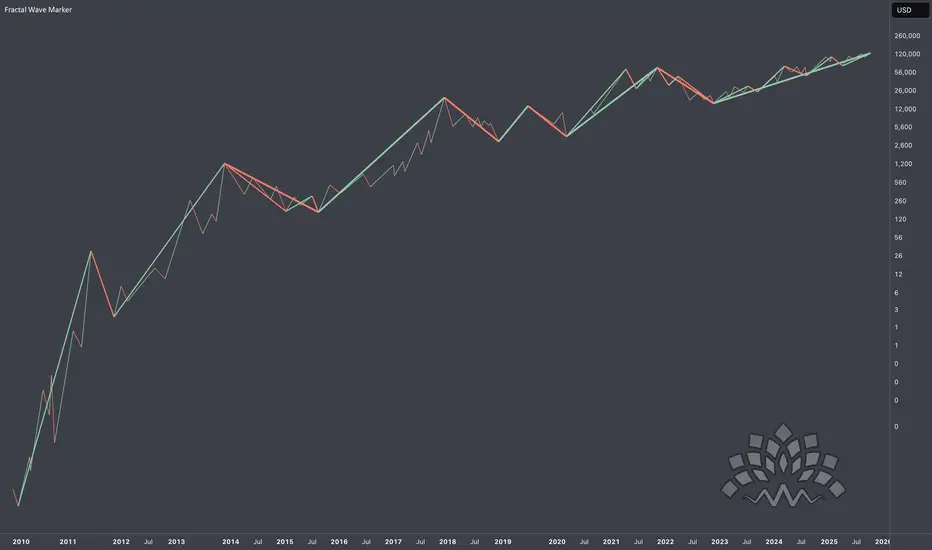
Wave Analysis
Spot forex trading — practical “secrets”1. Trade the market you see, not the story you tell
One of the most costly “secrets” is simply this: markets don’t care about your narrative. Human brains love stories (inflation, wars, central banks) and those stories can be useful, but your priority must be price action and confirmed structure. If price breaks a key level and confirms with follow-through, act. If your view relies entirely on a neat story without price confirmation, you’re speculating, not trading.
2. Make risk management your system’s backbone
Successful traders manage risk first, edge second. A few principles:
Risk a fixed small percent of capital per trade (commonly 0.5–2%). This prevents one loss from wiping your gains.
Define stop loss and maximum acceptable daily drawdown before entering.
Use position sizing math (risk per trade / distance to stop) to determine lots. This is mechanical and removes emotion.
Never average down into a losing position unless you have a documented, statistically tested scaling plan and the trade still fits your edge.
3. The spread and slippage are your invisible costs
Spreads, commissions and slippage silently erode profitability. Avoid trading pairs with wide spreads or during low-liquidity hours. Be mindful of news events that widen spreads and cause slippage. Using limit orders where sensible can reduce market impact, but they come with the risk of not getting filled.
4. Know when liquidity favors you
Forex liquidity follows a daily rhythm: London and New York sessions see the most volume and narrowest spreads. Volatility is higher at market overlaps (London/New York). Trade when your strategy thrives — if you’re a breakout trader, trade during high-liquidity hours; if you prefer quiet mean-reversion, consider quieter times but watch for thin-market spikes.
5. Use timeframes intentionally — multi-timeframe confirmation
A “secret” repeatedly practiced by pros: align multiple timeframes. Identify the primary bias on a higher timeframe (daily/4H), then refine entries on a lower timeframe (1H/15m). This reduces random noise and improves odds. Don’t confuse confirmation with paralysis — you still need execution rules.
6. Focus on a handful of pairs
Mastery beats variety. Pick 3–6 currency pairs and learn their quirks: baseline volatility, reaction to economic releases, correlation to other assets (e.g., USD/JPY sensitivity to risk sentiment). Specialization lets you anticipate typical behavior and manage trades more skillfully.
7. Correlation awareness avoids accidental overexposure
Many currency pairs move together. Holding multiple correlated positions doubles risk without you noticing. Monitor correlations and limit portfolio-level exposure to avoid being leveraged into a single macro move.
8. Trade the event, not the headline
Economic releases are traded in two stages: initial fast move (often noisy and driven by order flow) and the follow-through as market participants digest the new information. If you trade news, have rules about whether you fade the initial spike, chase momentum, or wait for the post-news structure. Rushing in during the chaotic first seconds is a common way to get stopped out.
9. Execution matters: order types and placement
Limit orders can capture better prices and reduce spread costs — use them for entries and scaling.
Stop orders protect capital; place them beyond logical structural levels, not at obvious spots where they’re likely to be hunted.
Virtual stops (mental stops) are dangerous; write your stops in the platform and accept fills.
10. Keep a rigorous trading journal
Record entry/exit, stop size, reasoning, timeframe, emotions, and post-trade thoughts. Over weeks and months, the journal reveals systematic errors (overtrading, revenge trading, entering too early). The journal is the only honest performance feedback loop — analyze it weekly.
11. Have a clear, tested edge
An “edge” might be: specific breakout behavior after a London open, mean reversion after RSI extremes on 1H for EURUSD, or trading divergence with volume confirmation. Backtest carefully, but beware overfitting. Simpler rules that generalize are better than complex rules that only worked historically.
12. Use position scaling and pyramiding conservatively
Scaling in (adding to winners) can be more effective than averaging losers. Add small increments as the trade proves correct and widen stops appropriately. Pyramiding increases position when evidence supports it; averaging into a losing trade destroys capital.
13. Understand carry, swaps, and overnight exposure
Holding spot forex overnight can incur swap/rollover credits or charges depending on interest rate differentials. For short-term traders this is minor; for swing traders it matters. Include swap costs in your plan when holding for days.
14. Manage psychology like a trader, not a gambler
Common mental traps: FOMO (chasing a missed move), revenge trading (immediately trying to recoup a loss), and overconfidence after a streak. Predefine a daily trade limit and a rule to stop after N consecutive losses. Mindfulness, routines, and small rituals before trading can stabilize decision-making.
15. Build a repeatable routine and playbook
Have a morning checklist: review economic calendar, market internals, correlated asset moves (equities, bonds, commodities), overnight price action, and your watchlist levels. A consistent routine reduces impulsive trades and protects capital.
16. Use technology — but avoid overreliance
Algos and EAs can execute consistently, but remember they inherit your assumptions. Backtest on out-of-sample data and forward paper-trade before going live. Latency, slippage, and broker behavior differ from backtest assumptions.
17. Respect market structure — support/resistance, trend, range
Trade with the structure: buy pullbacks in a clean uptrend; sell rallies in a downtrend; trade ranges only when price respects levels repeatedly. Recognize when structure is shifting (higher highs/lows breakdown) and adapt.
18. Continual learning vs. strategy churn
Many traders hurt themselves by switching strategies too often. Test a new idea on a small size or in a demo account and apply only if it shows consistent edge. Maintain a learning log and implement improvements incrementally.
Final secret: small consistent edges compound
You don’t need to be right all the time. If your average win is larger than your average loss and you manage trade frequency and risk, compounding will work in your favor. Shrink risk, increase discipline, and keep trading costs low — that combination, repeated, is the truest “secret” in spot forex.
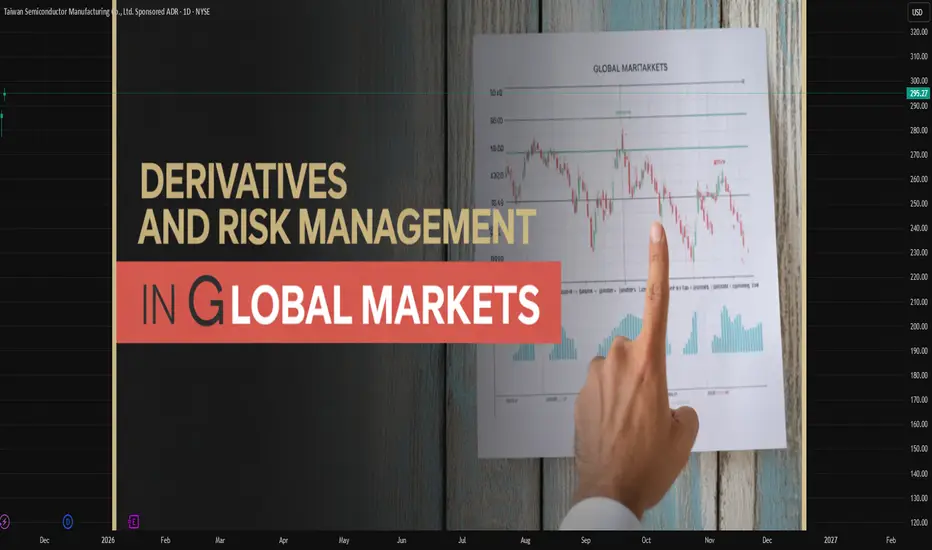
Derivatives Trading in Emerging Markets1. Understanding Derivatives
A derivative is a financial instrument whose value is derived from the price of an underlying asset. The underlying can be stocks, bonds, commodities, interest rates, exchange rates, or market indices. The most common types of derivatives include forwards, futures, options, and swaps.
Forwards are customized contracts traded over the counter (OTC), where two parties agree to buy or sell an asset at a future date at a predetermined price.
Futures are standardized contracts traded on exchanges, reducing counterparty risk through clearing houses.
Options give the holder the right, but not the obligation, to buy or sell an asset at a specified price within a certain period.
Swaps involve the exchange of cash flows or financial instruments between two parties, often to manage exposure to interest rates or currencies.
Derivatives are used for hedging, speculation, and arbitrage, making them vital tools for both risk management and profit generation.
2. Growth of Derivatives in Emerging Markets
Emerging markets such as India, China, Brazil, South Africa, and Indonesia have witnessed rapid growth in derivatives trading over the past two decades. Initially, their financial systems were dominated by cash or spot markets. However, the volatility in exchange rates, commodity prices, and interest rates created demand for instruments that could mitigate these risks.
India’s derivatives market, for example, began in 2000 with index futures on the NSE (National Stock Exchange). Today, it is one of the largest derivatives markets globally in terms of contract volumes.
China launched commodity futures exchanges in the 1990s and gradually introduced financial derivatives, although its government maintains strict control to prevent speculation-driven instability.
Brazil’s BM&FBOVESPA (now B3) is another major hub, offering derivatives on interest rates, currencies, and commodities.
This expansion reflects both the globalization of finance and the increasing sophistication of local investors and institutions.
3. Role and Importance in Emerging Markets
a. Risk Management
Derivatives are crucial for hedging against uncertainties in currency rates, interest rates, and commodity prices. For instance, exporters in India use currency futures to protect themselves from exchange rate fluctuations, while farmers in Brazil hedge their crop prices through commodity futures.
By allowing investors and companies to transfer risk to those willing to bear it, derivatives enhance financial stability.
b. Price Discovery
Futures and options markets help in determining the expected future price of an asset based on market sentiment. For example, futures prices of crude oil or gold on Indian exchanges provide valuable information to producers, traders, and policymakers about expected market conditions.
c. Market Liquidity and Efficiency
Derivatives attract speculators who add liquidity to the market. This increased participation tightens bid-ask spreads and improves overall price efficiency. Furthermore, arbitrage between spot and derivatives markets ensures prices remain aligned, reducing distortions.
d. Financial Deepening
A vibrant derivatives market signals financial maturity. It encourages institutional participation, supports innovation, and contributes to the development of related sectors such as clearing and settlement systems, credit rating agencies, and risk management firms.
4. Challenges Faced by Emerging Markets
While the benefits are clear, emerging markets face several structural and operational challenges in developing robust derivatives markets.
a. Regulatory and Legal Framework
In many countries, the regulatory environment is still evolving. Over-regulation can stifle innovation, while weak supervision can lead to excessive speculation and financial crises. For instance, in some Asian markets, derivatives trading was temporarily banned after being linked to market volatility.
Emerging markets need transparent, consistent, and globally aligned regulations to build investor confidence and attract international participation.
b. Limited Market Depth and Participation
Retail participation in derivatives is often low due to limited awareness and the perception of high risk. Institutional investors, such as pension funds and insurance companies, may face restrictions on using derivatives. As a result, markets may be dominated by a few large players, reducing competition and liquidity.
c. Counterparty and Credit Risk
In OTC derivatives markets, the risk that one party may default on its obligation remains significant. The lack of centralized clearing mechanisms in some markets exacerbates this problem. Developing central counterparty (CCP) systems and improving risk management practices are vital.
d. Infrastructure and Technology
Efficient trading, clearing, and settlement require advanced infrastructure. Some emerging markets still face technological constraints, slow transaction processing, or inadequate risk monitoring systems, limiting the scalability of derivatives trading.
e. Market Manipulation and Speculation
Because derivatives offer high leverage, they can be used for speculative purposes, sometimes leading to market manipulation or bubbles. Regulatory oversight and investor education are essential to prevent misuse.
f. Low Financial Literacy
Many investors in emerging markets lack a full understanding of derivatives. Without proper knowledge, they may engage in speculative trading or misuse derivatives, leading to losses and erosion of trust in the system.
5. Case Studies
India
India’s derivatives market is among the most developed in the emerging world. The NSE and BSE offer a wide range of products, including equity futures and options, currency derivatives, and commodity contracts. The Securities and Exchange Board of India (SEBI) plays a crucial role in regulating the market, ensuring transparency and risk management. India’s introduction of interest rate futures and index options has enhanced hedging opportunities for institutional and retail investors alike.
China
China’s derivatives market has grown rapidly but remains tightly controlled by regulators to avoid excessive speculation. The Shanghai Futures Exchange and Dalian Commodity Exchange are major platforms. China’s government uses derivatives strategically to stabilize commodity and currency markets, reflecting a cautious but steady approach to liberalization.
Brazil
Brazil’s derivatives market, integrated through B3 Exchange, is known for innovation in interest rate and currency products. It supports both domestic and international investors and serves as a model of how derivatives can aid monetary policy and risk management in volatile economies.
6. Future Prospects
The future of derivatives trading in emerging markets is promising, driven by technological innovation, financial integration, and policy reforms.
Digital transformation and algorithmic trading will enhance liquidity and efficiency.
Blockchain and smart contracts could make derivatives trading more transparent and secure.
Cross-border trading and integration with global exchanges will deepen market access.
ESG-linked derivatives may emerge, allowing investors to hedge environmental and sustainability risks.
However, to realize this potential, emerging markets must invest in education, infrastructure, and governance. Collaboration with global institutions such as the International Monetary Fund (IMF) and the World Bank can also provide technical assistance and policy guidance.
7. Conclusion
Derivatives trading has evolved from a sophisticated financial tool to a vital pillar of modern emerging economies. It helps manage risks, enhances liquidity, and strengthens the resilience of financial systems. However, the path to maturity is complex—emerging markets must balance innovation with regulation, speculation with stability, and access with responsibility.
As these economies continue to integrate into the global financial system, the expansion of derivatives markets will play a key role in supporting sustainable growth, attracting foreign investment, and providing the foundation for a more resilient global economy. With prudent regulation, improved market infrastructure, and growing investor sophistication, the future of derivatives trading in emerging markets is both dynamic and promising.
Pharma Stocks in the World Market1. Overview of the Global Pharmaceutical Industry
The global pharmaceutical market is vast and dynamic, valued at over $1.5 trillion as of the mid-2020s. It encompasses traditional drug manufacturers, biotechnology firms, and healthcare innovators. The industry’s growth is driven by several long-term trends such as population aging, chronic disease prevalence, technological innovation, and rising healthcare spending in both developed and emerging economies.
Pharmaceutical companies can broadly be divided into two categories:
Innovator or Research-Based Companies: These firms invest heavily in research and development (R&D) to create new drugs. Examples include Pfizer, Merck, Johnson & Johnson, Roche, Novartis, AstraZeneca, and Eli Lilly.
Generic Drug Manufacturers: These companies produce lower-cost versions of branded drugs after patents expire. Examples include Teva Pharmaceutical, Sun Pharma, Dr. Reddy’s Laboratories, and Cipla.
Both segments are essential to global healthcare, but their business models and profit margins differ significantly.
2. Factors Driving the Growth of Pharma Stocks
a. Aging Population and Chronic Diseases:
As populations age, particularly in developed nations, the prevalence of chronic diseases such as diabetes, cancer, and cardiovascular disorders rises sharply. This creates a steady and long-term demand for pharmaceuticals, making the sector relatively resilient to economic downturns.
b. Technological Advancements:
Innovations in biotechnology, genomics, and artificial intelligence have transformed drug discovery and personalized medicine. New treatments such as gene therapies, immunotherapies, and mRNA vaccines have expanded the scope of healthcare and boosted investor confidence in the sector.
c. Rising Global Healthcare Expenditure:
Governments and private sectors worldwide are increasing their spending on healthcare infrastructure and medication access. Emerging markets such as India, China, and Brazil are witnessing rapid pharmaceutical market expansion due to improving income levels and healthcare awareness.
d. Regulatory Support and Fast-Track Approvals:
Regulatory bodies like the U.S. Food and Drug Administration (FDA) and the European Medicines Agency (EMA) have adopted fast-track processes for breakthrough drugs and pandemic-related treatments. These initiatives accelerate innovation and market entry for critical therapies.
e. Pandemic Influence:
The COVID-19 pandemic profoundly impacted global pharma stocks, showcasing the industry’s vital role. Companies like Pfizer, Moderna, and AstraZeneca gained global prominence for developing vaccines, resulting in unprecedented revenue growth and investor interest.
3. Key Players in the Global Pharma Market
Several multinational corporations dominate the pharmaceutical sector:
Pfizer Inc. (U.S.) – Known for its vaccine leadership and a diversified portfolio across cardiovascular, oncology, and rare diseases.
Johnson & Johnson (U.S.) – A healthcare conglomerate engaged in pharmaceuticals, medical devices, and consumer health products.
Roche Holding (Switzerland) – A leader in oncology and diagnostics, with a focus on precision medicine.
Novartis (Switzerland) – Known for its strong research orientation and biologics pipeline.
AstraZeneca (U.K.) – A major player in oncology and respiratory drugs with a rapidly expanding vaccine business.
Eli Lilly (U.S.) – Recently recognized for its breakthroughs in diabetes and obesity treatments.
Sanofi (France) – A key European player in vaccines and specialty care.
Gilead Sciences (U.S.) – Specializes in antiviral drugs for HIV, hepatitis, and COVID-19.
Bristol Myers Squibb (U.S.) – Known for its innovative cancer immunotherapy products.
GlaxoSmithKline (U.K.) – Focused on vaccines, respiratory, and infectious disease segments.
These companies collectively account for a large share of global pharma revenues and are heavily represented in major stock indices like the S&P 500 Healthcare Index and the MSCI World Health Care Index.
4. Market Trends and Developments
a. Biotechnology and mRNA Revolution:
The success of mRNA vaccines during the COVID-19 pandemic opened new possibilities for treatments against cancers, genetic disorders, and autoimmune diseases. Biotech firms such as Moderna and BioNTech are now among the most-watched stocks globally.
b. Mergers and Acquisitions (M&A):
Consolidation is a key strategy in the pharma sector. Large companies frequently acquire smaller biotech firms to strengthen their drug pipelines and reduce research risks. Examples include Pfizer’s acquisition of Seagen and Amgen’s acquisition of Horizon Therapeutics.
c. Digital Health and AI Integration:
Artificial intelligence is revolutionizing drug discovery, clinical trials, and patient monitoring. Companies integrating AI in R&D—such as Roche and Novartis—are expected to gain a competitive edge.
d. Focus on Rare Diseases:
Pharma firms are increasingly investing in treatments for rare or “orphan” diseases, which often enjoy premium pricing and extended patent protections.
e. Sustainability and ESG Practices:
Investors are emphasizing environmental, social, and governance (ESG) standards. Pharmaceutical firms are being evaluated not only for profits but also for ethical practices, drug pricing transparency, and environmental impact.
5. Risks and Challenges
Despite strong growth potential, pharma stocks face several challenges:
a. Regulatory Hurdles:
Drug development is a long, complex, and costly process. Regulatory delays or denials can significantly impact a company’s valuation and investor sentiment.
b. Patent Expiry and Generic Competition:
When blockbuster drugs lose patent protection, generic manufacturers flood the market with cheaper alternatives, eroding profits.
c. Pricing Pressure:
Governments and insurers worldwide are tightening controls over drug pricing to ensure affordability, especially in the U.S. and Europe.
d. Research and Development Costs:
Developing a single new drug can cost over $2 billion and take more than a decade. Failure in clinical trials can lead to heavy financial losses.
e. Political and Ethical Issues:
Pharma companies often face public scrutiny over drug accessibility, pricing controversies, and intellectual property disputes.
6. Regional Insights
United States:
The U.S. leads the world pharmaceutical market, accounting for nearly 40% of global sales. It has a robust ecosystem of biotech startups, large-cap pharma firms, and supportive venture capital funding. The NASDAQ Biotechnology Index (NBI) and S&P Pharmaceuticals Select Industry Index track many of these leading firms.
Europe:
Switzerland, Germany, the U.K., and France are home to some of the world’s most respected pharmaceutical giants. European firms emphasize innovation in biotechnology, vaccines, and specialty care.
Asia-Pacific:
Countries like India and China have emerged as major manufacturing hubs. India is the world’s largest supplier of generic medicines, while China has rapidly advanced in biologics and contract manufacturing.
Emerging Markets:
Latin America, Africa, and Southeast Asia are witnessing growing demand for affordable healthcare solutions, creating new markets for both branded and generic drugs.
7. Investment Outlook for Pharma Stocks
Pharma stocks are often viewed as defensive investments, meaning they perform relatively well during economic downturns because healthcare demand remains stable. The sector also offers long-term growth potential due to innovation and demographic trends.
Investors typically evaluate pharma companies based on:
R&D pipeline strength
Regulatory approvals and patents
Revenue diversification
Cash flow stability
Dividend history
Exchange-traded funds (ETFs) such as the iShares U.S. Pharmaceuticals ETF (IHE) or SPDR S&P Biotech ETF (XBI) provide diversified exposure to the sector.
8. Future Prospects
The next decade promises significant transformation in the pharmaceutical landscape. Personalized medicine, AI-driven research, digital therapeutics, and global vaccine innovation will reshape how treatments are developed and delivered. Furthermore, the integration of genomics and data analytics will allow for more targeted therapies, reducing side effects and improving patient outcomes.
Pharma companies that can combine innovation, scalability, and ethical responsibility are likely to outperform. Meanwhile, investors seeking stability and long-term value will continue to view pharma stocks as an essential part of diversified portfolios.
Conclusion
Pharma stocks represent a cornerstone of the global market, balancing innovation-driven growth with defensive stability. The industry’s influence extends far beyond financial returns—it underpins human health, economic resilience, and technological progress. Despite regulatory, ethical, and pricing challenges, the sector’s future remains bright, driven by scientific advancements, aging populations, and the ongoing pursuit of better health for all. As global healthcare evolves, pharmaceutical companies will continue to play a central role in shaping the world economy and investment landscape.
Scalping in the World Market1. Understanding Scalping
Scalping is a short-term trading strategy that focuses on exploiting tiny price gaps created by order flows, liquidity imbalances, or temporary market inefficiencies. Unlike swing traders or investors who hold positions for days, weeks, or months, scalpers hold positions for seconds to minutes. The key principle behind scalping is that smaller price movements occur more frequently than larger ones, offering more trading opportunities.
In global markets—such as forex, commodities, equities, and indices—scalpers rely on high liquidity and tight spreads to enter and exit positions quickly. They typically use leverage to magnify gains, as the profit per trade is minimal.
2. Core Principles of Scalping
Scalping operates on several fundamental principles:
Speed: Since market prices can change within milliseconds, speed in execution is essential. Scalpers use advanced trading platforms, direct market access (DMA), and low-latency connections.
Volume: Scalpers make many small trades daily. Each trade might aim for profits as low as 0.05%–0.3%, but hundreds of trades can compound into meaningful returns.
Liquidity: High liquidity ensures that scalpers can enter and exit positions without significant slippage. Major currency pairs like EUR/USD or large-cap stocks like Apple, Microsoft, or Tesla are popular among scalpers.
Risk Control: Because profits per trade are small, losses must be minimized. Scalpers often set tight stop-losses and focus on maintaining a high win rate (above 70%).
3. Types of Scalping Strategies
There are multiple approaches to scalping in the world market, each tailored to different instruments and trader preferences:
a. Market-Making Scalping
Traders act as market makers, placing both buy and sell limit orders around the current price. They profit from the bid-ask spread if both orders are filled. This method requires deep understanding of order book dynamics and access to direct liquidity pools.
b. Momentum Scalping
This strategy relies on identifying short-term trends and trading in the direction of momentum. Scalpers jump into trades when a breakout occurs and exit as soon as momentum slows. It is common in volatile assets like cryptocurrencies and tech stocks.
c. Range Scalping
Scalpers exploit sideways market movements by repeatedly buying at support and selling at resistance. This works well in stable, low-volatility sessions when prices oscillate within a predictable band.
d. News-Based Scalping
Scalpers react to breaking news, such as economic data releases or earnings announcements. Fast reactions to volatility spikes can yield quick profits—but require excellent reflexes and execution systems.
e. Algorithmic Scalping
Automated systems or trading bots are programmed to execute thousands of micro-trades per second based on pre-set parameters. Algorithmic scalping dominates modern global markets due to its speed and efficiency.
4. Scalping Across Global Markets
Scalping takes different forms depending on the market environment and asset class:
a. Forex Market
The foreign exchange market is ideal for scalping due to 24-hour trading, high liquidity, and minimal transaction costs. Popular pairs include EUR/USD, GBP/USD, and USD/JPY. Forex scalpers rely heavily on technical indicators like moving averages, Bollinger Bands, and RSI to time entries and exits.
b. Stock Market
In equity markets, scalping focuses on high-volume, blue-chip stocks. Traders monitor order books, market depth, and volume patterns. Scalpers often use Level II quotes to anticipate short-term price changes.
c. Commodities and Futures
Gold, crude oil, and index futures are popular instruments for scalping because they offer high liquidity and continuous price movement. Traders use tick charts and DOM (Depth of Market) data to detect micro-trends.
d. Cryptocurrency Market
The 24/7 nature and volatility of crypto markets make them attractive for scalping. Bitcoin (BTC), Ethereum (ETH), and Solana (SOL) often move several percent daily, offering frequent micro opportunities. However, spreads and fees can be higher compared to forex.
5. Tools and Techniques Used in Scalping
Successful scalpers rely on advanced tools and precise analysis:
Charting Software: Real-time charting with one-minute, tick, or volume-based time frames.
Indicators: Moving Average Convergence Divergence (MACD), Relative Strength Index (RSI), VWAP (Volume Weighted Average Price), and Stochastic Oscillator.
Order Flow Analysis: Observing the order book, time and sales data, and bid-ask imbalances to anticipate short-term direction.
Hotkeys and Automation: Speedy order entry and exits are crucial, often executed using hotkeys or algorithmic scripts.
Broker and Platform: Low-latency brokers with ECN (Electronic Communication Network) access and minimal spreads are preferred.
6. Advantages of Scalping
Frequent Opportunities: Since prices fluctuate constantly, there are continuous trading chances.
Limited Exposure: Positions are held briefly, reducing exposure to large market swings or news shocks.
Compounding Gains: Small consistent profits accumulate over time, building meaningful returns.
Adaptability: Scalping strategies can be applied to multiple asset classes globally.
7. Disadvantages and Risks of Scalping
Despite its appeal, scalping is challenging and not suitable for every trader:
High Transaction Costs: Frequent trades lead to higher commissions and fees that can erode profits.
Stress and Concentration: The need for quick decisions and constant monitoring can be mentally exhausting.
Execution Slippage: Delays in order execution can turn profitable trades into losses.
Broker Restrictions: Some brokers discourage or prohibit scalping due to the high server load and short holding times.
Small Margin of Error: One large loss can wipe out profits from dozens of successful trades.
8. Psychology of a Scalper
Scalping demands a specific mindset. Scalpers must remain calm, disciplined, and unemotional even under intense market pressure. They focus on process over outcome, knowing that statistical consistency matters more than any single trade. Impulsiveness or revenge trading can quickly destroy a scalper’s capital.
Good scalpers often have backgrounds in mathematics, data analysis, or programming, allowing them to develop or optimize trading systems that enhance precision and risk control.
9. Risk Management in Scalping
Effective risk management is crucial. Typical techniques include:
Tight Stop-Loss Orders: To prevent large drawdowns, stops are set just a few ticks away.
Position Sizing: Scalpers limit exposure per trade to a small portion of their capital.
Daily Loss Limits: Many professionals stop trading after hitting a predefined loss cap.
Avoiding Overtrading: Not every price movement is an opportunity; discipline is key.
10. The Future of Scalping in the Global Market
As global markets become increasingly digitalized, scalping is evolving rapidly. The rise of high-frequency trading (HFT), AI-driven algorithms, and machine learning models has made manual scalping less dominant but still viable for specialized traders.
Technological advances such as low-latency networks, colocation near exchange servers, and quantitative analysis tools give professional scalpers a competitive edge. However, regulators worldwide are introducing tighter rules to ensure market fairness, which affects the way scalping is conducted—especially in equity and futures markets.
Conclusion
Scalping plays a vital role in the global financial ecosystem by enhancing liquidity, narrowing spreads, and maintaining market efficiency. It attracts traders who thrive on speed, precision, and discipline. While it offers the potential for consistent profit, it demands exceptional skill, emotional control, and access to cutting-edge technology.
In essence, scalping is not just about quick profits—it is a test of reflexes, discipline, and strategy in a world where milliseconds can determine success or failure. As automation and AI reshape global trading, scalping continues to be both an art and a science, symbolizing the ultimate pursuit of efficiency in the financial markets.
The Role of the Metals Market in Global Trade1. Historical Background and Evolution of the Metals Market
Metals have played a pivotal role in the evolution of human societies. Ancient civilizations like Egypt, Mesopotamia, and the Indus Valley used copper, bronze, and gold for tools, ornaments, and trade. The discovery of iron marked the beginning of the Iron Age, revolutionizing warfare, agriculture, and construction. As maritime trade expanded during the Renaissance, gold and silver became the foundation of global commerce, with countries competing for control over mineral-rich territories.
The Industrial Revolution in the 18th and 19th centuries marked a turning point. The demand for coal, iron, and later steel surged as nations built railways, ships, and factories. This era established metals as a driving force behind industrial power. In the 20th century, aluminum, copper, and nickel became essential for the automotive, electrical, and aerospace industries. Today, the digital revolution and green transition have added new dimensions to the metals trade, with lithium, cobalt, and rare earth elements at the forefront.
2. Classification of Metals in Global Trade
Metals can broadly be classified into precious metals, base metals, and ferrous metals:
Precious metals such as gold, silver, and platinum are valued for their rarity, monetary use, and investment appeal. They often act as safe-haven assets during economic uncertainty.
Base metals like copper, aluminum, zinc, and nickel are essential industrial inputs used in construction, manufacturing, and electronics.
Ferrous metals, primarily iron and steel, form the backbone of global infrastructure, machinery, and transportation.
Each category plays a distinct role in trade flows and economic development, influencing everything from industrial output to currency stability.
3. Key Players in the Global Metals Market
The global metals trade is dominated by a few major producers and consumers:
China is the largest consumer and producer of most base metals, particularly steel and aluminum. Its rapid industrialization has made it a major influencer of global metal prices.
Australia, Brazil, and Chile are leading exporters of iron ore, copper, and other minerals, contributing significantly to global supply.
The United States, Russia, and Canada play key roles in producing precious metals and industrial metals like nickel and palladium.
Africa, particularly countries like South Africa and the Democratic Republic of Congo (DRC), is rich in gold, platinum, and cobalt resources.
These nations’ trade relationships often reflect their comparative advantages in metal production and processing, forming the foundation for global supply chains.
4. Metals as Strategic and Economic Assets
Metals are not just industrial materials—they are strategic assets that influence national security and economic resilience. Nations stockpile metals like copper, nickel, and rare earth elements to secure industrial supply chains and mitigate geopolitical risks. For example:
Rare earth metals are crucial for producing high-tech devices, defense equipment, and renewable energy systems. China’s dominance in this sector gives it significant geopolitical leverage.
Oil-to-metal transitions, driven by green energy goals, have increased the demand for metals like lithium and cobalt used in electric vehicle (EV) batteries and renewable technologies.
Consequently, control over metal reserves has become a modern form of strategic power, shaping trade alliances and economic policies.
5. Pricing and Market Dynamics
Metal prices are determined by supply-demand fundamentals, economic cycles, and speculative activities. Major commodities exchanges like the London Metal Exchange (LME), Chicago Mercantile Exchange (CME), and Shanghai Futures Exchange (SHFE) facilitate global pricing and hedging.
Factors influencing metal prices include:
Economic growth: Rising industrial activity boosts metal demand and prices.
Technological innovation: New manufacturing technologies alter consumption patterns (e.g., lightweight aluminum replacing steel).
Geopolitical tensions: Trade restrictions or sanctions can disrupt supply chains.
Environmental policies: Carbon regulations and sustainability goals affect mining and production costs.
Investment flows: Metals also serve as speculative assets, influenced by currency strength, inflation, and interest rates.
Thus, metal prices often act as economic indicators, reflecting global industrial health and investor sentiment.
6. The Role of Metals in Industrialization and Infrastructure Development
Metals are indispensable to industrialization. Steel underpins infrastructure — bridges, railways, and skyscrapers — while copper powers electrical networks and communication systems. Aluminum enables lightweight transportation and aerospace manufacturing, and nickel and cobalt are key in renewable energy storage.
Developing economies rely heavily on metal imports to build infrastructure and manufacturing capacity. For instance, India’s expanding urbanization and infrastructure development drive strong demand for iron and aluminum. Conversely, developed economies export technology and capital to resource-rich nations in exchange for raw materials, fostering interdependence in global trade.
7. Environmental and Sustainability Challenges
Mining and metal production are energy-intensive processes that contribute significantly to carbon emissions and ecological degradation. The global push toward sustainability has forced the metals industry to adopt cleaner technologies and recycling practices.
Recycling metals reduces energy consumption by up to 95% compared to primary production.
Circular economy models are being promoted to minimize waste and maximize resource efficiency.
ESG (Environmental, Social, and Governance) frameworks now influence investment in mining and metal companies, driving greener operations.
Additionally, the transition to renewable energy and electric vehicles has paradoxically increased demand for certain metals like lithium and copper, creating new sustainability dilemmas related to mining practices.
8. Trade Policies and Market Regulation
Governments play a crucial role in shaping metal trade through tariffs, export restrictions, and subsidies. For example:
The U.S.–China trade tensions have led to tariffs on aluminum and steel.
Indonesia has imposed export bans on nickel ore to encourage domestic processing.
The European Union’s Carbon Border Adjustment Mechanism (CBAM) aims to penalize imports of carbon-intensive metals, pushing producers toward cleaner production.
These policies influence global trade patterns, encouraging nations to diversify sources and invest in local refining capacities.
9. The Future of the Global Metals Market
The metals market is undergoing a structural transformation. The shift toward green technologies, digitalization, and geopolitical realignments will reshape global demand and supply chains.
Key trends include:
Rising demand for battery metals (lithium, cobalt, nickel) due to electric vehicle growth.
Technological advances in mining, such as automation and AI, enhancing efficiency.
Increased recycling and circular economy initiatives.
Geopolitical competition over strategic metals, especially between the U.S., China, and the EU.
Digital metal trading platforms improving transparency and liquidity.
These developments indicate that the future metals market will be more sustainable, technologically advanced, and geopolitically complex.
10. Conclusion
The metals market remains a cornerstone of global trade, connecting economies through resource flows and industrial demand. Metals shape not only the physical world—through construction, manufacturing, and technology—but also the geopolitical and economic landscape. As nations strive for cleaner growth, technological advancement, and strategic security, metals will continue to hold immense importance. From traditional iron and copper to modern lithium and rare earths, metals are the silent engines driving the global economy forward. Their trade will increasingly define the balance between growth, sustainability, and geopolitical influence in the 21st century.
ESG Investing and Sustainable Finance1. Understanding ESG Investing
ESG stands for Environmental, Social, and Governance — the three key pillars used to evaluate the sustainability and ethical impact of an investment.
Environmental (E):
This pillar examines how a company manages its environmental responsibilities. Factors include carbon emissions, energy efficiency, waste management, pollution control, renewable energy use, and climate change mitigation strategies.
Example: Companies that reduce greenhouse gas emissions or invest in renewable energy are seen as environmentally responsible.
Importance: Investors assess environmental performance to gauge how well a company can manage climate-related risks and comply with emerging environmental regulations.
Social (S):
This component focuses on how a company interacts with people — employees, customers, suppliers, and communities. It includes labor practices, employee welfare, diversity and inclusion, human rights, product safety, and community engagement.
Example: Firms that promote gender equality, maintain fair wages, or engage in ethical supply chains demonstrate strong social values.
Importance: Socially responsible companies tend to attract loyal customers, maintain a motivated workforce, and avoid reputational risks.
Governance (G):
Governance deals with corporate leadership, internal controls, and shareholder rights. It assesses board diversity, executive pay, ethical business conduct, transparency, and anti-corruption policies.
Example: Companies with independent boards, fair executive compensation, and transparent reporting systems score high in governance.
Importance: Good governance reduces the likelihood of fraud, mismanagement, and unethical behavior — ensuring long-term stability.
In ESG investing, these three dimensions help investors identify organizations that are not only financially sound but also sustainable and ethical in their operations.
2. The Rise of ESG Investing
ESG investing has evolved from a niche concept to a global mainstream movement. Several factors have contributed to this shift:
Investor Awareness:
Modern investors, particularly millennials and Gen Z, are increasingly motivated by values. They prefer to invest in companies that align with their ethical and environmental beliefs.
Regulatory Push:
Governments and international bodies are promoting ESG standards. For example, the European Union introduced the Sustainable Finance Disclosure Regulation (SFDR), and India’s Business Responsibility and Sustainability Report (BRSR) mandates ESG disclosures for top-listed companies.
Corporate Accountability:
Global corporations are under growing pressure to adopt ESG frameworks, not only to attract investors but also to secure long-term sustainability and brand credibility.
Risk Management:
ESG factors are now recognized as essential to identifying long-term risks such as environmental disasters, regulatory changes, or social unrest that could affect business performance.
According to data from the Global Sustainable Investment Alliance (GSIA), ESG-related investments surpassed $35 trillion globally by 2023, representing about one-third of all professionally managed assets.
3. The Concept of Sustainable Finance
While ESG investing focuses on evaluating company performance using sustainability metrics, sustainable finance refers to the broader financial system that supports sustainable development.
Sustainable finance integrates environmental, social, and governance considerations into all aspects of financial decision-making — including banking, insurance, and capital markets. It aims to channel capital toward projects and companies that contribute positively to society and the planet.
Key components of sustainable finance include:
Green Finance:
This focuses on funding environmentally friendly projects — such as renewable energy, energy-efficient infrastructure, sustainable agriculture, or water conservation.
Example: Green bonds are debt instruments used to finance environmental projects.
Social Finance:
This supports initiatives that improve social well-being — such as affordable housing, education, healthcare, or employment generation.
Climate Finance:
A subcategory of sustainable finance, it targets investments that mitigate or adapt to climate change. This includes funding clean technologies and climate-resilient infrastructure.
Impact Investing:
This approach seeks measurable positive social and environmental outcomes alongside financial returns. Investors directly fund projects or enterprises that deliver tangible societal benefits.
4. Interconnection Between ESG Investing and Sustainable Finance
ESG investing is a subset of sustainable finance. While ESG focuses on assessing companies through sustainability metrics, sustainable finance provides the financial infrastructure — such as green bonds, sustainability-linked loans, and climate funds — to support those ESG-driven companies and initiatives.
In other words:
ESG provides the criteria for evaluation.
Sustainable finance provides the capital for transformation.
Together, they form a comprehensive ecosystem where financial decisions contribute to a greener, fairer, and more transparent global economy.
5. Benefits of ESG Investing and Sustainable Finance
Long-Term Value Creation:
ESG-aligned companies tend to perform better in the long run due to better risk management, innovation, and adaptability.
Lower Risk Exposure:
Firms adhering to ESG standards are less likely to face regulatory fines, lawsuits, or reputational damage.
Improved Access to Capital:
Sustainable companies attract more investors, as many institutional funds now mandate ESG compliance.
Enhanced Reputation and Brand Loyalty:
Consumers increasingly support ethical and eco-conscious brands, boosting market share.
Positive Societal Impact:
Capital is directed toward solving global issues like climate change, poverty, and inequality, leading to inclusive growth.
6. Challenges in ESG and Sustainable Finance
Despite its growth, ESG investing faces several obstacles:
Lack of Standardization:
Different rating agencies use varying ESG criteria, leading to inconsistent evaluations of the same company.
Greenwashing:
Some companies falsely claim to be sustainable to attract investors — a practice known as “greenwashing.”
Data Limitations:
Reliable and comparable ESG data is scarce, especially in emerging markets.
Short-Term Market Pressures:
Investors often prioritize quarterly profits over long-term sustainability goals.
High Implementation Costs:
Transitioning to sustainable practices can be expensive, particularly for small and medium enterprises (SMEs).
7. Global and Indian Perspective
Globally, regions like Europe and North America lead in ESG adoption, with institutional investors such as BlackRock and Vanguard emphasizing sustainability mandates. The United Nations Principles for Responsible Investment (UN PRI) and the Paris Agreement have further driven ESG integration into the financial system.
In India, ESG and sustainable finance are gaining momentum:
SEBI (Securities and Exchange Board of India) has made ESG reporting mandatory for the top 1,000 listed companies under the BRSR framework.
The Reserve Bank of India (RBI) has initiated policies supporting green and social financing.
Indian banks like SBI and HDFC are issuing green bonds to finance renewable energy and social projects.
This marks a clear shift in India’s investment culture — aligning financial growth with sustainability.
8. The Future of ESG and Sustainable Finance
The future of finance lies in sustainability-driven innovation. Artificial intelligence, big data, and blockchain are being used to enhance ESG data transparency and traceability. Governments are introducing carbon pricing, taxonomy regulations, and sustainability-linked incentives to encourage responsible investing.
As climate risks and social inequalities intensify, ESG and sustainable finance will continue to evolve — not as alternatives but as the new standard of global financial practice.
Conclusion
ESG investing and sustainable finance represent more than just financial trends — they are part of a paradigm shift in how societies view growth and prosperity. They align economic success with social well-being and environmental preservation. By integrating sustainability into financial systems, investors and institutions are not only securing returns but also shaping a resilient, equitable, and sustainable future for generations to come.
In essence, profit and purpose are no longer opposites — they are partners in the global mission toward sustainable development.
Fractal Dimension VisualizedThere are plenty of times where fractals are mentioned across TA, from indicators like FRAMA, Williams Fractals, concepts like Elliott waves - all the way to my own way of breaking cycles through Fibonacci Channels. Pretty much most of them are about self-similar behavior of the market which is often invisible to unweponized eye.
In this piece I’m going to the core - fractal dimension . Don’t fixate on numbers! Instead, visualize the scaling process: how structures fills space as you zoom in and out.
Regular Dimensions
The most fundamental question is: How many copies (N) do we get with each magnification (R).
Line (1D): A line has only one length. If I magnify length by a factor R, the number of smaller copies that fit is N=R. (Double the length → 2 copies; in general N = R^1.)
Square (2D): Magnify side length by R: the big square splits into a grid of R x R old squares, so N=R^2.
Cube (3D): Magnify edge length by R: the big cube contains R x R x R small cubes, so N=R^3.
So in D dimensions, when you scale length by R, the count of self-similar copies is N = R^D
Hence, we can extract dimension: D = log N / log R
This is the similarity dimension formula when the object breaks into N exact copies, each scaled by 1/R in length.
Application to Fractals
Sierpinski Triangle
We actually start with a solid 2D equilateral triangle. Then we remove the central upside-down triangle to leave three smaller solid triangles. Now we repeat that step inside every remaining triangle, forever. As this process continues, any patch of solid area that survives will eventually be removed, so the total area shrinks toward zero while the number of pieces explodes. The limit is the Sierpiński triangle: not “just lines,” but a fractal set with no area and a non-integer dimension between 1 and 2
At each step you get N=3 copies, each scaled by 1/2 (so R=2).
D = log 3 / log 2 = 1.5850
How to work out D in practice
Identify the scaling length: by what factor R must you magnify so the large figure looks like a collage of smaller identical copies?
Count those copies N.
Plug into D = log N / log R.
This is highly important for perceiving scaling laws not just for self-similar shapes but also other patterns.
How to Trade Crude Oil with Smart Money Concepts SMC Explained
Smart Money Concepts is one of the most reliable techniques for trading WTI Crude Oil.
In this article, I will teach you a profitable SMC strategy for analysing and trading USOIL futures and CFD.
This simple strategy is based on an important event every SMC trader should know - a break of structure BoS.
In a bullish trend, the best break of structure will be based on a violation and a candle close above a current higher high.
It will signify a highly probable bullish continuation and provides a great opportunity to buy
Though you can spot a bullish break of structure on any time frame, the most reliable one is a daily.
After a formation of a new high, I suggest waiting for a short term intraday correctional movement.
With a high probability, the market will retest a recently broken structure and smart money will manipulate the market, pushing the price below that, making buyers close their positions.
Once the market starts retracing, analyze an hourly time frame. The price will need to establish an i ntraday minor bearish trend.
In this bearish trend, 2 trend lines should connect lower highs and lower lows composing an expanding, parallel or contracting channel - a bullish flag pattern.
Your best signal will be a breakout of a resistance line of the flag and a violation of the level of the last lower high - a bullish change of character of a liquidity grab.
It will confirm a completion of a correction.
Buy the market on a retest of the level of the last higher low, it will be your best entry.
Set your stop loss at least below a trend line and aim at the next strong daily resistance.
That will be a perfect model for trading break of structure on WTI Crude Oil.
We spotted such a setup in my trading academy on one of the live streams with my students.
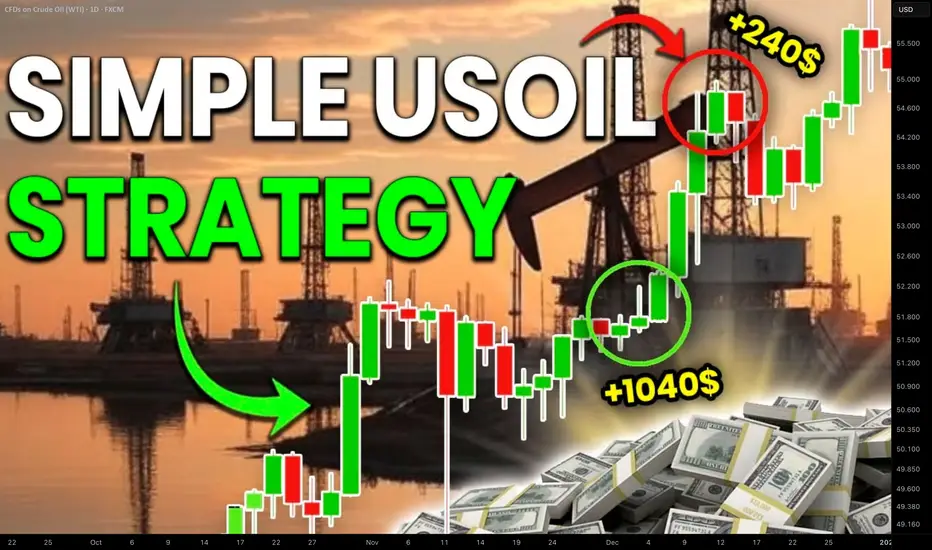
WTI Crude Oil was trading in an uptrend on a daily time frame.
A bullish violation of the last Higher High and a candle close above that confirmed a Break of Structure BoS.
The price started a correctional movement then, and we spotted a bullish flag pattern on an hourly time frame.
The market completed a correction after grabbing a liquidity below a broken structure.
A bullish movement started then, and the price violated a resistance line of the flag and the level of the last lower high.
These 2 breakouts confirmed a completion of a correction and a resumption of a bullish trend.
We opened a buy position immediately on a retest of a broken level of the last lower high.
Stop loss was below a trend line, take profit was based on the closest key daily resistance.
And the price went straight to the target.
Break of Structure BoS will be useful for analysis, forecasting and trading WTI Crude Oil.
Combining that with top-down analysis and lower time frames confirmations will provide accurate signals and profitable trading setups.
Integrate a price model that I shared in your strategy, and good luck to you trading USOIL!
❤️Please, support my work with like, thank you!❤️
I am part of Trade Nation's Influencer program and receive a monthly fee for using their TradingView charts in my analysis.
Sanctions and Their Role in the Global Market1. Understanding Sanctions
Sanctions are restrictions placed by one country or a group of countries on another nation or entity to enforce international laws or influence political or economic decisions. They are often used as alternatives to military intervention, serving as diplomatic or economic pressure tools. Sanctions can be applied for various reasons — to punish aggression, prevent nuclear proliferation, counter terrorism, or respond to human rights violations.
The key players in imposing sanctions are major economic and political blocs such as the United Nations (UN), the European Union (EU), and powerful individual nations like the United States. The U.S., for instance, uses the Office of Foreign Assets Control (OFAC) to design and enforce sanctions globally.
2. Types of Sanctions
Sanctions come in several forms, each targeting different aspects of an economy or government operation. The most common types include:
Economic Sanctions:
These restrict trade and financial transactions. Examples include import and export bans, restrictions on investments, or freezing of assets. Economic sanctions are intended to weaken a nation’s economic stability.
Trade Sanctions:
Trade restrictions can prevent the export of critical goods like oil, technology, or weapons. For instance, sanctions on Iran’s oil exports have significantly limited its main source of revenue.
Financial Sanctions:
These target banking systems, financial institutions, and access to international payment systems like SWIFT. Russia, for example, faced severe financial isolation after its 2022 invasion of Ukraine.
Travel and Visa Sanctions:
These restrict the movement of political leaders, business executives, or individuals associated with illicit activities.
Military Sanctions:
These include arms embargoes that prevent the sale or supply of weapons and military technology.
Sectoral Sanctions:
These are targeted at specific sectors, such as defense, energy, or finance, to maximize economic pressure while minimizing collateral damage.
3. Objectives of Sanctions
The main goal of sanctions is to influence the behavior of governments or organizations without direct conflict. Their objectives include:
Deterring Aggression:
Sanctions can discourage military invasions or aggressive policies by raising the economic costs of conflict.
Promoting Human Rights:
Countries imposing sanctions often aim to pressure regimes accused of human rights abuses to change their policies or release political prisoners.
Preventing Nuclear Proliferation:
Sanctions against nations like North Korea and Iran are designed to stop the development of nuclear weapons programs.
Countering Terrorism:
Sanctions can block financial channels and assets used by terrorist groups.
Maintaining Global Stability:
Sanctions can be part of a coordinated global response to maintain international peace and uphold the rules-based order.
4. Mechanisms and Enforcement
Sanctions are typically implemented through laws, executive orders, or international agreements. Enforcement mechanisms include:
Asset Freezes: Preventing access to money or property held in foreign accounts.
Export Controls: Blocking the sale of critical goods, technology, or services.
Financial Restrictions: Limiting a country's access to international capital markets or payment systems.
Secondary Sanctions: Penalizing third-party countries or companies that do business with the sanctioned nation.
Monitoring compliance is crucial. Organizations such as the Financial Action Task Force (FATF) help track illegal financial activities and ensure that sanctions are effectively enforced.
5. Impact on the Global Market
The effects of sanctions ripple through the global economy, influencing trade balances, currency values, and market confidence. The impact varies based on the size and integration of the targeted country into the global market.
a. Trade and Supply Chains
Sanctions often disrupt global supply chains. For instance, sanctions on Russia and Iran have affected oil and gas supplies, driving up energy prices worldwide. Similarly, export restrictions on high-tech goods to China have reshaped global semiconductor and electronics markets.
b. Energy Markets
Energy is one of the most affected sectors. Russia’s sanctions after the Ukraine conflict caused global oil and gas price surges, forcing Europe to seek alternative energy suppliers. The Organization of the Petroleum Exporting Countries (OPEC) also faces indirect pressure when sanctions alter global energy supply and demand dynamics.
c. Financial Markets
Financial sanctions can restrict global capital flow. When large economies face sanctions, investors often move funds to safer markets, affecting currency exchange rates and global liquidity. For example, the freezing of Russian foreign reserves shook confidence in the global financial system and led to a rethinking of foreign reserve management by other nations.
d. Currency and Inflation
Countries under sanctions often experience currency depreciation due to restricted foreign investment and reduced exports. This leads to inflation and reduced purchasing power. Conversely, global markets can see inflation spikes when critical exports like oil or metals are restricted.
e. Global Business and Investment
Multinational corporations often have to withdraw from sanctioned regions to avoid penalties. For example, Western companies left Russia in 2022, leading to billions in losses. At the same time, other countries—like China, India, and Turkey—sometimes step in to fill trade gaps, reshaping global business networks.
6. Winners and Losers of Sanctions
Sanctions do not impact all players equally.
Losers:
The sanctioned nation’s economy typically suffers severe downturns—loss of exports, unemployment, and financial isolation. Ordinary citizens bear the brunt of inflation and shortages.
Winners:
Competing countries may benefit by capturing markets vacated by the sanctioned nation. For example, when Western countries stopped buying Iranian oil, Asian importers received discounted rates.
Some nations, particularly those with large domestic markets or resource independence, can mitigate sanctions' effects. Russia and Iran, for example, have developed parallel financial systems and strengthened ties with non-Western economies.
7. Geopolitical and Strategic Consequences
Sanctions also alter geopolitical alliances. Countries facing sanctions often form new partnerships to bypass restrictions. The growing trade between Russia, China, and Iran illustrates the emergence of an alternative economic bloc.
Furthermore, sanctions can accelerate de-dollarization—efforts by countries to reduce reliance on the U.S. dollar in international trade. This trend threatens to reshape the structure of global finance in the long term.
8. Criticisms and Limitations
While sanctions aim to promote peace and justice, they often have unintended consequences. Critics argue that:
Humanitarian Impact: Sanctions can lead to shortages of food, medicine, and essentials, harming civilians more than political elites.
Limited Effectiveness: Some regimes adapt through smuggling, black markets, or new alliances, reducing the intended pressure.
Global Economic Distortion: Sanctions can destabilize global markets, raising costs for consumers worldwide.
Political Misuse: At times, sanctions are used to advance national interests rather than collective global welfare.
9. The Future of Sanctions in a Multipolar World
As global power becomes more multipolar, sanctions may evolve from unilateral tools into complex, multilateral strategies. The rise of alternative payment systems, digital currencies, and regional alliances is challenging traditional sanction mechanisms.
Future sanctions are likely to become more targeted, using data analytics and AI to precisely identify and restrict individuals or companies, minimizing collateral damage. Digital finance, blockchain monitoring, and trade transparency will shape how sanctions are enforced.
10. Conclusion
Sanctions are a central instrument of global diplomacy and economic policy. They influence trade routes, investment flows, and geopolitical alignments across the world. While they serve as a non-violent means to uphold international norms, their ripple effects on the global market can be profound—affecting everything from oil prices to inflation and financial stability.
The challenge for the international community is to design sanctions that are strategic, humane, and effective, achieving political goals without destabilizing the world economy. In an era of interconnected markets, the role of sanctions will continue to grow—reflecting not only power politics but also the evolving architecture of the global financial and trade system.
Capital Flows Impacted1. Understanding Capital Flows
Capital flows are broadly classified into two categories:
Foreign Direct Investment (FDI):
Long-term investments in physical assets like factories, infrastructure, or real estate. FDI represents stable and sustainable investment because it indicates confidence in the host country’s economy.
Portfolio Investment:
Short-term investment in financial assets like stocks, bonds, or other securities. These flows are more volatile, as investors can quickly withdraw funds based on changes in risk perception or economic conditions.
Other Capital Flows:
These include banking sector flows, loans, and remittances. While remittances are generally stable, banking flows can fluctuate depending on interest rates and credit conditions.
Capital flows contribute to a country’s balance of payments, affect exchange rates, and determine the availability of foreign reserves. They can enhance investment, technology transfer, and job creation, but excessive inflows or sudden outflows can destabilize financial markets.
2. Factors Impacting Capital Flows
Capital flows are influenced by both push factors (conditions in advanced economies) and pull factors (conditions in emerging markets).
a. Global Interest Rates
One of the most powerful influences on capital movement is the difference in interest rates between countries.
When interest rates in advanced economies like the United States rise, investors tend to pull money out of emerging markets to take advantage of higher returns on safer assets such as U.S. Treasury bonds.
Conversely, when global interest rates are low, investors seek higher yields in developing countries, leading to capital inflows.
For example, during the U.S. Federal Reserve’s monetary tightening cycles, emerging markets like India, Brazil, and Indonesia often experience capital outflows and currency depreciation.
b. Inflation and Macroeconomic Stability
High inflation reduces the real return on investments, making a country less attractive for foreign capital. Investors prefer economies with stable prices and predictable policy environments. Macroeconomic instability—such as high fiscal deficits, political turmoil, or weak governance—can trigger capital flight as investors look for safer destinations.
c. Exchange Rate Movements
Exchange rate expectations play a crucial role in capital flow decisions.
If investors expect a currency to appreciate, they increase inflows to benefit from exchange gains.
If depreciation is expected, capital outflows intensify as investors try to avoid losses.
Unstable or artificially managed exchange rates can also discourage long-term investment, as they create uncertainty about future returns.
d. Trade and Investment Policies
Governments that promote open trade, ease of doing business, and investor-friendly policies tend to attract more capital. On the other hand, restrictive trade policies, high tariffs, or uncertain regulatory environments discourage investors.
For example, India’s liberalization reforms in the 1990s led to significant FDI inflows, while policy uncertainty in some developing countries has caused capital to dry up.
e. Geopolitical and Global Uncertainties
War, sanctions, political instability, and diplomatic tensions often lead to abrupt shifts in capital flows. Investors seek safe-haven assets such as gold, the U.S. dollar, or Swiss franc during uncertain times. The Russia-Ukraine war and tensions in the Middle East have both demonstrated how quickly capital can move in response to global crises.
3. How Capital Flows Impact Economies
The impact of capital flows can be both positive and negative, depending on their nature, duration, and management.
a. Positive Impacts
Boost to Investment and Growth:
Inflows of foreign capital provide funds for domestic investment, which can increase productivity, job creation, and infrastructure development.
Technology Transfer and Knowledge Sharing:
FDI often brings advanced technologies, managerial skills, and innovation to the host country, improving competitiveness.
Strengthening of Financial Markets:
Portfolio inflows increase liquidity in stock and bond markets, deepening the financial system and promoting market efficiency.
Improved External Balances:
Stable capital inflows help countries finance current account deficits and build foreign exchange reserves.
b. Negative Impacts
Volatility and Financial Instability:
Short-term capital, especially portfolio flows, can exit the market rapidly, leading to sharp currency depreciation, stock market crashes, and financial crises.
Exchange Rate Appreciation (Dutch Disease):
Excessive capital inflows can cause the local currency to appreciate, making exports less competitive and hurting the manufacturing sector.
Asset Bubbles:
Large inflows can fuel speculative investments in real estate or equities, inflating asset bubbles that may burst later.
Dependency and External Vulnerability:
Over-reliance on foreign capital can make an economy vulnerable to global shocks. Sudden outflows can lead to liquidity crises, as witnessed during the 1997 Asian Financial Crisis.
4. Historical and Contemporary Examples
Asian Financial Crisis (1997–98):
Rapid capital inflows into Southeast Asia fueled credit and asset bubbles. When investor confidence collapsed, massive outflows led to currency crashes and economic recessions.
Global Financial Crisis (2008):
In the wake of the crisis, developed nations lowered interest rates, leading to a surge in capital inflows to emerging markets like India and Brazil. However, these flows reversed when the U.S. signaled policy tightening in 2013, causing the “taper tantrum.”
COVID-19 Pandemic (2020):
The pandemic caused unprecedented global uncertainty, leading to sudden capital outflows from emerging markets. Later, massive liquidity injections by central banks brought capital back, especially into tech and healthcare sectors.
Current Scenario (2023–2025):
Persistent global inflation, high U.S. interest rates, and geopolitical instability have created volatile capital movements. Many emerging markets are witnessing capital outflows due to a strong U.S. dollar and rising global risk aversion.
5. Policy Measures to Manage Capital Flow Impacts
Governments and central banks use various strategies to mitigate the negative effects of volatile capital movements:
Monetary Policy Adjustments:
Central banks can use interest rate changes to stabilize currencies and control inflation, influencing the direction of capital flows.
Foreign Exchange Reserves:
Maintaining adequate reserves helps cushion against sudden outflows and currency volatility.
Capital Controls:
Temporary restrictions on certain types of inflows or outflows can prevent speculative attacks and financial instability.
Macroprudential Regulations:
Strengthening the banking system through regulations reduces the risk of asset bubbles and credit booms fueled by capital inflows.
Fiscal Discipline:
A sound fiscal policy framework reassures investors of a stable economic environment, encouraging long-term investment.
6. Conclusion
Capital flows are a double-edged sword in the global economy. While they promote growth, innovation, and development, their volatility poses challenges to economic stability. Managing capital flows effectively requires a careful balance between openness and prudence.
Countries must design policies that attract long-term, productive investments while shielding their economies from the adverse effects of short-term speculative movements. As globalization deepens, the interdependence of financial markets means that even local policy decisions can have global repercussions. Therefore, maintaining financial stability amid changing global capital dynamics remains one of the most critical tasks for modern policymakers.
In essence, capital flows reflect not just the movement of money but the pulse of global confidence — a signal of how nations are perceived in an interconnected economic world.
Global Trade, Cost Inflation, and Interest RatesIntroduction: An Interconnected Analysis
The global economy is a complex web of interdependent factors where trade, inflation, and interest rates play pivotal roles in determining economic growth, stability, and prosperity. These three variables—global trade, cost inflation, and interest rates—are deeply interconnected. Changes in one often trigger ripple effects across the others, influencing everything from consumer prices to investment flows and geopolitical dynamics. Understanding their relationship is essential to grasp how modern economies function and respond to challenges like supply chain disruptions, energy crises, and policy shifts by central banks.
1. Global Trade: The Engine of Economic Growth
Global trade refers to the exchange of goods and services across international borders. Over the past several decades, global trade has been a major driver of economic development, technological progress, and poverty reduction. It allows countries to specialize in producing goods where they have a comparative advantage, leading to greater efficiency and lower costs.
The liberalization of trade—through organizations like the World Trade Organization (WTO) and trade agreements such as NAFTA and RCEP—has encouraged the integration of global markets. However, global trade is sensitive to macroeconomic variables like inflation and interest rates, which affect production costs, consumer demand, and investment decisions.
In recent years, global trade has been influenced by various factors:
Pandemic disruptions (COVID-19) that halted supply chains.
Geopolitical tensions, such as U.S.-China trade wars and the Russia-Ukraine conflict.
Rising protectionism, as seen in tariffs and export restrictions.
Technological shifts towards digital trade and automation.
These factors have collectively reshaped how goods move around the world and how prices respond to economic shocks.
2. Cost Inflation: Rising Prices in the Global Economy
Inflation refers to the sustained increase in the general price level of goods and services. In a globalized economy, cost inflation often arises from factors that affect the supply side of trade, such as rising commodity prices, labor shortages, or disruptions in logistics.
There are two main types of inflation relevant to global trade:
Demand-pull inflation – when global demand exceeds supply, driving up prices.
Cost-push inflation – when input costs (energy, raw materials, transportation) increase, pushing prices higher.
In recent years, the world has witnessed cost-push inflation more prominently due to:
Energy price spikes: Oil and natural gas prices rose sharply after the Russia-Ukraine war, raising production and transportation costs worldwide.
Supply chain bottlenecks: Delays in ports and shortages of semiconductors or shipping containers increased manufacturing costs.
Wage pressures: Labor shortages in many economies have led to higher wages, contributing to price rises.
As global trade depends heavily on transportation and logistics, even small increases in shipping or fuel costs can translate into significant global inflationary pressures. For example, a surge in crude oil prices affects not just fuel costs but also the prices of plastics, fertilizers, and food products.
3. Interest Rates: The Policy Tool of Central Banks
Interest rates are the primary tool used by central banks (like the Federal Reserve, European Central Bank, and Reserve Bank of India) to control inflation and stimulate or cool down economic activity. When inflation rises, central banks typically increase interest rates to make borrowing more expensive, thereby reducing spending and demand. Conversely, when economic growth slows, rates are cut to encourage investment and consumption.
Global interest rate cycles have a profound impact on trade and inflation:
High interest rates tend to strengthen a country’s currency, making exports more expensive and imports cheaper, which can reduce the trade balance.
Low interest rates have the opposite effect, weakening the currency, boosting exports, but potentially fueling inflation.
Since 2021, central banks around the world have engaged in monetary tightening to combat high inflation triggered by post-pandemic recovery and energy shocks. For instance, the U.S. Federal Reserve raised rates multiple times, leading to a stronger dollar and higher borrowing costs globally. Emerging markets, in turn, faced capital outflows and currency depreciation, which further raised import prices and inflationary pressures.
4. The Interlink Between Trade, Inflation, and Interest Rates
The three forces—global trade, inflation, and interest rates—are interdependent and influence one another in complex ways.
a) Trade and Inflation
Global trade can both mitigate and amplify inflation. On one hand, open trade allows countries to import cheaper goods, which can reduce domestic inflation. On the other hand, disruptions in trade (like sanctions or shipping blockages) can cause shortages and raise prices. For example, disruptions in global food and energy supplies due to the Ukraine war led to worldwide food inflation.
b) Inflation and Interest Rates
When inflation rises, central banks increase interest rates to curb demand. However, higher interest rates raise the cost of financing for businesses involved in trade, which can reduce investment and global trade volumes. The slowdown in trade, in turn, can ease inflation but may also hurt economic growth.
c) Interest Rates and Trade
High interest rates can appreciate a country's currency, making exports less competitive. For example, a strong U.S. dollar makes American goods more expensive for foreign buyers, reducing export demand. Conversely, low interest rates can weaken the currency, boosting exports but potentially increasing imported inflation.
5. Global Trends Since 2020
Since the onset of the COVID-19 pandemic, the relationship between these three elements has undergone major shifts:
2020: Central banks slashed interest rates to near zero to support economies. Global trade contracted sharply due to lockdowns and supply chain collapses.
2021–2022: As economies reopened, demand surged faster than supply recovery, leading to inflation spikes. Energy shortages and logistics issues worsened cost inflation.
2022–2023: Central banks began raising interest rates aggressively to control inflation. This monetary tightening slowed down global trade growth, increased borrowing costs, and affected emerging market currencies.
2024–2025: The world entered a period of adjustment. Inflation started to moderate but remained sticky due to lingering cost pressures, especially in energy and food sectors. Trade diversification, such as "China+1" strategies, began to reshape supply chains and reduce dependency on single markets.
6. Effects on Businesses and Consumers
For businesses, higher global inflation and interest rates mean increased production costs, reduced profit margins, and difficulty accessing affordable credit. Companies engaged in international trade also face exchange rate risks and tariff uncertainties.
For consumers, inflation erodes purchasing power, while high interest rates make loans (for homes, cars, education) more expensive. This leads to reduced consumption, which can further dampen global demand.
For governments, managing these variables is a balancing act—stimulating growth through trade while keeping inflation in check without triggering a recession.
7. The Path Ahead: Challenges and Opportunities
As the world adapts to new economic realities, several trends are shaping the future of global trade, inflation, and interest rates:
Digital trade and automation are reducing costs and making global supply chains more efficient.
Energy transition towards renewables is helping stabilize long-term cost inflation linked to fossil fuels.
Regional trade blocs are emerging to secure supply chains and reduce vulnerability to geopolitical risks.
Central bank coordination remains crucial in avoiding excessive volatility in exchange rates and capital flows.
However, challenges persist—rising protectionism, climate-related disruptions, and financial market instability could continue to influence inflation and interest rate dynamics.
8. Conclusion
Global trade, cost inflation, and interest rates form a powerful triad that determines the rhythm of the global economy. When trade flows smoothly and inflation remains moderate, interest rates stay stable, supporting growth and investment. But when inflation surges due to global shocks—such as wars, pandemics, or supply chain disruptions—interest rates rise, trade slows, and economic uncertainty increases.
In essence, the balance between these factors defines global economic stability. Policymakers must carefully calibrate interest rates, promote open yet resilient trade systems, and address the root causes of cost inflation to ensure sustainable growth. As the world becomes increasingly interconnected, the harmony between trade, prices, and monetary policy will remain at the heart of global prosperity.
Oil Wars and Their Impact on the World Trade Market1. The Strategic Importance of Oil
Oil is the most traded commodity in the world. It accounts for a large share of global trade value and is a key determinant of national security and economic strength. Countries that possess abundant oil reserves—like Saudi Arabia, Russia, the United States, and Iran—often wield considerable influence over the global market. Conversely, oil-importing nations, such as India, Japan, and many European countries, are highly dependent on global oil supply stability and pricing.
Oil prices directly affect inflation, transportation costs, and industrial production. Therefore, any disruption—be it due to war, sanctions, or political instability—ripples through the world economy, impacting global trade flows, currency exchange rates, and stock markets.
2. Historical Background of Oil Wars
The link between oil and conflict dates back to the early 20th century. During both World Wars, control over oil supplies was critical for military success. Germany’s lack of oil access in World War II, for example, significantly weakened its war machine.
Later, the Arab-Israeli conflicts and the 1973 Arab Oil Embargo marked the first major energy crisis in modern history. In retaliation for Western support of Israel, OPEC nations reduced oil production, causing prices to quadruple and triggering global economic turmoil. The incident demonstrated how oil could be used as a political weapon in international trade.
In the late 20th century, the Gulf Wars—especially the 1990–91 conflict following Iraq’s invasion of Kuwait—were driven largely by control over oil resources. These wars disrupted oil exports from the Middle East, affected maritime trade routes, and led to sharp volatility in global markets.
3. Modern Oil Wars: Geopolitical Rivalries and Economic Strategy
Today’s oil wars are less about open military invasion and more about economic and political control. Major powers engage in “energy diplomacy” and sanctions, using oil as leverage. For example:
United States vs. Iran: The U.S. has imposed sanctions on Iranian oil exports to limit Tehran’s revenue and geopolitical influence. This restricts global supply and often causes short-term oil price spikes.
Russia vs. the West: The 2022 Russia–Ukraine war triggered one of the largest energy crises in recent decades. Western sanctions on Russian oil and gas reshaped trade routes and forced Europe to diversify its energy imports.
Saudi Arabia vs. U.S. Shale Producers: In 2014–2016, Saudi Arabia intentionally increased oil production to lower global prices, aiming to drive out high-cost American shale producers from the market. This “price war” destabilized oil-exporting economies and caused massive losses in the energy sector.
These modern conflicts are fought through production levels, price manipulation, and supply chain disruption rather than traditional warfare. Yet their effects on world trade are equally powerful.
4. Impact on Global Oil Prices
Oil wars create volatility—the most visible effect on the world market. When supply is threatened, prices surge; when production rises excessively, prices collapse.
For instance:
The 2022 Russia–Ukraine war pushed Brent crude prices above $120 per barrel—the highest in a decade.
Conversely, during the COVID-19 pandemic in 2020, an oil price war between Russia and Saudi Arabia led to an oversupply. Prices crashed, even turning negative in U.S. futures markets for a brief period.
Price volatility affects not only oil-producing nations but also global consumers. Transportation, manufacturing, and agriculture—all dependent on energy—face rising costs, which can slow economic growth and trade activity.
5. Effects on the Global Trade Market
a. Inflation and Cost of Goods
Oil price fluctuations directly influence inflation. When oil becomes expensive, transportation and manufacturing costs rise, increasing prices for goods globally. This reduces consumer demand and can lead to trade imbalances between nations.
b. Trade Deficits and Surpluses
Oil-importing countries spend more foreign currency on imports when prices rise, worsening their trade deficits. Conversely, oil-exporting countries gain trade surpluses and stronger currencies. For example, high oil prices benefit nations like Saudi Arabia, Norway, and Russia, but hurt countries like India and Japan.
c. Currency Movements
Oil wars also affect foreign exchange markets. The U.S. dollar, traditionally the benchmark currency for oil trading (the “petrodollar”), strengthens during global crises, while currencies of oil-importing nations often weaken. In contrast, oil-exporting countries’ currencies appreciate when prices rise.
d. Supply Chain Disruptions
Many shipping lanes and chokepoints—like the Strait of Hormuz or the Suez Canal—are located in oil-rich, politically unstable regions. Conflicts here disrupt maritime trade, delay shipments, and raise insurance costs for global exporters.
6. The Role of OPEC and Non-OPEC Nations
The Organization of Petroleum Exporting Countries (OPEC), founded in 1960, remains central to global oil politics. Through coordinated production decisions, OPEC and its allies (collectively called OPEC+) attempt to stabilize prices and control supply. However, internal rivalries often lead to disputes and price wars.
Non-OPEC producers like the U.S. (via shale oil) and Russia challenge OPEC’s dominance, creating competitive dynamics that frequently spill into trade wars. Each side uses production adjustments and diplomatic alliances to secure their share of the global market.
7. Energy Transition and Future Oil Conflicts
As the world shifts toward renewable energy and climate-friendly policies, traditional oil producers face declining long-term demand. This transition could spark new forms of “energy wars,” as nations compete for dominance in emerging technologies like electric vehicles, hydrogen, and battery minerals.
For instance:
The U.S. and China are already in competition for control over rare earth elements used in clean energy systems.
Oil-exporting countries are diversifying their economies to reduce dependency, but instability could rise if revenues fall too quickly.
The future oil wars may thus be economic battles over energy influence rather than territorial control.
8. Global Economic Consequences
Oil wars have cascading effects across the global economy:
Stock Markets: Energy price volatility influences global indices. Rising oil prices often cause stock markets to decline due to higher business costs.
Commodity Prices: Oil affects other commodities like natural gas, metals, and agricultural goods, since energy is required for production and transport.
Investment Flows: Investors shift toward safer assets (like gold and U.S. Treasury bonds) during oil-related geopolitical tensions.
Developing Economies: Emerging markets reliant on oil imports suffer higher inflation, currency depreciation, and trade deficits during crises.
9. Case Studies: Notable Oil Conflicts
1973 Arab Oil Embargo: OPEC’s restriction on oil exports to the West quadrupled prices, leading to global recession and inflation.
1991 Gulf War: Iraq’s invasion of Kuwait disrupted oil supply and triggered U.S.-led military intervention, causing price surges.
2014–2016 Oil Price War: Saudi Arabia flooded the market to undercut U.S. shale, resulting in a 70% price drop.
2022 Russia–Ukraine War: Sanctions and supply restrictions reshaped the global energy trade, with Europe turning to U.S. and Middle Eastern suppliers.
10. Conclusion
Oil wars have always been more than just battles for resources—they are struggles for power, influence, and economic dominance. Every time an oil-producing nation faces conflict or sanctions, the repercussions are felt in trade balances, inflation rates, and financial markets worldwide. The volatility of oil prices remains one of the most significant risks to global economic stability.
As the world transitions toward renewable energy, new types of resource competition will emerge. But as long as oil remains the foundation of industrial energy, the geopolitics of oil will continue to shape the world trade market—deciding winners and losers in the global economic arena.
Microstructure of Institutional Trading1. Understanding Market Microstructure
Market microstructure studies how trades occur, who participates, how prices are set, and what factors influence transaction costs. It looks beyond the macro view of supply and demand to examine the “plumbing” of the market — the trading venues, order types, intermediaries, and algorithms that connect buyers and sellers.
Key components of microstructure include:
Order types (limit, market, stop-loss, iceberg orders)
Trading venues (exchanges, dark pools, electronic communication networks)
Liquidity providers and takers
Transaction costs (explicit and implicit)
Price discovery (how information becomes reflected in prices)
Institutional investors must navigate this microstructure efficiently to minimize slippage (difference between expected and actual trade price) and transaction costs.
2. Characteristics of Institutional Trading
Institutional trading differs from retail trading in several ways:
Trade Size and Impact:
Institutions often trade in very large quantities, making their orders capable of moving market prices significantly. A single institutional order can absorb much of the market’s liquidity in a stock or derivative.
Execution Goals:
Their main objectives are to obtain the best price, minimize market impact, and maintain anonymity. To achieve this, they rely on sophisticated execution strategies and algorithmic trading systems.
Time Horizon:
Institutions may operate over longer horizons (e.g., portfolio rebalancing) or shorter ones (e.g., hedge fund arbitrage). Their strategies depend on their mandates—active funds seek alpha (excess returns), while passive funds focus on tracking indices efficiently.
Information Sensitivity:
Institutional orders can reveal private information. Therefore, discretion and order-splitting techniques are vital to prevent competitors from front-running or copying trades.
3. Trading Venues and Mechanisms
Institutional traders use multiple platforms for execution, depending on their goals and the liquidity of the security.
a) Public Exchanges
These are centralized venues like the NSE, NYSE, or NASDAQ, where prices and volumes are transparent. Trading here provides liquidity but also exposes orders to the public, increasing the risk of market impact.
b) Dark Pools
Dark pools are private trading venues where orders are hidden from public view until after execution. They are crucial for institutions wishing to trade large blocks discreetly.
Advantages: Reduced market impact and anonymity.
Disadvantages: Lower transparency and potential for adverse selection (trading against informed counterparties).
c) Electronic Communication Networks (ECNs)
ECNs match buy and sell orders electronically without intermediaries. They allow fast, efficient, and often lower-cost trading but may fragment liquidity across multiple venues.
4. Types of Orders and Execution Strategies
Institutional traders use various order types to control how their trades interact with the market:
Market Orders: Execute immediately at the best available price; suitable for urgent trades but risk slippage.
Limit Orders: Execute only at a specified price or better; useful for price control but may not fill completely.
Iceberg Orders: Only a portion of the order is visible to the market, hiding true size to reduce impact.
VWAP (Volume Weighted Average Price) Orders: Designed to execute gradually throughout the day to match average market volume, minimizing disruption.
TWAP (Time Weighted Average Price) Orders: Spread execution evenly over a specific time period to achieve average pricing.
5. Algorithmic and High-Frequency Trading (HFT)
Modern institutional trading is heavily algorithm-driven. Algorithms automate execution, monitor market conditions, and adjust strategies dynamically.
Common Institutional Algorithms:
VWAP Algorithms: Match market volume to minimize detection.
TWAP Algorithms: Execute evenly over time for steady exposure.
Implementation Shortfall Algorithms: Balance between speed and cost by comparing real-time execution price with a benchmark.
Liquidity-Seeking Algorithms: Hunt for hidden liquidity across venues, including dark pools.
Smart Order Routing (SOR): Distributes portions of large orders to multiple venues for optimal fill rates.
High-frequency traders (HFTs), though distinct from traditional institutions, influence institutional execution by tightening spreads and providing liquidity—though sometimes they compete aggressively, increasing volatility.
6. Market Impact and Transaction Costs
Institutional trading must account for two main cost categories:
Explicit Costs:
Commissions
Exchange fees
Taxes and regulatory costs
Implicit Costs:
Bid-Ask Spread: Difference between buying and selling prices.
Price Impact: Movement in price caused by executing large trades.
Opportunity Cost: Loss due to unfilled or delayed orders.
Managing these costs is central to institutional execution. Large trades are often broken into smaller slices to disguise intent and reduce impact. For example, a ₹500 crore order might be executed over several days using VWAP algorithms.
7. Information Asymmetry and Adverse Selection
Market microstructure acknowledges that not all participants possess the same information. Institutional investors may trade based on private analysis or insider signals, while market makers quote prices without full knowledge of order intent.
When institutions submit large orders, market makers may widen spreads to protect themselves from potential information disadvantages, leading to adverse selection costs.
To reduce this, institutions:
Use dark pools for anonymity.
Split orders across multiple venues.
Employ execution algorithms that mimic normal trading patterns.
8. Role of Market Makers and Liquidity Providers
Market makers play a crucial role by continuously quoting buy (bid) and sell (ask) prices. For institutional traders, these entities:
Offer liquidity during low-volume periods.
Help stabilize prices by absorbing temporary imbalances.
Sometimes act as counterparties in large block trades (via investment banks or brokers).
However, the liquidity provided is not unlimited—large institutional orders may still cause slippage or gaps in price, especially in less-liquid securities.
9. Regulatory Oversight and Transparency
Regulatory frameworks—such as SEBI in India, SEC in the U.S., and MiFID II in Europe—aim to ensure:
Fairness and transparency in execution.
Prevention of market manipulation and insider trading.
Reporting of large trades and post-trade transparency.
Institutions must comply with best execution standards, meaning they must prove they sought the best possible outcome for clients across venues.
10. Technology and Data in Institutional Trading
Today’s institutional traders rely on:
Real-time data analytics for monitoring liquidity and volatility.
Machine learning models to forecast order book dynamics.
Post-trade analytics to measure execution performance (e.g., tracking VWAP deviation).
Artificial intelligence for adaptive algorithms that learn from historical patterns.
Technology bridges the gap between human strategy and automated precision, optimizing both cost and speed.
11. Conclusion
The microstructure of institutional trading is a sophisticated ecosystem shaped by liquidity dynamics, technology, regulation, and competition. Institutional traders must balance size, secrecy, and speed while minimizing costs and preserving market integrity.
Their trading activity significantly influences price discovery, volatility, and overall market efficiency. As financial markets evolve—with advances in AI, blockchain, and decentralized trading platforms—the microstructure of institutional trading will continue to adapt, becoming even more data-driven, algorithmic, and globally interconnected.
ETF ScannerGabriel’s ETF — Institutional Performance & Efficiency Screener
Description:
Gabriel’s ETF screener isolates high-efficiency, institutional-grade exchange-traded funds (ETFs) that combine superior long-term performance with low structural drag.
It’s designed to uncover funds that outperform peers through strong 5-year returns, consistent NAV growth, low expense ratios, and disciplined yield management — essentially finding the “alpha carriers” of the ETF world.
This screener serves as both a portfolio foundation builder and a benchmark comparison tool for systematic investors, portfolio managers, and capital allocators.
Scanner: www.tradingview.com
⚙️ Interpretation: Strategy Intent
The set is effectively constructing a “Quality Growth + Liquidity + Efficiency” model, targeting:
Consistent long-term compounding (≥ 30 % 5Y Perf)
Healthy recent trend (≥ 10 % 1Y NAV Return)
Low-cost structure (≤ 0.4 %)
Institutional-grade liquidity (≥ 2 B AUM + ≥ 900 M USD volume)
Dividend reliability (≥ 0.45 %)
Moderate volatility (ADR < 1.55 %)
This combination favors stable, mega-cap ETFs suitable for core allocation portfolios or All-Weather ETF models.
📊 Expected Results
With these filters, your screener will likely highlight ETFs such as:
SPY / VOO / IVV – Core S&P 500 index trackers with large AUM, strong 5-year performance, low fees.
QQQ / VGT / XLK – Tech-heavy growth ETFs with > 30 % 5-year gains.
SCHD / VYM / HDV – Dividend-weighted funds meeting your minimum yield and efficiency filter.
XLF / XLI / XLE / XLV / XLK – Sector ETFs with institutional liquidity.
IWF / IWD / RSP – Style-based or equal-weight funds passing both momentum and liquidity screens.
Petrodollars and Their Global Impact1. The Origin of Petrodollars
The concept of petrodollars emerged in the early 1970s following the collapse of the Bretton Woods system and the oil shocks that reshaped global energy markets. After the U.S. decoupled the dollar from gold in 1971, the dollar’s value began to fluctuate freely. In 1973, the Organization of the Petroleum Exporting Countries (OPEC) significantly increased oil prices in response to geopolitical tensions and rising global demand.
At the same time, an agreement between the United States and Saudi Arabia ensured that oil would continue to be priced and traded exclusively in U.S. dollars. This deal effectively globalized the dollar as the primary currency for energy trade. As oil prices surged, exporting countries, particularly in the Middle East, earned enormous dollar revenues. These dollars became known as petrodollars, representing the surplus funds that oil producers accumulated from selling oil abroad.
2. Petrodollar Recycling
Petrodollar recycling refers to how oil-exporting countries reinvest or redistribute their dollar earnings. This recycling process has two main channels:
Financial Recycling: Oil-exporting nations deposit their dollar earnings in international banks or invest them in global financial markets, especially U.S. Treasury securities, stocks, and bonds. This recycling helps sustain global liquidity and supports the U.S. economy by financing its trade and fiscal deficits.
Real Recycling: Petrodollars are used for development projects, infrastructure building, or the import of goods and services. Oil-rich nations often spend their surpluses on foreign products, technology, and defense equipment, which stimulates demand in manufacturing economies such as the U.S., Europe, and increasingly, China.
During the 1970s and 1980s, the recycling of petrodollars was crucial for stabilizing global financial systems. Banks used the inflow of funds from oil exporters to lend to developing nations, leading to an expansion of global credit. However, this also contributed to the debt crises of the 1980s when many borrowing countries were unable to repay their loans.
3. Economic Impacts of Petrodollars
The accumulation and recycling of petrodollars have wide-ranging economic consequences that shape both national and global economies.
a) U.S. Dollar Dominance:
Petrodollars reinforce the U.S. dollar’s role as the world’s reserve currency. Since oil must be purchased in dollars, all countries need to hold large dollar reserves. This creates consistent demand for the dollar, giving the U.S. a unique financial advantage known as “exorbitant privilege.” It allows the U.S. to run persistent trade deficits without facing immediate pressure to devalue its currency.
b) Balance of Payments Effects:
Oil-importing nations often face balance-of-payments deficits when oil prices rise because they need to spend more dollars on energy imports. Conversely, oil-exporting nations accumulate surpluses, strengthening their fiscal positions. These imbalances influence global capital flows, interest rates, and investment patterns.
c) Inflation and Exchange Rates:
Fluctuations in oil prices directly affect inflation rates worldwide. Higher oil prices increase transportation and production costs, driving inflation. Countries with weaker currencies or heavy energy dependence experience greater inflationary pressure. At the same time, oil exporters’ currencies may appreciate due to rising export revenues, affecting their non-oil sectors’ competitiveness.
4. Political and Geopolitical Implications
Petrodollars are not just an economic concept—they carry enormous geopolitical weight. The control and flow of petrodollars often determine international alliances, diplomatic relations, and power structures.
a) U.S.–Middle East Relations:
The petrodollar system strengthened ties between the United States and major oil producers like Saudi Arabia. In exchange for pricing oil in dollars, the U.S. provided military protection and political support to these regimes. This interdependence shaped decades of Middle Eastern geopolitics, influencing regional conflicts and global energy policy.
b) Geopolitical Leverage:
Countries that control oil exports wield considerable influence over global markets. For example, OPEC’s decisions to increase or cut production affect not only oil prices but also inflation, currency values, and economic stability across the globe. The accumulation of petrodollar reserves gives these nations leverage in international diplomacy.
c) Challenge to Dollar Hegemony:
In recent years, some countries, including China, Russia, and Iran, have sought to reduce reliance on the dollar in oil trade, promoting alternatives such as the petroyuan. If major energy exporters begin accepting other currencies, it could gradually weaken the dollar’s dominance and alter global financial power dynamics.
5. Petrodollars and Global Financial Markets
Petrodollar flows significantly influence global capital markets. When oil prices are high, exporters earn more dollars and invest heavily abroad. This results in large capital inflows into Western financial markets, especially the U.S., Europe, and Japan. These funds help maintain low interest rates and high liquidity in developed economies.
For instance, during oil booms, sovereign wealth funds (SWFs) from countries like Saudi Arabia, the United Arab Emirates, and Norway invest billions of dollars in equities, bonds, and infrastructure projects worldwide. These investments provide stability to global markets but also tie the financial fortunes of oil-rich nations to the performance of global assets.
However, during oil price declines, the opposite occurs—oil exporters withdraw funds to support domestic spending, which can tighten global liquidity and trigger financial volatility.
6. Petrodollars and the Developing World
The flow of petrodollars also impacts developing economies in complex ways. On one hand, petrodollar-funded loans and investments have financed infrastructure and industrialization in many developing countries. On the other hand, easy access to petrodollar-driven credit during the 1970s led to unsustainable borrowing, resulting in debt crises across Latin America and Africa.
Today, oil-importing developing nations face fiscal stress when oil prices rise, as more of their foreign exchange reserves are spent on energy imports. This can widen trade deficits and increase inflation. Conversely, oil-exporting developing nations experience economic booms during high oil price periods, though many struggle with the “resource curse”—an overreliance on oil revenues that undermines diversification and governance.
7. The Environmental and Energy Transition Dimension
In the 21st century, the world’s transition toward renewable energy presents new challenges for the petrodollar system. As global efforts to reduce carbon emissions intensify, the demand for oil may gradually decline, reducing the flow of petrodollars. This could weaken the economic power of traditional oil exporters and reshape global financial alignments.
Countries dependent on petrodollar revenues face growing pressure to diversify their economies. Initiatives like Saudi Arabia’s Vision 2030 aim to transform oil-dependent economies into diversified, investment-driven ones. Meanwhile, the shift to green energy could also influence currency dynamics if renewable energy trade begins to operate in non-dollar terms.
8. Conclusion
The petrodollar system has been one of the most influential forces in shaping modern global economics and geopolitics. It strengthened the U.S. dollar’s dominance, facilitated global financial integration, and underpinned strategic alliances, especially between the U.S. and Middle Eastern oil producers. At the same time, it created structural imbalances—linking global liquidity and financial stability to volatile oil prices.
As the world moves toward renewable energy and multipolar finance, the traditional petrodollar system faces challenges from alternative energy sources, new trading currencies, and geopolitical shifts. Nonetheless, as long as oil remains a central component of global energy consumption, petrodollars will continue to shape the global economic order, influencing everything from exchange rates and inflation to political alliances and investment flows.
In essence, petrodollars represent far more than currency—they are the lifeblood of the global energy economy and a cornerstone of modern financial power.
Global Market Participants1. Introduction to Global Market Participants
Global market participants are entities that take part in international financial transactions. These include individual investors, institutional investors, corporations, governments, central banks, and intermediaries. Their activities impact the stability, efficiency, and development of the financial markets. The diversity among these participants ensures liquidity, facilitates price discovery, and contributes to economic growth by channeling funds from savers to borrowers worldwide.
2. Individual Investors
Individual investors, often called retail investors, are private persons who invest their own money in various financial assets such as stocks, bonds, mutual funds, or cryptocurrencies. Their primary goals are to grow wealth, earn income, and achieve financial security.
Key Characteristics:
Smaller investment amounts compared to institutions.
Focus on long-term capital appreciation or short-term trading profits.
Tend to rely on brokers, financial advisors, and digital trading platforms.
Role in the Market:
Retail investors enhance market liquidity and promote diversity in trading behaviors. With the rise of online trading platforms and fintech innovation, the participation of individuals in global markets has increased significantly. Social media and global connectivity now allow retail investors to influence markets, as seen during events like the 2021 “meme stock” phenomenon.
3. Institutional Investors
Institutional investors are large entities that pool money from clients or members and invest in financial markets to achieve specific objectives. They include pension funds, insurance companies, mutual funds, hedge funds, and sovereign wealth funds.
a. Pension Funds:
Pension funds invest the savings of employees to ensure financial security after retirement. They typically favor long-term, stable investments like bonds and blue-chip stocks.
b. Insurance Companies:
Insurance firms invest premiums collected from policyholders in relatively safe and income-generating assets to meet future claims.
c. Mutual Funds:
These funds pool money from numerous investors to invest in diversified portfolios of stocks, bonds, or other assets. They enable individuals to access professional management and diversification benefits.
d. Hedge Funds:
Hedge funds target high returns through aggressive strategies, including leverage, derivatives trading, and short-selling. They often cater to high-net-worth individuals and institutions.
e. Sovereign Wealth Funds (SWFs):
These are government-owned investment funds that manage national reserves, often derived from oil revenues or trade surpluses. Examples include Norway’s Government Pension Fund Global and Singapore’s GIC.
Impact on Global Markets:
Institutional investors dominate global capital flows and can significantly influence market trends. Their large-scale investments affect prices, volatility, and even government bond yields.
4. Corporations and Multinational Companies (MNCs)
Corporations participate in global financial markets for financing, investment, and risk management purposes.
Key Activities:
Raising Capital: Through issuing stocks or bonds to finance expansion.
Foreign Exchange Management: Engaging in currency markets to hedge exchange rate risks.
Mergers and Acquisitions: Companies use global capital markets to fund cross-border deals.
Example:
A U.S.-based company operating in Europe may use derivatives to hedge against euro-dollar exchange rate fluctuations. Multinational corporations also issue global or Eurobonds to attract international investors.
5. Governments
Governments are major players in global markets, primarily as issuers of sovereign debt and regulators of financial systems.
Roles:
Issuers of Government Bonds: To finance public spending and infrastructure projects.
Market Regulators: Setting and enforcing financial regulations to maintain transparency, stability, and investor confidence.
Participants in the Currency Market: Governments manage foreign exchange reserves to stabilize national currencies and support trade balances.
Example:
The U.S. Treasury issues bonds that serve as global benchmarks for risk-free assets, while developing nations issue sovereign debt to attract foreign capital.
6. Central Banks
Central banks, such as the U.S. Federal Reserve, the European Central Bank (ECB), and the Reserve Bank of India (RBI), are among the most influential market participants.
Key Functions:
Monetary Policy: Controlling money supply and interest rates to manage inflation and stimulate growth.
Foreign Exchange Operations: Buying and selling currencies to stabilize exchange rates.
Liquidity Provider: Acting as lenders of last resort to the banking system.
Central banks also influence global markets through quantitative easing, where they purchase government bonds to inject liquidity into the economy. Their decisions can trigger global reactions, affecting stock, bond, and currency markets worldwide.
7. Financial Intermediaries
Financial intermediaries connect savers with borrowers, facilitating the flow of funds across the economy. These include commercial banks, investment banks, brokers, and exchanges.
a. Commercial Banks:
Provide loans, accept deposits, and offer payment systems. They are key in credit creation and financial stability.
b. Investment Banks:
Help corporations and governments raise capital through underwriting securities and managing mergers and acquisitions.
c. Brokers and Dealers:
Act as agents for investors, executing trades and providing liquidity in financial markets.
d. Exchanges:
Stock and commodity exchanges provide regulated platforms for buying and selling financial instruments. Examples include the New York Stock Exchange (NYSE), London Stock Exchange (LSE), and the Bombay Stock Exchange (BSE).
8. Speculators and Traders
Speculators take on financial risk in the hope of profiting from price movements. While often viewed as risk-takers, they serve an important function by adding liquidity and aiding price discovery.
Types of Traders:
Day Traders: Engage in short-term trades for quick profits.
Arbitrageurs: Exploit price differences between markets or instruments.
Algorithmic Traders: Use computer programs to execute high-frequency trades.
Their activities ensure continuous market operation, even during volatile periods.
9. Credit Rating Agencies
Agencies such as Moody’s, Standard & Poor’s (S&P), and Fitch Ratings assess the creditworthiness of companies, governments, and financial instruments. Their ratings influence investor confidence, bond yields, and borrowing costs.
Role in Global Markets:
Facilitate informed investment decisions.
Help maintain transparency and discipline among borrowers.
Influence capital allocation by institutional investors.
However, rating agencies have faced criticism for conflicts of interest and their role in past financial crises, such as the 2008 global meltdown.
10. International Financial Institutions
Organizations such as the International Monetary Fund (IMF) and the World Bank play a stabilizing role in the global market.
The IMF:
Provides financial assistance to countries facing balance-of-payments crises and promotes exchange rate stability.
The World Bank:
Funds infrastructure and development projects in emerging economies to promote long-term economic growth.
Their involvement ensures global financial stability and supports developing nations in integrating into global markets.
11. Hedge Funds and Private Equity Firms
Hedge funds and private equity firms are specialized investment entities managing large pools of capital with flexible strategies.
Hedge Funds: Focus on generating high returns through trading and leverage.
Private Equity Firms: Invest directly in private companies or buy out public firms to restructure them.
They are crucial in improving corporate efficiency, promoting innovation, and influencing global capital allocation.
12. Conclusion
Global market participants collectively form the backbone of the world’s financial system. From individual investors to powerful institutions like central banks and sovereign wealth funds, each plays a unique role in shaping market behavior and economic outcomes. Their interactions drive capital flows, influence asset prices, and impact global growth and stability.
Understanding these participants helps explain how financial markets function and respond to economic, political, and technological changes. In an increasingly interconnected world, the balance between these entities determines the resilience and sustainability of the global financial ecosystem.
In essence, the global market is a dynamic arena where diverse participants—each with distinct motives and influences—interact to create a continuously evolving landscape of opportunity, competition, and innovation.
Derivatives and Risk Management in the Global Market1. Understanding Derivatives
A derivative is a financial contract whose value is derived from the performance of an underlying asset, index, rate, or event. The underlying asset can be anything with a fluctuating market value—such as stocks, bonds, commodities, currencies, or interest rates. Derivatives do not represent ownership of the underlying asset; rather, they are agreements to exchange cash flows based on the asset’s future price movements.
The four primary types of derivatives are:
Futures – Standardized contracts traded on exchanges, obligating parties to buy or sell an asset at a predetermined price on a future date.
Forwards – Customized over-the-counter (OTC) agreements similar to futures but negotiated privately between parties.
Options – Contracts that give the buyer the right (but not the obligation) to buy or sell an asset at a specific price within a set time frame.
Swaps – Agreements between two parties to exchange cash flows or other financial instruments, often used to manage interest rate or currency exposure.
Each of these instruments serves different strategic purposes—ranging from speculation and arbitrage to hedging and portfolio diversification.
2. Evolution of the Global Derivatives Market
The global derivatives market has grown exponentially over the past few decades. Initially, derivatives were developed to help agricultural producers hedge against crop price volatility. However, with the advent of modern finance and technology, they have expanded into nearly every sector of the global economy.
By the early 2000s, derivatives trading had moved from traditional exchanges to sophisticated electronic platforms, and the notional value of outstanding derivatives had reached hundreds of trillions of dollars. Today, the global derivatives market includes both exchange-traded derivatives (ETDs) and over-the-counter (OTC) derivatives, with the latter representing the majority of global trading volume due to their flexibility and customization.
Regulatory reforms following the 2008 financial crisis, such as the Dodd-Frank Act in the U.S. and EMIR in Europe, have made derivatives trading more transparent, requiring central clearing and reporting to mitigate systemic risks.
3. The Role of Derivatives in Risk Management
The primary purpose of derivatives is risk management. In an unpredictable global economy, price volatility in commodities, currencies, interest rates, and equities can pose significant threats to profitability and financial stability. Derivatives provide tools for hedging—reducing exposure to unwanted risks while allowing firms to focus on their core operations.
a. Currency Risk (Foreign Exchange Risk)
In international trade, companies deal in multiple currencies. Exchange rate fluctuations can significantly impact profits. For instance, an Indian exporter receiving payment in U.S. dollars can use currency forwards or options to lock in an exchange rate, ensuring predictable revenue even if the rupee appreciates later.
b. Interest Rate Risk
Banks, financial institutions, and corporations with loans or debt instruments face exposure to changes in interest rates. Interest rate swaps are widely used to manage this risk—allowing companies to exchange fixed-rate obligations for floating-rate ones, or vice versa, depending on market conditions.
c. Commodity Price Risk
Producers and consumers of commodities such as oil, gold, or agricultural products use futures contracts to hedge against price volatility. For example, an airline company may use oil futures to stabilize fuel costs, protecting itself from rising crude prices.
d. Equity Market Risk
Investors in stock markets can use equity options and index futures to hedge portfolio risks. For example, if a fund manager expects market volatility, purchasing put options can provide downside protection.
4. Speculation and Arbitrage
While risk management is the core function, derivatives are also used for speculation and arbitrage.
Speculators seek to profit from price movements without owning the underlying asset. For instance, traders may buy a futures contract anticipating a price increase.
Arbitrageurs exploit price discrepancies between markets or instruments. For example, if gold futures in London are priced differently than in New York, an arbitrageur can buy low and sell high simultaneously to earn a risk-free profit.
Although speculation adds liquidity and efficiency to markets, excessive leverage through derivatives can lead to systemic risks if not properly managed—as seen during the 2008 crisis.
5. Risks Associated with Derivatives
Despite their advantages, derivatives carry inherent risks that can amplify losses if misused.
Market Risk: Adverse price movements can result in significant financial losses.
Credit (Counterparty) Risk: In OTC derivatives, one party may default on its obligation.
Liquidity Risk: Some derivatives are hard to unwind due to low trading volumes.
Operational Risk: Errors, fraud, or system failures can cause unexpected losses.
Systemic Risk: Large interconnected derivative exposures can threaten global financial stability, as was evident in the collapse of Lehman Brothers in 2008.
6. Regulatory Reforms and Risk Controls
Following the global financial crisis, regulators worldwide introduced measures to make derivative markets more transparent and secure. Key reforms include:
Central Clearing: Mandating that standardized OTC derivatives be cleared through central counterparties (CCPs) to reduce counterparty risk.
Trade Reporting: Requiring all derivative transactions to be reported to trade repositories for transparency.
Margin Requirements: Imposing collateral requirements on non-centrally cleared derivatives to mitigate credit exposure.
Position Limits: Restricting speculative trading positions to prevent market manipulation.
Organizations like the International Swaps and Derivatives Association (ISDA) have also established standardized documentation and practices that enhance global consistency and reduce legal uncertainties.
7. Derivatives in Emerging Markets
Emerging economies such as India, China, and Brazil have increasingly integrated derivatives into their financial systems. For instance, the National Stock Exchange (NSE) of India is among the world’s largest derivatives exchanges, offering futures and options on indices, equities, and commodities. These instruments help local businesses manage currency volatility, interest rate exposure, and commodity price risks more effectively.
However, emerging markets face challenges such as limited liquidity, regulatory inefficiencies, and lack of market awareness among smaller investors. Continuous education and strong regulatory oversight are essential for sustainable growth.
8. Technological Innovations in Derivatives Trading
Technology has transformed the global derivatives landscape. Electronic trading platforms, algorithmic trading, and blockchain-based smart contracts have made derivatives trading faster, cheaper, and more transparent.
Blockchain and Smart Contracts: Enable automated settlement and verification, reducing counterparty and operational risks.
Artificial Intelligence and Analytics: Help institutions predict market movements and manage complex derivative portfolios.
Cloud Computing: Facilitates real-time risk monitoring and regulatory compliance across global markets.
These innovations are reshaping how institutions manage derivative risks and opportunities.
9. The Future of Derivatives and Risk Management
The global derivatives market continues to evolve in response to new financial products, geopolitical changes, and sustainability challenges. A growing trend is the emergence of climate derivatives and carbon credits, which allow businesses to hedge against environmental and regulatory risks. As ESG (Environmental, Social, and Governance) investing gains traction, derivatives will play a key role in financing green initiatives and managing sustainability-related risks.
Moreover, the integration of AI-driven risk models and real-time data analytics will further enhance the precision and responsiveness of global risk management systems.
Conclusion
Derivatives are the cornerstone of modern financial risk management. They empower corporations, investors, and governments to safeguard against uncertainties while facilitating efficient capital allocation and price discovery in global markets. However, their complexity requires robust understanding, disciplined use, and stringent regulatory oversight. When applied responsibly, derivatives strengthen financial stability, promote liquidity, and support the growth of the global economy.
In essence, derivatives are not merely speculative tools—they are vital instruments that, when managed prudently, transform financial uncertainty into strategic opportunity.
Global Financial Market: An In-Depth OverviewIntroduction
The global financial market is a vast and interconnected system that facilitates the flow of money and capital across national borders. It acts as the backbone of the world economy, enabling governments, businesses, and individuals to raise funds, invest, trade currencies, manage risk, and allocate resources efficiently. The financial market’s evolution, driven by technological advancements and globalization, has made it an essential component of modern economic activity.
Definition and Importance
A financial market is a platform where buyers and sellers engage in the trade of financial assets—such as stocks, bonds, currencies, commodities, and derivatives. When these transactions occur across countries and continents, it forms the global financial market. Its significance lies in enabling:
Efficient capital allocation, ensuring that funds move from savers to productive users.
Liquidity creation, allowing investors to easily buy or sell assets.
Price discovery, where the true market value of assets is determined.
Risk management, by providing hedging instruments and diversification opportunities.
Economic growth, by financing business expansions and innovation.
Structure of the Global Financial Market
The global financial market is not a single physical location but a network of interlinked markets operating 24 hours a day. It can be broadly classified into several segments:
1. Capital Markets
Capital markets deal with long-term financing instruments like stocks and bonds.
Equity Markets: Companies issue shares to raise funds, and investors trade these shares on exchanges such as the New York Stock Exchange (NYSE), London Stock Exchange (LSE), Tokyo Stock Exchange (TSE), and Bombay Stock Exchange (BSE).
Debt Markets (Bond Markets): Governments and corporations issue bonds to borrow money. Major bond markets include U.S. Treasuries, Eurobonds, and corporate bonds.
Capital markets are essential for wealth creation and corporate growth, linking global investors with firms seeking funding.
2. Money Markets
Money markets handle short-term debt instruments like Treasury bills, certificates of deposit, and commercial paper. These instruments typically mature within one year and are crucial for maintaining liquidity in the financial system. Central banks and large institutions participate actively in this segment to manage short-term funding and interest rates.
3. Foreign Exchange (Forex) Market
The foreign exchange market is the world’s largest financial market, with a daily turnover exceeding $7 trillion. It allows participants to trade currencies, facilitating international trade and investment. Major currencies such as the U.S. dollar (USD), euro (EUR), Japanese yen (JPY), and British pound (GBP) dominate the market. Forex trading operates 24 hours a day, connecting centers in London, New York, Tokyo, and Singapore.
4. Derivatives Market
Derivatives are financial instruments whose value is derived from an underlying asset, such as stocks, bonds, commodities, or interest rates. Common derivatives include futures, options, swaps, and forwards. They are used for hedging, speculation, and arbitrage. Exchanges like the Chicago Mercantile Exchange (CME) and Euronext play a major role in global derivatives trading.
5. Commodity Markets
Commodity markets facilitate the trading of physical goods such as oil, gold, silver, agricultural products, and industrial metals. The prices of these commodities are critical indicators of global economic health. Major exchanges include the London Metal Exchange (LME) and the New York Mercantile Exchange (NYMEX).
Key Participants in the Global Financial Market
The global financial system involves a diverse set of players, each performing specific roles:
Central Banks – Such as the U.S. Federal Reserve, European Central Bank (ECB), and Reserve Bank of India (RBI). They control monetary policy, regulate interest rates, and ensure financial stability.
Commercial Banks – Provide credit, handle deposits, and act as intermediaries for individuals and businesses.
Investment Banks – Specialize in underwriting securities, managing mergers and acquisitions, and facilitating market liquidity.
Institutional Investors – Include pension funds, mutual funds, hedge funds, and insurance companies that manage large pools of capital.
Retail Investors – Individual investors participating in stock and bond markets.
Corporations – Issue securities to raise funds for expansion and operations.
Governments – Borrow money by issuing bonds to finance public projects.
Regulatory Bodies – Like the U.S. SEC, India’s SEBI, and the UK’s FCA, which oversee transparency, fairness, and investor protection.
Global Financial Centers
Certain cities have become global hubs for financial activity due to their infrastructure, regulation, and innovation. The most influential centers include:
New York City (USA) – Home to Wall Street and major investment banks.
London (UK) – A leader in forex and derivatives trading.
Tokyo (Japan) – Asia’s financial powerhouse.
Hong Kong and Singapore – Bridges between Western and Asian markets.
Frankfurt (Germany) – The heart of European banking.
These centers operate across time zones, ensuring continuous global market activity.
Integration and Globalization of Financial Markets
The integration of global markets has been accelerated by:
Technological advancements, allowing real-time trading and digital transactions.
Liberalization of capital flows, reducing barriers to cross-border investment.
Growth of multinational corporations, which require global financing and hedging.
Global institutions, such as the International Monetary Fund (IMF) and World Bank, which stabilize and support financial systems worldwide.
This interconnectedness means that events in one country—such as interest rate hikes by the Federal Reserve or geopolitical conflicts—can influence asset prices and investor sentiment globally.
Benefits of the Global Financial Market
Efficient Resource Allocation: Funds are directed to productive sectors and projects.
Investment Opportunities: Investors can diversify across regions and asset classes.
Economic Growth: Access to global capital stimulates business expansion and innovation.
Liquidity and Flexibility: Continuous trading ensures easy entry and exit for participants.
Risk Management: Derivatives and hedging tools allow protection against volatility.
Risks and Challenges
Despite its benefits, the global financial market also poses significant challenges:
Volatility and Crises: The 2008 Global Financial Crisis and 2020 pandemic market crash highlight systemic risks.
Speculative Bubbles: Excessive speculation can inflate asset prices beyond fundamentals.
Currency Fluctuations: Exchange rate instability can disrupt trade and investment.
Regulatory Differences: Inconsistent global regulations can lead to loopholes and arbitrage.
Cybersecurity Threats: Increasing digitization exposes markets to cyberattacks and fraud.
Geopolitical Risks: Trade wars, conflicts, and political instability can influence investor confidence.
Technological Innovations in Financial Markets
The last two decades have witnessed transformative changes driven by technology:
Algorithmic and High-Frequency Trading (HFT): Enables automated trading at lightning speeds.
Fintech Revolution: Digital banking, blockchain, and cryptocurrencies are reshaping financial ecosystems.
Artificial Intelligence (AI): Used in risk management, fraud detection, and predictive analytics.
Decentralized Finance (DeFi): Allows peer-to-peer transactions without intermediaries, powered by blockchain.
These advancements enhance efficiency but also introduce new risks and regulatory challenges.
Regulation and Oversight
Global financial stability relies on effective oversight. Regulatory coordination among institutions like:
The International Monetary Fund (IMF)
The World Bank
The Bank for International Settlements (BIS)
The Financial Stability Board (FSB)
These bodies work to ensure transparency, prevent crises, and promote sustainable growth through guidelines and cooperation.
Future of the Global Financial Market
The future will likely be shaped by:
Sustainability and ESG investing, focusing on environmental and social responsibility.
Digital currencies, including Central Bank Digital Currencies (CBDCs).
Greater regulatory harmonization to manage cross-border risks.
Artificial Intelligence and Quantum Computing, further enhancing market efficiency.
As financial systems continue to evolve, maintaining stability while fostering innovation will remain a central challenge.
Conclusion
The global financial market is the lifeblood of the modern economy—linking nations, investors, and institutions in a complex web of transactions. It drives economic development, facilitates global trade, and shapes the wealth of nations. However, its interconnectivity also means that local shocks can quickly become global crises. Therefore, maintaining a balance between innovation, regulation, and risk management is crucial for a stable and inclusive global financial future.
Recessions and Recoveries in the Global Market 1. Understanding What a Recession Really Is
A recession is generally defined as a significant decline in economic activity that lasts for a sustained period — typically two consecutive quarters of negative GDP growth. But beyond this technical definition, recessions are much more than just numbers. They represent a slowdown in consumer spending, business investments, trade flows, and overall confidence.
Key indicators that typically signal a recession include:
Falling GDP: The most visible sign of contraction.
Rising Unemployment: Companies cut jobs to reduce costs.
Decline in Consumer Spending: As confidence weakens, people spend less.
Stock Market Volatility: Investors pull back, leading to market corrections or bear markets.
Recessions can be triggered by a range of factors — from financial crises (like in 2008) to pandemics (as in 2020), energy shocks, or central bank policy tightening to control inflation.
2. The Human and Financial Impact
During a recession, fear dominates. People lose jobs, savings erode, and businesses close. Economies slow down as demand shrinks, creating a self-reinforcing loop: consumers spend less, firms cut back production, and more layoffs follow.
However, the true cost of a recession goes beyond statistics. It affects:
Psychological confidence: Fear of job loss or declining income discourages risk-taking.
Investment appetite: Investors shift toward safer assets like gold or government bonds.
Government budgets: Lower tax revenues and higher spending on social welfare widen deficits.
The global financial crisis of 2008 and the pandemic-induced recession of 2020 both exposed how interconnected the world has become. A crisis in one region can rapidly spread worldwide through trade, capital markets, and investor sentiment.
3. The Path to Recovery — What Comes After the Fall
Recoveries are the healing phase — when economies begin to grow again after a downturn. But they don’t all look the same. Economists often classify recoveries using letters that describe their shapes:
V-shaped: A sharp fall followed by a strong rebound (e.g., post-COVID recovery in 2021).
U-shaped: A longer, slower bottom before improvement.
W-shaped: A “double-dip” recession — initial recovery followed by another downturn.
K-shaped: Uneven recovery where some sectors boom while others lag (e.g., tech growth vs. tourism collapse post-pandemic).
A successful recovery usually begins when governments inject stimulus through fiscal measures (spending, tax cuts) and central banks ease monetary policy (lowering interest rates, quantitative easing). Consumer and business confidence then gradually return, pushing demand and investments higher.
4. Global Interdependence: How One Nation’s Recession Affects the World
In our interconnected global economy, recessions no longer stay within borders. A slowdown in one major economy — such as the U.S. or China — often creates ripple effects across the world.
For instance:
U.S. Recession: The dollar weakens, global trade slows, and emerging markets face capital outflows.
China’s Slowdown: Impacts commodity exporters like Australia and African nations that rely on Chinese demand.
European Debt Crisis: Weak demand in Europe hurts global exports and investor confidence.
This web of interdependence means global recoveries often require coordinated responses — such as synchronized monetary easing or joint trade initiatives. The G20 and IMF play major roles in this process, promoting stability and shared growth strategies.
5. The Investor’s Perspective: Turning Crisis into Opportunity
For investors, recessions are both a threat and a chance. Markets usually decline sharply during economic contractions, but those who understand market cycles often see these periods as opportunities to buy quality assets at discounted prices.
Historically, many long-term investors have built wealth by entering markets during downturns — buying when fear dominates and selling when optimism returns. As the saying goes: “Fortunes are made in recessions.”
Strategies during recession and recovery include:
Defensive Investing: Focusing on stable sectors like healthcare, utilities, and consumer staples.
Value Investing: Finding fundamentally strong companies trading below intrinsic value.
Diversification: Reducing risk exposure by spreading investments across asset classes and regions.
Rebalancing: Adjusting portfolios to align with new economic realities during recovery.
6. Lessons from Past Global Recessions
Each major recession has taught the world something new:
The Great Depression (1930s): Sparked modern macroeconomic theory and government intervention.
Oil Crisis (1970s): Showed how resource dependency could destabilize global growth.
Asian Financial Crisis (1997): Highlighted the risks of excessive foreign debt and currency mismanagement.
Global Financial Crisis (2008): Exposed flaws in financial regulation and led to stricter oversight.
Pandemic Recession (2020): Proved the importance of rapid fiscal response and digital adaptability.
These historical cycles reveal that while recessions are painful, they often force structural changes — fostering innovation, efficiency, and stronger economic systems.
7. The Role of Innovation in Recovery
Every recovery brings with it a wave of new ideas and industries. Post-recession periods often accelerate technological adoption, new business models, and policy reforms.
For instance:
After the 2008 crisis, fintech and e-commerce boomed.
After the 2020 pandemic, remote work, green energy, and AI-driven industries took off.
Recessions act as a “creative destruction” process — eliminating weak or outdated models and making room for more competitive, efficient players. This is how capitalism renews itself.
8. The Psychological Shift — From Fear to Optimism
Perhaps the most fascinating part of recovery is psychological. As confidence returns, consumer spending increases, businesses start hiring, and investors regain their appetite for risk. This emotional shift often precedes economic data improvement — markets begin to rise months before official indicators turn positive.
Behavioral economics calls this the “animal spirits” effect — the human emotions that drive economic decisions. When fear fades and hope grows, recovery gains momentum.
9. Can Recessions Be Prevented?
While governments and central banks aim to soften the impact of downturns, preventing recessions entirely is nearly impossible. Business cycles are natural outcomes of economic systems driven by innovation, competition, and credit expansion.
However, what can be improved is resilience — through better regulation, fiscal discipline, and social safety nets. Effective monetary policies, flexible labor markets, and global cooperation can all reduce the depth and duration of future recessions.
10. Conclusion: Recessions Are Not the End, But a Beginning
Recessions and recoveries are not just economic events; they are stories of human behavior, adaptation, and renewal. While recessions test our patience and confidence, recoveries remind us of the economy’s natural ability to rebuild.
In the global market, these cycles will continue — but each time, humanity learns to recover faster, innovate smarter, and grow stronger. Understanding this rhythm helps investors, policymakers, and individuals see beyond short-term fear and recognize that every downturn carries within it the seeds of the next expansion.
In essence, a recession is not the end of growth — it’s the reset button that makes the next growth phase more sustainable and dynamic.
International Market Insights1. What is the International Market?
The international market refers to the global system of economic exchange that connects different countries through trade and investment. It includes:
Global stock markets
Commodity markets (oil, gold, metals, etc.)
Currency (forex) markets
Bond and debt markets
Cross-border business operations
In simpler terms, when a company in India exports software to the U.S., or when an investor in Japan buys shares of Tesla, they are participating in the international market.
This global ecosystem is interconnected. A change in one major economy—say, a U.S. interest rate hike or China’s trade policy shift—can ripple across continents, influencing everything from European stocks to Asian currencies.
2. The Key Drivers of International Markets
The international market is shaped by a variety of macro and microeconomic factors. The most influential include:
a. Economic Indicators
Economic health determines market direction. GDP growth, inflation, employment data, and manufacturing activity across major economies (U.S., EU, China, Japan, India) play a crucial role.
For instance:
A strong GDP report boosts investor confidence.
High inflation may lead central banks to raise interest rates, affecting equity and bond markets.
b. Central Bank Policies
Institutions like the Federal Reserve (U.S.), European Central Bank (ECB), and Bank of Japan (BoJ) influence global liquidity through interest rate decisions and quantitative easing.
When rates rise, global investors often move capital to safer, higher-yielding assets like U.S. bonds, causing emerging markets to see capital outflows.
c. Geopolitical Events
Trade wars, conflicts, or diplomatic tensions can create volatility.
Example: The Russia-Ukraine conflict disrupted energy and grain markets worldwide, pushing up inflation in Europe and Asia. Similarly, tensions in the Middle East often influence oil prices.
d. Technological Innovations
Digitalization, AI, renewable energy, and semiconductor advancements are transforming trade and investment patterns. Markets reward innovation-led economies and companies with global competitiveness.
e. Global Supply Chains
Disruptions like the COVID-19 pandemic showed how fragile global supply chains can be. Nations now diversify sourcing to minimize risk, impacting trade volumes and logistics costs.
3. The Role of Major Economic Hubs
Certain regions dominate the international market due to their financial power and influence:
United States
Home to Wall Street, the U.S. dollar, and the world’s largest consumer economy, America remains the center of global finance. The S&P 500, Dow Jones, and Nasdaq indices often set the tone for global market sentiment.
Europe
The European Union is a collective powerhouse, balancing trade strength with regulation. The Euro is the second-most-traded currency globally, and European markets often mirror global risk appetite.
China
China’s rapid industrialization has made it a manufacturing and export hub. It influences global commodities, supply chains, and even technology markets through its economic policies.
India
A rising player, India’s booming services sector, young population, and digital infrastructure make it a key emerging market. Global investors are increasingly looking to India as a growth alternative to China.
Japan and South Korea
Both nations are technology and innovation leaders, deeply integrated into global trade networks—particularly in electronics, automotive, and semiconductor industries.
4. International Stock Market Trends
Global equity markets move in cycles driven by economic data and investor psychology. Some current and emerging trends include:
Shift to Emerging Markets: As developed economies mature, investors look to countries like India, Indonesia, and Brazil for higher returns.
ESG Investing: Environmental, Social, and Governance principles are guiding institutional investment globally.
AI & Technology Boom: Tech giants continue to dominate global valuations, with AI, cloud computing, and green energy leading growth.
Market Integration: Through global ETFs and cross-listings, investors can now access multiple markets seamlessly.
Stock indices such as the S&P 500, FTSE 100 (UK), Nikkei 225 (Japan), and Nifty 50 (India) serve as barometers of global sentiment.
5. The Currency (Forex) Market
The foreign exchange market (Forex) is the largest financial market globally, with over $7 trillion traded daily. It determines the relative value of currencies, influencing trade competitiveness and capital flows.
Key insights:
A strong U.S. dollar usually pressures emerging markets, as it makes their imports more expensive and dollar debts harder to repay.
Currency volatility creates both risk and opportunity for traders and multinational businesses.
Central bank interventions can stabilize or disrupt currency trends.
6. Commodities and Global Trade
Commodities—like crude oil, gold, copper, and agricultural products—are vital to understanding international markets.
Oil: Prices reflect geopolitical stability and global demand. OPEC decisions and wars in oil-producing regions can cause major shifts.
Gold: Seen as a “safe-haven” asset, gold prices rise during uncertainty or inflationary periods.
Industrial Metals: Copper and aluminum mirror industrial growth, making them indicators of global economic momentum.
The rise of green energy commodities like lithium and cobalt shows how the energy transition is reshaping trade flows and investments.
7. Global Challenges and Opportunities
a. Inflation and Interest Rates
Post-pandemic recovery has brought inflationary pressures. Central banks are trying to balance growth and price stability, creating uncertainty in asset markets.
b. Supply Chain Reorganization
Countries are moving toward “friend-shoring” and “near-shoring” to reduce dependency on single suppliers like China. This shift offers opportunities for nations like India, Vietnam, and Mexico.
c. Digital Finance and Fintech
Global adoption of digital currencies, blockchain, and fintech platforms is revolutionizing cross-border payments and investments.
d. Sustainability
The push toward net-zero emissions is transforming industries—from energy to manufacturing—creating new markets for renewables, EVs, and carbon credits.
8. How Investors Navigate the International Market
To benefit from global opportunities, investors often:
Diversify geographically — spread investments across continents to reduce regional risks.
Track currency trends — hedge against foreign exchange volatility.
Monitor geopolitical news — as sudden shifts can affect asset prices.
Focus on growth sectors — technology, healthcare, and renewable energy remain top performers.
Use global ETFs and mutual funds — for easy access to diversified international exposure.
9. The Future of International Markets
The future will be defined by:
Technological leadership (AI, robotics, and quantum computing)
Green transition (renewable energy dominance)
Regional partnerships (India-U.S., ASEAN growth)
Digital currencies and decentralized finance
Rebalanced global power (emerging markets gaining influence)
As the world becomes more interconnected yet regionally competitive, agility and knowledge will be key assets for investors and businesses alike.
Conclusion
The international market is not just a collection of trading floors and stock exchanges—it’s a reflection of global progress, politics, and people’s aspirations. Its pulse is driven by innovation, shaped by policy, and tested by crisis. For investors, traders, and businesses, understanding these insights means seeing beyond borders—recognizing that every decision in one corner of the world echoes in another.
Navigating this global marketplace requires both awareness and adaptability. The more we understand its rhythms—the economic data, political shifts, and technological disruptions—the better we can seize opportunities and manage risks in this ever-evolving international landscape.
Domestic Market vs. Global Market1. Understanding the Domestic Market
The domestic market, also called the internal or home market, refers to the buying and selling of goods and services within a country’s borders. In this setup, businesses cater primarily to local consumers and operate under the country’s own legal, economic, and cultural framework.
For instance, when an Indian company sells products exclusively within India — like Amul, Haldiram’s, or Maruti Suzuki (domestic operations) — it’s participating in the domestic market.
Key Characteristics of the Domestic Market:
Limited Geographical Scope: Operations are confined to national borders.
Single Currency Usage: Transactions are conducted in the local currency (e.g., INR in India).
Uniform Legal Framework: Businesses follow domestic laws, taxation policies, and trade regulations.
Cultural Familiarity: Companies understand local consumer behavior, preferences, and traditions.
Less Competition from Foreign Players: Though globalization has changed this somewhat, domestic firms often face fewer international competitors.
Advantages of the Domestic Market:
Ease of Entry and Operation: No need to deal with foreign regulations or trade barriers.
Lower Operational Costs: Reduced logistics, tariffs, and compliance costs.
Better Market Understanding: Firms are aware of local culture, income levels, and trends.
Stable Political and Legal Environment: Predictability within familiar systems.
Challenges in the Domestic Market:
Limited Growth Opportunities: Once the local market saturates, expansion becomes difficult.
Economic Fluctuations: Domestic recessions can severely affect business.
Intense Local Competition: Many players target the same customer base.
Dependence on Local Policies: Tax changes or regulations can heavily influence profitability.
The domestic market is often the foundation where companies grow, learn, and prepare to expand into international markets.
2. Understanding the Global Market
The global market (or international market) refers to the worldwide exchange of goods, services, capital, and technology among different countries. It’s a broader and more complex ecosystem influenced by diverse economic systems, political environments, and cultural values.
When companies like Apple, Samsung, Tata Motors, or Nestlé sell across multiple continents, they are active in the global market. Their operations, supply chains, and customer bases span across borders.
Key Characteristics of the Global Market:
Wide Geographical Reach: Operations across several countries and continents.
Multiple Currencies and Economies: Transactions often involve exchange rate risks.
Diverse Regulations: Companies must comply with various trade laws, labor policies, and quality standards.
Cultural Diversity: Marketing and communication strategies must adapt to regional preferences.
High Competition: Domestic companies compete with global giants and multinational corporations (MNCs).
Advantages of the Global Market:
Larger Customer Base: Businesses can reach billions of potential customers.
Diversification of Risk: Economic slowdowns in one region may be offset by growth in another.
Economies of Scale: Large production volumes reduce per-unit costs.
Access to Resources: Firms can source raw materials, labor, and technology globally.
Brand Expansion: Global presence strengthens brand recognition and trust.
Challenges in the Global Market:
Complex Regulations: Varying trade tariffs, customs duties, and compliance requirements.
Currency Fluctuations: Exchange rate volatility affects pricing and profits.
Political Instability: Trade wars, sanctions, and diplomatic tensions can disrupt operations.
Cultural Barriers: Misunderstanding consumer preferences can harm brand image.
High Entry Costs: Global expansion requires significant investment in logistics, marketing, and infrastructure.
Despite the risks, the global market offers enormous opportunities for innovation, growth, and international collaboration.
3. The Role of Technology and Globalization
Over the last few decades, globalization and digital technology have blurred the line between domestic and global markets. E-commerce, logistics, and digital payments have made cross-border trade easier than ever.
Platforms like Amazon, Alibaba, and Shopify allow small domestic businesses to sell globally. Similarly, technology-driven logistics networks enable even regional manufacturers to export with minimal friction.
Additionally, social media has become a global marketing tool. A brand in India can now reach consumers in Europe or Africa through targeted online campaigns.
This digital integration has created what economists call a “globalized domestic market” — a market where local and international competition coexist simultaneously.
4. Strategic Approach for Businesses
Domestic Market Strategy:
Focus on local consumer behavior and needs.
Build brand loyalty and community trust.
Optimize cost and pricing structures for affordability.
Leverage government incentives and domestic supply chains.
Global Market Strategy:
Conduct deep market research before entry.
Adapt marketing, packaging, and communication for cultural fit.
Build partnerships or joint ventures with local companies.
Hedge against currency and political risks.
Ensure compliance with international standards (like ISO or CE).
A company that excels in the domestic market gains a strong base to expand internationally. For example, Tata Group and Infosys started in India but built global empires by leveraging their domestic strength.
5. Impact on the Economy
Both markets are crucial to a nation’s economic development.
The domestic market stimulates local production, job creation, and innovation. It builds self-reliance and consumer confidence.
The global market brings foreign investment, export earnings, and access to advanced technology.
Together, they create a balanced economic ecosystem, where domestic strength supports global competitiveness, and global engagement enhances domestic growth.
6. The Future Outlook
The line between domestic and global markets will continue to blur. With advancements in AI, logistics, and blockchain, cross-border trade will become faster, cheaper, and more transparent.
However, rising geopolitical tensions, trade protectionism, and sustainability demands may reshape how businesses approach globalization. Companies will need to balance “think global, act local” — a philosophy known as glocalization — to succeed in both markets.
Conclusion
In essence, the domestic market provides stability, familiarity, and a strong foundation, while the global market offers growth, diversity, and innovation. Businesses that can master both—understanding local needs while adapting to international challenges—can create enduring global brands.
The world economy thrives on the dynamic interaction between domestic and global markets. As technology continues to connect people and businesses, success will depend not on choosing one over the other, but on how effectively companies blend both to create sustainable, borderless growth.
New Energy Market Trading: The Future of Global Energy Dynamics1. What Is the New Energy Market?
The new energy market refers to the ecosystem of production, trading, and consumption centered on renewable and low-carbon energy sources. Unlike traditional energy markets dominated by coal, oil, and natural gas, new energy markets include solar, wind, hydro, hydrogen, nuclear, geothermal, and bioenergy. They are also closely linked to carbon trading, battery storage systems, and green technology innovations.
The transition toward these clean energy systems is being driven by:
Climate change concerns and global carbon neutrality goals.
Rapid declines in renewable energy costs.
Technological advances in energy storage and smart grids.
Policy support and government incentives promoting clean energy.
Growing investor interest in Environmental, Social, and Governance (ESG) sectors.
This transformation is not only about producing cleaner power but also about creating a new kind of trading ecosystem that is transparent, digitalized, and globally connected.
2. Structure of the New Energy Market
Much like traditional commodity markets, the new energy market also has key components — generation, trading, and consumption. However, what sets it apart is the integration of digital platforms, data analytics, and environmental accountability.
a. Generation:
Energy generation now comes from decentralized sources — solar farms, rooftop panels, offshore wind turbines, hydro plants, and hydrogen fuel cells. Many households and businesses have become “prosumers” (both producers and consumers), generating energy and selling surplus power back to the grid.
b. Trading:
Energy trading involves buying and selling electricity or related instruments through exchanges or contracts. In the new energy market, trading platforms are increasingly digital, automated, and blockchain-based, ensuring transparency and traceability. Traders deal not only in electricity but also in carbon credits, renewable energy certificates (RECs), and power purchase agreements (PPAs).
c. Consumption and Distribution:
Smart meters, grid management systems, and AI-based forecasting now help optimize consumption patterns. The focus is on efficiency, sustainability, and cost-effectiveness, ensuring that renewable energy is delivered reliably even when sources like wind or sunlight fluctuate.
3. The Role of Technology in Energy Trading
The rise of the new energy market is inseparable from technological advancement. Digitalization has transformed how energy is traded and monitored.
Blockchain and Smart Contracts:
Blockchain ensures transparent and tamper-proof energy transactions. Smart contracts allow automatic execution of trades once conditions are met, reducing human intervention and improving efficiency.
Artificial Intelligence (AI):
AI predicts energy demand and supply trends, enabling traders to make better decisions. It also helps forecast weather patterns, which influence solar and wind energy outputs.
Internet of Things (IoT):
IoT sensors collect real-time data from grids, solar panels, and turbines. This data feeds into trading algorithms, improving decision-making accuracy.
Energy Storage Technologies:
The growth of batteries and hydrogen fuel cells has made renewable energy more reliable. Traders can now hedge or arbitrage based on stored energy availability, making storage a valuable trading asset.
4. Key Trading Instruments in the New Energy Market
Energy trading has evolved beyond simply buying and selling electricity. Several instruments have emerged to facilitate complex trading strategies:
Renewable Energy Certificates (RECs):
Each REC represents proof that one megawatt-hour (MWh) of electricity was generated from renewable sources. Companies buy RECs to offset their carbon footprint or meet sustainability targets.
Carbon Credits:
Carbon trading allows companies with lower emissions to sell their surplus allowances to those exceeding emission limits. It encourages decarbonization while creating a new financial market.
Power Purchase Agreements (PPAs):
Long-term contracts between energy producers and consumers that lock in prices. These agreements stabilize revenue for renewable energy projects and attract investors.
Energy Futures and Options:
Similar to commodities, futures contracts allow traders to hedge against price fluctuations in electricity, carbon, or renewable energy instruments.
5. Global Energy Exchanges and Hubs
New energy trading is facilitated through various global and regional exchanges, including:
European Energy Exchange (EEX) – major hub for carbon and electricity trading in Europe.
Nord Pool – focuses on renewable power trading in Nordic and Baltic countries.
Indian Energy Exchange (IEX) – leading platform for power and green energy trading in India.
China’s National Carbon Market – one of the world’s largest carbon trading systems.
US-based Nodal Exchange – specializes in renewable power futures and environmental contracts.
These exchanges have become the backbone of transparent, regulated, and digital energy trading systems worldwide.
6. Drivers of Growth in the New Energy Market
Several factors are propelling the rise of new energy trading:
Global Climate Commitments:
The Paris Agreement and national net-zero goals have forced countries to adopt renewable energy and carbon pricing mechanisms.
Falling Renewable Costs:
Solar and wind energy are now cheaper than many fossil fuel sources, making renewables an economically sound choice.
Corporate ESG Mandates:
Companies are under pressure to report and reduce their carbon footprints, increasing demand for renewable power and RECs.
Energy Security:
The Russia-Ukraine conflict and oil supply disruptions have encouraged nations to diversify energy sources, boosting renewables.
Innovation in Storage and Distribution:
Battery costs have dropped by over 80% in the past decade, making renewable energy more viable for large-scale trading and storage.
7. Challenges in the New Energy Market
Despite its rapid growth, the new energy market faces significant hurdles:
Intermittency of Renewables:
Solar and wind energy depend on weather, leading to supply fluctuations and price volatility.
Grid Infrastructure Limitations:
Many countries still lack the smart grid systems needed for efficient renewable integration.
Regulatory Uncertainty:
Policies on carbon pricing, renewable incentives, and energy trading differ across countries, complicating cross-border trading.
Data and Cybersecurity Risks:
As trading becomes digital, protecting energy data and transactions from cyber threats is a major challenge.
Market Fragmentation:
The lack of global standardization in REC and carbon credit systems can lead to inefficiencies and price discrepancies.
8. The Future of New Energy Trading
The coming decade will likely see the new energy market evolve into a unified global ecosystem. As digitalization deepens, trading will become more automated and accessible, allowing individuals, corporations, and even AI-based systems to participate directly.
Key future trends include:
Peer-to-Peer (P2P) Energy Trading:
Households will trade surplus solar energy directly with neighbors through blockchain platforms.
Integration of Carbon and Energy Markets:
A single, synchronized system could link electricity, carbon, and renewable credit trading globally.
Hydrogen and Bioenergy Expansion:
Green hydrogen could become a major traded commodity by 2030, rivaling oil and gas.
Decentralized Autonomous Markets:
AI-driven, self-regulating energy trading systems will balance supply and demand instantly, without intermediaries.
Conclusion
The new energy market trading system represents one of the most transformative shifts in global finance and sustainability. It is not just an evolution of the energy sector but a revolution in how the world values and trades energy. With technology, sustainability, and economics converging, this market promises cleaner power, smarter trading, and a greener planet.
However, success will depend on coordinated policy efforts, robust digital infrastructure, and investor confidence. As renewable energy becomes the backbone of the global economy, those who understand and adapt to this new market will be the true winners of the 21st-century energy revolution.